

Summer squash, yellow or green, fresh, cooked, no added fat
Common food

Photo: Wikipedia
Summer squash, whether the sunny yellow crookneck or the vibrant green zucchini, becomes tender and buttery when cooked, with a mild, slightly sweet flavor that readily absorbs seasonings. At just 21 calories per 100g, it's a low-energy-density vegetable that provides a satisfying volume and a good source of fiber, making it a staple for light, healthy eating.
Calorie split: 21% protein · 66% carbs · 13% fat
↓ Full nutrition💚 Why it's loved
People love summer squash for its incredible versatility and mild, crowd-pleasing flavor that acts as a perfect canvas for herbs, spices, and other ingredients. It's a beloved summer garden staple that signals fresh, seasonal cooking in cultures worldwide.
⚠️ Watch-outs & how to enjoy it better
Its high water content can lead to a soggy texture if overcooked, and some may find its flavor too bland without proper seasoning. For those monitoring blood sugar, its natural sugars can contribute to a mild spike, but pairing it with protein or healthy fats (like sautéing in olive oil with garlic) helps slow absorption and enhances satisfaction.
Key benefits
- Extremely low in calories for volume.
- Provides dietary fiber for digestive health.
- Good source of potassium for fluid balance.
- Contains antioxidants like lutein and zeaxanthin.
- Naturally low in fat and sodium.
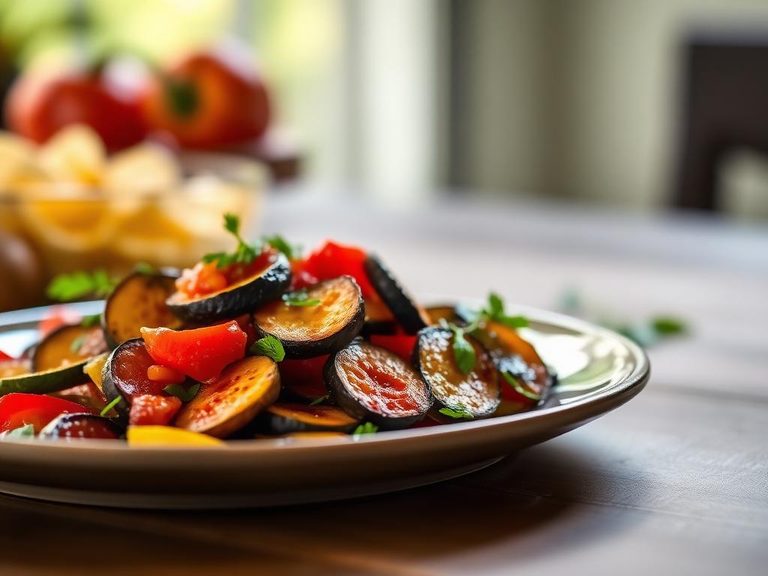
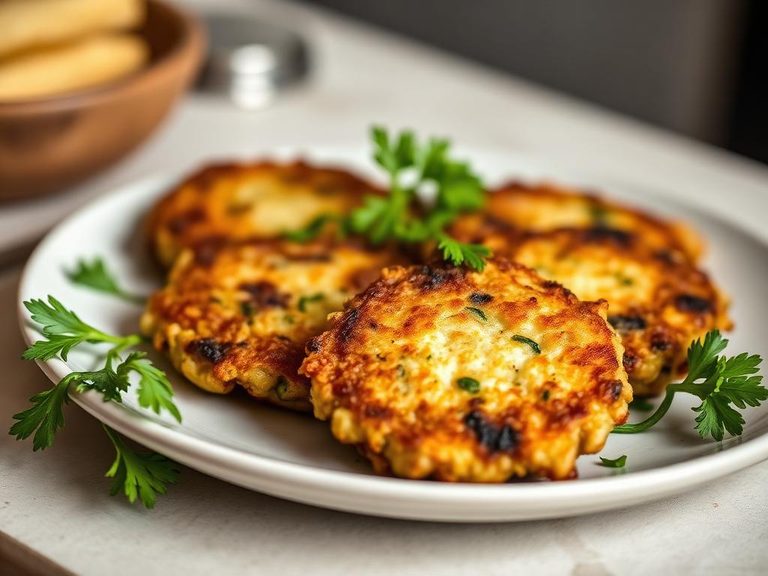
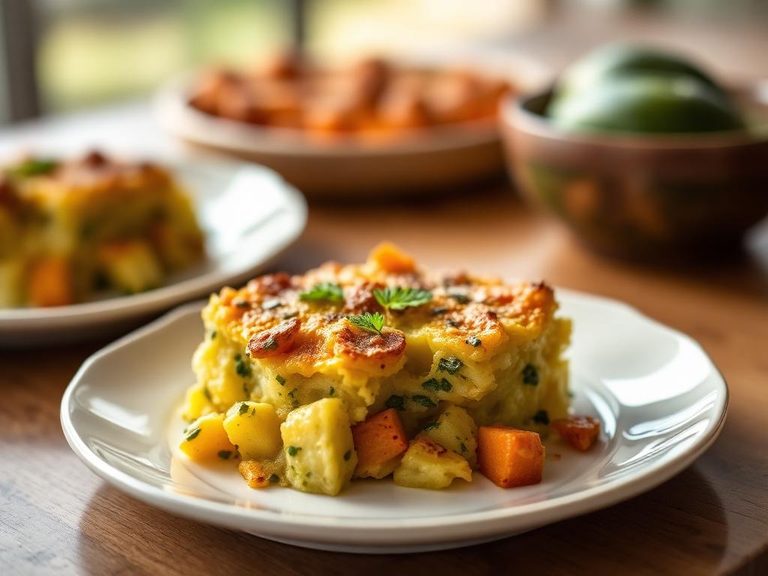
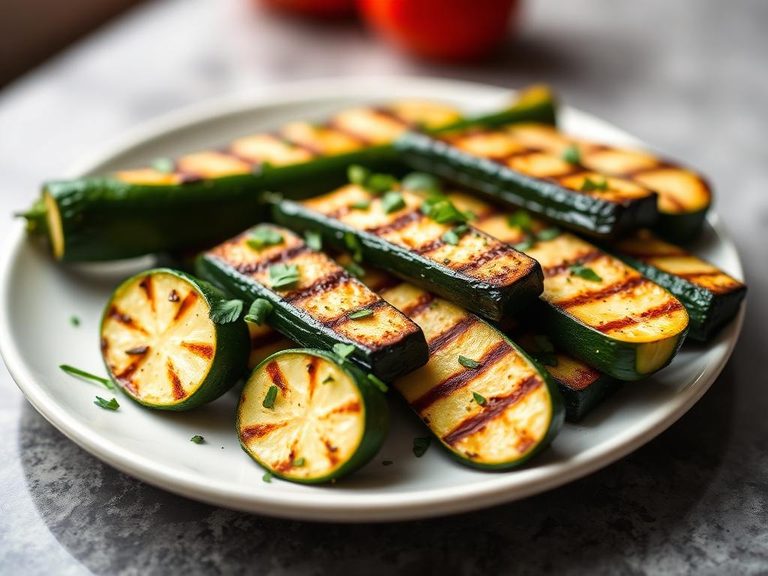
🍽️ Popular dishes

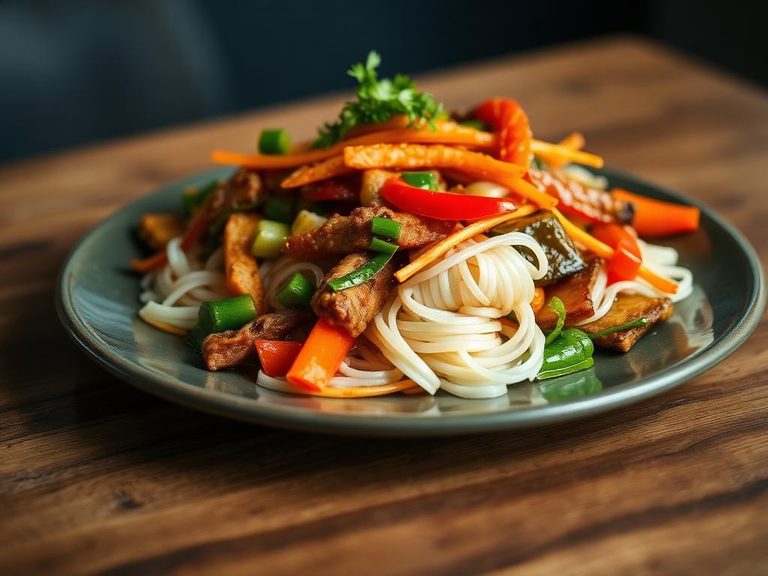
🌍 Where it's eaten
💡 Did you know?
Botanically, summer squash is a fruit, and the entire plant—blossoms, leaves, and all—is edible; the delicate squash blossoms are a prized ingredient in Italian and Mexican cuisines.
Full nutrition (USDA data · scales with serving)
| Water | 93.2 g |
| Energy | 21.0 kcal |
| Protein | 1.3 g |
| Total lipid (fat) | 0.35 g |
| Carbohydrate, by difference | 4.1 g |
| Fiber, total dietary | 1.2 g |
| Total Sugars | 3.2 g |
| Calcium, Ca | 22.0 mg |
| Iron, Fe | 0.48 mg |
| Magnesium, Mg | 22.0 mg |
| Phosphorus, P | 41.0 mg |
| Potassium, K | 283 mg |
| Sodium, Na | 142 mg |
| Zinc, Zn | 0.36 mg |
| Copper, Cu | 0.09 mg |
| Selenium, Se | 0.20 ug |
| Vitamin C, total ascorbic acid | 18.5 mg |
| Thiamin | 0.05 mg |
| Riboflavin | 0.07 mg |
| Niacin | 0.50 mg |
| Vitamin B-6 | 0.14 mg |
| Folate, total | 21.0 ug |
| Folic acid | 0.00 ug |
| Folate, food | 21.0 ug |
| Folate, DFE | 21.0 ug |
| Choline, total | 9.7 mg |
| Vitamin B-12 | 0.00 ug |
| Vitamin B-12, added | 0.00 ug |
| Vitamin A, RAE | 10.0 ug |
| Retinol | 0.00 ug |
| Carotene, beta | 117 ug |
| Carotene, alpha | 0.00 ug |
| Cryptoxanthin, beta | 0.00 ug |
| Lycopene | 0.00 ug |
| Lutein + zeaxanthin | 1346 ug |
| Vitamin E (alpha-tocopherol) | 0.15 mg |
| Vitamin E, added | 0.00 mg |
| Vitamin D (D2 + D3) | 0.00 ug |
| Vitamin K (phylloquinone) | 4.4 ug |
| Alcohol, ethyl | 0.00 g |
| Caffeine | 0.00 mg |
| Theobromine | 0.00 mg |
Fat & fatty acid profile (per 100g)
| Fatty acids, total saturated | 0.10 g |
| SFA 4:0 | 0.00 g |
| SFA 6:0 | 0.00 g |
| SFA 8:0 | 0.00 g |
| SFA 10:0 | 0.01 g |
| SFA 12:0 | 0.00 g |
| SFA 14:0 | 0.00 g |
| SFA 16:0 | 0.07 g |
| SFA 18:0 | 0.01 g |
| Fatty acids, total monounsaturated | 0.01 g |
| MUFA 16:1 | 0.00 g |
| MUFA 18:1 | 0.01 g |
| MUFA 20:1 | 0.00 g |
| MUFA 22:1 | 0.00 g |
| Fatty acids, total polyunsaturated | 0.10 g |
| PUFA 18:2 | 0.04 g |
| PUFA 18:3 | 0.06 g |
| PUFA 18:4 | 0.00 g |
| PUFA 20:4 | 0.00 g |
| PUFA 20:5 n-3 (EPA) | 0.00 g |
| PUFA 22:5 n-3 (DPA) | 0.00 g |
| PUFA 22:6 n-3 (DHA) | 0.00 g |
| Cholesterol | 0.00 mg |
Amino acid profile (per 100g)
Estimated from Squash, summer, crookneck and straightneck, cooked, boiled, drained, without salt — USDA does not publish this profile for Summer squash.
| Tryptophan | 0.01 g |
| Threonine | 0.02 g |
| Isoleucine | 0.03 g |
| Leucine | 0.05 g |
| Lysine | 0.05 g |
| Methionine | 0.01 g |
| Cystine | 0.01 g |
| Phenylalanine | 0.03 g |
| Tyrosine | 0.02 g |
| Valine | 0.04 g |
| Arginine | 0.04 g |
| Histidine | 0.02 g |
| Alanine | 0.05 g |
| Aspartic acid | 0.11 g |
| Glutamic acid | 0.10 g |
| Glycine | 0.03 g |
| Proline | 0.03 g |
| Serine | 0.04 g |
FAQ
What's the difference between summer and winter squash?
Summer squash (like zucchini) has thin, edible skin and a high water content, requiring short cooking. Winter squash (like butternut) has a hard rind, denser flesh, and is typically roasted for longer to develop sweetness.
How do I keep summer squash from getting mushy?
Avoid overcooking. Sauté quickly over high heat, grill, or roast at a high temperature. Salting and draining slices beforehand can also draw out excess moisture for crispier results.
Is the skin nutritious?
Yes! The skin of summer squash is thin and edible, containing a significant portion of its fiber and antioxidants like lutein. Simply wash well before cooking.
Nutrient density (calculated · NRF9.3)
Nutrient Rich Foods index: beneficial nutrients (protein, fiber, vitamins, minerals) minus saturated fat, added sugar & sodium, per 100 kcal.
NRF9.3 index — Fulgoni, Keast & Drewnowski, 2009. Computed from USDA nutrients.
Weight-loss friendliness (composite index)
Energy density 0.21 kcal/g · 25% calories from protein · 1.2 g fiber · 3.2 g sugar per 100 g.
Composite of energy density (Rolls et al., 1999), protein & fiber satiety, minus sugar. A calculated heuristic — ranks satiety-per-calorie, not a clinical measure.
Dietary load (calculated from USDA values)
Potential renal acid load. Positive = acid-forming, negative = alkaline-forming.
Sodium-to-potassium ratio: 0.50 (lower is better — aim for ≤ 1)
Sodium:potassium per WHO potassium guidance. Computed from USDA nutrients.