

Summer squash, yellow or green, frozen, cooked, fat added, NS as to fat type
Common food

Photo: Wikipedia
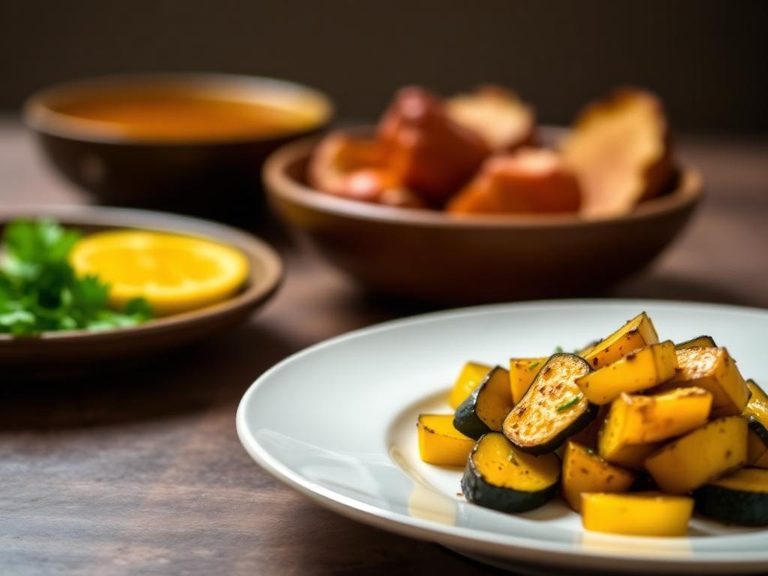
This is summer squash—either yellow crookneck or green zucchini—that has been cooked from frozen with a small amount of added fat. The texture is tender and slightly soft, with a mild, subtly sweet, and buttery flavor. Nutritionally, it's a very low-calorie, high-volume food that provides a good source of fiber and vitamin C.
Calorie split: 10% protein · 38% carbs · 52% fat
↓ Full nutrition💚 Why it's loved
People love it for its incredible versatility and mild flavor, which acts as a blank canvas for herbs, spices, and other ingredients. It's a beloved staple in summer gardens and kitchens worldwide, symbolizing seasonal abundance.
⚠️ Watch-outs & how to enjoy it better
The main downside is its high water content, which can lead to a soggy texture if overcooked. To counteract this, avoid overboiling; instead, sauté, roast, or grill it to evaporate moisture and concentrate flavor. Those watching sodium intake should check labels, as frozen vegetables sometimes contain added salt.
Key benefits
- Excellent source of vitamin C for immune support.
- High in water content for hydration.
- Provides dietary fiber for digestive health.
- Very low calorie, aiding in weight management.
- Contains antioxidants like lutein and zeaxanthin.
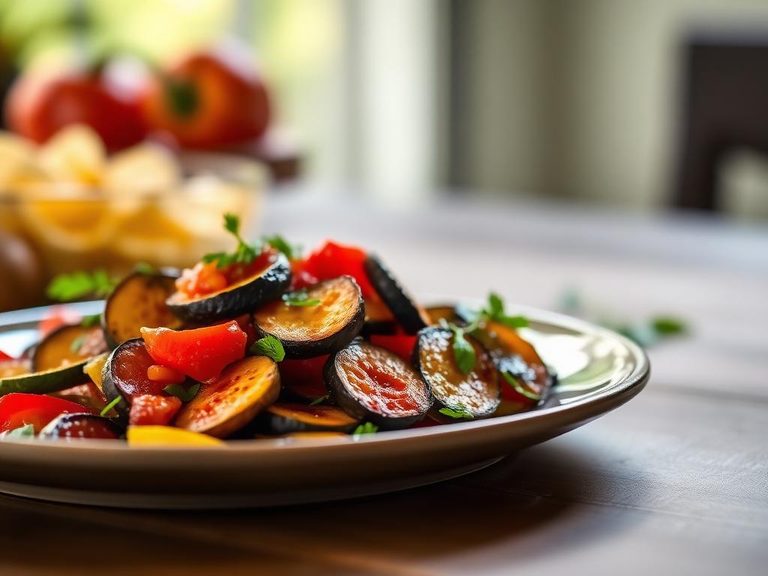
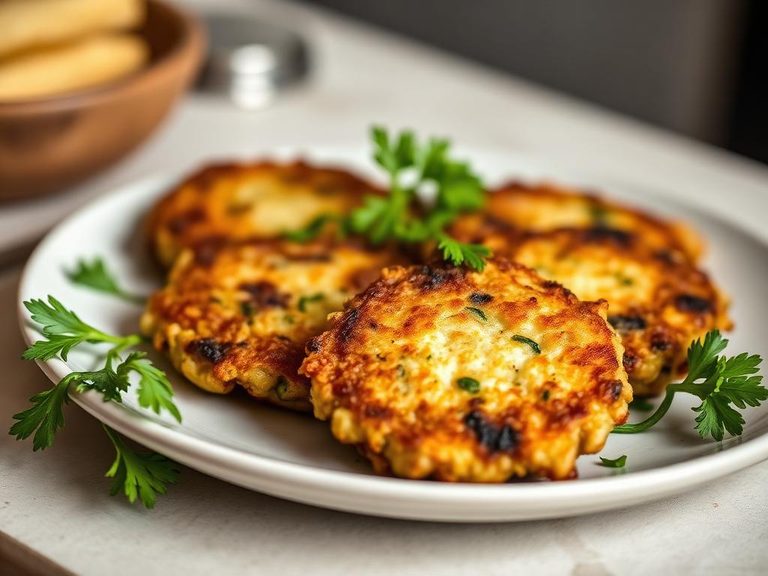
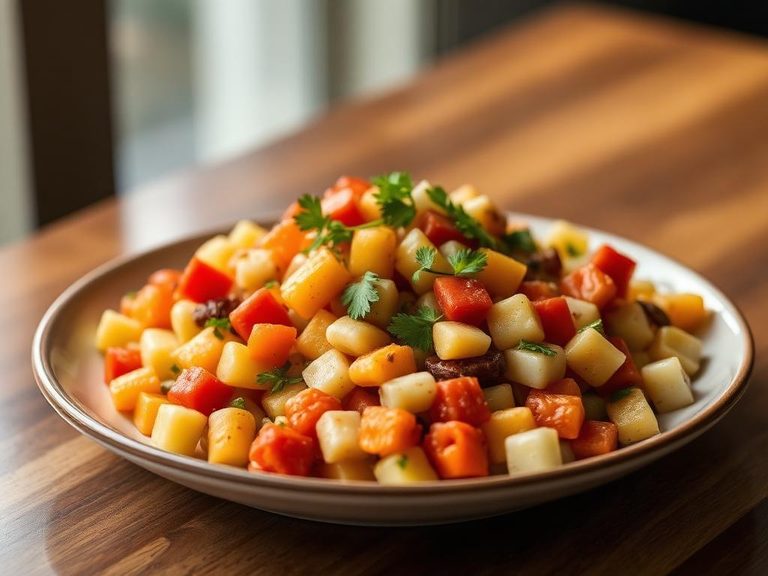
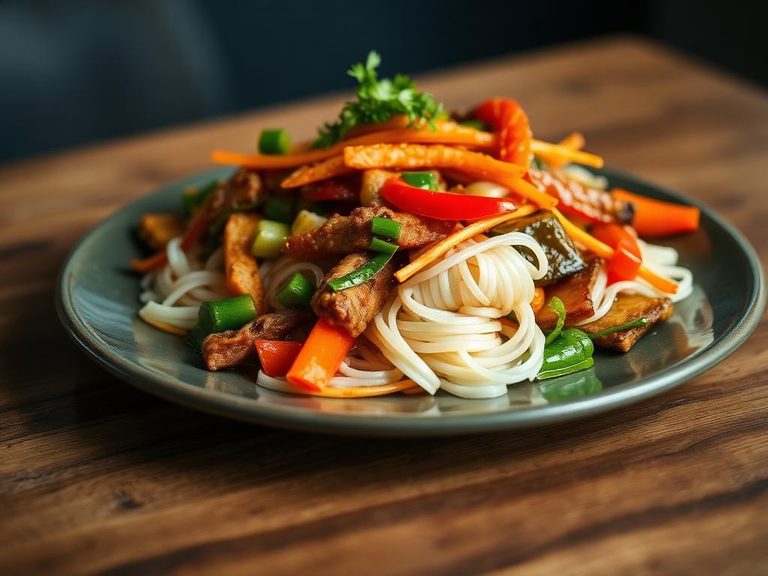
🍽️ Popular dishes

🌍 Where it's eaten
💡 Did you know?
Despite its common name, summer squash is botanically a fruit, specifically a berry, as it develops from the flower's ovary and contains seeds.
Full nutrition (USDA data · scales with serving)
| Water | 90.8 g |
| Energy | 43.0 kcal |
| Protein | 1.2 g |
| Total lipid (fat) | 2.7 g |
| Carbohydrate, by difference | 4.4 g |
| Fiber, total dietary | 1.3 g |
| Total Sugars | 1.9 g |
| Calcium, Ca | 18.0 mg |
| Iron, Fe | 0.49 mg |
| Magnesium, Mg | 19.0 mg |
| Phosphorus, P | 32.0 mg |
| Potassium, K | 217 mg |
| Sodium, Na | 125 mg |
| Zinc, Zn | 0.26 mg |
| Copper, Cu | 0.06 mg |
| Selenium, Se | 0.20 ug |
| Vitamin C, total ascorbic acid | 5.1 mg |
| Thiamin | 0.04 mg |
| Riboflavin | 0.04 mg |
| Niacin | 0.40 mg |
| Vitamin B-6 | 0.09 mg |
| Folate, total | 10.0 ug |
| Folic acid | 0.00 ug |
| Folate, food | 10.0 ug |
| Folate, DFE | 10.0 ug |
| Choline, total | 9.5 mg |
| Vitamin B-12 | 0.00 ug |
| Vitamin B-12, added | 0.00 ug |
| Vitamin A, RAE | 21.0 ug |
| Retinol | 11.0 ug |
| Carotene, beta | 114 ug |
| Carotene, alpha | 0.00 ug |
| Cryptoxanthin, beta | 0.00 ug |
| Lycopene | 0.00 ug |
| Lutein + zeaxanthin | 1096 ug |
| Vitamin E (alpha-tocopherol) | 0.51 mg |
| Vitamin E, added | 0.00 mg |
| Vitamin D (D2 + D3) | 0.00 ug |
| Vitamin K (phylloquinone) | 6.7 ug |
| Alcohol, ethyl | 0.00 g |
| Caffeine | 0.00 mg |
| Theobromine | 0.00 mg |
Fat & fatty acid profile (per 100g)
| Fatty acids, total saturated | 0.70 g |
| SFA 4:0 | 0.02 g |
| SFA 6:0 | 0.01 g |
| SFA 8:0 | 0.01 g |
| SFA 10:0 | 0.02 g |
| SFA 12:0 | 0.02 g |
| SFA 14:0 | 0.06 g |
| SFA 16:0 | 0.39 g |
| SFA 18:0 | 0.14 g |
| Fatty acids, total monounsaturated | 0.92 g |
| MUFA 16:1 | 0.01 g |
| MUFA 18:1 | 0.88 g |
| MUFA 20:1 | 0.01 g |
| MUFA 22:1 | 0.00 g |
| Fatty acids, total polyunsaturated | 0.80 g |
| PUFA 18:2 | 0.67 g |
| PUFA 18:3 | 0.12 g |
| PUFA 18:4 | 0.00 g |
| PUFA 20:4 | 0.00 g |
| PUFA 20:5 n-3 (EPA) | 0.00 g |
| PUFA 22:5 n-3 (DPA) | 0.00 g |
| PUFA 22:6 n-3 (DHA) | 0.00 g |
| Cholesterol | 2.0 mg |
Amino acid profile (per 100g)
Estimated from Squash, summer, crookneck and straightneck, cooked, boiled, drained, without salt — USDA does not publish this profile for Summer squash.
| Tryptophan | 0.01 g |
| Threonine | 0.02 g |
| Isoleucine | 0.03 g |
| Leucine | 0.05 g |
| Lysine | 0.05 g |
| Methionine | 0.01 g |
| Cystine | 0.01 g |
| Phenylalanine | 0.03 g |
| Tyrosine | 0.02 g |
| Valine | 0.04 g |
| Arginine | 0.04 g |
| Histidine | 0.02 g |
| Alanine | 0.05 g |
| Aspartic acid | 0.11 g |
| Glutamic acid | 0.10 g |
| Glycine | 0.03 g |
| Proline | 0.03 g |
| Serine | 0.04 g |
FAQ
Is frozen summer squash as nutritious as fresh?
Yes, often more so. Flash-freezing locks in nutrients at their peak. Frozen squash is picked ripe and processed quickly, preserving vitamins like C better than fresh squash that has traveled long distances.
Why is there added fat in the frozen product?
The fat (often oil or butter) is added during processing to help maintain texture, prevent freezer burn, and enhance flavor upon reheating. It also helps with the absorption of fat-soluble vitamins like A and K.
Can I refreeze cooked summer squash after thawing?
It's not recommended. Refreezing will significantly degrade the texture, making it very mushy and watery. It's best to cook only what you'll use from a thawed package.
Nutrient density (calculated · NRF9.3)
Nutrient Rich Foods index: beneficial nutrients (protein, fiber, vitamins, minerals) minus saturated fat, added sugar & sodium, per 100 kcal.
NRF9.3 index — Fulgoni, Keast & Drewnowski, 2009. Computed from USDA nutrients.
Weight-loss friendliness (composite index)
Energy density 0.43 kcal/g · 11% calories from protein · 1.3 g fiber · 1.9 g sugar per 100 g.
Composite of energy density (Rolls et al., 1999), protein & fiber satiety, minus sugar. A calculated heuristic — ranks satiety-per-calorie, not a clinical measure.
Dietary load (calculated from USDA values)
Potential renal acid load. Positive = acid-forming, negative = alkaline-forming.
Sodium-to-potassium ratio: 0.58 (lower is better — aim for ≤ 1)
Sodium:potassium per WHO potassium guidance. Computed from USDA nutrients.