

Summer squash, yellow or green, frozen, cooked, no added fat
Common food

Photo: Wikipedia
This is the humble summer squash—yellow crookneck or green zucchini—blanched and frozen at peak freshness, then cooked without a drop of added fat. The result is a soft, tender, and mildly sweet vegetable with a subtle, earthy flavor that's less vibrant than its fresh counterpart but remarkably convenient. It's an incredibly low-calorie, high-fiber food, with just 21 kcal and 1.3g of fiber per 100g, making it a nutritional powerhouse for volume eating.
Calorie split: 20% protein · 74% carbs · 6% fat
↓ Full nutrition💚 Why it's loved
People love it for its incredible versatility and mild, crowd-pleasing flavor that absorbs seasonings and sauces beautifully. It's a beloved staple in home cooking for its ease of preparation and ability to add bulk and nutrition to meals without overpowering other ingredients.
⚠️ Watch-outs & how to enjoy it better
The main downside is that its texture can become mushy if overcooked, and it may lack the bright, fresh taste of summer squash. Those watching their blood sugar should be mindful of its 2g sugar content per 100g, though it's low overall. To counteract any potential sogginess, cook it quickly (sauté or steam) and pair it with a protein like chicken or a healthy fat like olive oil to balance the meal and enhance satiety.
Key benefits
- Extremely low in calories (21 kcal/100g), ideal for weight management.
- Good source of dietary fiber (1.3g/100g) for digestive health.
- Very low in fat (0.16g/100g), supporting heart-healthy diets.
- Provides essential vitamins like Vitamin C and B vitamins.
- Convenient and reduces food waste with a long freezer life.
🍽️ Popular dishes
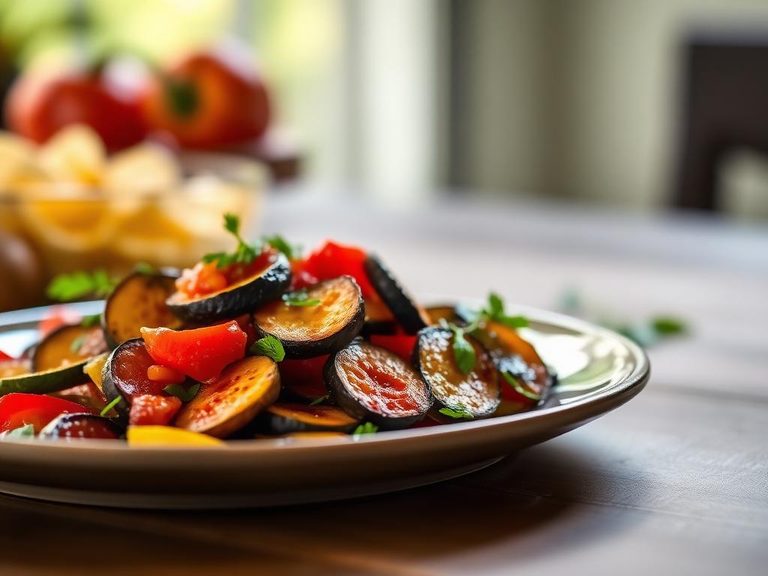
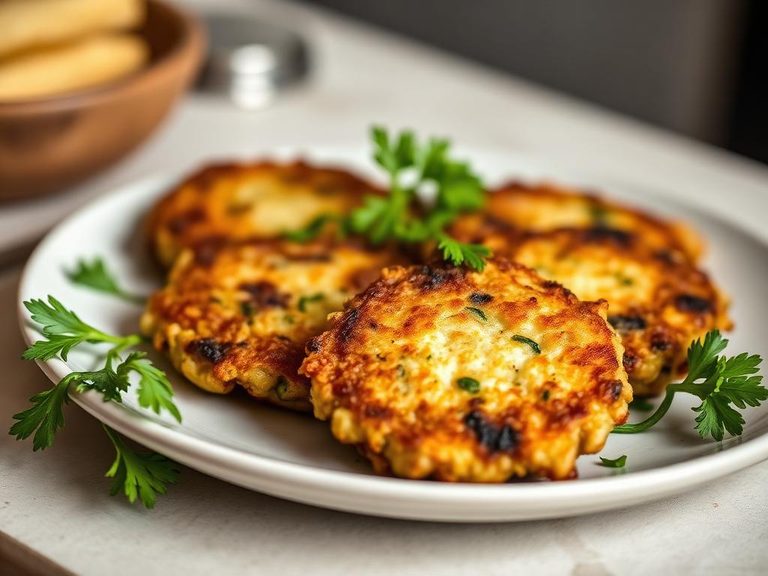
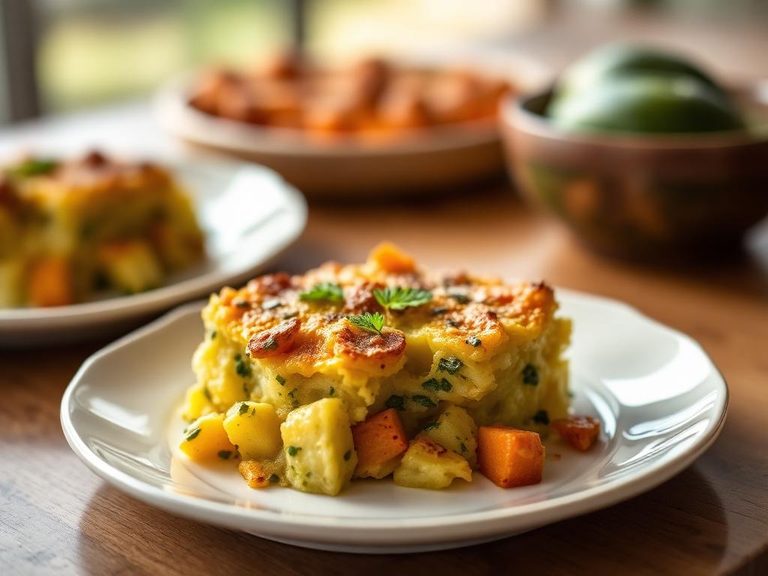
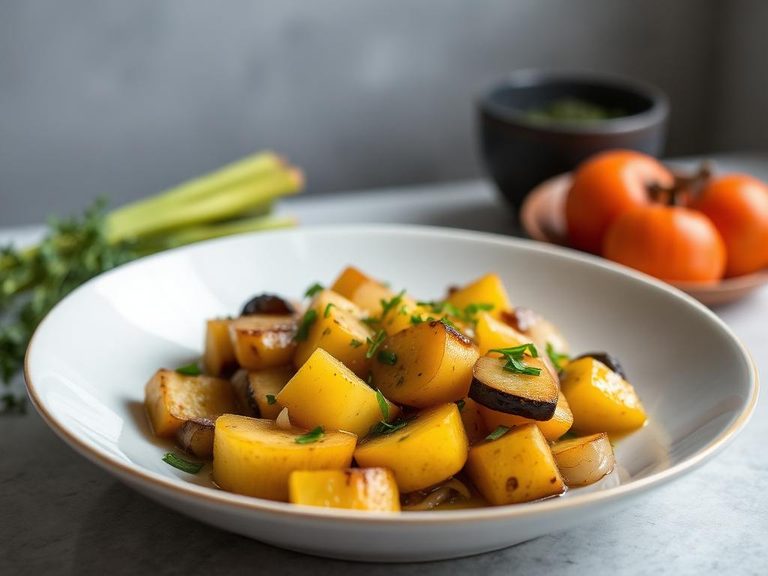
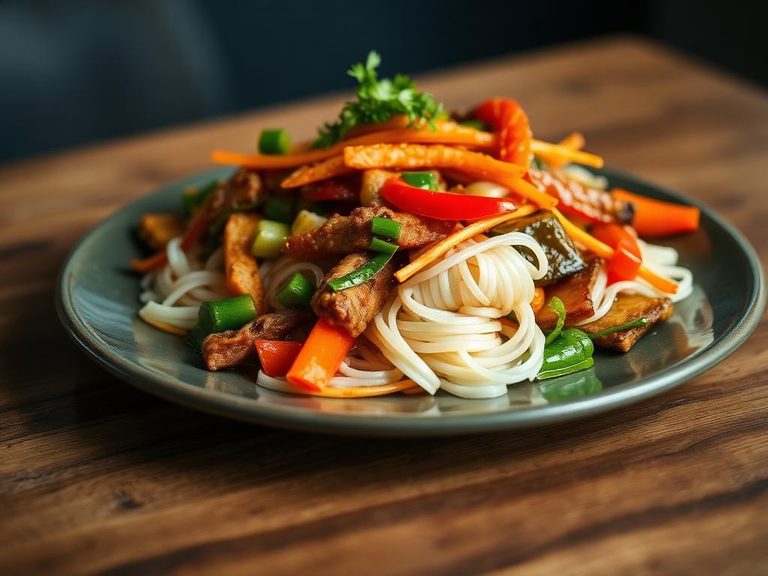
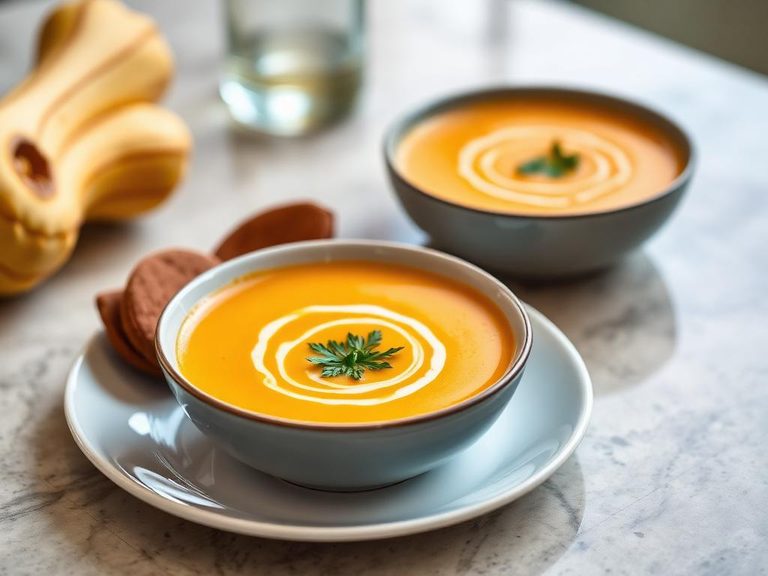
🌍 Where it's eaten
💡 Did you know?
Despite its name, the summer squash we commonly call 'zucchini' is botanically a fruit, as it develops from the flower of the plant and contains seeds.
Full nutrition (USDA data · scales with serving)
| Water | 93.2 g |
| Energy | 21.0 kcal |
| Protein | 1.2 g |
| Total lipid (fat) | 0.16 g |
| Carbohydrate, by difference | 4.5 g |
| Fiber, total dietary | 1.3 g |
| Total Sugars | 2.0 g |
| Calcium, Ca | 19.0 mg |
| Iron, Fe | 0.50 mg |
| Magnesium, Mg | 20.0 mg |
| Phosphorus, P | 33.0 mg |
| Potassium, K | 223 mg |
| Sodium, Na | 120 mg |
| Zinc, Zn | 0.27 mg |
| Copper, Cu | 0.06 mg |
| Selenium, Se | 0.20 ug |
| Vitamin C, total ascorbic acid | 5.2 mg |
| Thiamin | 0.04 mg |
| Riboflavin | 0.04 mg |
| Niacin | 0.41 mg |
| Vitamin B-6 | 0.07 mg |
| Folate, total | 10.0 ug |
| Folic acid | 0.00 ug |
| Folate, food | 10.0 ug |
| Folate, DFE | 10.0 ug |
| Choline, total | 9.5 mg |
| Vitamin B-12 | 0.00 ug |
| Vitamin B-12, added | 0.00 ug |
| Vitamin A, RAE | 9.0 ug |
| Retinol | 0.00 ug |
| Carotene, beta | 113 ug |
| Carotene, alpha | 0.00 ug |
| Cryptoxanthin, beta | 0.00 ug |
| Lycopene | 0.00 ug |
| Lutein + zeaxanthin | 1129 ug |
| Vitamin E (alpha-tocopherol) | 0.14 mg |
| Vitamin E, added | 0.00 mg |
| Vitamin D (D2 + D3) | 0.00 ug |
| Vitamin K (phylloquinone) | 4.8 ug |
| Alcohol, ethyl | 0.00 g |
| Caffeine | 0.00 mg |
| Theobromine | 0.00 mg |
Fat & fatty acid profile (per 100g)
| Fatty acids, total saturated | 0.03 g |
| SFA 4:0 | 0.00 g |
| SFA 6:0 | 0.00 g |
| SFA 8:0 | 0.00 g |
| SFA 10:0 | 0.00 g |
| SFA 12:0 | 0.00 g |
| SFA 14:0 | 0.00 g |
| SFA 16:0 | 0.03 g |
| SFA 18:0 | 0.00 g |
| Fatty acids, total monounsaturated | 0.01 g |
| MUFA 16:1 | 0.00 g |
| MUFA 18:1 | 0.01 g |
| MUFA 20:1 | 0.00 g |
| MUFA 22:1 | 0.00 g |
| Fatty acids, total polyunsaturated | 0.07 g |
| PUFA 18:2 | 0.03 g |
| PUFA 18:3 | 0.04 g |
| PUFA 18:4 | 0.00 g |
| PUFA 20:4 | 0.00 g |
| PUFA 20:5 n-3 (EPA) | 0.00 g |
| PUFA 22:5 n-3 (DPA) | 0.00 g |
| PUFA 22:6 n-3 (DHA) | 0.00 g |
| Cholesterol | 0.00 mg |
Amino acid profile (per 100g)
Estimated from Squash, summer, crookneck and straightneck, cooked, boiled, drained, without salt — USDA does not publish this profile for Summer squash.
| Tryptophan | 0.01 g |
| Threonine | 0.02 g |
| Isoleucine | 0.03 g |
| Leucine | 0.05 g |
| Lysine | 0.05 g |
| Methionine | 0.01 g |
| Cystine | 0.01 g |
| Phenylalanine | 0.03 g |
| Tyrosine | 0.02 g |
| Valine | 0.04 g |
| Arginine | 0.04 g |
| Histidine | 0.02 g |
| Alanine | 0.05 g |
| Aspartic acid | 0.11 g |
| Glutamic acid | 0.10 g |
| Glycine | 0.03 g |
| Proline | 0.03 g |
| Serine | 0.04 g |
FAQ
Is frozen summer squash as nutritious as fresh?
Yes, frozen summer squash retains most of its nutrients, including vitamins and fiber, as it's typically blanched and frozen shortly after harvest. The freezing process can sometimes make certain nutrients more bioavailable.
How do I prevent frozen squash from getting watery?
Thaw it in a colander to drain excess water, or cook it directly from frozen in a hot pan without stirring too much. Avoid overcooking, as it will release more moisture.
Can I eat the skin of summer squash?
Absolutely! The skin of both yellow and green summer squash is edible and contains fiber and nutrients. Just wash it well before cooking.
Nutrient density (calculated · NRF9.3)
Nutrient Rich Foods index: beneficial nutrients (protein, fiber, vitamins, minerals) minus saturated fat, added sugar & sodium, per 100 kcal.
NRF9.3 index — Fulgoni, Keast & Drewnowski, 2009. Computed from USDA nutrients.
Weight-loss friendliness (composite index)
Energy density 0.21 kcal/g · 23% calories from protein · 1.3 g fiber · 2.0 g sugar per 100 g.
Composite of energy density (Rolls et al., 1999), protein & fiber satiety, minus sugar. A calculated heuristic — ranks satiety-per-calorie, not a clinical measure.
Dietary load (calculated from USDA values)
Potential renal acid load. Positive = acid-forming, negative = alkaline-forming.
Sodium-to-potassium ratio: 0.54 (lower is better — aim for ≤ 1)
Sodium:potassium per WHO potassium guidance. Computed from USDA nutrients.