

Summer squash, yellow or green, fresh, cooked with butter or margarine
Common food
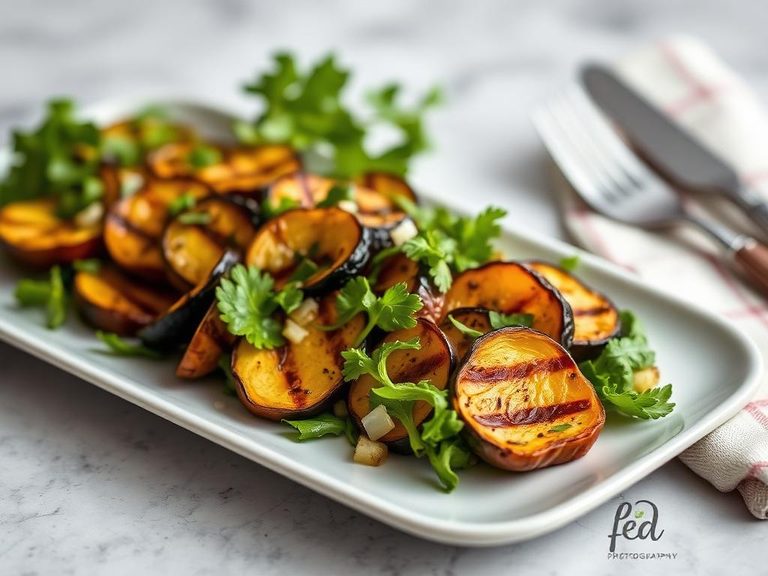
Summer squash, whether vibrant yellow or pale green, transforms into a tender, buttery delight when cooked. Its mild, slightly sweet flavor and soft, melt-in-your-mouth texture make it a comforting side dish. With only 44 calories per 100g, it's a light yet satisfying addition to any meal, offering a gentle boost of vitamins and fiber.
Calorie split: 11% protein · 34% carbs · 55% fat
↓ Full nutrition💚 Why it's loved
People love it for its delicate, buttery flavor that complements a wide range of dishes, from simple sides to complex casseroles. Its versatility and ease of preparation make it a staple in home cooking, especially during summer months when it's at its freshest.
⚠️ Watch-outs & how to enjoy it better
Some may find its texture too soft or watery if overcooked, and its mild flavor can be unappealing to those who prefer stronger tastes. To counteract, avoid overcooking by sautéing quickly or roasting at high heat, and pair with bold seasonings like garlic, herbs, or a splash of lemon juice.
Key benefits
- Low-calorie, nutrient-dense vegetable
- Good source of vitamin C and potassium
- Contains fiber for digestive health
- Hydrating due to high water content
- Provides antioxidants like lutein and zeaxanthin
🍽️ Popular dishes
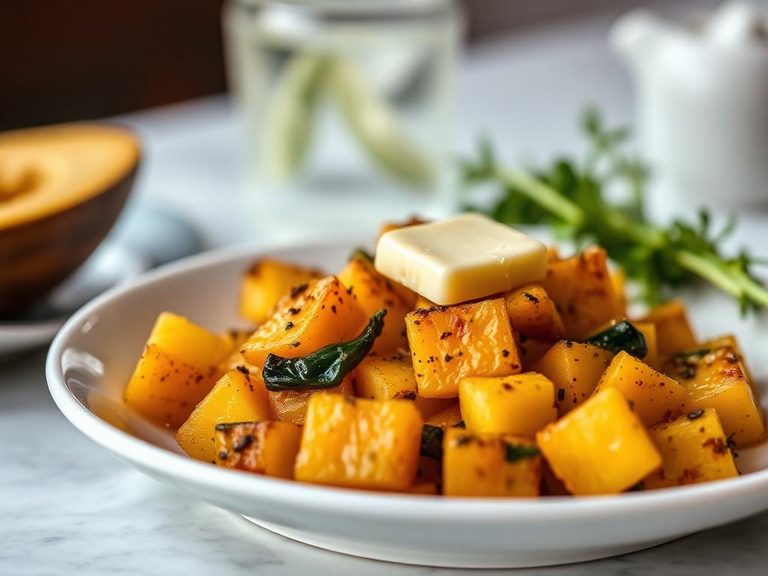
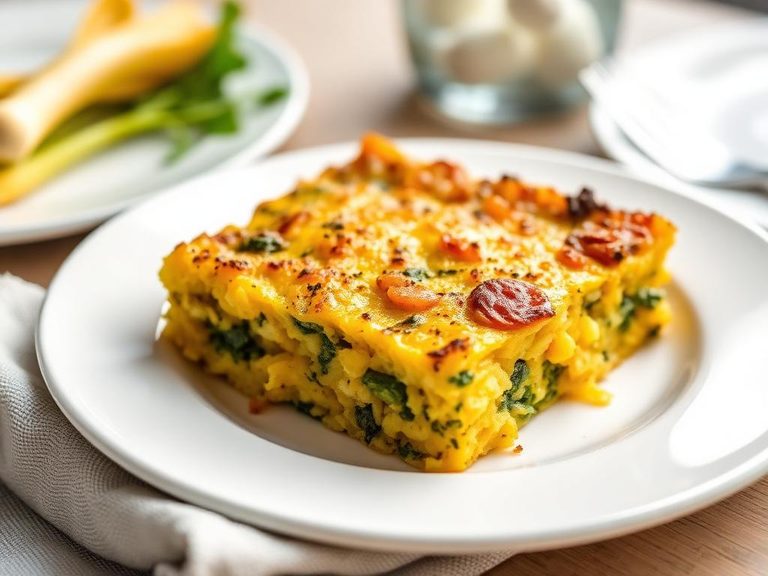
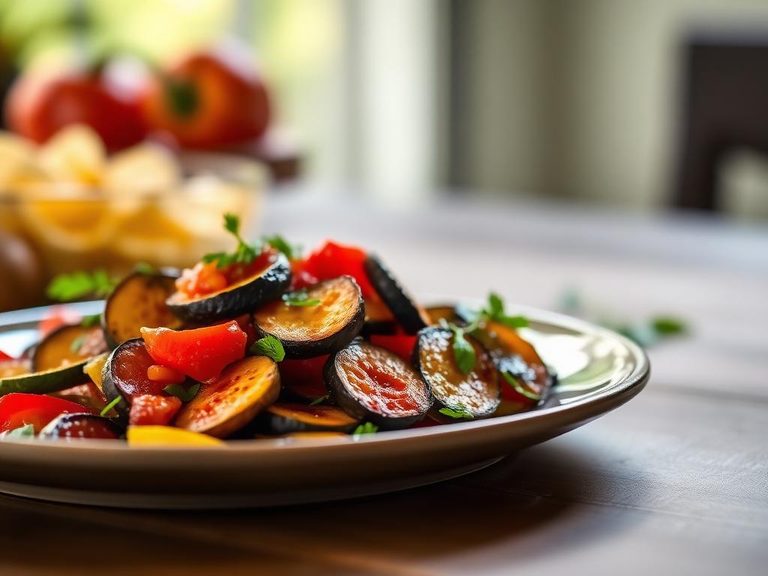
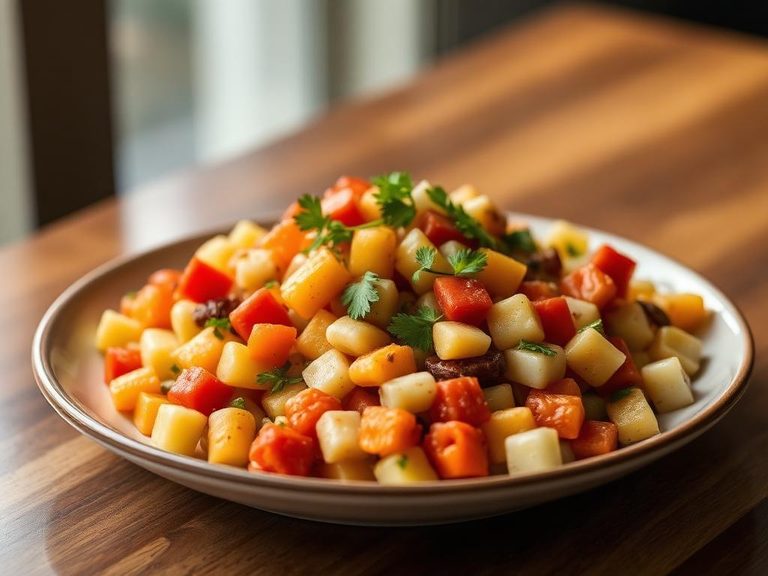
🌍 Where it's eaten
💡 Did you know?
Summer squash is technically a fruit, as it develops from the flower of the plant and contains seeds, though it's treated as a vegetable in culinary contexts.
Full nutrition (USDA data · scales with serving)
| Water | 90.8 g |
| Energy | 44.0 kcal |
| Protein | 1.3 g |
| Total lipid (fat) | 2.9 g |
| Carbohydrate, by difference | 4.0 g |
| Fiber, total dietary | 1.1 g |
| Total Sugars | 3.1 g |
| Calcium, Ca | 22.0 mg |
| Iron, Fe | 0.46 mg |
| Magnesium, Mg | 22.0 mg |
| Phosphorus, P | 40.0 mg |
| Potassium, K | 276 mg |
| Sodium, Na | 158 mg |
| Zinc, Zn | 0.35 mg |
| Copper, Cu | 0.08 mg |
| Selenium, Se | 0.20 ug |
| Vitamin C, total ascorbic acid | 18.0 mg |
| Thiamin | 0.05 mg |
| Riboflavin | 0.07 mg |
| Niacin | 0.49 mg |
| Vitamin B-6 | 0.17 mg |
| Folate, total | 21.0 ug |
| Folic acid | 0.00 ug |
| Folate, food | 21.0 ug |
| Folate, DFE | 21.0 ug |
| Choline, total | 10.0 mg |
| Vitamin B-12 | 0.00 ug |
| Vitamin B-12, added | 0.00 ug |
| Vitamin A, RAE | 36.0 ug |
| Retinol | 26.0 ug |
| Carotene, beta | 125 ug |
| Carotene, alpha | 0.00 ug |
| Cryptoxanthin, beta | 0.00 ug |
| Lycopene | 0.00 ug |
| Lutein + zeaxanthin | 1306 ug |
| Vitamin E (alpha-tocopherol) | 0.39 mg |
| Vitamin E, added | 0.00 mg |
| Vitamin D (D2 + D3) | 0.10 ug |
| Vitamin K (phylloquinone) | 5.8 ug |
| Alcohol, ethyl | 0.00 g |
| Caffeine | 0.00 mg |
| Theobromine | 0.00 mg |
Fat & fatty acid profile (per 100g)
| Fatty acids, total saturated | 1.2 g |
| SFA 4:0 | 0.04 g |
| SFA 6:0 | 0.03 g |
| SFA 8:0 | 0.02 g |
| SFA 10:0 | 0.05 g |
| SFA 12:0 | 0.05 g |
| SFA 14:0 | 0.15 g |
| SFA 16:0 | 0.59 g |
| SFA 18:0 | 0.23 g |
| Fatty acids, total monounsaturated | 0.69 g |
| MUFA 16:1 | 0.02 g |
| MUFA 18:1 | 0.64 g |
| MUFA 20:1 | 0.01 g |
| MUFA 22:1 | 0.00 g |
| Fatty acids, total polyunsaturated | 0.51 g |
| PUFA 18:2 | 0.41 g |
| PUFA 18:3 | 0.10 g |
| PUFA 18:4 | 0.00 g |
| PUFA 20:4 | 0.00 g |
| PUFA 20:5 n-3 (EPA) | 0.00 g |
| PUFA 22:5 n-3 (DPA) | 0.00 g |
| PUFA 22:6 n-3 (DHA) | 0.00 g |
| Cholesterol | 5.0 mg |
Amino acid profile (per 100g)
Estimated from Squash, summer, crookneck and straightneck, cooked, boiled, drained, without salt — USDA does not publish this profile for Summer squash.
| Tryptophan | 0.01 g |
| Threonine | 0.02 g |
| Isoleucine | 0.03 g |
| Leucine | 0.05 g |
| Lysine | 0.05 g |
| Methionine | 0.01 g |
| Cystine | 0.01 g |
| Phenylalanine | 0.03 g |
| Tyrosine | 0.02 g |
| Valine | 0.04 g |
| Arginine | 0.04 g |
| Histidine | 0.02 g |
| Alanine | 0.05 g |
| Aspartic acid | 0.11 g |
| Glutamic acid | 0.10 g |
| Glycine | 0.03 g |
| Proline | 0.03 g |
| Serine | 0.04 g |
FAQ
Is summer squash the same as zucchini?
Yes, zucchini is a type of summer squash, specifically a green variety. The term 'summer squash' encompasses several varieties, including yellow squash and pattypan, all harvested while still tender and immature.
Can I eat summer squash raw?
Yes, summer squash can be eaten raw in salads or as a snack, though it's more commonly cooked. Raw squash has a crisp texture and mild flavor, while cooking softens it and enhances its sweetness.
How do I store summer squash?
Store unwashed summer squash in a plastic bag in the refrigerator's crisper drawer for up to a week. Avoid washing until ready to use, as moisture can promote spoilage. For longer storage, you can freeze cooked squash, though the texture may become softer.
Nutrient density (calculated · NRF9.3)
Nutrient Rich Foods index: beneficial nutrients (protein, fiber, vitamins, minerals) minus saturated fat, added sugar & sodium, per 100 kcal.
NRF9.3 index — Fulgoni, Keast & Drewnowski, 2009. Computed from USDA nutrients.
Weight-loss friendliness (composite index)
Energy density 0.44 kcal/g · 12% calories from protein · 1.1 g fiber · 3.1 g sugar per 100 g.
Composite of energy density (Rolls et al., 1999), protein & fiber satiety, minus sugar. A calculated heuristic — ranks satiety-per-calorie, not a clinical measure.
Dietary load (calculated from USDA values)
Potential renal acid load. Positive = acid-forming, negative = alkaline-forming.
Sodium-to-potassium ratio: 0.57 (lower is better — aim for ≤ 1)
Sodium:potassium per WHO potassium guidance. Computed from USDA nutrients.