

Summer squash, yellow or green, frozen, cooked with butter or margarine
Common food
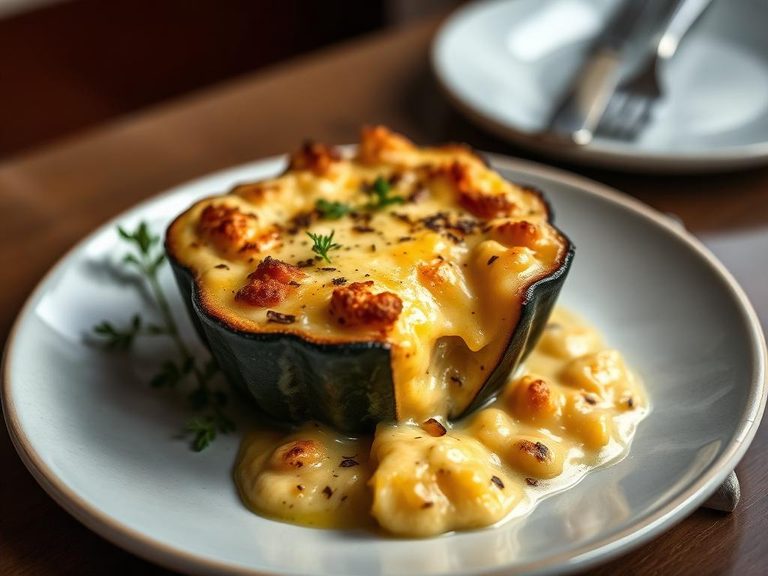
Summer squash, whether yellow or green, is a tender, mildly sweet vegetable that, when frozen and cooked with butter or margarine, offers a comforting, buttery richness. Its texture becomes soft and slightly silky, making it a versatile side that complements a wide range of meals. With only 40 calories per 100g and a good dose of fiber, it's a light yet satisfying addition to any plate.
Calorie split: 11% protein · 41% carbs · 49% fat
↓ Full nutrition💚 Why it's loved
People love it for its subtle, buttery flavor and melt-in-your-mouth texture, which makes it an easy, crowd-pleasing side dish. Its versatility allows it to be paired with everything from grilled meats to pasta, fitting seamlessly into both casual and formal meals.
⚠️ Watch-outs & how to enjoy it better
Some may find it too soft or bland if not seasoned well, and the added butter or margarine can increase saturated fat intake. To counteract this, use moderate portions and pair it with lean protein or a sprinkle of herbs to boost flavor without extra calories. If concerned about sodium, opt for unsalted butter and season with lemon juice or spices instead.
Key benefits
- Low in calories, supporting weight management
- Good source of dietary fiber for digestive health
- Provides vitamins A and C for immune support
- Naturally low in fat, with healthy additions from butter
- Contains antioxidants like lutein and zeaxanthin for eye health
🍽️ Popular dishes
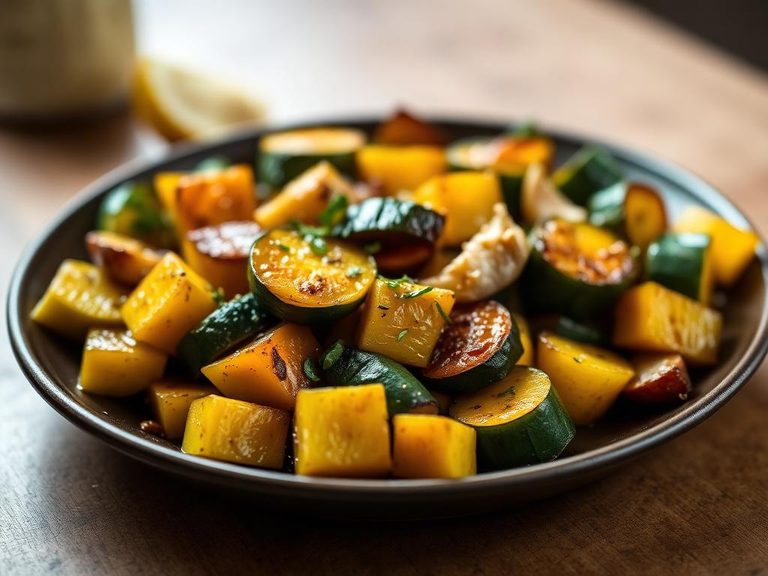
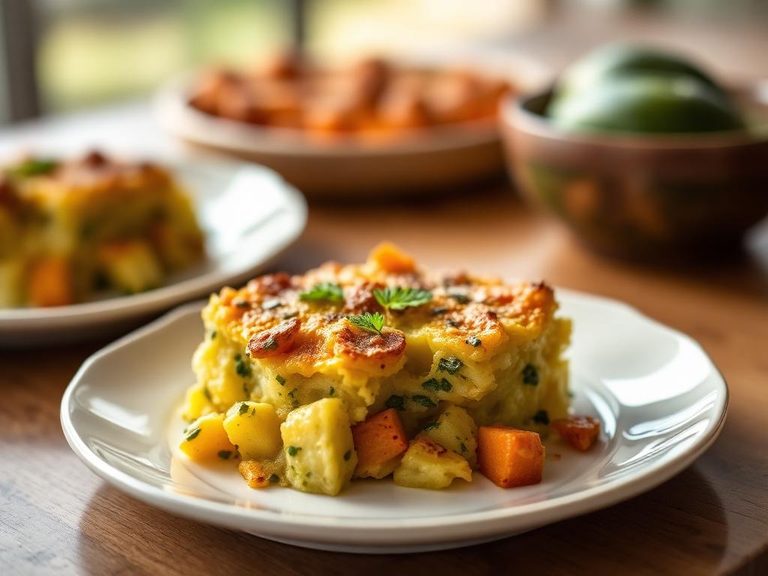
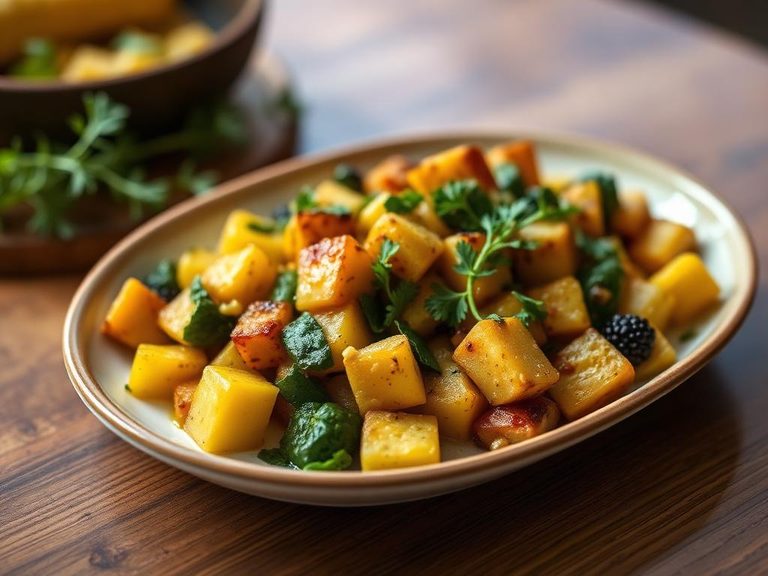
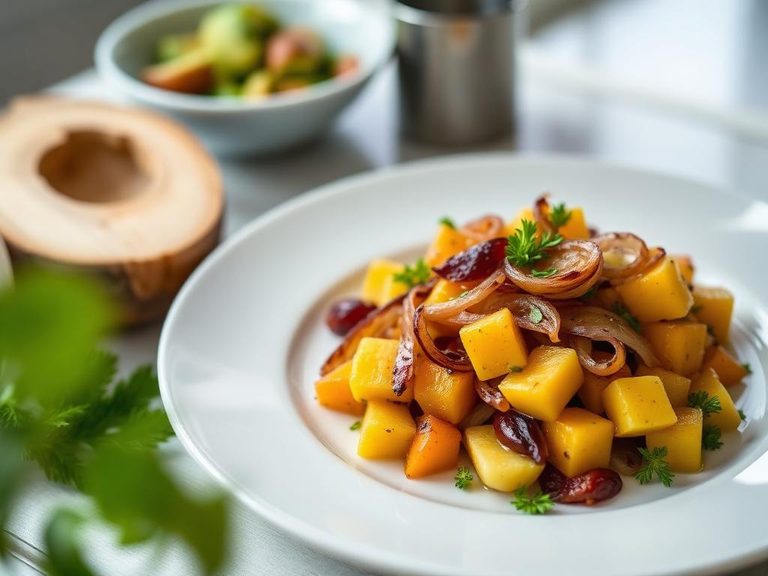
🌍 Where it's eaten
💡 Did you know?
Summer squash was originally cultivated in the Americas over 10,000 years ago and was a staple food for Native American tribes, who often grew it alongside corn and beans in the 'Three Sisters' planting method.
Full nutrition (USDA data · scales with serving)
| Water | 91.2 g |
| Energy | 40.0 kcal |
| Protein | 1.2 g |
| Total lipid (fat) | 2.4 g |
| Carbohydrate, by difference | 4.4 g |
| Fiber, total dietary | 1.3 g |
| Total Sugars | 2.0 g |
| Calcium, Ca | 19.0 mg |
| Iron, Fe | 0.48 mg |
| Magnesium, Mg | 19.0 mg |
| Phosphorus, P | 32.0 mg |
| Potassium, K | 217 mg |
| Sodium, Na | 133 mg |
| Zinc, Zn | 0.26 mg |
| Copper, Cu | 0.06 mg |
| Selenium, Se | 0.20 ug |
| Vitamin C, total ascorbic acid | 5.1 mg |
| Thiamin | 0.04 mg |
| Riboflavin | 0.04 mg |
| Niacin | 0.40 mg |
| Vitamin B-6 | 0.10 mg |
| Folate, total | 10.0 ug |
| Folic acid | 0.00 ug |
| Folate, food | 10.0 ug |
| Folate, DFE | 10.0 ug |
| Choline, total | 9.7 mg |
| Vitamin B-12 | 0.00 ug |
| Vitamin B-12, added | 0.00 ug |
| Vitamin A, RAE | 32.0 ug |
| Retinol | 22.0 ug |
| Carotene, beta | 119 ug |
| Carotene, alpha | 0.00 ug |
| Cryptoxanthin, beta | 0.00 ug |
| Lycopene | 0.00 ug |
| Lutein + zeaxanthin | 1096 ug |
| Vitamin E (alpha-tocopherol) | 0.34 mg |
| Vitamin E, added | 0.00 mg |
| Vitamin D (D2 + D3) | 0.00 ug |
| Vitamin K (phylloquinone) | 5.9 ug |
| Alcohol, ethyl | 0.00 g |
| Caffeine | 0.00 mg |
| Theobromine | 0.00 mg |
Fat & fatty acid profile (per 100g)
| Fatty acids, total saturated | 0.98 g |
| SFA 4:0 | 0.04 g |
| SFA 6:0 | 0.03 g |
| SFA 8:0 | 0.01 g |
| SFA 10:0 | 0.03 g |
| SFA 12:0 | 0.04 g |
| SFA 14:0 | 0.13 g |
| SFA 16:0 | 0.48 g |
| SFA 18:0 | 0.19 g |
| Fatty acids, total monounsaturated | 0.59 g |
| MUFA 16:1 | 0.02 g |
| MUFA 18:1 | 0.55 g |
| MUFA 20:1 | 0.00 g |
| MUFA 22:1 | 0.00 g |
| Fatty acids, total polyunsaturated | 0.41 g |
| PUFA 18:2 | 0.34 g |
| PUFA 18:3 | 0.08 g |
| PUFA 18:4 | 0.00 g |
| PUFA 20:4 | 0.00 g |
| PUFA 20:5 n-3 (EPA) | 0.00 g |
| PUFA 22:5 n-3 (DPA) | 0.00 g |
| PUFA 22:6 n-3 (DHA) | 0.00 g |
| Cholesterol | 4.0 mg |
Amino acid profile (per 100g)
Estimated from Squash, summer, crookneck and straightneck, cooked, boiled, drained, without salt — USDA does not publish this profile for Summer squash.
| Tryptophan | 0.01 g |
| Threonine | 0.02 g |
| Isoleucine | 0.03 g |
| Leucine | 0.05 g |
| Lysine | 0.05 g |
| Methionine | 0.01 g |
| Cystine | 0.01 g |
| Phenylalanine | 0.03 g |
| Tyrosine | 0.02 g |
| Valine | 0.04 g |
| Arginine | 0.04 g |
| Histidine | 0.02 g |
| Alanine | 0.05 g |
| Aspartic acid | 0.11 g |
| Glutamic acid | 0.10 g |
| Glycine | 0.03 g |
| Proline | 0.03 g |
| Serine | 0.04 g |
FAQ
Is frozen summer squash as nutritious as fresh?
Yes, frozen summer squash retains most of its nutrients, as it is typically blanched and flash-frozen shortly after harvest, which helps preserve vitamins and minerals.
Can I use olive oil instead of butter for cooking?
Absolutely! Olive oil is a healthy alternative that adds a different flavor profile and is rich in monounsaturated fats, making it a great choice for a heart-healthy diet.
How do I prevent summer squash from becoming mushy?
To avoid mushiness, cook the squash quickly over medium-high heat or steam it briefly. Avoid overcooking, and add it to dishes towards the end of the cooking process.
Nutrient density (calculated · NRF9.3)
Nutrient Rich Foods index: beneficial nutrients (protein, fiber, vitamins, minerals) minus saturated fat, added sugar & sodium, per 100 kcal.
NRF9.3 index — Fulgoni, Keast & Drewnowski, 2009. Computed from USDA nutrients.
Weight-loss friendliness (composite index)
Energy density 0.40 kcal/g · 12% calories from protein · 1.3 g fiber · 2.0 g sugar per 100 g.
Composite of energy density (Rolls et al., 1999), protein & fiber satiety, minus sugar. A calculated heuristic — ranks satiety-per-calorie, not a clinical measure.
Dietary load (calculated from USDA values)
Potential renal acid load. Positive = acid-forming, negative = alkaline-forming.
Sodium-to-potassium ratio: 0.61 (lower is better — aim for ≤ 1)
Sodium:potassium per WHO potassium guidance. Computed from USDA nutrients.