

Steelhead trout, dried, flesh (Shoshone Bannock)
Whole food · American Indian/Alaska Native Foods
Steelhead trout, dried, flesh (Shoshone Bannock) is a traditional Native American preserved fish, specifically the flesh of steelhead trout that has been dried for long-term storage. It offers a concentrated, chewy texture with a deep, savory, and slightly smoky flavor profile. Nutritionally, it is an exceptional source of protein with virtually no carbohydrates or sugars, making it a powerful, lean energy source.
Calorie split: 81% protein · 0% carbs · 19% fat
↓ Full nutrition💚 Why it's loved
People love it for its intense, concentrated fish flavor and satisfying chew, which makes it a potent snack or ingredient. Its cultural significance and role in traditional Shoshone and Bannock cuisine add a layer of heritage and connection to the land.
⚠️ Watch-outs & how to enjoy it better
The drying process can result in a very high sodium content depending on preparation, which may be a concern for those monitoring salt intake. It is also a fish product, making it a common allergen for some. To mitigate, soak the dried fish in several changes of cold water before use to reduce sodium, and always ensure it's sourced from a reputable provider to avoid any risk of spoilage.
Key benefits
- Extremely high in complete protein for muscle maintenance.
- Zero carbohydrates and sugars, ideal for low-carb diets.
- Rich in omega-3 fatty acids from its natural oil content.
- Lightweight and non-perishable, perfect for travel or emergencies.
- A traditional, minimally processed whole food source.
🍽️ Popular dishes
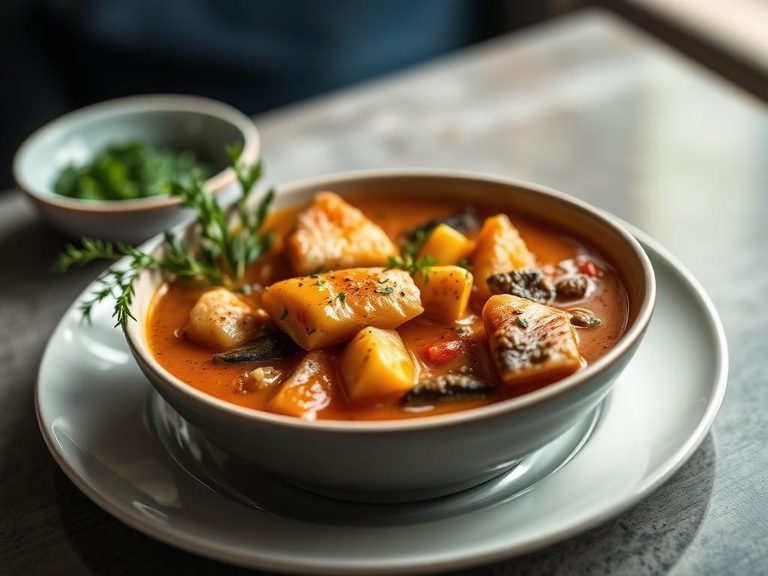
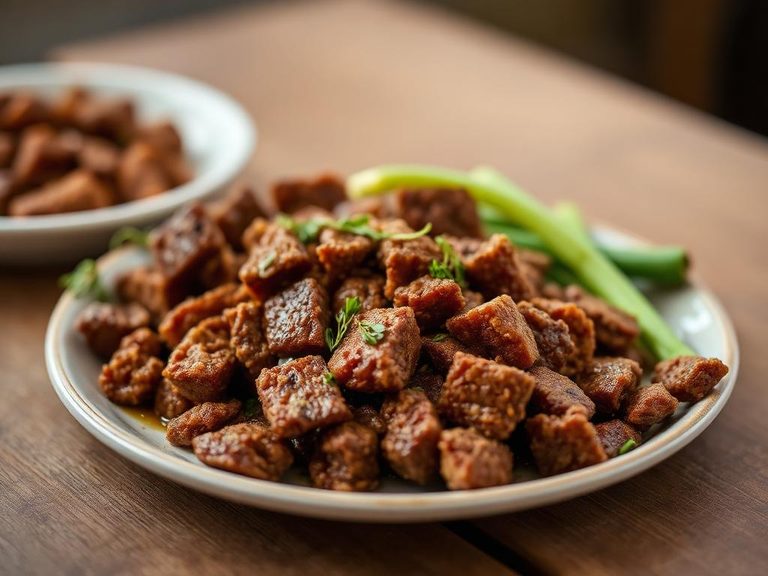
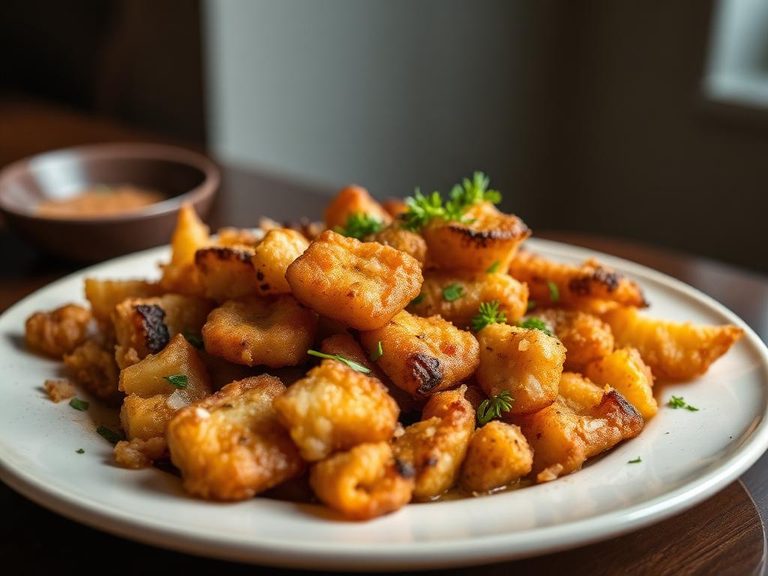
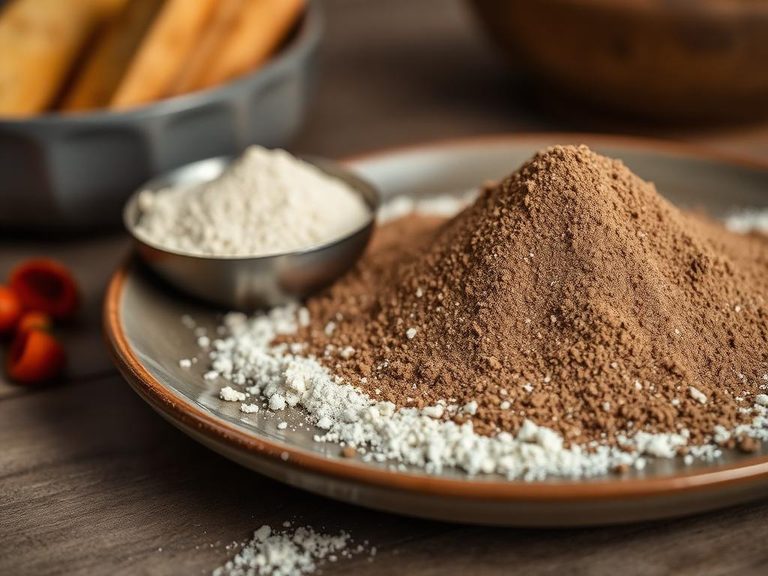
🌍 Where it's eaten
💡 Did you know?
The specific Shoshone Bannock preparation method often involved drying the trout on wooden racks over slow-burning fires, which infused the flesh with a subtle smokiness that is distinct from modern dehydrated fish.
Full nutrition (USDA data · scales with serving)
| Water | 6.5 g |
| Energy | 382 kcal |
| Energy | 1597 kj |
| Protein | 77.3 g |
| Total lipid (fat) | 8.1 g |
| Ash | 10.6 g |
| Carbohydrate, by difference | 0.00 g |
| Fiber, total dietary | 0.00 g |
| Total Sugars | 0.00 g |
| Sucrose | 0.00 g |
| Glucose | 0.00 g |
| Fructose | 0.00 g |
| Lactose | 0.00 g |
| Maltose | 0.00 g |
| Galactose | 0.00 g |
| Starch | 0.00 g |
| Calcium, Ca | 85.0 mg |
| Iron, Fe | 3.0 mg |
| Magnesium, Mg | 84.0 mg |
| Phosphorus, P | 976 mg |
| Potassium, K | 1720 mg |
| Sodium, Na | 2850 mg |
| Zinc, Zn | 1.8 mg |
| Copper, Cu | 0.22 mg |
| Manganese, Mn | 0.08 mg |
| Selenium, Se | 105 ug |
| Vitamin C, total ascorbic acid | 0.00 mg |
| Vitamin B-12 | 22.4 ug |
| Vitamin A, RAE | 64.0 ug |
| Retinol | 64.0 ug |
| Carotene, beta | 0.00 ug |
| Cryptoxanthin, beta | 0.00 ug |
| Vitamin A, IU | 213 iu |
| Lycopene | 0.00 ug |
| Lutein + zeaxanthin | 0.00 ug |
| Vitamin E (alpha-tocopherol) | 2.4 mg |
| Tocopherol, beta | 0.00 mg |
| Tocopherol, gamma | 0.05 mg |
| Tocopherol, delta | 0.00 mg |
| Tocotrienol, alpha | 0.00 mg |
| Tocotrienol, beta | 0.00 mg |
| Tocotrienol, gamma | 0.00 mg |
| Tocotrienol, delta | 0.00 mg |
| Vitamin D (D2 + D3), International Units | 628 iu |
| Vitamin D (D2 + D3) | 15.7 ug |
| Vitamin K (phylloquinone) | 0.00 ug |
| Vitamin K (Dihydrophylloquinone) | 0.00 ug |
| Vitamin K (Menaquinone-4) | 1.5 ug |
| Alcohol, ethyl | 0.00 g |
| Caffeine | 0.00 mg |
| Theobromine | 0.00 mg |
Fat & fatty acid profile (per 100g)
| Fatty acids, total saturated | 0.83 g |
| SFA 8:0 | 0.00 g |
| SFA 10:0 | 0.00 g |
| SFA 12:0 | 0.00 g |
| SFA 14:0 | 0.09 g |
| SFA 15:0 | 0.01 g |
| SFA 16:0 | 0.55 g |
| SFA 17:0 | 0.02 g |
| SFA 18:0 | 0.15 g |
| SFA 20:0 | 0.01 g |
| SFA 22:0 | 0.00 g |
| SFA 24:0 | 0.00 g |
| Fatty acids, total monounsaturated | 1.2 g |
| MUFA 14:1 | 0.01 g |
| MUFA 15:1 | 0.00 g |
| MUFA 16:1 | 0.16 g |
| MUFA 17:1 | 0.00 g |
| MUFA 18:1 | 0.86 g |
| MUFA 20:1 | 0.20 g |
| MUFA 22:1 | 0.00 g |
| MUFA 22:1 c | 0.00 g |
| Fatty acids, total polyunsaturated | 1.7 g |
| PUFA 18:2 | 0.06 g |
| PUFA 18:3 | 0.04 g |
| PUFA 18:3 n-3 c,c,c (ALA) | 0.04 g |
| PUFA 18:3 n-6 c,c,c | 0.00 g |
| PUFA 20:2 n-6 c,c | 0.03 g |
| PUFA 20:3 | 0.01 g |
| PUFA 20:4 | 0.05 g |
| PUFA 20:5 n-3 (EPA) | 0.27 g |
| PUFA 22:5 n-3 (DPA) | 0.21 g |
| PUFA 22:6 n-3 (DHA) | 1.1 g |
| Cholesterol | 227 mg |
FAQ
How do you rehydrate dried steelhead trout?
Soak the dried pieces in cold water for 2-4 hours, changing the water once or twice to reduce saltiness. It can then be added to stews, soups, or pan-fried with a little oil until heated through and slightly crispy.
Is this the same as regular dried salmon?
While similar, steelhead trout is an anadromous fish (like salmon) but is a distinct species. Traditional Shoshone Bannock preparation is a specific cultural method that may differ in seasoning and drying technique from commercial dried salmon.
What is the best way to store it?
For long-term storage, keep it in a cool, dark, and dry place in an airtight container. For shorter periods, refrigeration is fine. If it develops an off smell or slimy texture, discard it.
Nutrient density (calculated · NRF9.3)
Nutrient Rich Foods index: beneficial nutrients (protein, fiber, vitamins, minerals) minus saturated fat, added sugar & sodium, per 100 kcal.
NRF9.3 index — Fulgoni, Keast & Drewnowski, 2009. Computed from USDA nutrients.
Weight-loss friendliness (composite index)
Energy density 3.82 kcal/g · 81% calories from protein · 0.0 g fiber · 0.0 g sugar per 100 g.
Composite of energy density (Rolls et al., 1999), protein & fiber satiety, minus sugar. A calculated heuristic — ranks satiety-per-calorie, not a clinical measure.
Dietary load (calculated from USDA values)
Potential renal acid load. Positive = acid-forming, negative = alkaline-forming.
Sodium-to-potassium ratio: 1.66 (lower is better — aim for ≤ 1)
Sodium:potassium per WHO potassium guidance. Computed from USDA nutrients.