

Spinach, cooked, as ingredient
Common food
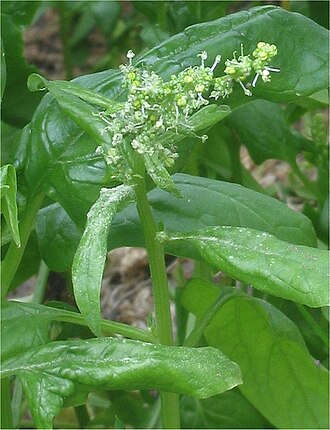
Photo: Wikipedia
Cooked spinach is a tender, deeply savory leafy green that wilts into a silky, concentrated mass, releasing an earthy, slightly mineral-rich flavor. Nutritionally, it's a powerhouse, delivering a significant amount of protein and fiber for its low calorie count, making it a nutrient-dense addition to countless dishes.
Calorie split: 42% protein · 38% carbs · 20% fat
↓ Full nutrition💚 Why it's loved
People love cooked spinach for its ability to seamlessly blend into dishes, adding a rich, earthy flavor and a silky texture without overpowering other ingredients. It's a culinary chameleon, beloved in everything from creamy dips to savory pastries, and is deeply embedded in comfort food traditions worldwide.
⚠️ Watch-outs & how to enjoy it better
Cooked spinach can be high in oxalates, which may contribute to kidney stones in susceptible individuals and can inhibit mineral absorption. To mitigate this, pair it with a source of calcium (like cheese or yogurt) and consider using the water it's cooked in for soups or sauces to retain leached nutrients, or opt for lower-oxalate greens like kale occasionally.
Key benefits
- Excellent source of plant-based protein and dietary fiber.
- Rich in vitamins A, C, and K, as well as minerals like iron and magnesium.
- Low in calories and carbohydrates, supporting weight management.
- Contains antioxidants like lutein and zeaxanthin, beneficial for eye health.
- Versatile ingredient that enhances the nutritional profile of many meals.
🍽️ Popular dishes

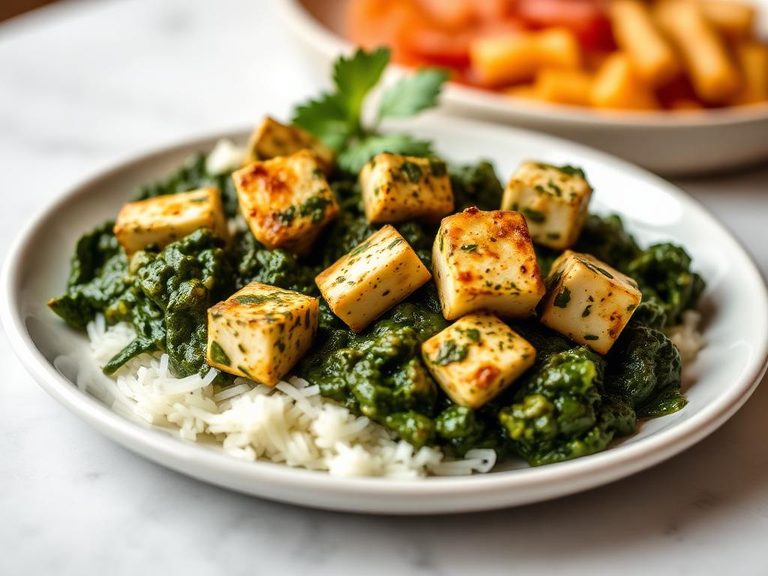
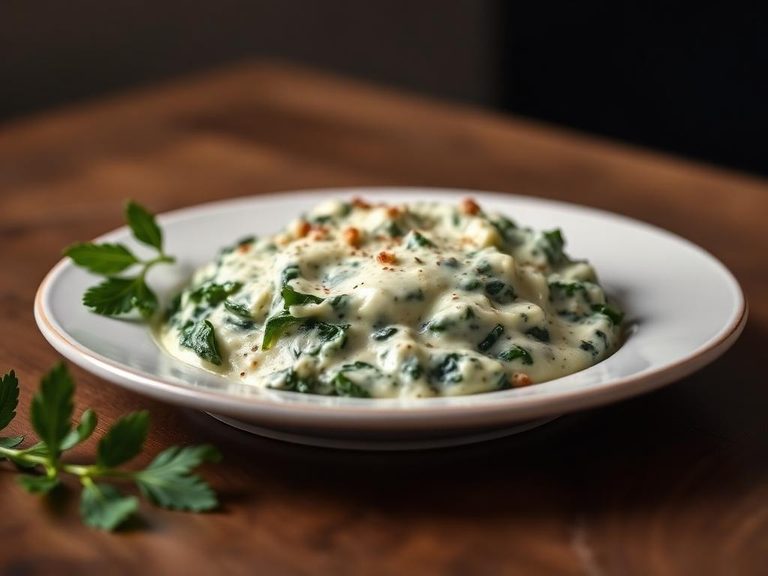
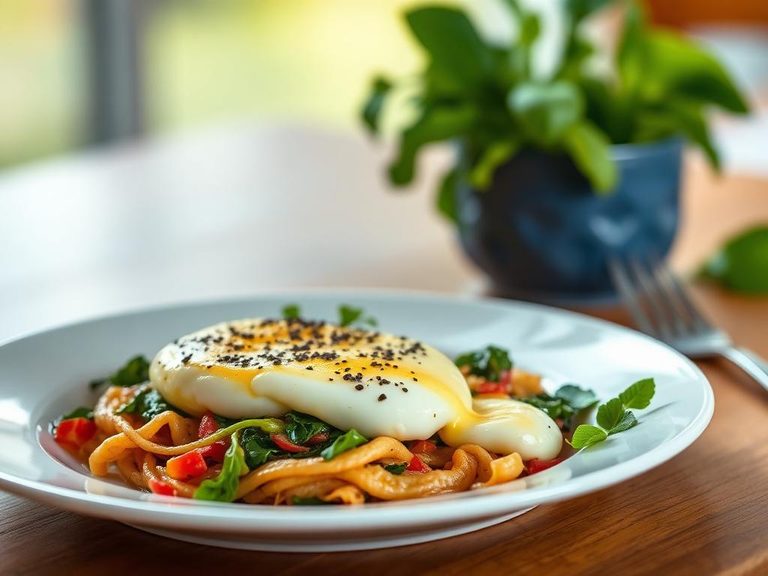
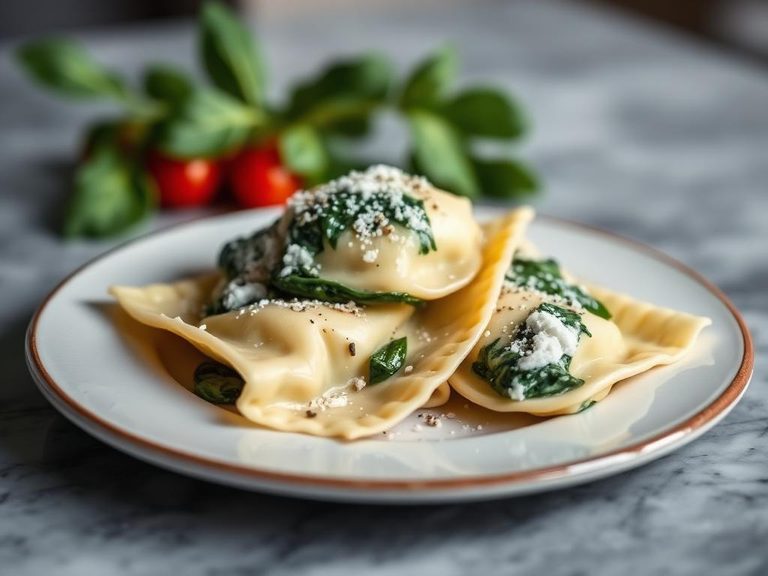
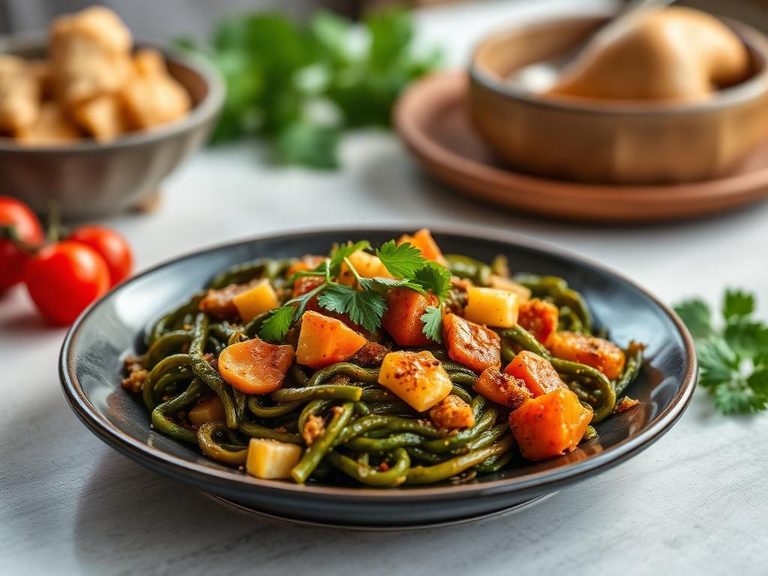
🌍 Where it's eaten
💡 Did you know?
The name 'spinach' derives from the Persian word 'isfānākh', and it was introduced to Europe by the Moors in Spain around the 12th century, becoming a staple in medieval and Renaissance cuisine.
Full nutrition (USDA data · scales with serving)
| Water | 91.1 g |
| Energy | 33.0 kcal |
| Protein | 3.4 g |
| Total lipid (fat) | 0.71 g |
| Carbohydrate, by difference | 3.1 g |
| Fiber, total dietary | 1.9 g |
| Total Sugars | 0.49 g |
| Calcium, Ca | 79.0 mg |
| Iron, Fe | 1.2 mg |
| Magnesium, Mg | 109 mg |
| Phosphorus, P | 48.0 mg |
| Potassium, K | 541 mg |
| Sodium, Na | 126 mg |
| Zinc, Zn | 0.49 mg |
| Copper, Cu | 0.09 mg |
| Selenium, Se | 0.00 ug |
| Vitamin C, total ascorbic acid | 25.0 mg |
| Thiamin | 0.08 mg |
| Riboflavin | 0.21 mg |
| Niacin | 0.57 mg |
| Vitamin B-6 | 0.24 mg |
| Folate, total | 100 ug |
| Folic acid | 0.00 ug |
| Folate, food | 100 ug |
| Folate, DFE | 100 ug |
| Choline, total | 22.7 mg |
| Vitamin B-12 | 0.00 ug |
| Vitamin B-12, added | 0.00 ug |
| Vitamin A, RAE | 342 ug |
| Retinol | 0.00 ug |
| Carotene, beta | 4101 ug |
| Carotene, alpha | 0.00 ug |
| Cryptoxanthin, beta | 11.0 ug |
| Lycopene | 0.00 ug |
| Lutein + zeaxanthin | 8850 ug |
| Vitamin E (alpha-tocopherol) | 2.4 mg |
| Vitamin E, added | 0.00 mg |
| Vitamin D (D2 + D3) | 0.00 ug |
| Vitamin K (phylloquinone) | 568 ug |
| Alcohol, ethyl | 0.00 g |
| Caffeine | 0.00 mg |
| Theobromine | 0.00 mg |
Fat & fatty acid profile (per 100g)
| Fatty acids, total saturated | 0.07 g |
| SFA 4:0 | 0.00 g |
| SFA 6:0 | 0.00 g |
| SFA 8:0 | 0.00 g |
| SFA 10:0 | 0.00 g |
| SFA 12:0 | 0.00 g |
| SFA 14:0 | 0.01 g |
| SFA 16:0 | 0.06 g |
| SFA 18:0 | 0.01 g |
| Fatty acids, total monounsaturated | 0.01 g |
| MUFA 16:1 | 0.01 g |
| MUFA 18:1 | 0.01 g |
| MUFA 20:1 | 0.00 g |
| MUFA 22:1 | 0.00 g |
| Fatty acids, total polyunsaturated | 0.19 g |
| PUFA 18:2 | 0.03 g |
| PUFA 18:3 | 0.16 g |
| PUFA 18:4 | 0.00 g |
| PUFA 20:4 | 0.00 g |
| PUFA 20:5 n-3 (EPA) | 0.00 g |
| PUFA 22:5 n-3 (DPA) | 0.00 g |
| PUFA 22:6 n-3 (DHA) | 0.00 g |
| Cholesterol | 0.00 mg |
Amino acid profile (per 100g)
Estimated from Babyfood, vegetables, spinach, creamed, strained — USDA does not publish this profile for Spinach.
| Tryptophan | 0.04 g |
| Threonine | 0.10 g |
| Isoleucine | 0.11 g |
| Leucine | 0.22 g |
| Lysine | 0.15 g |
| Methionine | 0.06 g |
| Cystine | 0.03 g |
| Phenylalanine | 0.10 g |
| Tyrosine | 0.12 g |
| Valine | 0.15 g |
| Arginine | 0.15 g |
| Histidine | 0.06 g |
| Alanine | 0.12 g |
| Aspartic acid | 0.20 g |
| Glutamic acid | 0.42 g |
| Glycine | 0.10 g |
| Proline | 0.21 g |
| Serine | 0.10 g |
FAQ
Is cooked spinach more nutritious than raw spinach?
Cooking spinach can reduce its volume significantly, making it easier to consume larger quantities of nutrients. It also breaks down oxalates, potentially improving mineral absorption, though some heat-sensitive vitamins like vitamin C may decrease.
How do I prevent cooked spinach from becoming watery?
Avoid overcooking; sauté quickly over high heat or steam until just wilted. You can also squeeze out excess moisture before adding it to dishes like quiches or fillings to prevent sogginess.
Can I freeze cooked spinach?
Yes, cooked spinach freezes well. Cool it completely, then store in airtight containers or freezer bags for up to 3 months. Thaw in the refrigerator or use directly in soups, stews, or sauces.
Nutrient density (calculated · NRF9.3)
Nutrient Rich Foods index: beneficial nutrients (protein, fiber, vitamins, minerals) minus saturated fat, added sugar & sodium, per 100 kcal.
NRF9.3 index — Fulgoni, Keast & Drewnowski, 2009. Computed from USDA nutrients.
Weight-loss friendliness (composite index)
Energy density 0.33 kcal/g · 41% calories from protein · 1.9 g fiber · 0.5 g sugar per 100 g.
Composite of energy density (Rolls et al., 1999), protein & fiber satiety, minus sugar. A calculated heuristic — ranks satiety-per-calorie, not a clinical measure.
Dietary load (calculated from USDA values)
Potential renal acid load. Positive = acid-forming, negative = alkaline-forming.
Sodium-to-potassium ratio: 0.23 (lower is better — aim for ≤ 1)
Sodium:potassium per WHO potassium guidance. Computed from USDA nutrients.