

Soup, stock, beef, home-prepared
Whole food · Soups, Sauces, and Gravies

Photo: Wikipedia
Beef stock is the deeply savory, aromatic liquid extracted by simmering beef bones, marrow, and aromatics for hours. It serves as the foundational 'liquid gold' of many cuisines, offering a rich umami flavor and a silky mouthfeel without significant calories. With nearly 2 grams of protein per 100g and minimal fat, it provides a light yet nutrient-dense base for soups, stews, and sauces.
Calorie split: 58% protein · 36% carbs · 6% fat
↓ Full nutrition💚 Why it's loved
People love it for its deep, savory umami flavor that adds complexity to any dish, and its remarkable versatility as a base for everything from simple soups to elaborate sauces. It holds a special place in culinary traditions worldwide, often passed down through generations as a secret to flavorful home cooking.
⚠️ Watch-outs & how to enjoy it better
The primary concern is often high sodium content, which can be problematic for those with hypertension or heart issues. To mitigate this, use low-sodium stock, dilute it with water, or pair it with potassium-rich vegetables like spinach or sweet potatoes. Additionally, some commercial stocks may contain allergens like celery or wheat, so always check labels if you have sensitivities.
Key benefits
- Provides essential amino acids for muscle repair and immune function
- Rich in minerals like calcium, magnesium, and phosphorus from bone extraction
- Low in calories and fat, making it a light base for nutrient-dense meals
- Contains collagen and gelatin which support joint and gut health
- Enhances the flavor of other dishes without adding excessive calories
🍽️ Popular dishes
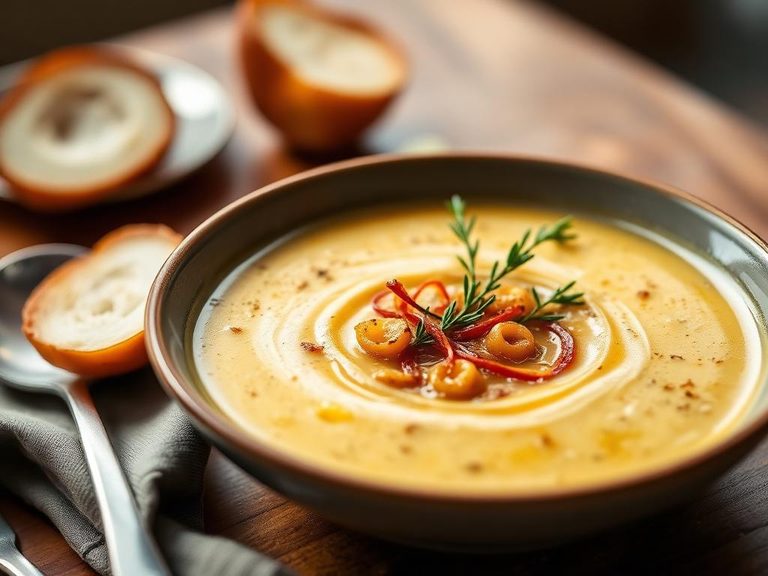
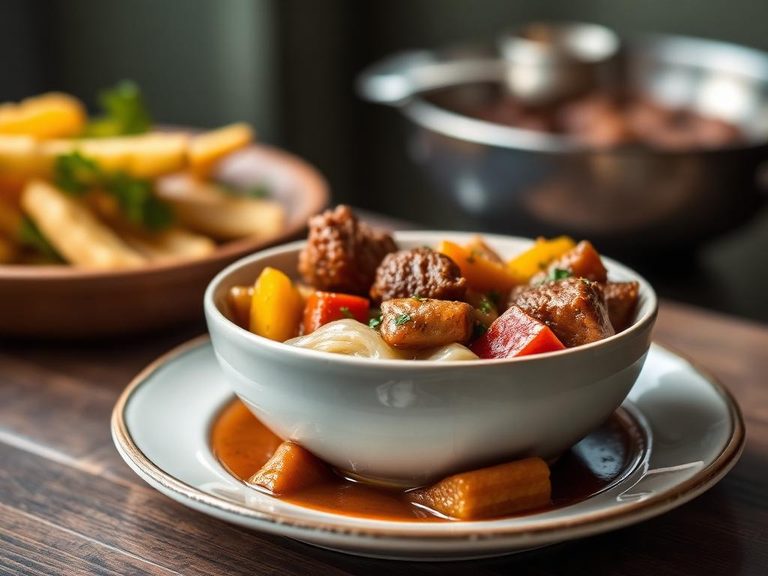
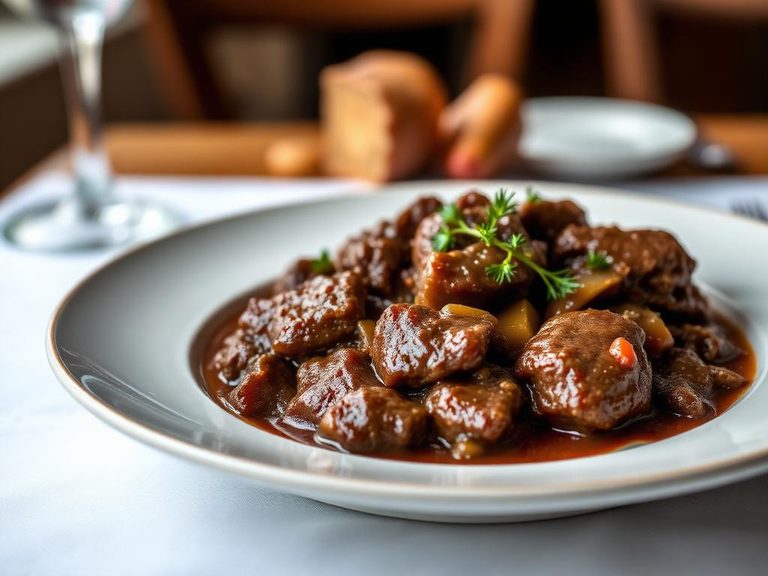
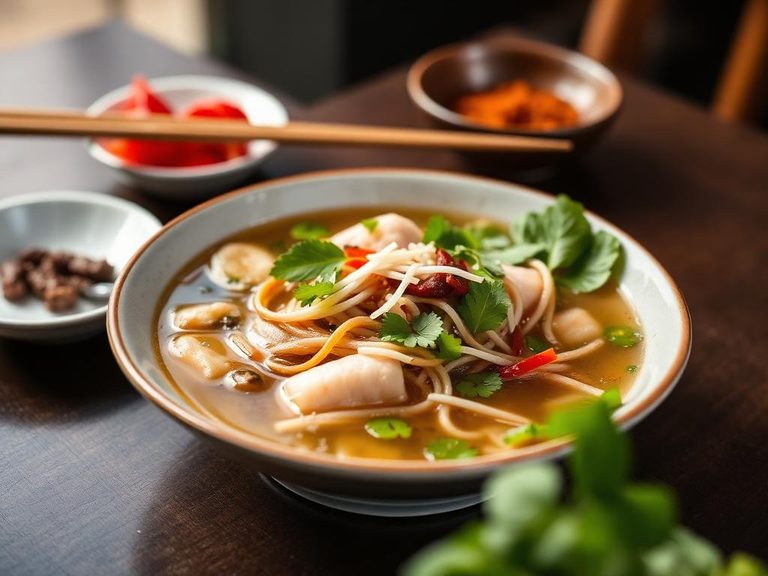
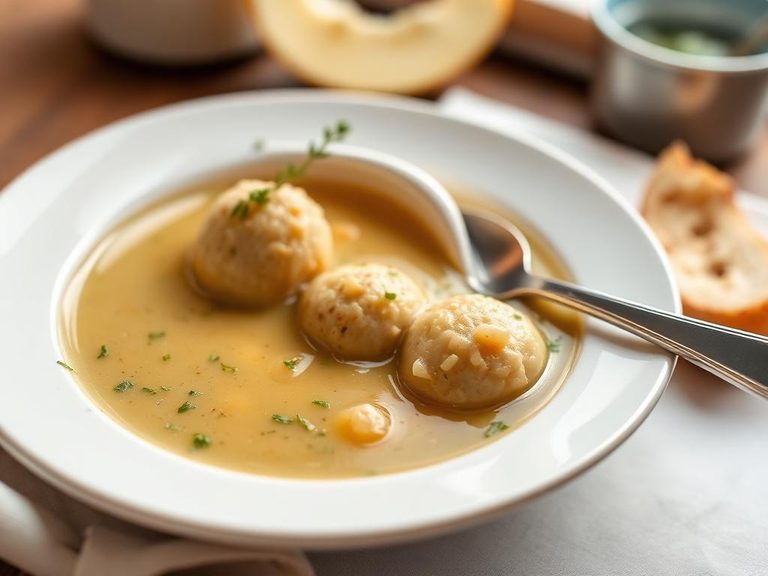
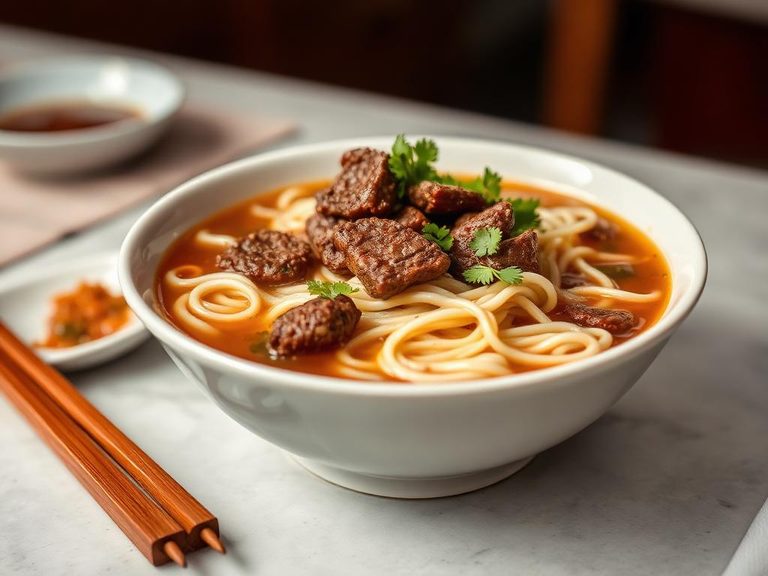
🌍 Where it's eaten
💡 Did you know?
The gelatin in properly made beef stock will cause it to jiggly set like Jell-O when chilled, a sign of its rich collagen content.
Full nutrition (USDA data · scales with serving)
| Water | 95.9 g |
| Energy | 13.0 kcal |
| Energy | 54.0 kj |
| Protein | 2.0 g |
| Total lipid (fat) | 0.09 g |
| Ash | 0.70 g |
| Carbohydrate, by difference | 1.2 g |
| Fiber, total dietary | 0.00 g |
| Total Sugars | 0.54 g |
| Calcium, Ca | 8.0 mg |
| Iron, Fe | 0.27 mg |
| Magnesium, Mg | 7.0 mg |
| Phosphorus, P | 31.0 mg |
| Potassium, K | 185 mg |
| Sodium, Na | 198 mg |
| Zinc, Zn | 0.17 mg |
| Copper, Cu | 0.05 mg |
| Selenium, Se | 1.2 ug |
| Vitamin C, total ascorbic acid | 0.00 mg |
| Thiamin | 0.03 mg |
| Riboflavin | 0.09 mg |
| Niacin | 0.87 mg |
| Vitamin B-6 | 0.06 mg |
| Folate, total | 2.0 ug |
| Folic acid | 0.00 ug |
| Folate, food | 2.0 ug |
| Folate, DFE | 2.0 ug |
| Choline, total | 4.8 mg |
| Vitamin B-12 | 0.00 ug |
| Vitamin B-12, added | 0.00 ug |
| Vitamin A, RAE | 0.00 ug |
| Retinol | 0.00 ug |
| Carotene, beta | 0.00 ug |
| Carotene, alpha | 0.00 ug |
| Cryptoxanthin, beta | 0.00 ug |
| Vitamin A, IU | 0.00 iu |
| Lycopene | 0.00 ug |
| Lutein + zeaxanthin | 1.0 ug |
| Vitamin E (alpha-tocopherol) | 0.01 mg |
| Vitamin E, added | 0.00 mg |
| Vitamin D (D2 + D3), International Units | 0.00 iu |
| Vitamin D (D2 + D3) | 0.00 ug |
| Vitamin K (phylloquinone) | 0.10 ug |
| Alcohol, ethyl | 0.00 g |
| Caffeine | 0.00 mg |
| Theobromine | 0.00 mg |
Fat & fatty acid profile (per 100g)
| Fatty acids, total saturated | 0.04 g |
| SFA 4:0 | 0.00 g |
| SFA 6:0 | 0.00 g |
| SFA 8:0 | 0.00 g |
| SFA 10:0 | 0.00 g |
| SFA 12:0 | 0.00 g |
| SFA 14:0 | 0.00 g |
| SFA 16:0 | 0.02 g |
| SFA 18:0 | 0.01 g |
| Fatty acids, total monounsaturated | 0.04 g |
| MUFA 16:1 | 0.00 g |
| MUFA 18:1 | 0.04 g |
| MUFA 20:1 | 0.00 g |
| MUFA 22:1 | 0.00 g |
| Fatty acids, total polyunsaturated | 0.01 g |
| PUFA 18:2 | 0.00 g |
| PUFA 18:3 | 0.00 g |
| PUFA 18:4 | 0.00 g |
| PUFA 20:4 | 0.00 g |
| PUFA 20:5 n-3 (EPA) | 0.00 g |
| PUFA 22:5 n-3 (DPA) | 0.00 g |
| PUFA 22:6 n-3 (DHA) | 0.00 g |
| Cholesterol | 0.00 mg |
Amino acid profile (per 100g)
Estimated from Soup, bean with pork, canned, condensed — USDA does not publish this profile for Soup.
| Tryptophan | 0.06 g |
| Threonine | 0.24 g |
| Isoleucine | 0.29 g |
| Leucine | 0.48 g |
| Lysine | 0.40 g |
| Methionine | 0.07 g |
| Cystine | 0.07 g |
| Phenylalanine | 0.33 g |
| Tyrosine | 0.18 g |
| Valine | 0.32 g |
| Arginine | 0.31 g |
| Histidine | 0.15 g |
| Alanine | 0.29 g |
| Aspartic acid | 0.66 g |
| Glutamic acid | 1.1 g |
| Glycine | 0.28 g |
| Proline | 0.27 g |
| Serine | 0.29 g |
FAQ
What is the difference between beef stock and beef broth?
Beef stock is typically made from simmering bones and connective tissue, resulting in a richer, more gelatinous liquid, while broth is made from meat and may be lighter in flavor and texture.
Can I use beef stock as a base for other soups?
Yes, beef stock is an excellent base for many soups, including vegetable, lentil, and noodle soups, adding depth and richness to the final dish.
How long can I store homemade beef stock?
Homemade beef stock can be stored in the refrigerator for 3-4 days or frozen for up to 3 months for best quality and safety.
Nutrient density (calculated · NRF9.3)
Nutrient Rich Foods index: beneficial nutrients (protein, fiber, vitamins, minerals) minus saturated fat, added sugar & sodium, per 100 kcal.
NRF9.3 index — Fulgoni, Keast & Drewnowski, 2009. Computed from USDA nutrients.
Weight-loss friendliness (composite index)
Energy density 0.13 kcal/g · 61% calories from protein · 0.0 g fiber · 0.5 g sugar per 100 g.
Composite of energy density (Rolls et al., 1999), protein & fiber satiety, minus sugar. A calculated heuristic — ranks satiety-per-calorie, not a clinical measure.
Dietary load (calculated from USDA values)
Potential renal acid load. Positive = acid-forming, negative = alkaline-forming.
Sodium-to-potassium ratio: 1.07 (lower is better — aim for ≤ 1)
Sodium:potassium per WHO potassium guidance. Computed from USDA nutrients.