

Schar, Gluten-Free, Wheat-Free, Classic White Bread
Whole food · Baked Products
Schar Classic White Bread is a light, airy, and soft gluten-free loaf with a mild, slightly sweet flavor and a tender, non-crumbly texture that closely mimics traditional wheat bread. It's a staple for those avoiding gluten, offering a surprisingly satisfying bite. Nutritionally, it's a moderate source of carbohydrates and provides a decent amount of dietary fiber per serving.
Calorie split: 6% protein · 77% carbs · 17% fat
↓ Full nutrition💚 Why it's loved
People love it for its remarkably close texture and taste to conventional white bread, making it a comforting and reliable staple for those with celiac disease or gluten sensitivity. Its mild flavor makes it an excellent blank canvas for everything from morning toast to elaborate sandwiches.
⚠️ Watch-outs & how to enjoy it better
As a refined carbohydrate product, it can cause rapid blood-sugar spikes if eaten alone, and its gluten-free formulation may be higher in sodium than some traditional breads. To counteract this, pair it with protein (like eggs or nut butter) or healthy fats (avocado, cheese) to slow digestion, and be mindful of portion size.
Key benefits
- Certified gluten-free and wheat-free
- Good source of dietary fiber
- Low in sugar
- Provides a familiar bread experience for restricted diets
- Versatile for both sweet and savory applications
🍽️ Popular dishes
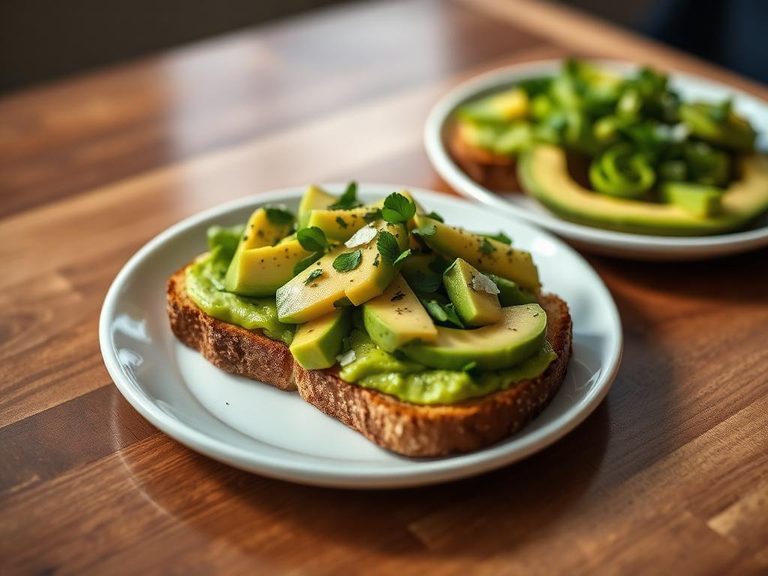


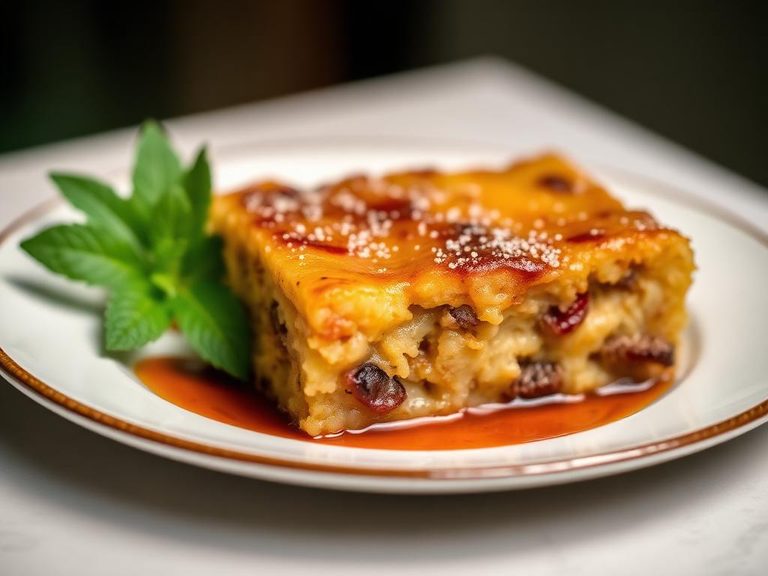
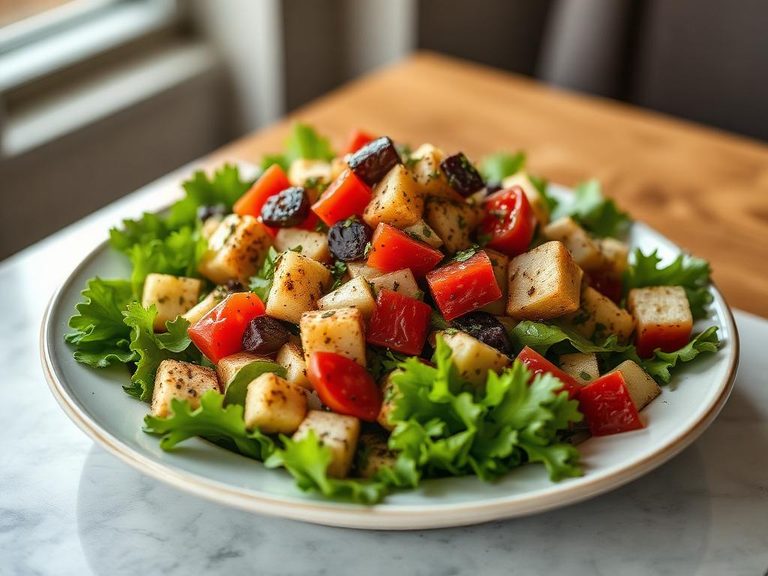

🌍 Where it's eaten
💡 Did you know?
Schar, the company behind this bread, was founded in 1922 in South Tyrol, Italy, making it one of the oldest and most established gluten-free brands in the world.
Full nutrition (USDA data · scales with serving)
| Water | 43.9 g |
| Energy | 240 kcal |
| Energy | 1004 kj |
| Protein | 3.8 g |
| Total lipid (fat) | 4.5 g |
| Ash | 1.7 g |
| Carbohydrate, by difference | 46.1 g |
| Fiber, total dietary | 5.1 g |
| Total Sugars | 3.3 g |
| Sucrose | 0.00 g |
| Glucose | 1.0 g |
| Fructose | 0.79 g |
| Lactose | 0.00 g |
| Maltose | 1.5 g |
| Galactose | 0.00 g |
| Starch | 32.7 g |
| Calcium, Ca | 159 mg |
| Iron, Fe | 3.2 mg |
| Magnesium, Mg | 11.0 mg |
| Phosphorus, P | 55.0 mg |
| Potassium, K | 66.0 mg |
| Sodium, Na | 441 mg |
| Zinc, Zn | 0.47 mg |
| Copper, Cu | 0.09 mg |
| Manganese, Mn | 0.18 mg |
| Selenium, Se | 0.40 ug |
| Thiamin | 0.51 mg |
| Riboflavin | 0.51 mg |
| Niacin | 3.4 mg |
| Vitamin B-6 | 0.04 mg |
| Folate, total | 15.0 ug |
| Folate, food | 15.0 ug |
Fat & fatty acid profile (per 100g)
| Fatty acids, total saturated | 0.98 g |
| SFA 4:0 | 0.00 g |
| SFA 6:0 | 0.00 g |
| SFA 8:0 | 0.02 g |
| SFA 10:0 | 0.02 g |
| SFA 12:0 | 0.01 g |
| SFA 14:0 | 0.04 g |
| SFA 15:0 | 0.00 g |
| SFA 16:0 | 0.71 g |
| SFA 17:0 | 0.01 g |
| SFA 18:0 | 0.15 g |
| SFA 20:0 | 0.01 g |
| SFA 22:0 | 0.00 g |
| SFA 24:0 | 0.00 g |
| Fatty acids, total monounsaturated | 2.0 g |
| MUFA 14:1 | 0.00 g |
| MUFA 15:1 | 0.72 g |
| MUFA 16:1 | 0.01 g |
| MUFA 16:1 c | 0.01 g |
| MUFA 17:1 | 0.00 g |
| MUFA 18:1 | 1.3 g |
| MUFA 18:1 c | 1.3 g |
| MUFA 20:1 | 0.01 g |
| MUFA 22:1 | 0.00 g |
| MUFA 22:1 c | 0.00 g |
| MUFA 24:1 c | 0.00 g |
| Fatty acids, total polyunsaturated | 0.52 g |
| PUFA 18:2 | 0.50 g |
| PUFA 18:2 n-6 c,c | 0.49 g |
| PUFA 18:2 CLAs | 0.00 g |
| PUFA 18:3 | 0.01 g |
| PUFA 18:3 n-3 c,c,c (ALA) | 0.01 g |
| PUFA 18:3 n-6 c,c,c | 0.00 g |
| PUFA 18:3i | 0.00 g |
| PUFA 18:4 | 0.00 g |
| PUFA 20:2 n-6 c,c | 0.00 g |
| PUFA 20:3 | 0.00 g |
| PUFA 20:3 n-3 | 0.00 g |
| PUFA 20:3 n-6 | 0.00 g |
| PUFA 20:4 | 0.00 g |
| PUFA 20:5 n-3 (EPA) | 0.00 g |
| PUFA 22:4 | 0.00 g |
| PUFA 22:5 n-3 (DPA) | 0.00 g |
| PUFA 22:6 n-3 (DHA) | 0.00 g |
| Fatty acids, total trans | 0.01 g |
| Fatty acids, total trans-monoenoic | 0.00 g |
| TFA 16:1 t | 0.00 g |
| TFA 18:1 t | 0.00 g |
| TFA 22:1 t | 0.00 g |
| TFA 18:2 t not further defined | 0.01 g |
| Fatty acids, total trans-polyenoic | 0.01 g |
FAQ
Is this bread suitable for a keto diet?
No, it is not. With over 46g of carbohydrates per 100g, it is far too high in carbs for a standard ketogenic diet.
Does it contain common allergens besides wheat?
Yes. While wheat-free, it typically contains other allergens like corn, rice, and soy. Always check the specific packaging for the full allergen list.
How does the nutrition compare to regular white bread?
It is generally similar in calories and carbs but is often slightly higher in fiber and may contain more sodium. Its key difference is the absence of gluten and wheat proteins.
Nutrient density (calculated · NRF9.3)
Nutrient Rich Foods index: beneficial nutrients (protein, fiber, vitamins, minerals) minus saturated fat, added sugar & sodium, per 100 kcal.
NRF9.3 index — Fulgoni, Keast & Drewnowski, 2009. Computed from USDA nutrients.
Weight-loss friendliness (composite index)
Energy density 2.40 kcal/g · 6% calories from protein · 5.1 g fiber · 3.3 g sugar per 100 g.
Composite of energy density (Rolls et al., 1999), protein & fiber satiety, minus sugar. A calculated heuristic — ranks satiety-per-calorie, not a clinical measure.
Dietary load (calculated from USDA values)
Potential renal acid load. Positive = acid-forming, negative = alkaline-forming.
Sodium-to-potassium ratio: 6.68 (lower is better — aim for ≤ 1)
Sodium:potassium per WHO potassium guidance. Computed from USDA nutrients.