

Schar, Gluten-Free, Classic White Rolls
Whole food · Baked Products
Schar's Classic White Rolls are a light, airy, and certified gluten-free bread option, designed to mimic the soft, pillowy texture of a traditional wheat roll. Nutritionally, they are a source of fiber and are relatively low in fat, making them a straightforward choice for those avoiding gluten. Their mild, neutral flavor serves as a versatile base for both sweet and savory toppings.
Calorie split: 6% protein · 84% carbs · 10% fat
↓ Full nutrition💚 Why it's loved
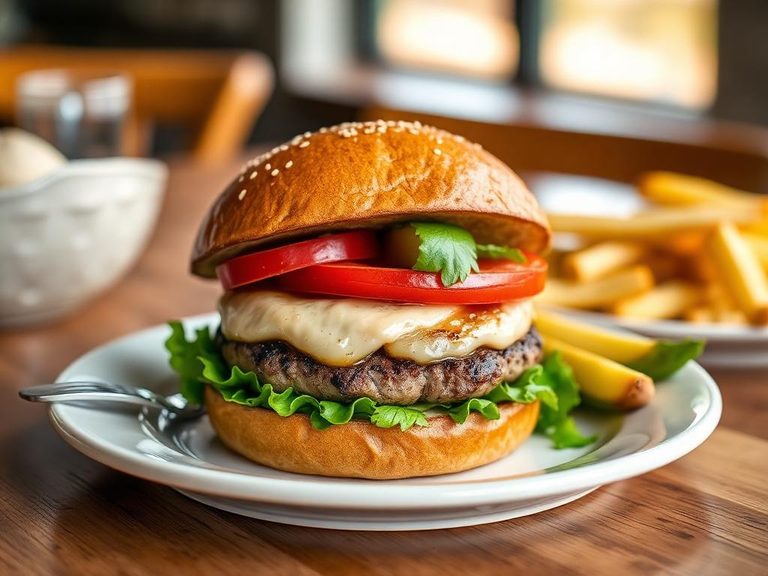
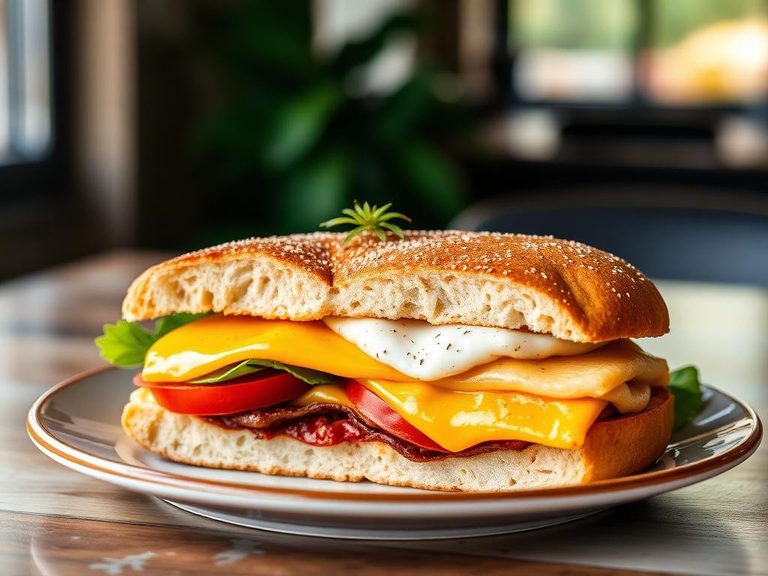
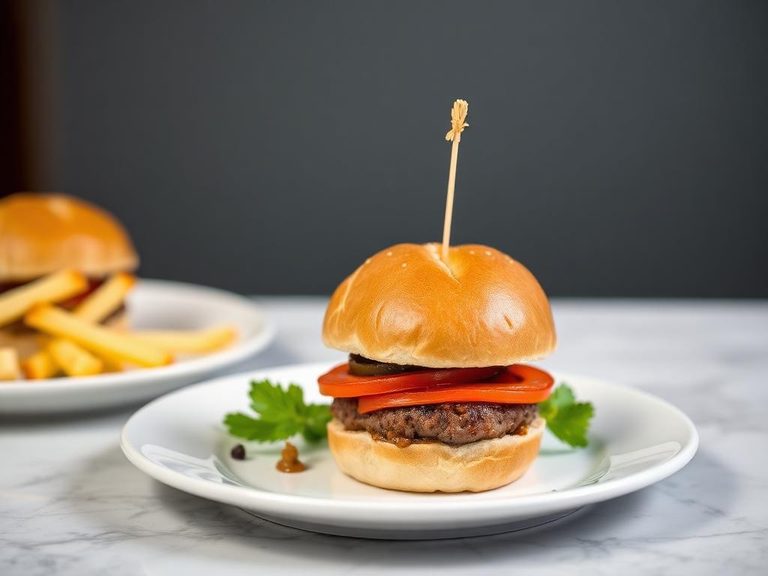
People love these rolls for their remarkably soft and authentic bread-like texture, which can be hard to find in gluten-free baking. They are cherished for their versatility, serving as a reliable foundation for everything from a classic burger to a simple breakfast sandwich, helping to restore a sense of normalcy to meals.
⚠️ Watch-outs & how to enjoy it better
As a refined carbohydrate product, they can cause rapid blood sugar spikes, especially when eaten alone. Those monitoring blood sugar should pair them with protein or healthy fats (like avocado or turkey) and be mindful of portion size. The ingredient list often includes potato starch and corn starch, which some may wish to limit.
Key benefits
- Certified gluten-free, safe for celiac disease and gluten sensitivity
- Good source of dietary fiber (5.1g per 100g)
- Low in fat (2.65g per 100g)
- Provides a familiar, convenient bread format for gluten-free diets
- Neutral flavor profile for versatile meal use
🍽️ Popular dishes
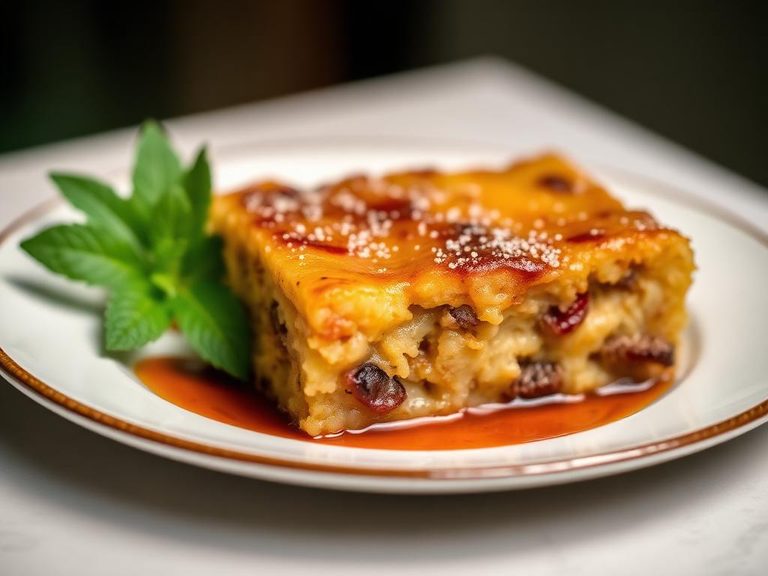
🌍 Where it's eaten
💡 Did you know?
Schar, the brand behind these rolls, was founded in 1922 in South Tyrol, Italy, making it one of the oldest and most established gluten-free food companies in the world.
Full nutrition (USDA data · scales with serving)
| Water | 42.0 g |
| Energy | 239 kcal |
| Energy | 1000 kj |
| Protein | 3.3 g |
| Total lipid (fat) | 2.6 g |
| Ash | 1.5 g |
| Carbohydrate, by difference | 50.5 g |
| Fiber, total dietary | 5.1 g |
| Total Sugars | 6.9 g |
| Sucrose | 0.00 g |
| Glucose | 2.1 g |
| Fructose | 2.1 g |
| Lactose | 0.00 g |
| Maltose | 2.7 g |
| Galactose | 0.00 g |
| Starch | 32.0 g |
| Calcium, Ca | 180 mg |
| Iron, Fe | 3.6 mg |
| Magnesium, Mg | 13.0 mg |
| Phosphorus, P | 50.0 mg |
| Potassium, K | 76.0 mg |
| Sodium, Na | 593 mg |
| Zinc, Zn | 0.56 mg |
| Copper, Cu | 0.10 mg |
| Manganese, Mn | 0.21 mg |
| Selenium, Se | 0.40 ug |
| Thiamin | 0.61 mg |
| Riboflavin | 0.48 mg |
| Niacin | 3.9 mg |
| Vitamin B-6 | 0.04 mg |
| Folate, total | 8.0 ug |
| Folate, food | 8.0 ug |
Fat & fatty acid profile (per 100g)
| Fatty acids, total saturated | 0.21 g |
| SFA 4:0 | 0.00 g |
| SFA 6:0 | 0.00 g |
| SFA 8:0 | 0.00 g |
| SFA 10:0 | 0.00 g |
| SFA 12:0 | 0.00 g |
| SFA 14:0 | 0.01 g |
| SFA 15:0 | 0.00 g |
| SFA 16:0 | 0.10 g |
| SFA 17:0 | 0.00 g |
| SFA 18:0 | 0.07 g |
| SFA 20:0 | 0.01 g |
| SFA 22:0 | 0.01 g |
| SFA 24:0 | 0.01 g |
| Fatty acids, total monounsaturated | 1.4 g |
| MUFA 14:1 | 0.00 g |
| MUFA 15:1 | 0.10 g |
| MUFA 16:1 | 0.01 g |
| MUFA 16:1 c | 0.01 g |
| MUFA 17:1 | 0.00 g |
| MUFA 18:1 | 1.2 g |
| MUFA 18:1 c | 1.2 g |
| MUFA 20:1 | 0.01 g |
| MUFA 22:1 | 0.00 g |
| MUFA 22:1 c | 0.00 g |
| MUFA 24:1 c | 0.00 g |
| Fatty acids, total polyunsaturated | 0.64 g |
| PUFA 18:2 | 0.61 g |
| PUFA 18:2 n-6 c,c | 0.61 g |
| PUFA 18:2 CLAs | 0.00 g |
| PUFA 18:3 | 0.02 g |
| PUFA 18:3 n-3 c,c,c (ALA) | 0.02 g |
| PUFA 18:3 n-6 c,c,c | 0.00 g |
| PUFA 18:3i | 0.00 g |
| PUFA 18:4 | 0.00 g |
| PUFA 20:2 n-6 c,c | 0.00 g |
| PUFA 20:3 | 0.00 g |
| PUFA 20:3 n-3 | 0.00 g |
| PUFA 20:3 n-6 | 0.00 g |
| PUFA 20:4 | 0.00 g |
| PUFA 20:5 n-3 (EPA) | 0.00 g |
| PUFA 22:4 | 0.00 g |
| PUFA 22:5 n-3 (DPA) | 0.00 g |
| PUFA 22:6 n-3 (DHA) | 0.00 g |
| Fatty acids, total trans | 0.01 g |
| Fatty acids, total trans-monoenoic | 0.01 g |
| TFA 16:1 t | 0.00 g |
| TFA 18:1 t | 0.01 g |
| TFA 22:1 t | 0.00 g |
| TFA 18:2 t not further defined | 0.00 g |
| Fatty acids, total trans-polyenoic | 0.00 g |
FAQ
Are these rolls suitable for a keto diet?
No. With approximately 50.47g of carbohydrates per 100g, these rolls are too high in carbs for a standard ketogenic diet.
How should I store them to maintain freshness?
For optimal texture, store in a cool, dry place in their original packaging. Once opened, you can transfer them to an airtight container or resealable bag. Freezing is also recommended for longer-term storage.
What are the main ingredients besides gluten-free flour?
The primary ingredients typically include water, corn starch, potato starch, rapeseed oil, and sugar. They also contain thickeners like hydroxypropyl methylcellulose to improve texture.
Nutrient density (calculated · NRF9.3)
Nutrient Rich Foods index: beneficial nutrients (protein, fiber, vitamins, minerals) minus saturated fat, added sugar & sodium, per 100 kcal.
NRF9.3 index — Fulgoni, Keast & Drewnowski, 2009. Computed from USDA nutrients.
Weight-loss friendliness (composite index)
Energy density 2.39 kcal/g · 6% calories from protein · 5.1 g fiber · 6.9 g sugar per 100 g.
Composite of energy density (Rolls et al., 1999), protein & fiber satiety, minus sugar. A calculated heuristic — ranks satiety-per-calorie, not a clinical measure.
Dietary load (calculated from USDA values)
Potential renal acid load. Positive = acid-forming, negative = alkaline-forming.
Sodium-to-potassium ratio: 7.80 (lower is better — aim for ≤ 1)
Sodium:potassium per WHO potassium guidance. Computed from USDA nutrients.