

Sauce, tartar, ready-to-serve
Whole food · Soups, Sauces, and Gravies

Photo: Wikipedia
Tartar sauce is a creamy, tangy condiment made from mayonnaise, pickled cucumbers (gherkins), capers, and herbs like dill or parsley. It has a thick, rich texture with a bright, acidic bite from the pickles and lemon juice, cutting through the richness of fried foods. Nutritionally, it is a high-fat, high-calorie condiment, with nearly all its calories coming from fat, and contains a small amount of sugar from the pickles and added ingredients.
Calorie split: 2% protein · 26% carbs · 72% fat
↓ Full nutrition💚 Why it's loved
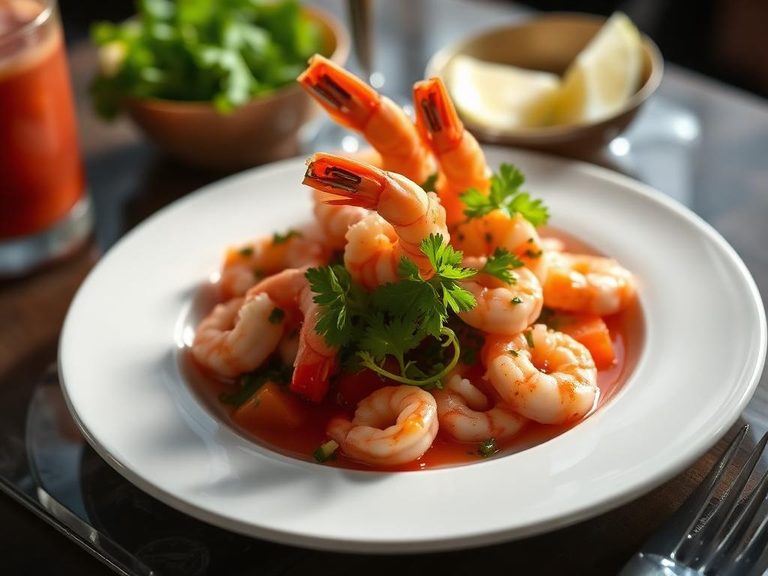
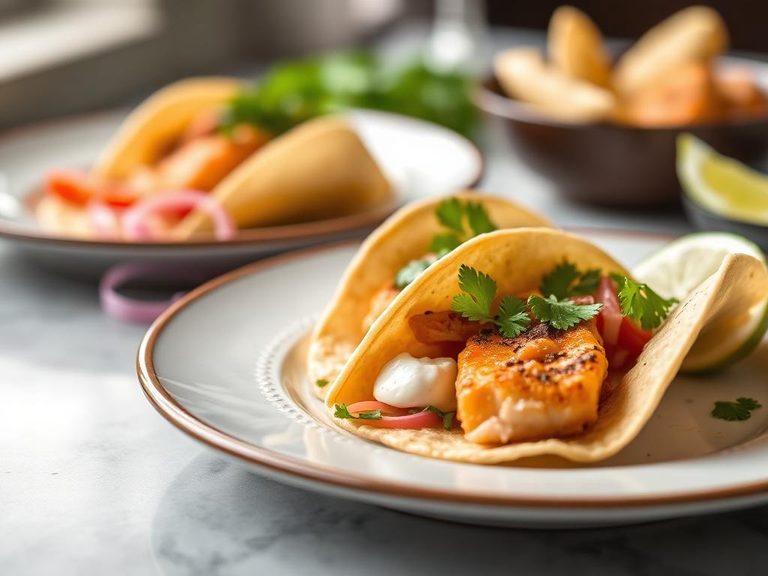
People love tartar sauce for its creamy, tangy, and slightly sweet flavor that perfectly complements fried fish, seafood, and chips. It's a beloved classic in many cuisines, especially in British and American diner culture, where it's seen as the essential pairing for fish and chips.
⚠️ Watch-outs & how to enjoy it better
The high fat and calorie content can be a downside for those monitoring their intake, and the added sugar (4.25g per 100g) can contribute to blood sugar spikes if consumed in large amounts. To counteract, use it sparingly (1-2 tablespoons per serving) and pair it with a protein-rich dish like grilled fish or a fiber-rich side like steamed vegetables to slow sugar absorption. It also contains common allergens like eggs and sometimes fish-based ingredients, so check labels for specific sensitivities.
Key benefits
- Adds significant flavor and moisture to fried or grilled dishes
- Provides a tangy contrast that can balance rich, fatty foods
- Contains small amounts of vitamin K from herbs and pickles
- Offers a quick, ready-to-serve flavor boost for simple meals
- Can be a source of probiotics if made with fermented pickles
🍽️ Popular dishes
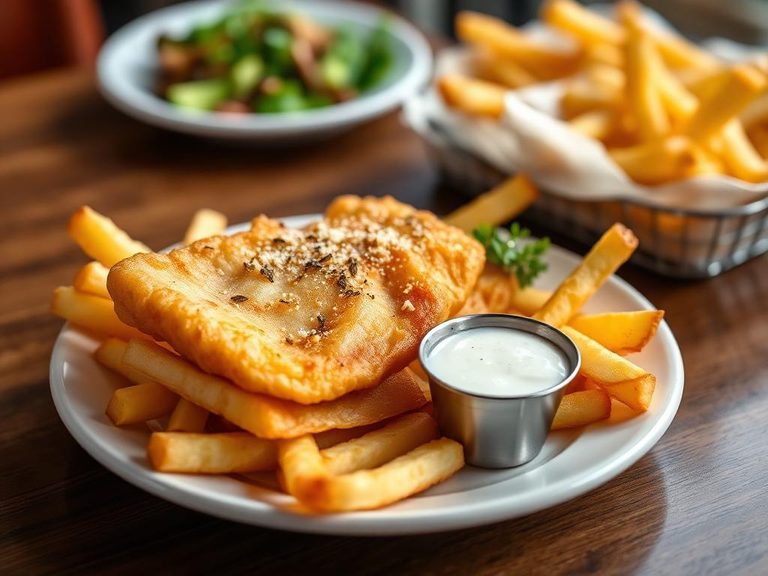
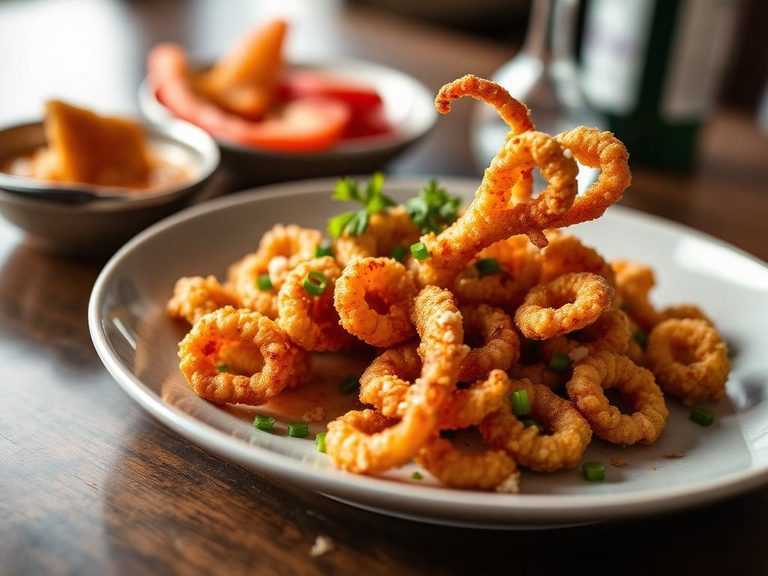
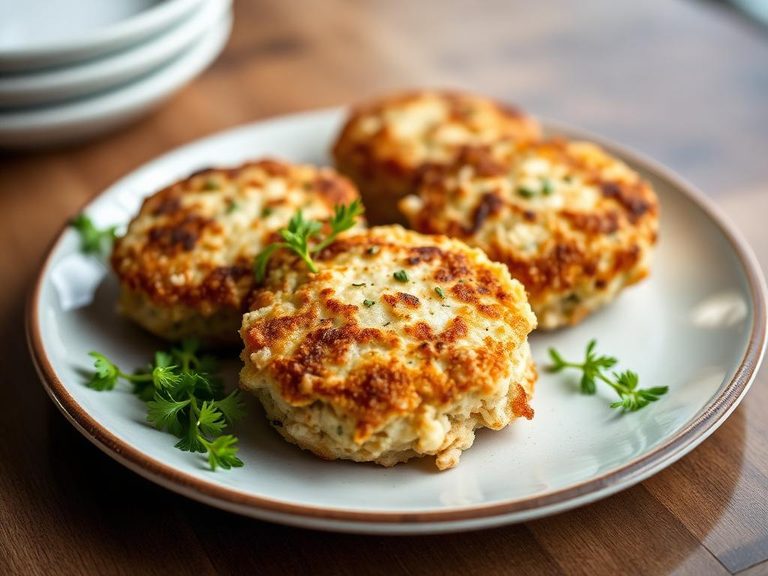
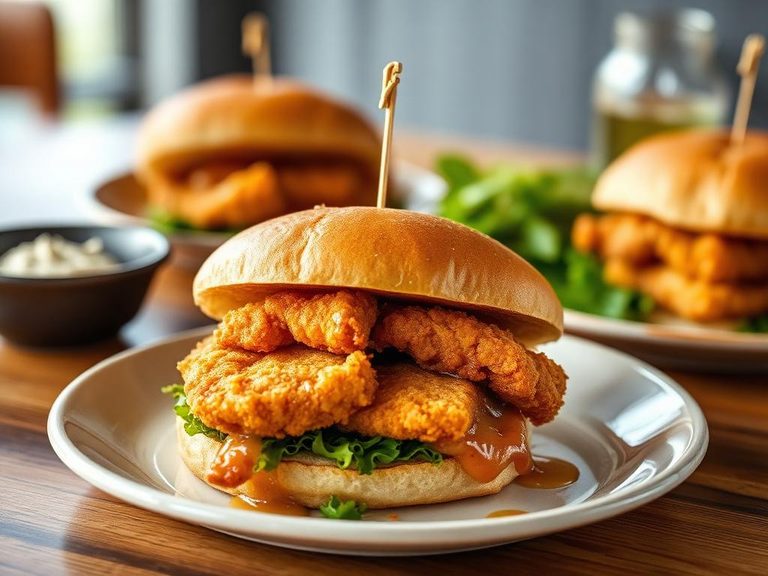
🌍 Where it's eaten
💡 Did you know?
The name 'tartar' likely comes from the French 'sauce tartare,' which originally referred to a raw egg yolk and mustard sauce, not the Tatar people of Central Asia. The modern version with pickles and mayonnaise evolved in the 19th century as a condiment for fried fish in Europe.
Full nutrition (USDA data · scales with serving)
| Water | 67.0 g |
| Energy | 211 kcal |
| Energy | 883 kj |
| Protein | 1.0 g |
| Total lipid (fat) | 16.7 g |
| Ash | 2.0 g |
| Carbohydrate, by difference | 13.3 g |
| Fiber, total dietary | 0.50 g |
| Total Sugars | 4.3 g |
| Calcium, Ca | 26.0 mg |
| Iron, Fe | 0.25 mg |
| Magnesium, Mg | 6.0 mg |
| Phosphorus, P | 17.0 mg |
| Potassium, K | 68.0 mg |
| Sodium, Na | 667 mg |
| Zinc, Zn | 0.12 mg |
| Copper, Cu | 0.02 mg |
| Manganese, Mn | 0.11 mg |
| Selenium, Se | 0.90 ug |
| Vitamin C, total ascorbic acid | 2.3 mg |
| Thiamin | 0.02 mg |
| Riboflavin | 0.03 mg |
| Niacin | 0.09 mg |
| Pantothenic acid | 0.07 mg |
| Vitamin B-6 | 0.04 mg |
| Folate, total | 5.0 ug |
| Folic acid | 0.00 ug |
| Folate, food | 5.0 ug |
| Folate, DFE | 5.0 ug |
| Choline, total | 8.0 mg |
| Vitamin B-12 | 0.02 ug |
| Vitamin B-12, added | 0.00 ug |
| Vitamin A, RAE | 11.0 ug |
| Retinol | 3.0 ug |
| Carotene, beta | 67.0 ug |
| Carotene, alpha | 15.0 ug |
| Cryptoxanthin, beta | 35.0 ug |
| Vitamin A, IU | 165 iu |
| Lycopene | 0.00 ug |
| Lutein + zeaxanthin | 55.0 ug |
| Vitamin E (alpha-tocopherol) | 1.7 mg |
| Vitamin E, added | 0.00 mg |
| Vitamin D (D2 + D3), International Units | 2.0 iu |
| Vitamin D (D2 + D3) | 0.00 ug |
| Vitamin K (phylloquinone) | 50.4 ug |
| Alcohol, ethyl | 0.00 g |
| Caffeine | 0.00 mg |
| Theobromine | 0.00 mg |
Fat & fatty acid profile (per 100g)
| Fatty acids, total saturated | 3.3 g |
| SFA 4:0 | 0.00 g |
| SFA 6:0 | 0.00 g |
| SFA 8:0 | 0.00 g |
| SFA 10:0 | 0.00 g |
| SFA 12:0 | 0.00 g |
| SFA 14:0 | 0.00 g |
| SFA 16:0 | 2.2 g |
| SFA 18:0 | 0.94 g |
| Fatty acids, total monounsaturated | 3.6 g |
| MUFA 16:1 | 0.00 g |
| MUFA 18:1 | 3.6 g |
| MUFA 20:1 | 0.04 g |
| MUFA 22:1 | 0.00 g |
| Fatty acids, total polyunsaturated | 9.0 g |
| PUFA 18:2 | 8.0 g |
| PUFA 18:3 | 1.1 g |
| PUFA 18:4 | 0.00 g |
| PUFA 20:4 | 0.00 g |
| PUFA 20:5 n-3 (EPA) | 0.00 g |
| PUFA 22:5 n-3 (DPA) | 0.00 g |
| PUFA 22:6 n-3 (DHA) | 0.01 g |
| Cholesterol | 7.0 mg |
Amino acid profile (per 100g)
Estimated from Sauce, homemade, white, medium — USDA does not publish this profile for Sauce.
| Tryptophan | 0.04 g |
| Threonine | 0.14 g |
| Isoleucine | 0.19 g |
| Leucine | 0.30 g |
| Lysine | 0.24 g |
| Methionine | 0.08 g |
| Cystine | 0.03 g |
| Phenylalanine | 0.15 g |
| Tyrosine | 0.15 g |
| Valine | 0.20 g |
| Arginine | 0.11 g |
| Histidine | 0.08 g |
| Alanine | 0.10 g |
| Aspartic acid | 0.23 g |
| Glutamic acid | 0.64 g |
| Glycine | 0.07 g |
| Proline | 0.30 g |
| Serine | 0.17 g |
FAQ
Is tartar sauce healthy?
Tartar sauce is high in fat and calories, with about 211 kcal per 100g, and contains added sugar. It's best enjoyed in moderation as a flavor enhancer rather than a primary food source.
Can I make tartar sauce at home?
Yes, you can make it by mixing mayonnaise, chopped pickles, capers, lemon juice, and herbs like dill or parsley. Homemade versions allow you to control sugar and fat content.
What is the best way to use tartar sauce?
It's ideal with fried or grilled fish, seafood, and chips. Use it as a dip or spread, but keep portions small to avoid excess calorie intake.
Does tartar sauce contain allergens?
Yes, it typically contains eggs (from mayonnaise) and sometimes fish-based ingredients. Always check labels for specific allergens if you have sensitivities.
Nutrient density (calculated · NRF9.3)
Nutrient Rich Foods index: beneficial nutrients (protein, fiber, vitamins, minerals) minus saturated fat, added sugar & sodium, per 100 kcal.
NRF9.3 index — Fulgoni, Keast & Drewnowski, 2009. Computed from USDA nutrients.
Weight-loss friendliness (composite index)
Energy density 2.11 kcal/g · 2% calories from protein · 0.5 g fiber · 4.3 g sugar per 100 g.
Composite of energy density (Rolls et al., 1999), protein & fiber satiety, minus sugar. A calculated heuristic — ranks satiety-per-calorie, not a clinical measure.
Dietary load (calculated from USDA values)
Potential renal acid load. Positive = acid-forming, negative = alkaline-forming.
Sodium-to-potassium ratio: 9.81 (lower is better — aim for ≤ 1)
Sodium:potassium per WHO potassium guidance. Computed from USDA nutrients.