

Sauce, chili, peppers, hot, immature green, canned
Whole food · Soups, Sauces, and Gravies
This is a tangy, piquant sauce made from unripe green chili peppers, offering a crisp, vegetal heat with a bright, acidic kick from its brine or vinegar base. Nutritionally, it's a low-calorie, high-fiber condiment that adds significant flavor without adding fat.
Calorie split: 12% protein · 84% carbs · 4% fat
↓ Full nutrition💚 Why it's loved
People love it for its ability to instantly brighten and add a layer of complex, spicy flavor to dishes. It's a cultural staple in many cuisines, serving as a quick, versatile way to add heat and tang to everything from tacos to soups.
⚠️ Watch-outs & how to enjoy it better
The primary downside is its potential to cause digestive discomfort or heartburn for those sensitive to spice. The sodium content in canned versions can also be high. To counteract this, use it in moderation, pair it with cooling foods like yogurt or avocado, and look for low-sodium varieties.
Key benefits
- Very low in calories and fat
- Good source of dietary fiber
- Contains capsaicin, linked to metabolism support
- Adds flavor without added sugars or fats
- Provides vitamin C from green peppers
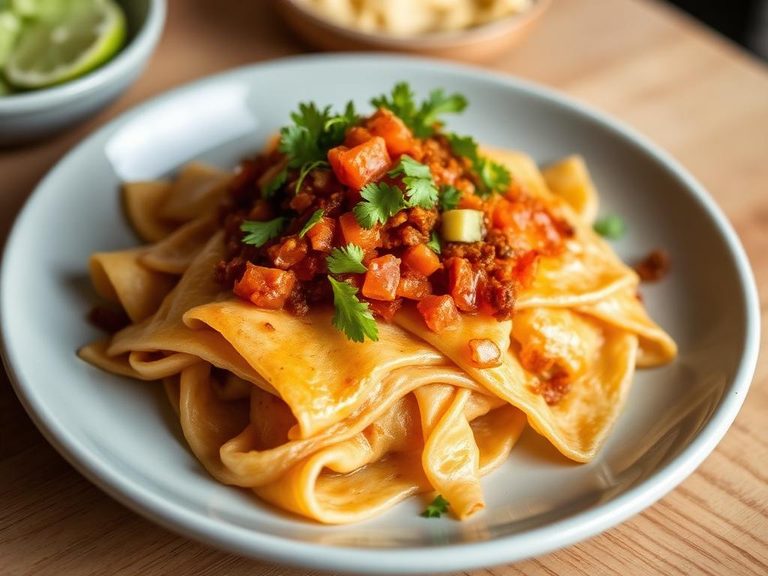
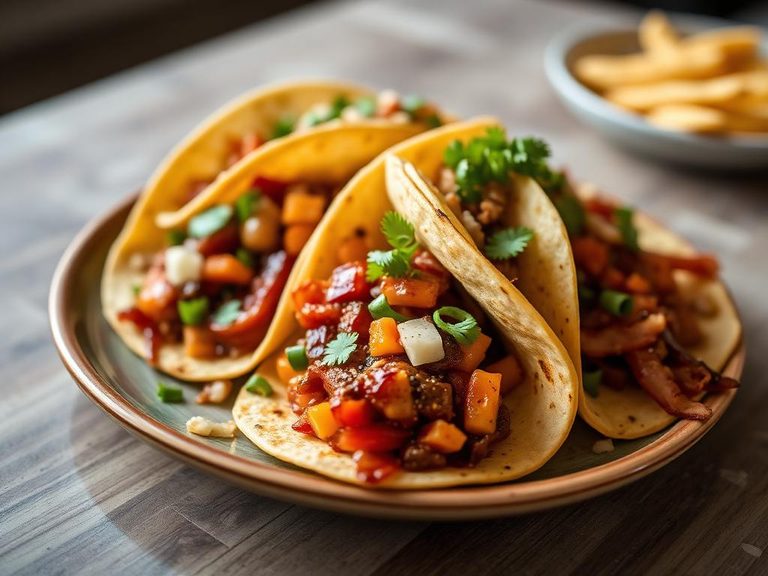
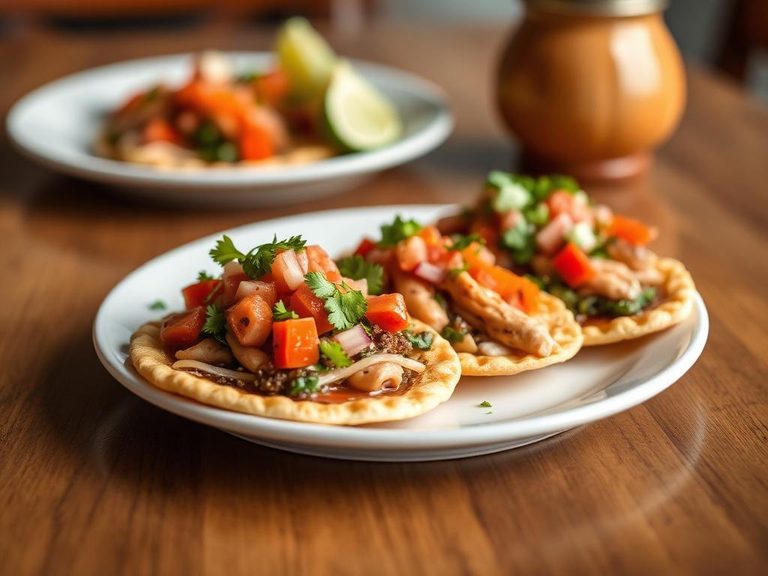
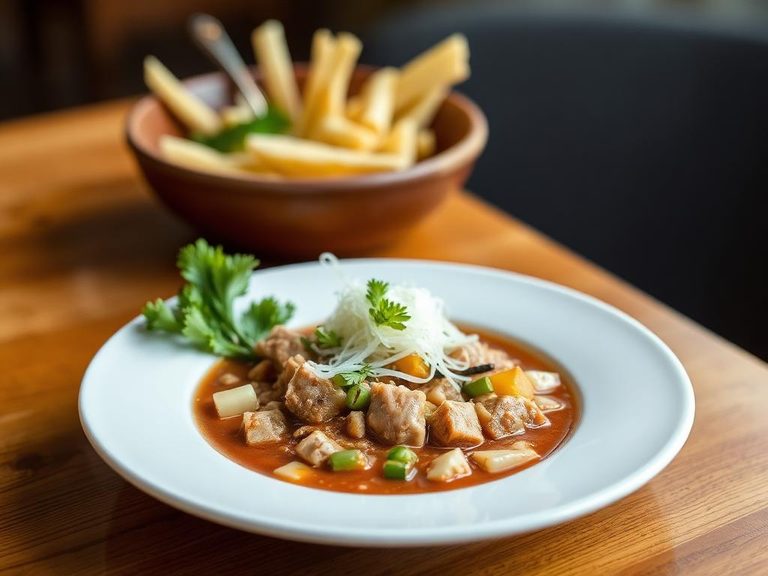
🍽️ Popular dishes

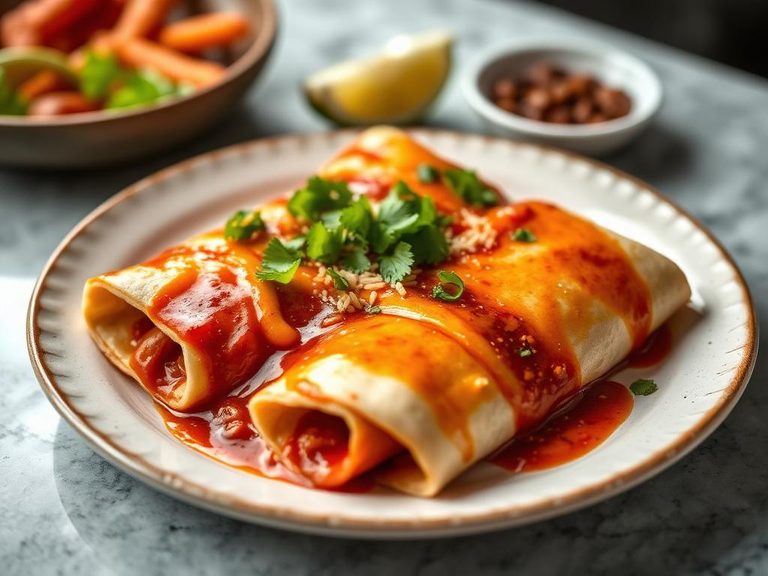
🌍 Where it's eaten
💡 Did you know?
The 'immature' in its name refers to the peppers being picked before they fully ripen and change color, which gives them a firmer texture and a more pronounced, grassy heat compared to their mature red counterparts.
Full nutrition (USDA data · scales with serving)
| Water | 93.9 g |
| Energy | 20.0 kcal |
| Energy | 84.0 kj |
| Protein | 0.70 g |
| Total lipid (fat) | 0.10 g |
| Ash | 0.67 g |
| Carbohydrate, by difference | 5.0 g |
| Fiber, total dietary | 1.9 g |
| Total Sugars | 2.5 g |
| Calcium, Ca | 5.0 mg |
| Iron, Fe | 0.40 mg |
| Magnesium, Mg | 12.0 mg |
| Phosphorus, P | 14.0 mg |
| Potassium, K | 564 mg |
| Sodium, Na | 25.0 mg |
| Zinc, Zn | 0.15 mg |
| Copper, Cu | 0.09 mg |
| Selenium, Se | 0.20 ug |
| Vitamin C, total ascorbic acid | 68.0 mg |
| Thiamin | 0.03 mg |
| Riboflavin | 0.03 mg |
| Niacin | 0.70 mg |
| Vitamin B-6 | 0.14 mg |
| Folate, total | 12.0 ug |
| Folic acid | 0.00 ug |
| Folate, food | 12.0 ug |
| Folate, DFE | 12.0 ug |
| Choline, total | 4.8 mg |
| Vitamin B-12 | 0.00 ug |
| Vitamin B-12, added | 0.00 ug |
| Vitamin A, RAE | 29.0 ug |
| Retinol | 0.00 ug |
| Carotene, beta | 333 ug |
| Carotene, alpha | 11.0 ug |
| Cryptoxanthin, beta | 25.0 ug |
| Vitamin A, IU | 584 iu |
| Lycopene | 0.00 ug |
| Lutein + zeaxanthin | 358 ug |
| Vitamin E (alpha-tocopherol) | 0.34 mg |
| Vitamin E, added | 0.00 mg |
| Vitamin D (D2 + D3), International Units | 0.00 iu |
| Vitamin D (D2 + D3) | 0.00 ug |
| Vitamin K (phylloquinone) | 7.1 ug |
| Alcohol, ethyl | 0.00 g |
| Caffeine | 0.00 mg |
| Theobromine | 0.00 mg |
Fat & fatty acid profile (per 100g)
| Fatty acids, total saturated | 0.01 g |
| SFA 4:0 | 0.00 g |
| SFA 6:0 | 0.00 g |
| SFA 8:0 | 0.00 g |
| SFA 10:0 | 0.00 g |
| SFA 12:0 | 0.00 g |
| SFA 14:0 | 0.00 g |
| SFA 16:0 | 0.01 g |
| SFA 18:0 | 0.00 g |
| Fatty acids, total monounsaturated | 0.07 g |
| MUFA 16:1 | 0.00 g |
| MUFA 18:1 | 0.07 g |
| MUFA 20:1 | 0.00 g |
| MUFA 22:1 | 0.00 g |
| Fatty acids, total polyunsaturated | 0.01 g |
| PUFA 18:2 | 0.01 g |
| PUFA 18:3 | 0.00 g |
| PUFA 18:4 | 0.00 g |
| PUFA 20:4 | 0.00 g |
| PUFA 20:5 n-3 (EPA) | 0.00 g |
| PUFA 22:5 n-3 (DPA) | 0.00 g |
| PUFA 22:6 n-3 (DHA) | 0.00 g |
| Cholesterol | 0.00 mg |
Amino acid profile (per 100g)
Estimated from Sauce, homemade, white, medium — USDA does not publish this profile for Sauce.
| Tryptophan | 0.04 g |
| Threonine | 0.14 g |
| Isoleucine | 0.19 g |
| Leucine | 0.30 g |
| Lysine | 0.24 g |
| Methionine | 0.08 g |
| Cystine | 0.03 g |
| Phenylalanine | 0.15 g |
| Tyrosine | 0.15 g |
| Valine | 0.20 g |
| Arginine | 0.11 g |
| Histidine | 0.08 g |
| Alanine | 0.10 g |
| Aspartic acid | 0.23 g |
| Glutamic acid | 0.64 g |
| Glycine | 0.07 g |
| Proline | 0.30 g |
| Serine | 0.17 g |
FAQ
Is this the same as jalapeño sauce?
Not necessarily. While jalapeños are a common green chili used, this sauce can be made from various immature green peppers like serrano or Anaheim, resulting in different heat levels and flavor profiles.
How spicy is it?
The heat varies by brand and pepper type, but it generally offers a moderate, upfront heat that is more about flavor than extreme burn. It's typically milder than a pure hot sauce made from mature chilies.
Can I use it in non-Mexican dishes?
Absolutely. It's excellent stirred into scrambled eggs, mixed into mayo for a spicy sandwich spread, drizzled over pizza, or added to stir-fries and noodle dishes for a quick heat boost.
Nutrient density (calculated · NRF9.3)
Nutrient Rich Foods index: beneficial nutrients (protein, fiber, vitamins, minerals) minus saturated fat, added sugar & sodium, per 100 kcal.
NRF9.3 index — Fulgoni, Keast & Drewnowski, 2009. Computed from USDA nutrients.
Weight-loss friendliness (composite index)
Energy density 0.20 kcal/g · 14% calories from protein · 1.9 g fiber · 2.5 g sugar per 100 g.
Composite of energy density (Rolls et al., 1999), protein & fiber satiety, minus sugar. A calculated heuristic — ranks satiety-per-calorie, not a clinical measure.
Dietary load (calculated from USDA values)
Potential renal acid load. Positive = acid-forming, negative = alkaline-forming.
Sodium-to-potassium ratio: 0.04 (lower is better — aim for ≤ 1)
Sodium:potassium per WHO potassium guidance. Computed from USDA nutrients.