

Salami, pork, beef, less sodium
Whole food · Sausages and Luncheon Meats

Photo: Wikipedia
This is a leaner, reduced-sodium version of the classic cured sausage, typically made from a blend of pork and beef. It offers the familiar, rich, savory flavor and firm, slightly chewy texture of traditional salami, but with a noticeably milder salt profile. Nutritionally, it's a dense source of protein and fat, with a surprisingly high carbohydrate content for a meat product, primarily from added sugars and dextrose used in the curing process.
Calorie split: 15% protein · 16% carbs · 69% fat
↓ Full nutrition💚 Why it's loved
People love it for its intense, umami-packed flavor and satisfying texture that elevates simple snacks and meals. It's a cultural staple in charcuterie, offering a taste of European deli tradition that's both indulgent and practical.
⚠️ Watch-outs & how to enjoy it better
Despite being 'less sodium,' it remains a high-sodium processed meat, which can be a concern for those monitoring blood pressure or fluid retention. It is also high in saturated fat and contains added sugars. To counteract this, pair it with high-fiber, low-sodium foods like fresh vegetables or whole-grain crackers, and practice strict portion control. It is not suitable for low-fat, low-sodium, or diabetic diets without careful planning.
Key benefits
- High in protein for muscle maintenance
- Provides essential B vitamins like B12
- Lower sodium than traditional salami varieties
- Convenient, shelf-stable protein source
- Offers iron and zinc from the red meat
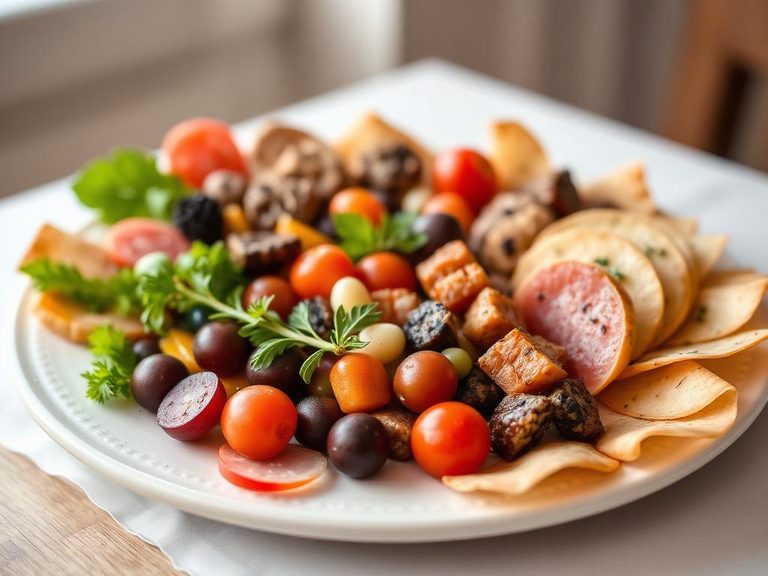
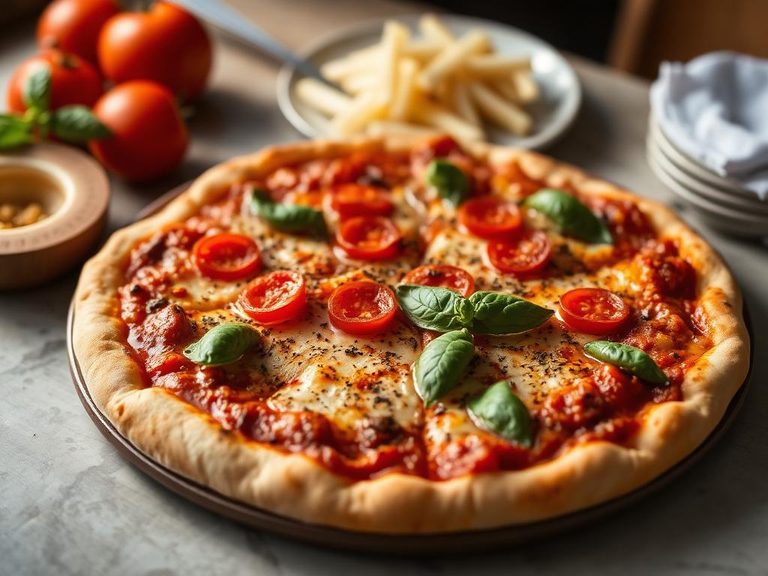
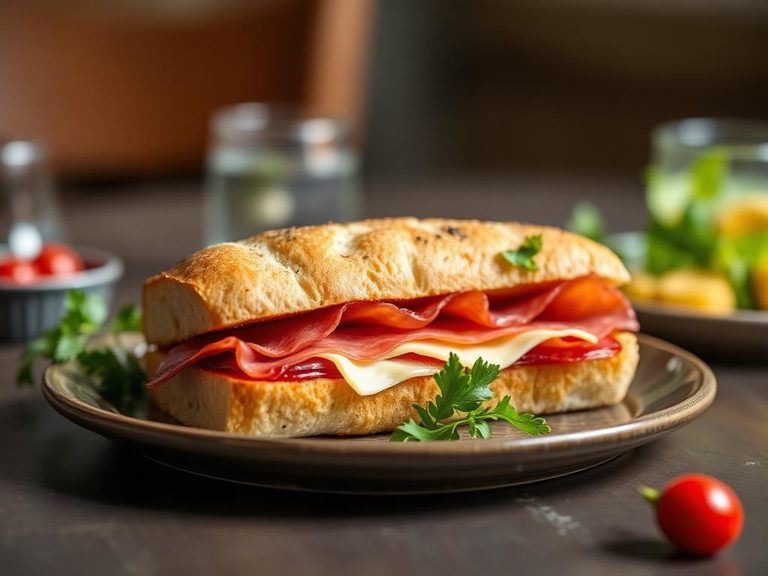
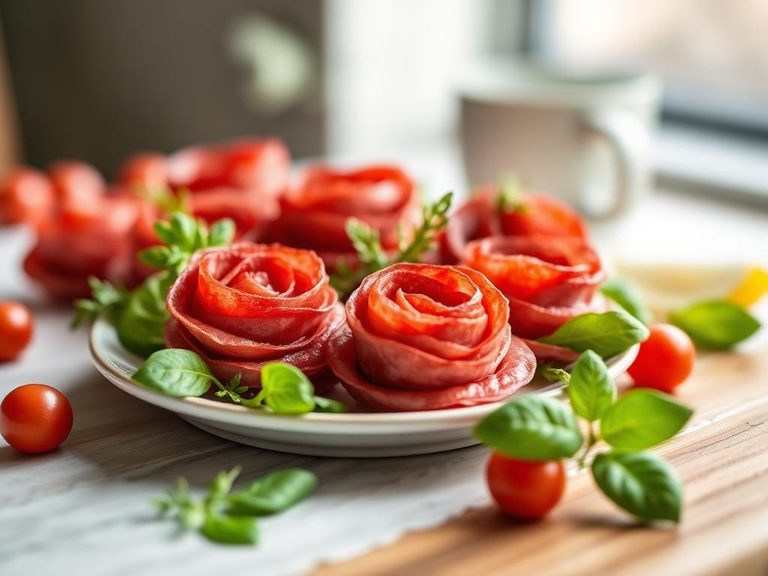
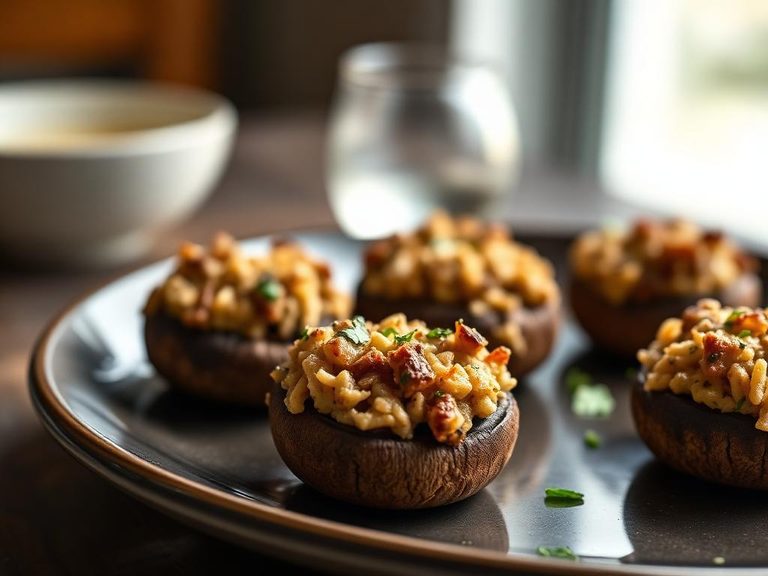
🍽️ Popular dishes

🌍 Where it's eaten
💡 Did you know?
The 'less sodium' version is often achieved by using potassium chloride as a partial salt substitute, which can impart a slightly metallic aftertaste that some discerning palates detect.
Full nutrition (USDA data · scales with serving)
| Water | 33.7 g |
| Energy | 396 kcal |
| Energy | 1657 kj |
| Protein | 15.0 g |
| Total lipid (fat) | 30.5 g |
| Ash | 5.4 g |
| Carbohydrate, by difference | 15.4 g |
| Fiber, total dietary | 0.20 g |
| Total Sugars | 6.2 g |
| Calcium, Ca | 94.0 mg |
| Iron, Fe | 1.6 mg |
| Magnesium, Mg | 31.0 mg |
| Phosphorus, P | 272 mg |
| Potassium, K | 1372 mg |
| Sodium, Na | 623 mg |
| Zinc, Zn | 3.1 mg |
| Copper, Cu | 0.09 mg |
| Manganese, Mn | 0.06 mg |
| Selenium, Se | 14.6 ug |
| Fluoride, F | 41.2 ug |
| Vitamin C, total ascorbic acid | 0.70 mg |
| Thiamin | 0.74 mg |
| Riboflavin | 0.34 mg |
| Niacin | 4.8 mg |
| Pantothenic acid | 0.86 mg |
| Vitamin B-6 | 0.49 mg |
| Folate, total | 8.0 ug |
| Folic acid | 0.00 ug |
| Folate, food | 8.0 ug |
| Folate, DFE | 8.0 ug |
| Vitamin B-12 | 1.8 ug |
| Vitamin A, RAE | 4.0 ug |
| Retinol | 4.0 ug |
| Carotene, beta | 0.00 ug |
| Carotene, alpha | 0.00 ug |
| Cryptoxanthin, beta | 0.00 ug |
| Vitamin A, IU | 12.0 iu |
| Lycopene | 0.00 ug |
| Lutein + zeaxanthin | 0.00 ug |
| Vitamin D (D2 + D3), International Units | 32.0 iu |
| Vitamin D (D2 + D3) | 0.80 ug |
| Alcohol, ethyl | 0.00 g |
| Caffeine | 0.00 mg |
| Theobromine | 0.00 mg |
Fat & fatty acid profile (per 100g)
| Fatty acids, total saturated | 10.6 g |
| SFA 4:0 | 0.00 g |
| SFA 6:0 | 0.00 g |
| SFA 8:0 | 0.00 g |
| SFA 10:0 | 0.10 g |
| SFA 12:0 | 0.07 g |
| SFA 14:0 | 0.47 g |
| SFA 16:0 | 4.5 g |
| SFA 18:0 | 3.5 g |
| Fatty acids, total monounsaturated | 13.3 g |
| MUFA 16:1 | 0.89 g |
| MUFA 18:1 | 8.3 g |
| MUFA 20:1 | 0.00 g |
| MUFA 22:1 | 0.00 g |
| Fatty acids, total polyunsaturated | 3.1 g |
| PUFA 18:2 | 1.6 g |
| PUFA 18:3 | 0.41 g |
| PUFA 18:4 | 0.00 g |
| PUFA 20:4 | 0.00 g |
| PUFA 20:5 n-3 (EPA) | 0.00 g |
| PUFA 22:5 n-3 (DPA) | 0.00 g |
| PUFA 22:6 n-3 (DHA) | 0.00 g |
| Cholesterol | 90.0 mg |
| Phytosterols | 0.00 mg |
Amino acid profile (per 100g)
| Tryptophan | 0.11 g |
| Threonine | 0.52 g |
| Isoleucine | 0.68 g |
| Leucine | 0.93 g |
| Lysine | 1.1 g |
| Methionine | 0.30 g |
| Cystine | 0.20 g |
| Phenylalanine | 0.48 g |
| Tyrosine | 0.55 g |
| Valine | 0.67 g |
| Arginine | 0.85 g |
| Histidine | 0.36 g |
| Alanine | 0.88 g |
| Aspartic acid | 1.3 g |
| Glutamic acid | 1.9 g |
| Glycine | 1.2 g |
| Proline | 0.83 g |
| Serine | 0.54 g |
FAQ
Is this salami actually healthy?
It's a better-for-you alternative to regular salami due to lower sodium, but it's still a processed meat high in saturated fat and calories. It should be enjoyed in moderation as part of a balanced diet rich in vegetables, whole grains, and lean proteins.
Why does it have so many carbs and sugar?
The carbohydrates (15.38g) and sugar (6.21g) come from added dextrose or other sugars used in the fermentation and curing process to feed the beneficial bacteria and develop flavor. This is typical for many cured sausages.
Can I freeze leftover slices?
Yes, it freezes well. Separate slices with parchment paper, place in a freezer bag, and use within 1-2 months for best quality. Thaw in the refrigerator before use.
Nutrient density (calculated · NRF9.3)
Nutrient Rich Foods index: beneficial nutrients (protein, fiber, vitamins, minerals) minus saturated fat, added sugar & sodium, per 100 kcal.
NRF9.3 index — Fulgoni, Keast & Drewnowski, 2009. Computed from USDA nutrients.
Weight-loss friendliness (composite index)
Energy density 3.96 kcal/g · 15% calories from protein · 0.2 g fiber · 6.2 g sugar per 100 g.
Composite of energy density (Rolls et al., 1999), protein & fiber satiety, minus sugar. A calculated heuristic — ranks satiety-per-calorie, not a clinical measure.
Dietary load (calculated from USDA values)
Potential renal acid load. Positive = acid-forming, negative = alkaline-forming.
Sodium-to-potassium ratio: 0.45 (lower is better — aim for ≤ 1)
Sodium:potassium per WHO potassium guidance. Computed from USDA nutrients.