

Salad dressing, caesar, low calorie
Whole food · Fats and Oils

Photo: Wikipedia
This is a lighter, tangy version of the classic Caesar dressing, delivering the signature savory, umami-rich flavor with a creamy yet pourable texture. Its nutrition profile is dominated by carbohydrates, primarily from added sugar, which provides a noticeable sweetness alongside the traditional garlic and anchovy notes. At 110 kcal per 100g, it's a lower-calorie option for salad lovers, though its sugar content is a key characteristic.
Calorie split: 1% protein · 65% carbs · 34% fat
↓ Full nutrition💚 Why it's loved
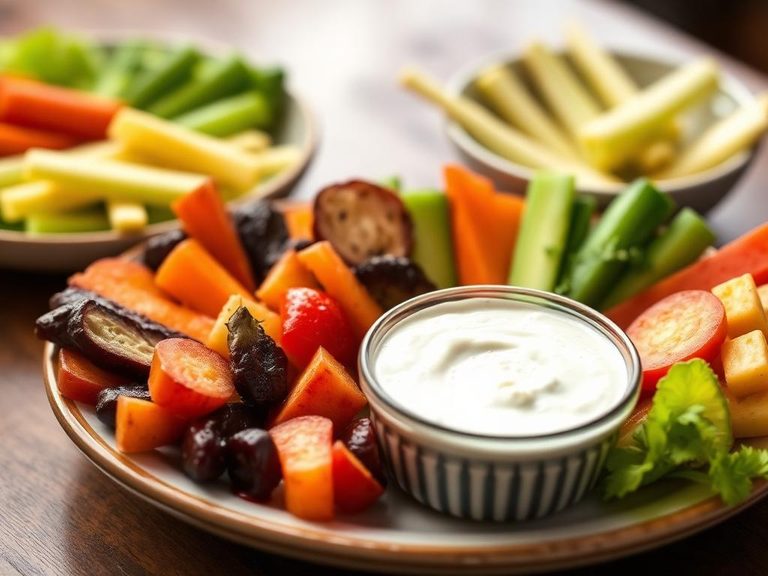
People love it for delivering the iconic, craveable Caesar flavor—garlicky, tangy, and savory—without the full calorie load of the original. Its versatility makes it a go-to for instantly upgrading a simple green salad or as a dip for raw vegetables.
⚠️ Watch-outs & how to enjoy it better
The significant sugar content (over 16g per 100g) can lead to blood-sugar spikes, especially for those monitoring their intake. It may also be high in sodium, a common concern in bottled dressings. To counteract this, use it sparingly, pair your salad with a protein source like grilled chicken or chickpeas to slow sugar absorption, and check labels for lower-sodium versions.
Key benefits
- Lower in calories than traditional Caesar dressing
- Provides a convenient way to add flavor to salads
- Contains a small amount of fat for satiety
- Offers a quick source of carbohydrates for energy
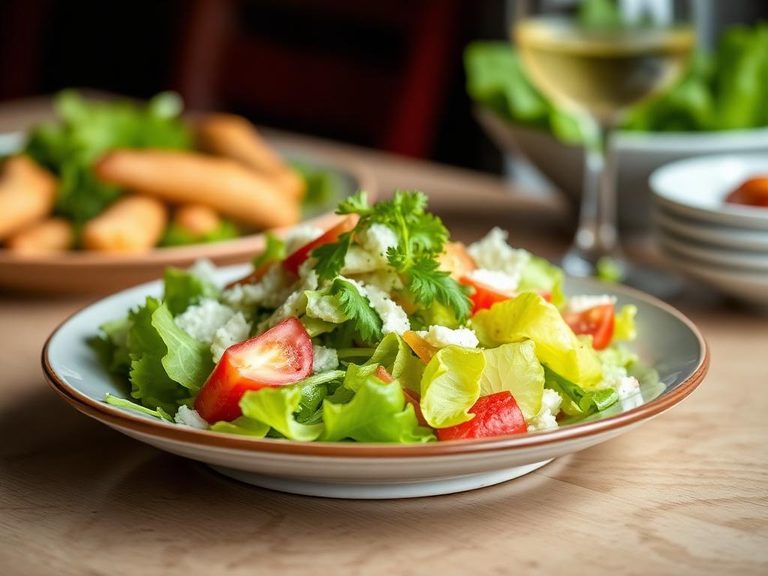
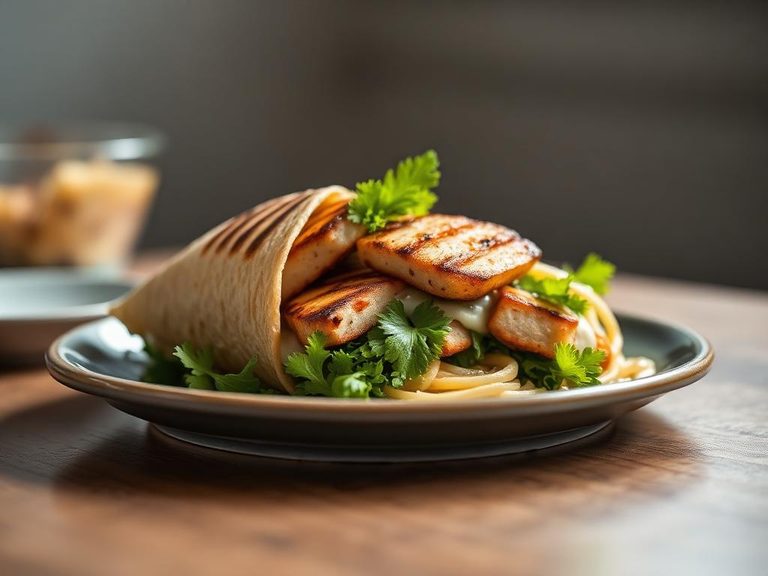
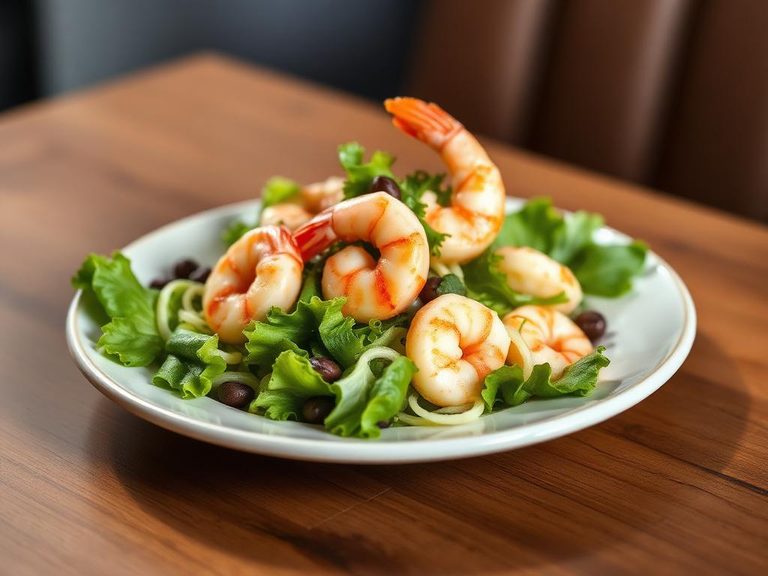
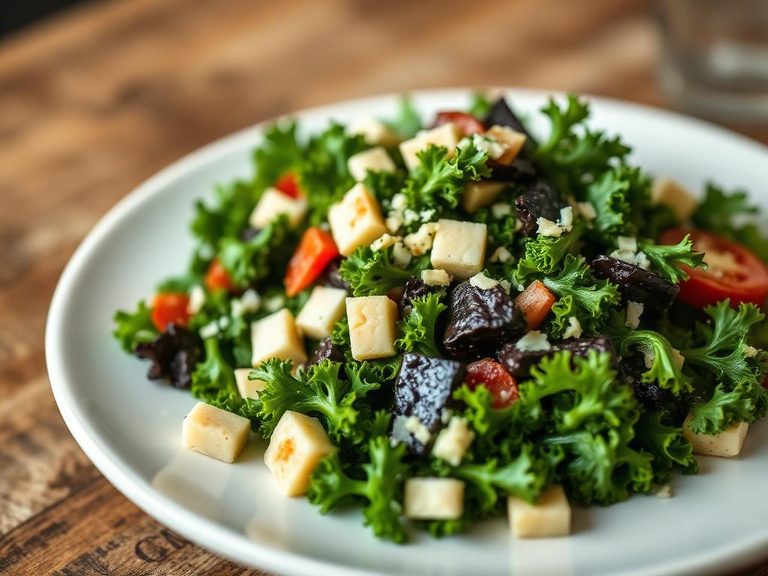
🍽️ Popular dishes
🌍 Where it's eaten
💡 Did you know?
The original Caesar salad was invented in Tijuana, Mexico, in the 1920s by Italian-American restaurateur Caesar Cardini, and the classic recipe notably did not contain anchovies—the umami flavor came from Worcestershire sauce.
Full nutrition (USDA data · scales with serving)
| Water | 73.2 g |
| Energy | 110 kcal |
| Energy | 460 kj |
| Protein | 0.30 g |
| Total lipid (fat) | 4.4 g |
| Ash | 3.5 g |
| Carbohydrate, by difference | 18.6 g |
| Fiber, total dietary | 0.10 g |
| Total Sugars | 16.3 g |
| Calcium, Ca | 24.0 mg |
| Iron, Fe | 0.18 mg |
| Magnesium, Mg | 2.0 mg |
| Phosphorus, P | 19.0 mg |
| Potassium, K | 29.0 mg |
| Sodium, Na | 1148 mg |
| Zinc, Zn | 0.11 mg |
| Copper, Cu | 0.01 mg |
| Manganese, Mn | 0.04 mg |
| Selenium, Se | 1.6 ug |
| Vitamin C, total ascorbic acid | 0.00 mg |
| Thiamin | 0.01 mg |
| Riboflavin | 0.01 mg |
| Niacin | 0.04 mg |
| Pantothenic acid | 0.00 mg |
| Vitamin B-6 | 0.00 mg |
| Folate, total | 2.0 ug |
| Folic acid | 0.00 ug |
| Folate, food | 2.0 ug |
| Folate, DFE | 2.0 ug |
| Choline, total | 17.4 mg |
| Betaine | 0.50 mg |
| Vitamin B-12 | 0.03 ug |
| Vitamin B-12, added | 0.00 ug |
| Vitamin A, RAE | 1.0 ug |
| Retinol | 1.0 ug |
| Carotene, beta | 1.0 ug |
| Carotene, alpha | 0.00 ug |
| Cryptoxanthin, beta | 0.00 ug |
| Vitamin A, IU | 5.0 iu |
| Lycopene | 0.00 ug |
| Lutein + zeaxanthin | 0.00 ug |
| Vitamin E (alpha-tocopherol) | 0.71 mg |
| Vitamin E, added | 0.00 mg |
| Vitamin D (D2 + D3), International Units | 0.00 iu |
| Vitamin D (D2 + D3) | 0.00 ug |
| Vitamin K (phylloquinone) | 1.0 ug |
| Alcohol, ethyl | 0.00 g |
| Caffeine | 0.00 mg |
| Theobromine | 0.00 mg |
Fat & fatty acid profile (per 100g)
| Fatty acids, total saturated | 0.70 g |
| SFA 4:0 | 0.01 g |
| SFA 6:0 | 0.00 g |
| SFA 8:0 | 0.00 g |
| SFA 10:0 | 0.00 g |
| SFA 12:0 | 0.01 g |
| SFA 14:0 | 0.03 g |
| SFA 16:0 | 0.47 g |
| SFA 18:0 | 0.17 g |
| Fatty acids, total monounsaturated | 1.1 g |
| MUFA 16:1 | 0.01 g |
| MUFA 18:1 | 1.0 g |
| MUFA 20:1 | 0.02 g |
| MUFA 22:1 | 0.07 g |
| Fatty acids, total polyunsaturated | 2.4 g |
| PUFA 18:2 | 2.1 g |
| PUFA 18:3 | 0.29 g |
| PUFA 18:4 | 0.00 g |
| PUFA 20:4 | 0.00 g |
| PUFA 20:5 n-3 (EPA) | 0.01 g |
| PUFA 22:5 n-3 (DPA) | 0.00 g |
| PUFA 22:6 n-3 (DHA) | 0.01 g |
| Cholesterol | 2.0 mg |
Amino acid profile (per 100g)
Estimated from Salad dressing, sesame seed dressing, regular — USDA does not publish this profile for Salad dressing.
| Tryptophan | 0.05 g |
| Threonine | 0.05 g |
| Isoleucine | 0.05 g |
| Leucine | 0.08 g |
| Lysine | 0.14 g |
| Methionine | 0.03 g |
| Cystine | 0.00 g |
| Phenylalanine | 0.09 g |
| Tyrosine | 0.10 g |
| Valine | 0.07 g |
| Arginine | 0.40 g |
| Histidine | 0.03 g |
| Alanine | 0.00 g |
| Aspartic acid | 0.00 g |
| Glutamic acid | 0.46 g |
| Glycine | 0.00 g |
| Proline | 0.00 g |
| Serine | 0.00 g |
FAQ
Is low-calorie Caesar dressing healthy?
It's a lower-calorie alternative to traditional Caesar dressing, but its healthiness depends on the rest of your diet. The high sugar content is a key consideration, so it's best used in moderation as part of a balanced meal with plenty of vegetables and lean protein.
Why is there so much sugar in it?
Sugar is often added to bottled dressings to balance the acidity of vinegar or lemon juice, enhance flavor, and improve texture and shelf stability. In a 'low-calorie' version, sugar can also provide flavor without the calories from fat.
Can I use this as a marinade?
Yes, it can work as a quick marinade for chicken or fish, but be mindful of the sugar content, which can cause the protein to brown or burn quickly during cooking. It's better suited for shorter marinating times or for use in cold preparations.
Nutrient density (calculated · NRF9.3)
Nutrient Rich Foods index: beneficial nutrients (protein, fiber, vitamins, minerals) minus saturated fat, added sugar & sodium, per 100 kcal.
NRF9.3 index — Fulgoni, Keast & Drewnowski, 2009. Computed from USDA nutrients.
Weight-loss friendliness (composite index)
Energy density 1.10 kcal/g · 1% calories from protein · 0.1 g fiber · 16.3 g sugar per 100 g.
Composite of energy density (Rolls et al., 1999), protein & fiber satiety, minus sugar. A calculated heuristic — ranks satiety-per-calorie, not a clinical measure.
Dietary load (calculated from USDA values)
Potential renal acid load. Positive = acid-forming, negative = alkaline-forming.
Sodium-to-potassium ratio: 39.59 (lower is better — aim for ≤ 1)
Sodium:potassium per WHO potassium guidance. Computed from USDA nutrients.