

Red pepper, cooked, as ingredient
Common food
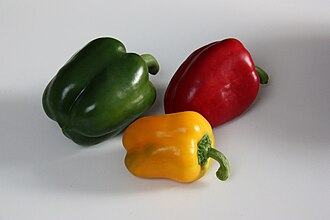
Photo: Wikipedia
Cooked red pepper is a vibrant, sweet vegetable with a tender, silky texture that deepens in flavor when roasted or sautéed. It's a low-calorie powerhouse, offering a concentrated dose of vitamin C and a natural sweetness that makes it a versatile ingredient in countless dishes. Its soft, almost jammy consistency when cooked makes it perfect for blending into sauces, stuffing, or simply enjoying as a side.
Calorie split: 11% protein · 85% carbs · 4% fat
↓ Full nutrition💚 Why it's loved
People love cooked red pepper for its naturally sweet, slightly smoky flavor and its ability to add vibrant color and depth to any meal. Its versatility shines in everything from rustic Mediterranean stews to smooth, creamy soups and sauces.
⚠️ Watch-outs & how to enjoy it better
For some, the natural sugars in cooked red peppers can contribute to a noticeable blood-sugar spike if consumed in large quantities alone. To counteract this, pair them with a source of protein or healthy fat (like chickpeas or olive oil) and practice portion control. Some individuals may also experience digestive discomfort due to the fiber content; starting with smaller servings can help.
Key benefits
- Excellent source of vitamin C, supporting immune function and skin health.
- Rich in antioxidants like capsanthin, which gives it its red color.
- Low in calories and fat, making it ideal for weight management.
- Provides dietary fiber, aiding digestion and promoting satiety.
- Contains vitamin A and beta-carotene, beneficial for eye health.
🍽️ Popular dishes
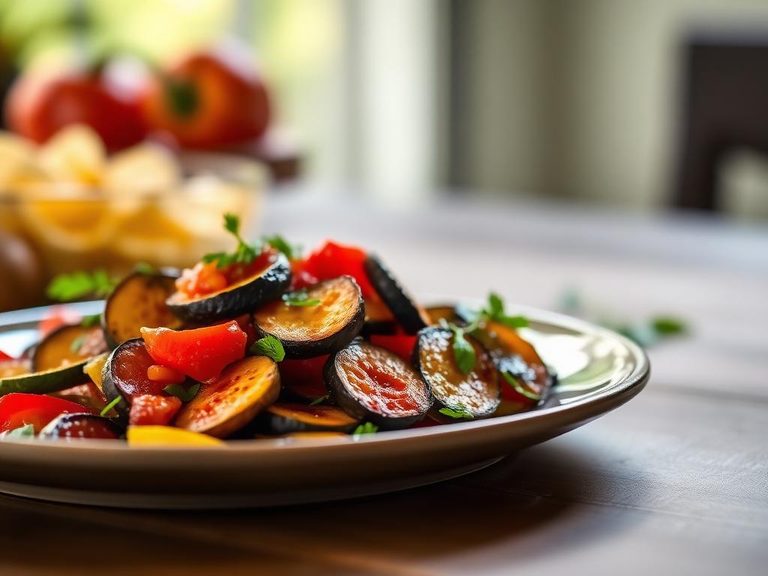
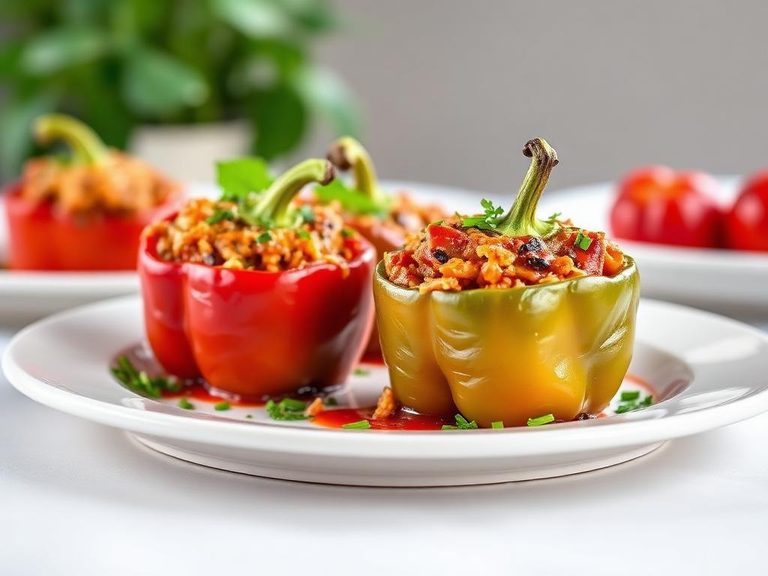
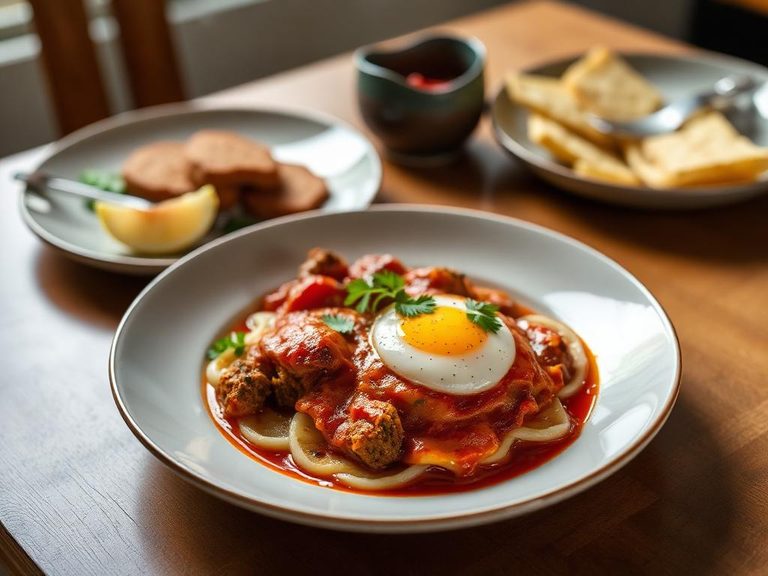
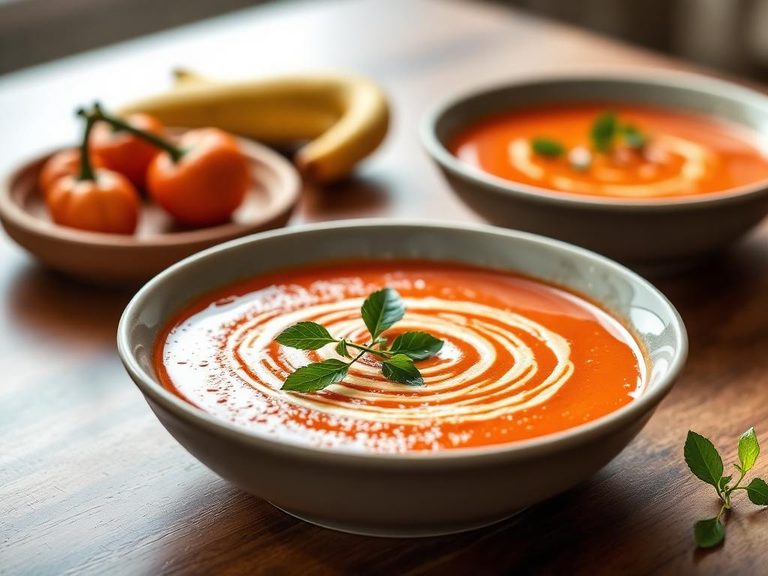
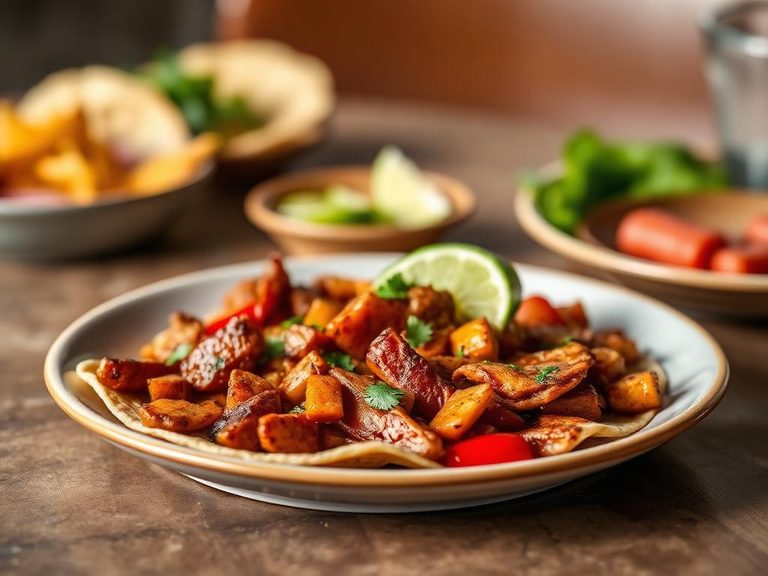
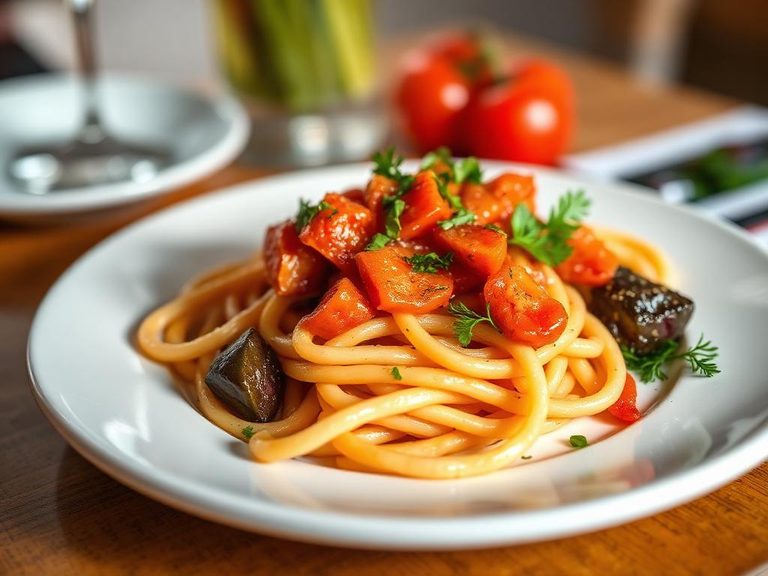
🌍 Where it's eaten
💡 Did you know?
Cooking red peppers actually increases their vitamin C content, as the heat breaks down the cell walls, making the nutrient more bioavailable to your body.
Full nutrition (USDA data · scales with serving)
| Water | 91.3 g |
| Energy | 33.0 kcal |
| Protein | 0.97 g |
| Total lipid (fat) | 0.14 g |
| Carbohydrate, by difference | 7.2 g |
| Fiber, total dietary | 1.3 g |
| Total Sugars | 4.5 g |
| Calcium, Ca | 6.0 mg |
| Iron, Fe | 0.38 mg |
| Magnesium, Mg | 12.0 mg |
| Phosphorus, P | 29.0 mg |
| Potassium, K | 229 mg |
| Sodium, Na | 0.00 mg |
| Zinc, Zn | 0.22 mg |
| Copper, Cu | 0.04 mg |
| Selenium, Se | 0.00 ug |
| Vitamin C, total ascorbic acid | 130 mg |
| Thiamin | 0.05 mg |
| Riboflavin | 0.14 mg |
| Niacin | 1.0 mg |
| Vitamin B-6 | 0.29 mg |
| Folate, total | 43.0 ug |
| Folic acid | 0.00 ug |
| Folate, food | 43.0 ug |
| Folate, DFE | 43.0 ug |
| Choline, total | 6.0 mg |
| Vitamin B-12 | 0.00 ug |
| Vitamin B-12, added | 0.00 ug |
| Vitamin A, RAE | 160 ug |
| Retinol | 0.00 ug |
| Carotene, beta | 1659 ug |
| Carotene, alpha | 20.0 ug |
| Cryptoxanthin, beta | 501 ug |
| Lycopene | 0.00 ug |
| Lutein + zeaxanthin | 52.0 ug |
| Vitamin E (alpha-tocopherol) | 1.7 mg |
| Vitamin E, added | 0.00 mg |
| Vitamin D (D2 + D3) | 0.00 ug |
| Vitamin K (phylloquinone) | 5.3 ug |
| Alcohol, ethyl | 0.00 g |
| Caffeine | 0.00 mg |
| Theobromine | 0.00 mg |
Fat & fatty acid profile (per 100g)
| Fatty acids, total saturated | 0.06 g |
| SFA 4:0 | 0.00 g |
| SFA 6:0 | 0.00 g |
| SFA 8:0 | 0.00 g |
| SFA 10:0 | 0.00 g |
| SFA 12:0 | 0.00 g |
| SFA 14:0 | 0.00 g |
| SFA 16:0 | 0.06 g |
| SFA 18:0 | 0.00 g |
| Fatty acids, total monounsaturated | 0.01 g |
| MUFA 16:1 | 0.00 g |
| MUFA 18:1 | 0.00 g |
| MUFA 20:1 | 0.00 g |
| MUFA 22:1 | 0.00 g |
| Fatty acids, total polyunsaturated | 0.17 g |
| PUFA 18:2 | 0.11 g |
| PUFA 18:3 | 0.06 g |
| PUFA 18:4 | 0.00 g |
| PUFA 20:4 | 0.00 g |
| PUFA 20:5 n-3 (EPA) | 0.00 g |
| PUFA 22:5 n-3 (DPA) | 0.00 g |
| PUFA 22:6 n-3 (DHA) | 0.00 g |
| Cholesterol | 0.00 mg |
Amino acid profile (per 100g)
Estimated from Peppers, sweet, red, raw — USDA does not publish this profile for Red pepper.
| Tryptophan | 0.01 g |
| Threonine | 0.04 g |
| Isoleucine | 0.02 g |
| Leucine | 0.04 g |
| Lysine | 0.04 g |
| Methionine | 0.01 g |
| Cystine | 0.02 g |
| Phenylalanine | 0.05 g |
| Tyrosine | 0.01 g |
| Valine | 0.03 g |
| Arginine | 0.04 g |
| Histidine | 0.02 g |
| Alanine | 0.03 g |
| Aspartic acid | 0.28 g |
| Glutamic acid | 0.21 g |
| Glycine | 0.03 g |
| Proline | 0.02 g |
| Serine | 0.05 g |
FAQ
How does cooking affect the nutritional value of red peppers?
Cooking red peppers can increase the bioavailability of certain nutrients like vitamin C and beta-carotene, as the heat breaks down cell walls. However, it may also lead to some loss of heat-sensitive vitamins, so a balance of raw and cooked is ideal.
What's the best way to cook red peppers to preserve nutrients?
Roasting or sautéing at moderate heat for a short time helps preserve most nutrients. Steaming is also a good method, as it minimizes nutrient loss from water. Avoid over-boiling, which can leach out water-soluble vitamins.
Can cooked red peppers be used in sweet dishes?
Yes, their natural sweetness makes them suitable for jams, chutneys, or even as a surprising addition to desserts like chocolate-based sauces, where they add a subtle, complex sweetness.
Nutrient density (calculated · NRF9.3)
Nutrient Rich Foods index: beneficial nutrients (protein, fiber, vitamins, minerals) minus saturated fat, added sugar & sodium, per 100 kcal.
NRF9.3 index — Fulgoni, Keast & Drewnowski, 2009. Computed from USDA nutrients.
Weight-loss friendliness (composite index)
Energy density 0.33 kcal/g · 12% calories from protein · 1.3 g fiber · 4.5 g sugar per 100 g.
Composite of energy density (Rolls et al., 1999), protein & fiber satiety, minus sugar. A calculated heuristic — ranks satiety-per-calorie, not a clinical measure.
Dietary load (calculated from USDA values)
Potential renal acid load. Positive = acid-forming, negative = alkaline-forming.
Sodium-to-potassium ratio: 0.00 (lower is better — aim for ≤ 1)
Sodium:potassium per WHO potassium guidance. Computed from USDA nutrients.