

Potato, canned, no added fat
Common food
Canned potatoes are pre-cooked, shelf-stable tubers preserved in water, offering a soft, slightly waxy texture and a mild, earthy flavor. They are a convenient pantry staple with a notable nutritional profile, providing a good source of dietary fiber (2.4g per 100g) while being virtually fat-free.
Calorie split: 9% protein · 88% carbs · 3% fat
↓ Full nutrition💚 Why it's loved
People appreciate canned potatoes for their unmatched convenience and consistent texture, which holds up well in stews, hashes, and salads. They are a beloved staple for their ability to deliver the comforting, versatile essence of a potato with zero preparation time.
⚠️ Watch-outs & how to enjoy it better
The primary downside is the potential for a softer, sometimes mushy texture compared to fresh potatoes, and they can be high in sodium depending on the canning liquid. To counteract this, rinse them thoroughly under cold water to reduce sodium content and consider using them in dishes where a softer texture is an asset, like soups or mashed preparations.
Key benefits
- Excellent source of dietary fiber for digestive health.
- Very low in fat, with only 0.2g per 100g serving.
- Provides quick, starchy energy with 13.55g of carbohydrates.
- Shelf-stable and requires no cooking, ideal for quick meal prep.
- Naturally low in sugar (0.59g per 100g).
🍽️ Popular dishes
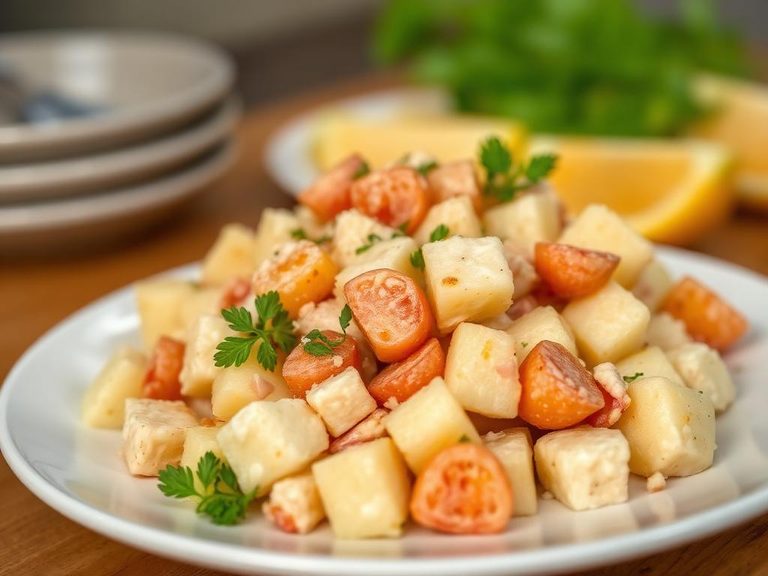
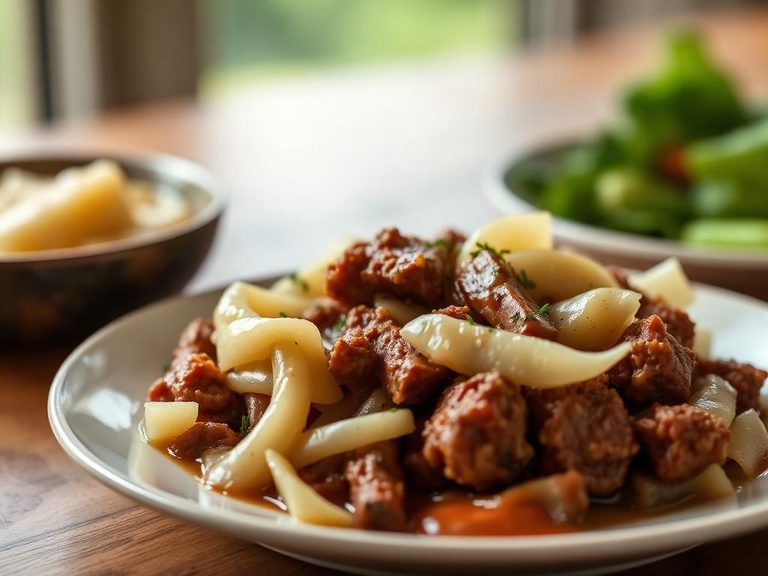
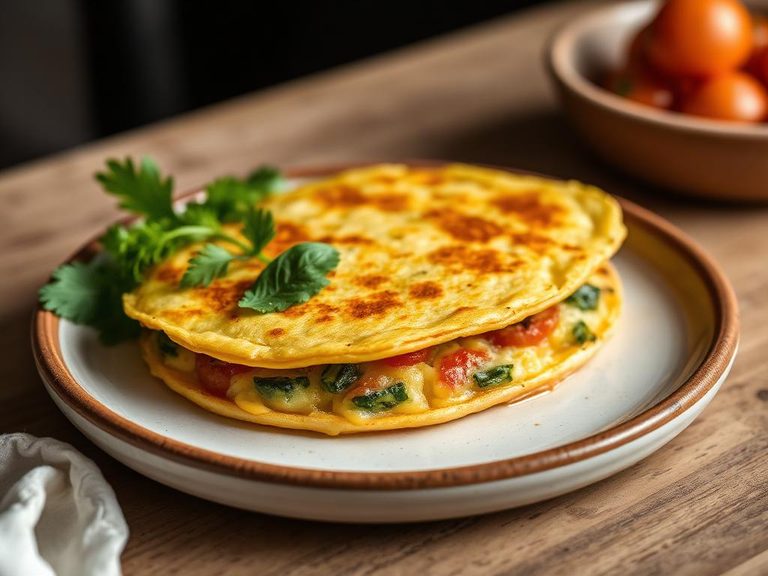
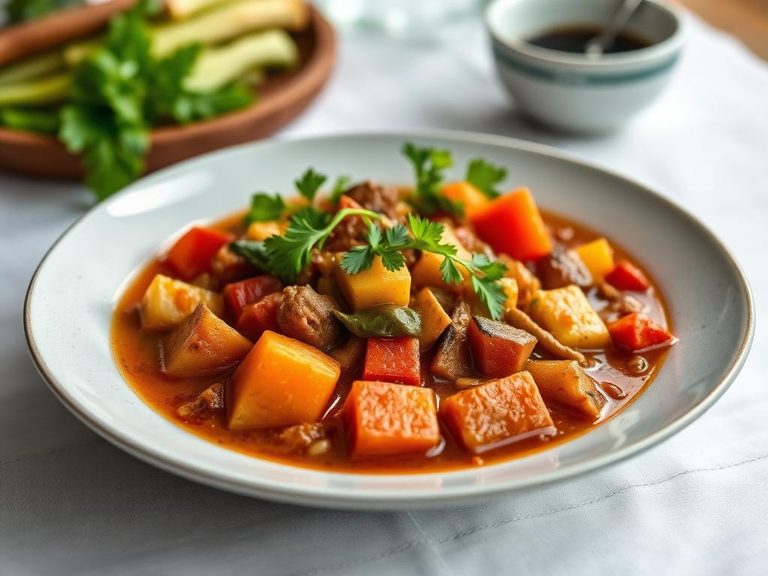
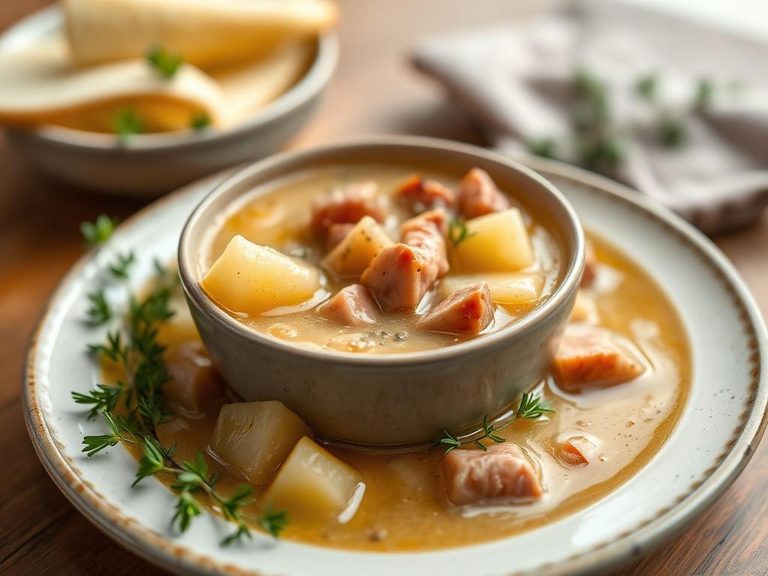
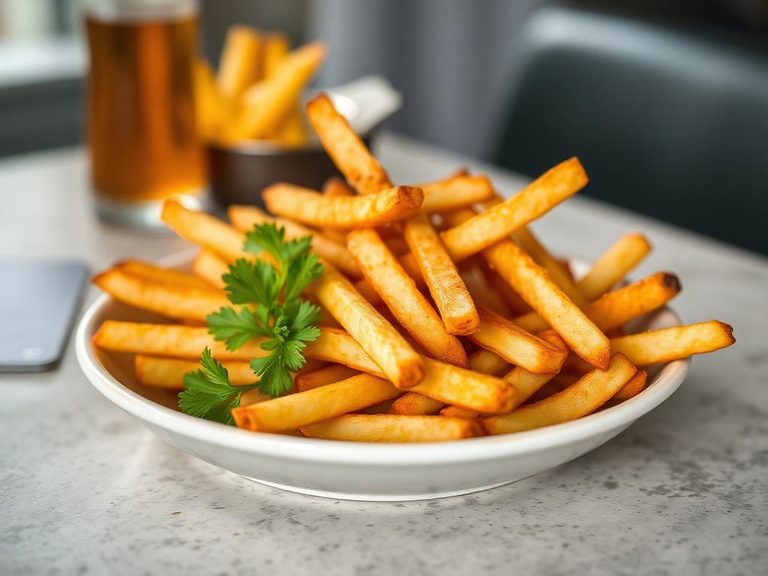
🌍 Where it's eaten
💡 Did you know?
The canning process for potatoes was perfected during the 19th century as a method to preserve food for long sea voyages and military rations, making them a historic 'space food' before space travel existed.
Full nutrition (USDA data · scales with serving)
| Water | 84.0 g |
| Energy | 60.0 kcal |
| Protein | 1.4 g |
| Total lipid (fat) | 0.20 g |
| Carbohydrate, by difference | 13.6 g |
| Fiber, total dietary | 2.4 g |
| Total Sugars | 0.59 g |
| Calcium, Ca | 5.0 mg |
| Iron, Fe | 1.3 mg |
| Magnesium, Mg | 14.0 mg |
| Phosphorus, P | 28.0 mg |
| Potassium, K | 228 mg |
| Sodium, Na | 159 mg |
| Zinc, Zn | 0.28 mg |
| Copper, Cu | 0.06 mg |
| Selenium, Se | 0.90 ug |
| Vitamin C, total ascorbic acid | 5.1 mg |
| Thiamin | 0.07 mg |
| Riboflavin | 0.01 mg |
| Niacin | 0.92 mg |
| Vitamin B-6 | 0.19 mg |
| Folate, total | 6.0 ug |
| Folic acid | 0.00 ug |
| Folate, food | 6.0 ug |
| Folate, DFE | 6.0 ug |
| Choline, total | 9.2 mg |
| Vitamin B-12 | 0.00 ug |
| Vitamin B-12, added | 0.00 ug |
| Vitamin A, RAE | 0.00 ug |
| Retinol | 0.00 ug |
| Carotene, beta | 1.0 ug |
| Carotene, alpha | 0.00 ug |
| Cryptoxanthin, beta | 0.00 ug |
| Lycopene | 0.00 ug |
| Lutein + zeaxanthin | 6.0 ug |
| Vitamin E (alpha-tocopherol) | 0.05 mg |
| Vitamin E, added | 0.00 mg |
| Vitamin D (D2 + D3) | 0.00 ug |
| Vitamin K (phylloquinone) | 1.5 ug |
| Alcohol, ethyl | 0.00 g |
| Caffeine | 0.00 mg |
| Theobromine | 0.00 mg |
Fat & fatty acid profile (per 100g)
| Fatty acids, total saturated | 0.05 g |
| SFA 4:0 | 0.00 g |
| SFA 6:0 | 0.00 g |
| SFA 8:0 | 0.00 g |
| SFA 10:0 | 0.00 g |
| SFA 12:0 | 0.01 g |
| SFA 14:0 | 0.00 g |
| SFA 16:0 | 0.03 g |
| SFA 18:0 | 0.01 g |
| Fatty acids, total monounsaturated | 0.01 g |
| MUFA 16:1 | 0.00 g |
| MUFA 18:1 | 0.00 g |
| MUFA 20:1 | 0.00 g |
| MUFA 22:1 | 0.00 g |
| Fatty acids, total polyunsaturated | 0.09 g |
| PUFA 18:2 | 0.06 g |
| PUFA 18:3 | 0.02 g |
| PUFA 18:4 | 0.00 g |
| PUFA 20:4 | 0.00 g |
| PUFA 20:5 n-3 (EPA) | 0.00 g |
| PUFA 22:5 n-3 (DPA) | 0.00 g |
| PUFA 22:6 n-3 (DHA) | 0.00 g |
| Cholesterol | 0.00 mg |
Amino acid profile (per 100g)
Estimated from Snacks, potato chips, made from dried potatoes, reduced fat — USDA does not publish this profile for Potato.
| Tryptophan | 0.04 g |
| Threonine | 0.24 g |
| Isoleucine | 0.25 g |
| Leucine | 0.37 g |
| Lysine | 0.35 g |
| Methionine | 0.07 g |
| Cystine | 0.07 g |
| Phenylalanine | 0.26 g |
| Tyrosine | 0.22 g |
| Valine | 0.33 g |
| Arginine | 0.27 g |
| Histidine | 0.13 g |
| Alanine | 0.20 g |
| Aspartic acid | 1.1 g |
| Glutamic acid | 0.94 g |
| Glycine | 0.19 g |
| Proline | 0.20 g |
| Serine | 0.23 g |
FAQ
Are canned potatoes as nutritious as fresh potatoes?
Yes, the canning process preserves most of the key nutrients like fiber, potassium, and vitamins. The main difference is often in texture and potentially added sodium, which can be rinsed off.
How should I store leftover canned potatoes?
Once opened, transfer any unused potatoes and their liquid to a sealed container and refrigerate. Use within 3-4 days for best quality and safety.
Can I use canned potatoes for frying or roasting?
Yes, but they won't crisp up like fresh potatoes due to their pre-cooked, high-moisture state. Pat them very dry and use high heat for the best possible browning.
Nutrient density (calculated · NRF9.3)
Nutrient Rich Foods index: beneficial nutrients (protein, fiber, vitamins, minerals) minus saturated fat, added sugar & sodium, per 100 kcal.
NRF9.3 index — Fulgoni, Keast & Drewnowski, 2009. Computed from USDA nutrients.
Weight-loss friendliness (composite index)
Energy density 0.60 kcal/g · 9% calories from protein · 2.4 g fiber · 0.6 g sugar per 100 g.
Composite of energy density (Rolls et al., 1999), protein & fiber satiety, minus sugar. A calculated heuristic — ranks satiety-per-calorie, not a clinical measure.
Dietary load (calculated from USDA values)
Potential renal acid load. Positive = acid-forming, negative = alkaline-forming.
Sodium-to-potassium ratio: 0.70 (lower is better — aim for ≤ 1)
Sodium:potassium per WHO potassium guidance. Computed from USDA nutrients.