

Pork bacon, NS as to fresh, smoked or cured, reduced sodium, cooked
Common food

Photo: Wikipedia
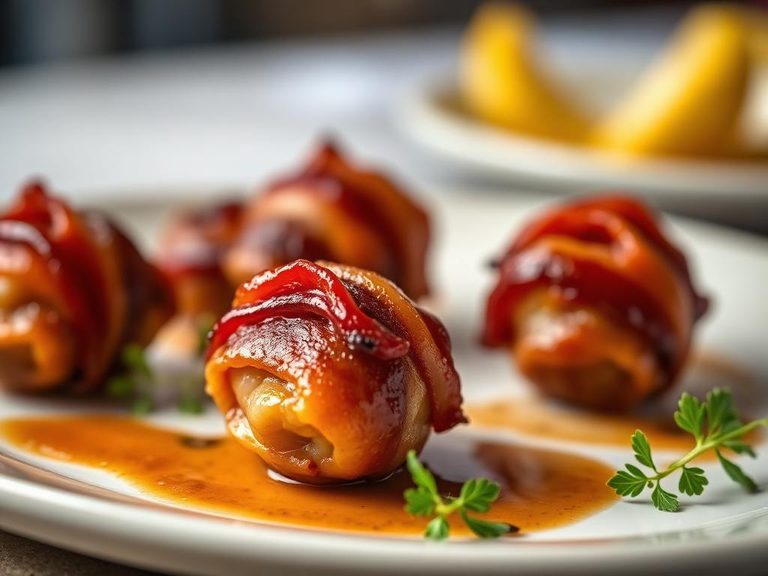
This is pork bacon that has been cooked and prepared with a reduced sodium content, offering a slightly milder saltiness than standard bacon while retaining its signature savory depth. Its texture is a delightful contrast of crispy, rendered fat and chewy, meaty strips. Nutritionally, it's a calorie-dense, high-protein, high-fat food with virtually no carbohydrates.
Calorie split: 28% protein · 1% carbs · 71% fat
↓ Full nutrition💚 Why it's loved
People adore it for the irresistible Maillard reaction that creates its complex, smoky, umami-rich flavor and satisfying crunch. It's a cultural icon, serving as a cornerstone of the classic American breakfast and a transformative flavor booster in countless recipes worldwide.
⚠️ Watch-outs & how to enjoy it better
Despite reduced sodium, it remains a high-fat, high-calorie processed meat, which warrants moderation for those managing heart health or calorie intake. To counteract this, practice strict portion control and pair it with high-fiber, nutrient-dense foods like vegetables or whole grains to balance the meal.
Key benefits
- Excellent source of complete protein for muscle maintenance.
- Provides energy from fats and a significant amount of B vitamins, especially B1 (thiamine).
- Reduced sodium content compared to conventional bacon.
- Versatile ingredient for adding intense flavor to a wide range of dishes.
🍽️ Popular dishes

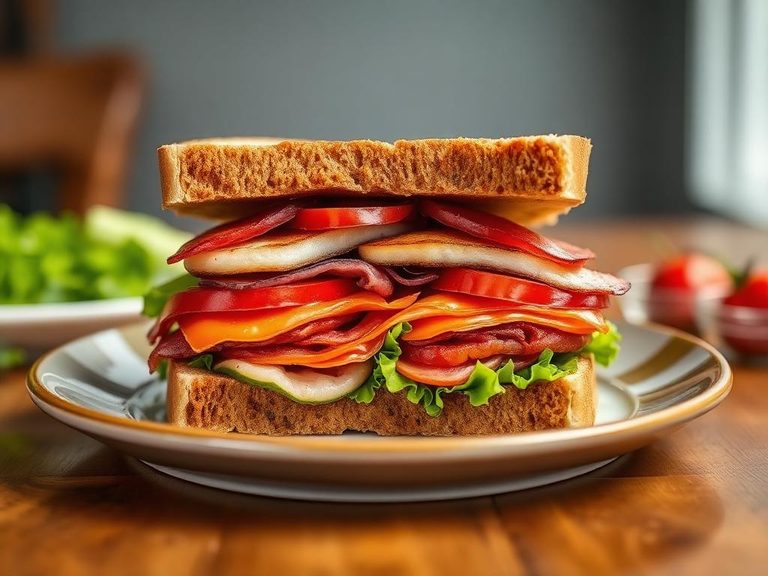
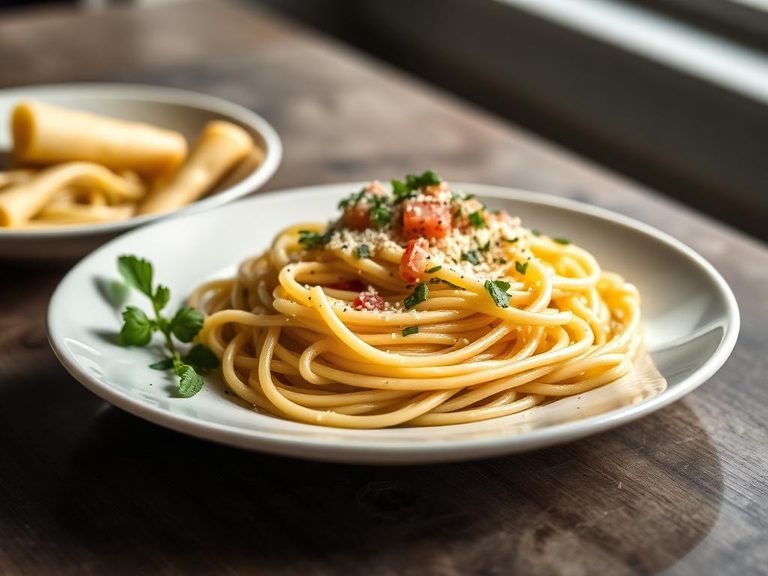
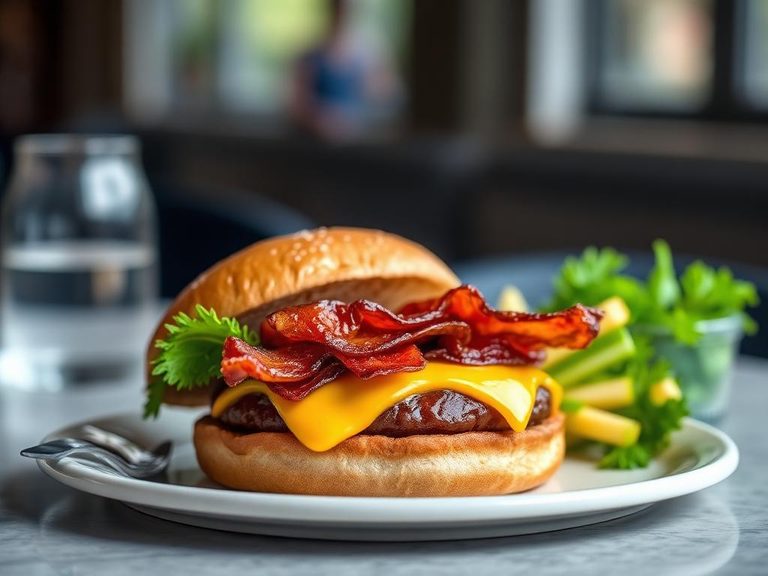
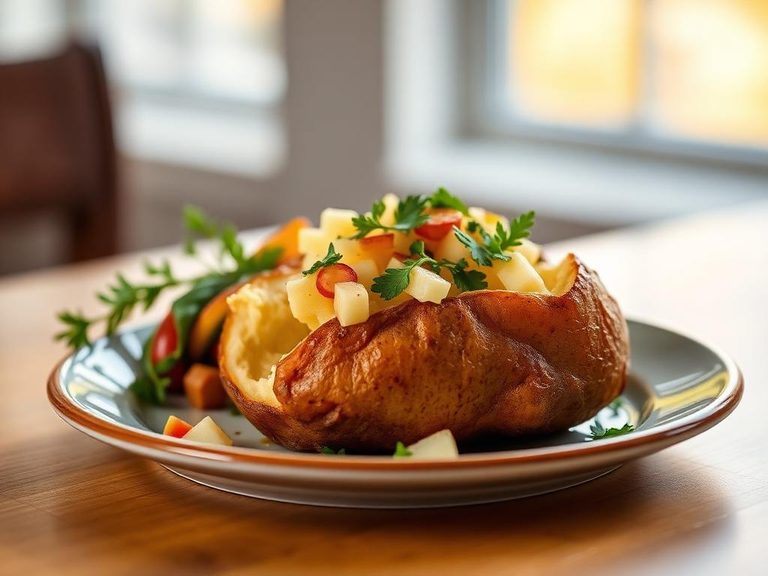
🌍 Where it's eaten
💡 Did you know?
The word 'bacon' comes from the Old High German 'bacho,' meaning 'buttock' or 'ham,' and the practice of curing pork belly for preservation dates back to the Romans.
Full nutrition (USDA data · scales with serving)
| Water | 12.3 g |
| Energy | 541 kcal |
| Protein | 37.0 g |
| Total lipid (fat) | 41.8 g |
| Carbohydrate, by difference | 1.4 g |
| Fiber, total dietary | 0.00 g |
| Total Sugars | 0.00 g |
| Calcium, Ca | 11.0 mg |
| Iron, Fe | 1.4 mg |
| Magnesium, Mg | 33.0 mg |
| Phosphorus, P | 533 mg |
| Potassium, K | 565 mg |
| Sodium, Na | 1030 mg |
| Zinc, Zn | 3.5 mg |
| Copper, Cu | 0.16 mg |
| Selenium, Se | 62.0 ug |
| Vitamin C, total ascorbic acid | 0.00 mg |
| Thiamin | 0.40 mg |
| Riboflavin | 0.26 mg |
| Niacin | 11.1 mg |
| Vitamin B-6 | 0.35 mg |
| Folate, total | 2.0 ug |
| Folic acid | 0.00 ug |
| Folate, food | 2.0 ug |
| Folate, DFE | 2.0 ug |
| Choline, total | 123 mg |
| Vitamin B-12 | 1.2 ug |
| Vitamin B-12, added | 0.00 ug |
| Vitamin A, RAE | 11.0 ug |
| Retinol | 11.0 ug |
| Carotene, beta | 0.00 ug |
| Carotene, alpha | 0.00 ug |
| Cryptoxanthin, beta | 0.00 ug |
| Lycopene | 0.00 ug |
| Lutein + zeaxanthin | 0.00 ug |
| Vitamin E (alpha-tocopherol) | 0.31 mg |
| Vitamin E, added | 0.00 mg |
| Vitamin D (D2 + D3) | 1.0 ug |
| Vitamin K (phylloquinone) | 0.10 ug |
| Alcohol, ethyl | 0.00 g |
| Caffeine | 0.00 mg |
| Theobromine | 0.00 mg |
Fat & fatty acid profile (per 100g)
| Fatty acids, total saturated | 13.7 g |
| SFA 4:0 | 0.00 g |
| SFA 6:0 | 0.00 g |
| SFA 8:0 | 0.00 g |
| SFA 10:0 | 0.01 g |
| SFA 12:0 | 0.00 g |
| SFA 14:0 | 0.53 g |
| SFA 16:0 | 8.7 g |
| SFA 18:0 | 4.3 g |
| Fatty acids, total monounsaturated | 18.5 g |
| MUFA 16:1 | 1.2 g |
| MUFA 18:1 | 16.9 g |
| MUFA 20:1 | 0.32 g |
| MUFA 22:1 | 0.00 g |
| Fatty acids, total polyunsaturated | 4.5 g |
| PUFA 18:2 | 4.0 g |
| PUFA 18:3 | 0.20 g |
| PUFA 18:4 | 0.00 g |
| PUFA 20:4 | 0.15 g |
| PUFA 20:5 n-3 (EPA) | 0.00 g |
| PUFA 22:5 n-3 (DPA) | 0.00 g |
| PUFA 22:6 n-3 (DHA) | 0.00 g |
| Cholesterol | 110 mg |
Amino acid profile (per 100g)
Estimated from Pork, cured, bacon, cooked, broiled, pan-fried or roasted, reduced sodium — USDA does not publish this profile for Pork bacon.
| Tryptophan | 0.31 g |
| Threonine | 1.4 g |
| Isoleucine | 1.7 g |
| Leucine | 2.9 g |
| Lysine | 3.1 g |
| Methionine | 0.82 g |
| Cystine | 0.41 g |
| Phenylalanine | 1.5 g |
| Tyrosine | 1.2 g |
| Valine | 2.0 g |
| Arginine | 2.4 g |
| Histidine | 1.4 g |
| Alanine | 2.4 g |
| Aspartic acid | 3.5 g |
| Glutamic acid | 5.5 g |
| Glycine | 2.6 g |
| Proline | 2.0 g |
| Serine | 1.4 g |
| Hydroxyproline | 0.65 g |
FAQ
How is 'reduced sodium' bacon made?
The sodium content is reduced during the curing process by using less salt or salt substitutes (like potassium chloride) in the brine or dry cure applied to the pork belly before smoking or cooking.
Does reduced sodium bacon taste different?
Yes, it will generally have a milder, less salty flavor profile, allowing the natural pork and smokiness to be more prominent. The texture and fat content remain very similar to regular bacon.
Is the nutrition for raw or cooked bacon?
The provided data is for cooked bacon. Cooking renders out a significant portion of the fat, so the calorie and fat content per 100g of cooked bacon is higher than that of the raw product.
Nutrient density (calculated · NRF9.3)
Nutrient Rich Foods index: beneficial nutrients (protein, fiber, vitamins, minerals) minus saturated fat, added sugar & sodium, per 100 kcal.
NRF9.3 index — Fulgoni, Keast & Drewnowski, 2009. Computed from USDA nutrients.
Weight-loss friendliness (composite index)
Energy density 5.41 kcal/g · 27% calories from protein · 0.0 g fiber · 0.0 g sugar per 100 g.
Composite of energy density (Rolls et al., 1999), protein & fiber satiety, minus sugar. A calculated heuristic — ranks satiety-per-calorie, not a clinical measure.
Dietary load (calculated from USDA values)
Potential renal acid load. Positive = acid-forming, negative = alkaline-forming.
Sodium-to-potassium ratio: 1.82 (lower is better — aim for ≤ 1)
Sodium:potassium per WHO potassium guidance. Computed from USDA nutrients.