

Pork bacon, smoked or cured, reduced sodium, cooked
Common food

Photo: Wikipedia
This is bacon that has been smoked or cured and then cooked, with significantly less sodium than standard varieties. It delivers a satisfyingly crisp texture with a deep, smoky, and savory pork flavor, though it is leaner than traditional cuts. Nutritionally, it is a dense source of protein and fat, providing over 40 grams of fat and 37 grams of protein per 100 grams.
Calorie split: 28% protein · 1% carbs · 71% fat
↓ Full nutrition💚 Why it's loved
People adore it for its irresistible smoky-salty crunch and its ability to instantly elevate other foods, from breakfast plates to salads. It's a beloved flavor cornerstone in many cuisines, symbolizing comfort and indulgence.
⚠️ Watch-outs & how to enjoy it better
Despite reduced sodium, it remains a high-fat, calorie-dense processed meat. Those monitoring saturated fat intake, blood pressure, or following specific diets should exercise portion control. To counteract this, pair small amounts with fiber-rich vegetables, use it as a flavor accent rather than a main protein, and balance with lean proteins in the same meal.
Key benefits
- High-quality complete protein source
- Provides essential B vitamins like B12 and niacin
- Contains minerals such as selenium and phosphorus
- Reduced sodium content compared to regular bacon
- Versatile ingredient for adding flavor to dishes
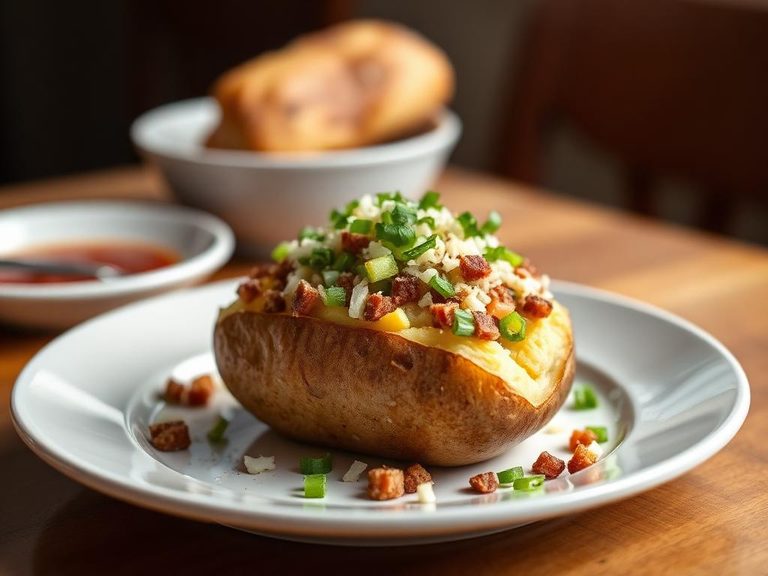
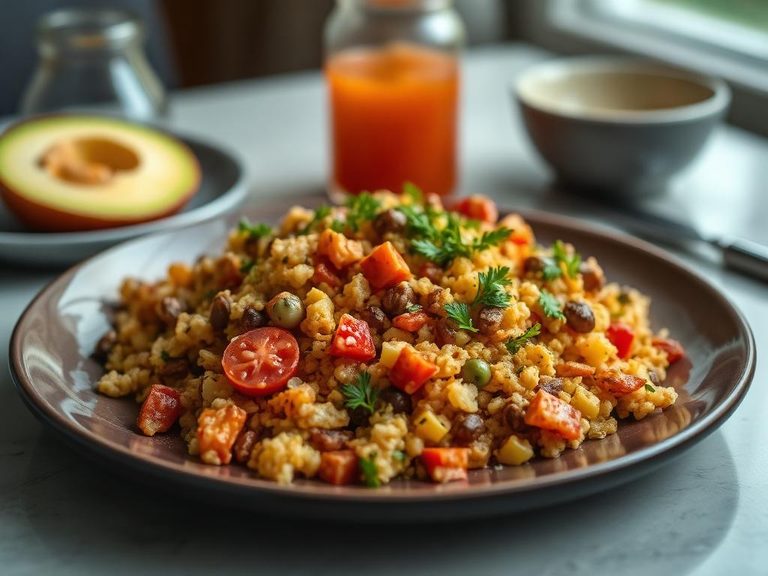
🍽️ Popular dishes
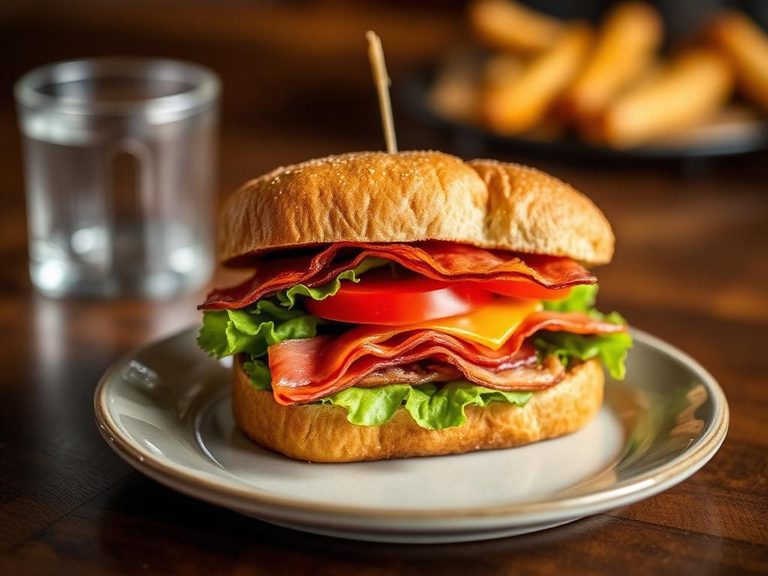
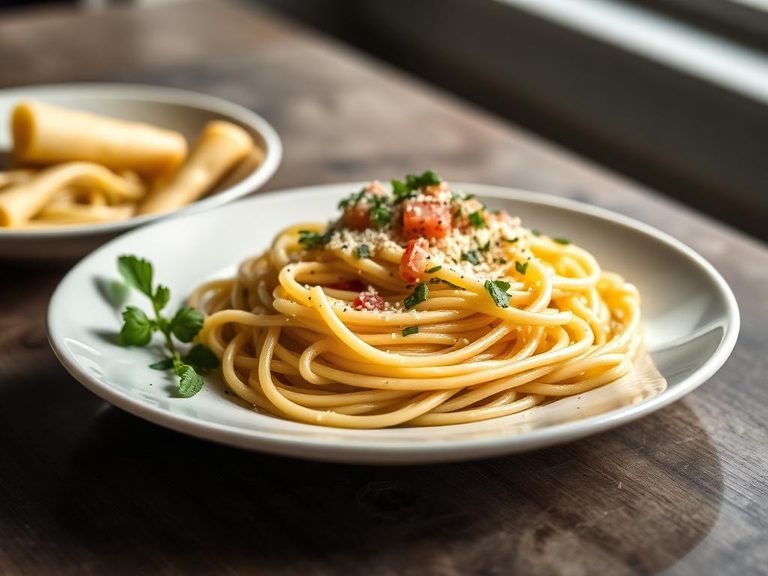
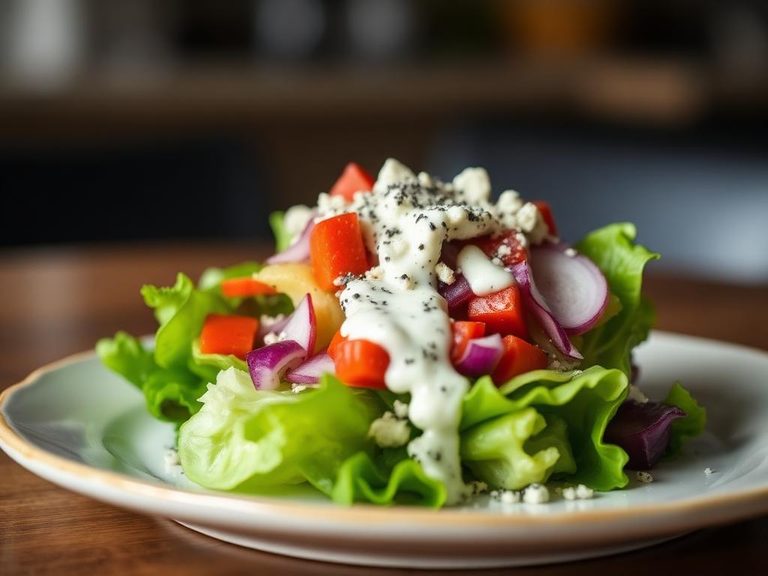
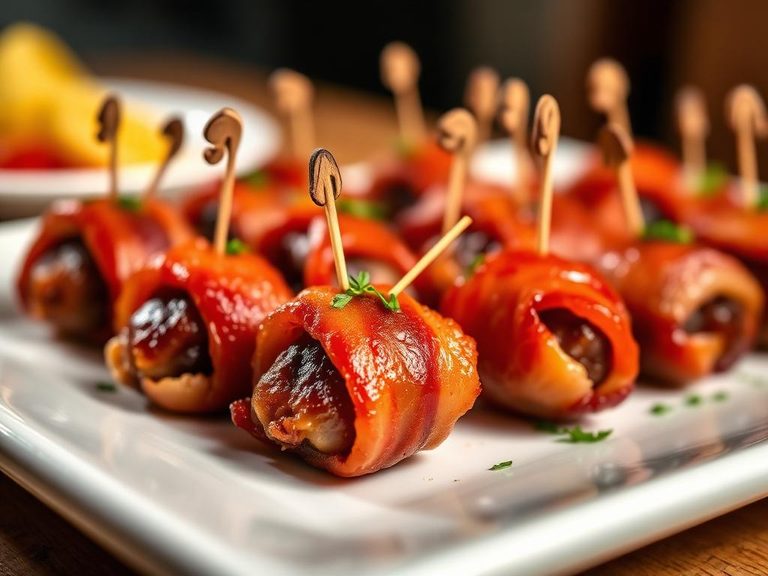
🌍 Where it's eaten
💡 Did you know?
The word 'bacon' comes from the Old High German 'bacho', meaning 'back', and the practice of smoking pork belly for preservation dates back to at least 1500 BCE in China.
Full nutrition (USDA data · scales with serving)
| Water | 12.3 g |
| Energy | 541 kcal |
| Protein | 37.0 g |
| Total lipid (fat) | 41.8 g |
| Carbohydrate, by difference | 1.4 g |
| Fiber, total dietary | 0.00 g |
| Total Sugars | 0.00 g |
| Calcium, Ca | 11.0 mg |
| Iron, Fe | 1.4 mg |
| Magnesium, Mg | 33.0 mg |
| Phosphorus, P | 533 mg |
| Potassium, K | 565 mg |
| Sodium, Na | 1030 mg |
| Zinc, Zn | 3.5 mg |
| Copper, Cu | 0.16 mg |
| Selenium, Se | 62.0 ug |
| Vitamin C, total ascorbic acid | 0.00 mg |
| Thiamin | 0.40 mg |
| Riboflavin | 0.26 mg |
| Niacin | 11.1 mg |
| Vitamin B-6 | 0.35 mg |
| Folate, total | 2.0 ug |
| Folic acid | 0.00 ug |
| Folate, food | 2.0 ug |
| Folate, DFE | 2.0 ug |
| Choline, total | 123 mg |
| Vitamin B-12 | 1.2 ug |
| Vitamin B-12, added | 0.00 ug |
| Vitamin A, RAE | 11.0 ug |
| Retinol | 11.0 ug |
| Carotene, beta | 0.00 ug |
| Carotene, alpha | 0.00 ug |
| Cryptoxanthin, beta | 0.00 ug |
| Lycopene | 0.00 ug |
| Lutein + zeaxanthin | 0.00 ug |
| Vitamin E (alpha-tocopherol) | 0.31 mg |
| Vitamin E, added | 0.00 mg |
| Vitamin D (D2 + D3) | 1.0 ug |
| Vitamin K (phylloquinone) | 0.10 ug |
| Alcohol, ethyl | 0.00 g |
| Caffeine | 0.00 mg |
| Theobromine | 0.00 mg |
Fat & fatty acid profile (per 100g)
| Fatty acids, total saturated | 13.7 g |
| SFA 4:0 | 0.00 g |
| SFA 6:0 | 0.00 g |
| SFA 8:0 | 0.00 g |
| SFA 10:0 | 0.01 g |
| SFA 12:0 | 0.00 g |
| SFA 14:0 | 0.53 g |
| SFA 16:0 | 8.7 g |
| SFA 18:0 | 4.3 g |
| Fatty acids, total monounsaturated | 18.5 g |
| MUFA 16:1 | 1.2 g |
| MUFA 18:1 | 16.9 g |
| MUFA 20:1 | 0.32 g |
| MUFA 22:1 | 0.00 g |
| Fatty acids, total polyunsaturated | 4.5 g |
| PUFA 18:2 | 4.0 g |
| PUFA 18:3 | 0.20 g |
| PUFA 18:4 | 0.00 g |
| PUFA 20:4 | 0.15 g |
| PUFA 20:5 n-3 (EPA) | 0.00 g |
| PUFA 22:5 n-3 (DPA) | 0.00 g |
| PUFA 22:6 n-3 (DHA) | 0.00 g |
| Cholesterol | 110 mg |
Amino acid profile (per 100g)
Estimated from Pork, cured, bacon, cooked, broiled, pan-fried or roasted, reduced sodium — USDA does not publish this profile for Pork bacon.
| Tryptophan | 0.31 g |
| Threonine | 1.4 g |
| Isoleucine | 1.7 g |
| Leucine | 2.9 g |
| Lysine | 3.1 g |
| Methionine | 0.82 g |
| Cystine | 0.41 g |
| Phenylalanine | 1.5 g |
| Tyrosine | 1.2 g |
| Valine | 2.0 g |
| Arginine | 2.4 g |
| Histidine | 1.4 g |
| Alanine | 2.4 g |
| Aspartic acid | 3.5 g |
| Glutamic acid | 5.5 g |
| Glycine | 2.6 g |
| Proline | 2.0 g |
| Serine | 1.4 g |
| Hydroxyproline | 0.65 g |
FAQ
How does reduced sodium bacon taste compared to regular?
It typically has a milder saltiness, allowing the smoky and pork flavors to be more prominent. The difference is noticeable but still savory and satisfying.
Is it suitable for a low-carb or keto diet?
Yes, with only 1.43g of carbs per 100g, it is very low in carbohydrates and fits well into low-carb and ketogenic diets, though portion control is advised due to its fat and calorie density.
What's the best way to cook it for maximum crispiness?
Baking on a wire rack over a sheet pan at 400°F (200°C) is highly effective, allowing fat to render evenly for uniform crispness without the need for constant flipping.
Nutrient density (calculated · NRF9.3)
Nutrient Rich Foods index: beneficial nutrients (protein, fiber, vitamins, minerals) minus saturated fat, added sugar & sodium, per 100 kcal.
NRF9.3 index — Fulgoni, Keast & Drewnowski, 2009. Computed from USDA nutrients.
Weight-loss friendliness (composite index)
Energy density 5.41 kcal/g · 27% calories from protein · 0.0 g fiber · 0.0 g sugar per 100 g.
Composite of energy density (Rolls et al., 1999), protein & fiber satiety, minus sugar. A calculated heuristic — ranks satiety-per-calorie, not a clinical measure.
Dietary load (calculated from USDA values)
Potential renal acid load. Positive = acid-forming, negative = alkaline-forming.
Sodium-to-potassium ratio: 1.82 (lower is better — aim for ≤ 1)
Sodium:potassium per WHO potassium guidance. Computed from USDA nutrients.