

Plum, raw
Common food

Photo: Wikipedia
A raw plum is a stone fruit with a smooth, often waxy skin and juicy, tender flesh that ranges from vibrant yellow to deep purple. Its flavor is a delightful balance of sweet and tart, with a floral aroma that intensifies as it ripens. Nutritionally, it's a low-calorie, hydrating snack that provides a good source of vitamin C and dietary fiber.
Calorie split: 5% protein · 90% carbs · 5% fat
↓ Full nutrition💚 Why it's loved
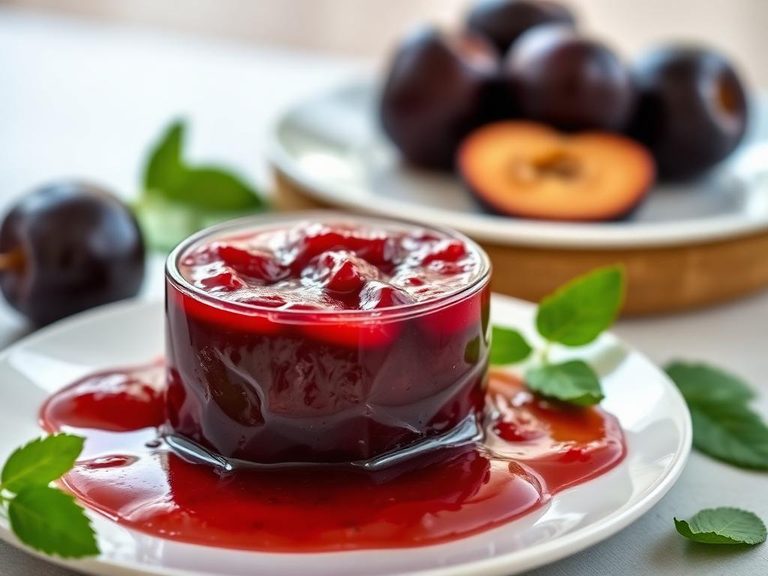
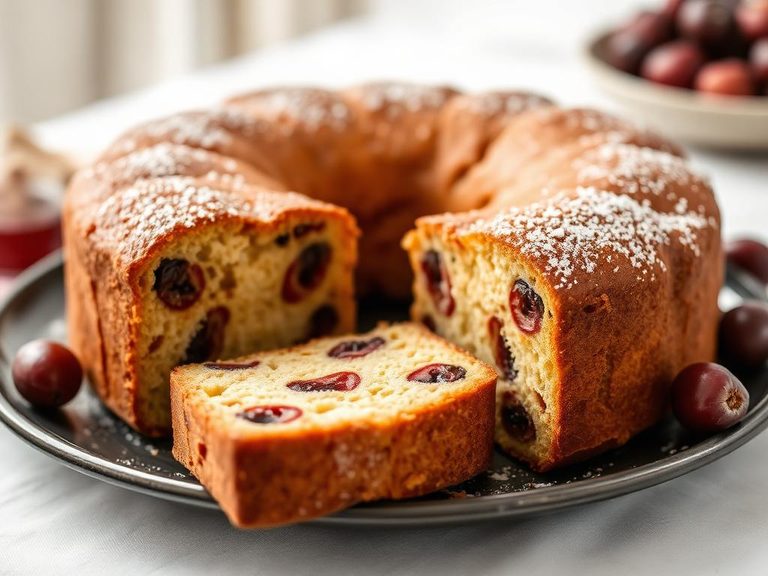
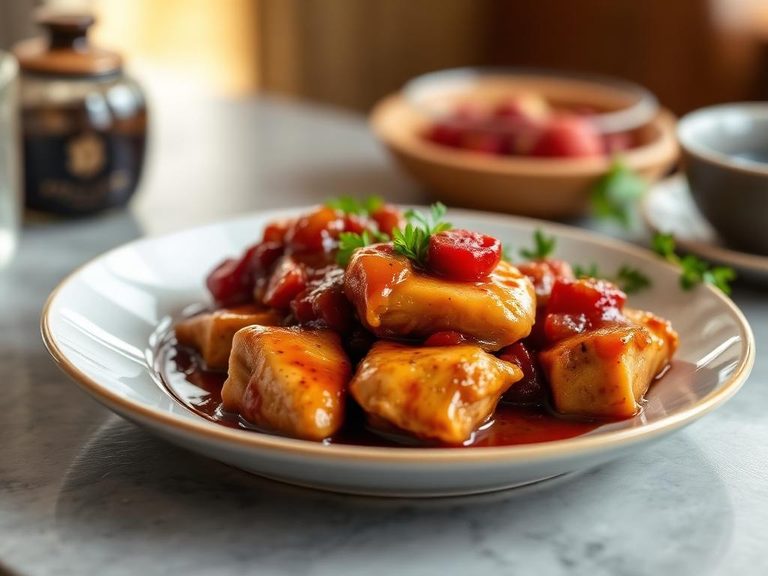
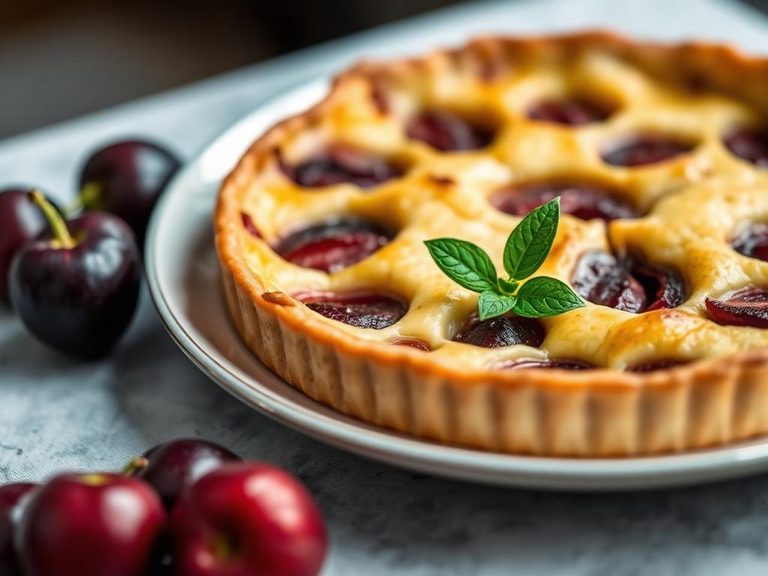
People love plums for their perfect portability and the burst of sweet-tart juice they offer. Their versatility shines in both fresh eating and as a star ingredient in jams, sauces, and baked goods.
⚠️ Watch-outs & how to enjoy it better
The natural sugars can cause a quick blood-sugar rise, especially when eaten alone in large quantities. To mitigate this, pair a plum with a source of protein or fat, like a handful of nuts or a piece of cheese, to slow sugar absorption. Those with sensitive digestive systems may also find the skin and fiber content mildly irritating.
Key benefits
- Excellent source of vitamin C for immune support and skin health.
- Contains dietary fiber, including soluble fiber, to aid digestion.
- Rich in antioxidants like anthocyanins, especially in purple varieties.
- Low in calories and high in water content, aiding hydration.
- Provides small amounts of potassium and vitamin K.
🍽️ Popular dishes
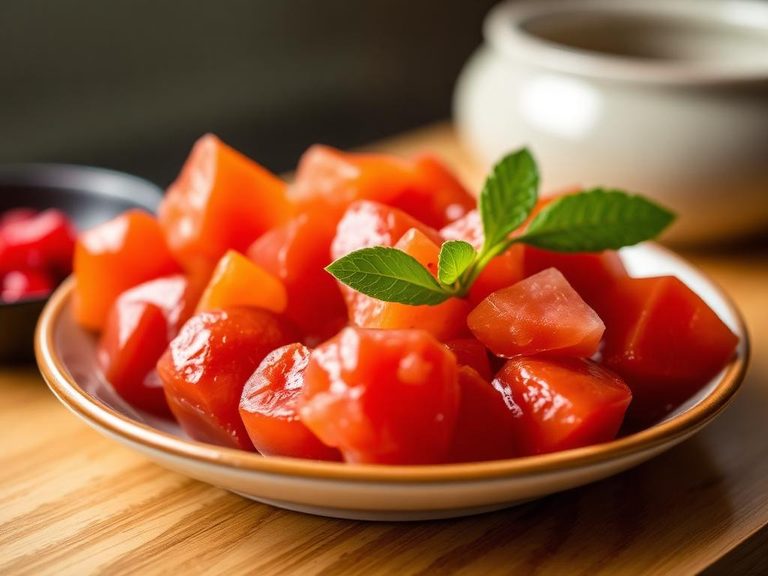
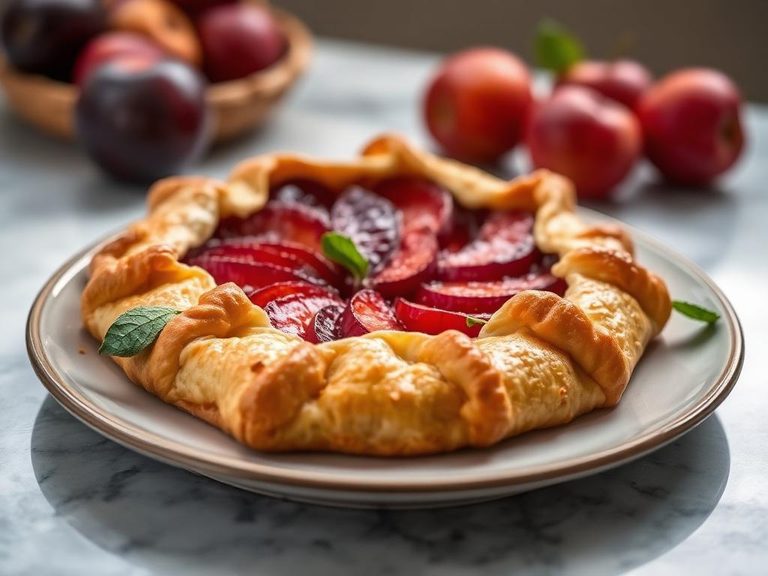
🌍 Where it's eaten
💡 Did you know?
The 'bloom'—a natural, dusty-white powder on a plum's skin—is actually a protective coating of edible wax that helps the fruit retain moisture and resist decay.
Full nutrition (USDA data · scales with serving)
| Water | 87.2 g |
| Energy | 46.0 kcal |
| Protein | 0.70 g |
| Total lipid (fat) | 0.28 g |
| Carbohydrate, by difference | 11.4 g |
| Fiber, total dietary | 1.4 g |
| Total Sugars | 9.9 g |
| Calcium, Ca | 6.0 mg |
| Iron, Fe | 0.17 mg |
| Magnesium, Mg | 7.0 mg |
| Phosphorus, P | 16.0 mg |
| Potassium, K | 157 mg |
| Sodium, Na | 0.00 mg |
| Zinc, Zn | 0.10 mg |
| Copper, Cu | 0.06 mg |
| Selenium, Se | 0.00 ug |
| Vitamin C, total ascorbic acid | 9.5 mg |
| Thiamin | 0.03 mg |
| Riboflavin | 0.03 mg |
| Niacin | 0.42 mg |
| Vitamin B-6 | 0.03 mg |
| Folate, total | 5.0 ug |
| Folic acid | 0.00 ug |
| Folate, food | 5.0 ug |
| Folate, DFE | 5.0 ug |
| Choline, total | 1.9 mg |
| Vitamin B-12 | 0.00 ug |
| Vitamin B-12, added | 0.00 ug |
| Vitamin A, RAE | 17.0 ug |
| Retinol | 0.00 ug |
| Carotene, beta | 190 ug |
| Carotene, alpha | 0.00 ug |
| Cryptoxanthin, beta | 35.0 ug |
| Lycopene | 0.00 ug |
| Lutein + zeaxanthin | 73.0 ug |
| Vitamin E (alpha-tocopherol) | 0.26 mg |
| Vitamin E, added | 0.00 mg |
| Vitamin D (D2 + D3) | 0.00 ug |
| Vitamin K (phylloquinone) | 6.4 ug |
| Alcohol, ethyl | 0.00 g |
| Caffeine | 0.00 mg |
| Theobromine | 0.00 mg |
Fat & fatty acid profile (per 100g)
| Fatty acids, total saturated | 0.02 g |
| SFA 4:0 | 0.00 g |
| SFA 6:0 | 0.00 g |
| SFA 8:0 | 0.00 g |
| SFA 10:0 | 0.00 g |
| SFA 12:0 | 0.00 g |
| SFA 14:0 | 0.00 g |
| SFA 16:0 | 0.01 g |
| SFA 18:0 | 0.00 g |
| Fatty acids, total monounsaturated | 0.13 g |
| MUFA 16:1 | 0.00 g |
| MUFA 18:1 | 0.13 g |
| MUFA 20:1 | 0.00 g |
| MUFA 22:1 | 0.00 g |
| Fatty acids, total polyunsaturated | 0.04 g |
| PUFA 18:2 | 0.04 g |
| PUFA 18:3 | 0.00 g |
| PUFA 18:4 | 0.00 g |
| PUFA 20:4 | 0.00 g |
| PUFA 20:5 n-3 (EPA) | 0.00 g |
| PUFA 22:5 n-3 (DPA) | 0.00 g |
| PUFA 22:6 n-3 (DHA) | 0.00 g |
| Cholesterol | 0.00 mg |
Amino acid profile (per 100g)
Estimated from Plums, canned, purple, light syrup pack, solids and liquids — USDA does not publish this profile for Plum.
| Threonine | 0.01 g |
| Isoleucine | 0.01 g |
| Leucine | 0.01 g |
| Lysine | 0.01 g |
| Methionine | 0.00 g |
| Cystine | 0.00 g |
| Phenylalanine | 0.01 g |
| Tyrosine | 0.00 g |
| Valine | 0.01 g |
| Arginine | 0.01 g |
| Histidine | 0.01 g |
| Alanine | 0.01 g |
| Aspartic acid | 0.12 g |
| Glutamic acid | 0.02 g |
| Glycine | 0.01 g |
| Proline | 0.02 g |
| Serine | 0.01 g |
FAQ
What's the difference between a plum and a prune?
A prune is simply a plum that has been dried. Drying concentrates the sugars and creates a chewier texture, making prunes a well-known natural remedy for constipation due to their high fiber and sorbitol content.
How do I know when a plum is perfectly ripe?
Look for plums that are firm but yield slightly to gentle pressure near the stem. The skin should be smooth and free of blemishes, and the fruit should have a fragrant, sweet aroma. Color alone isn't always a reliable indicator, as some varieties remain green or yellow when ripe.
Are plum skins edible and nutritious?
Yes, plum skins are completely edible and are where many of the fruit's antioxidants, like anthocyanins, are concentrated. Simply wash the plum thoroughly before eating.
Nutrient density (calculated · NRF9.3)
Nutrient Rich Foods index: beneficial nutrients (protein, fiber, vitamins, minerals) minus saturated fat, added sugar & sodium, per 100 kcal.
NRF9.3 index — Fulgoni, Keast & Drewnowski, 2009. Computed from USDA nutrients.
Weight-loss friendliness (composite index)
Energy density 0.46 kcal/g · 6% calories from protein · 1.4 g fiber · 9.9 g sugar per 100 g.
Composite of energy density (Rolls et al., 1999), protein & fiber satiety, minus sugar. A calculated heuristic — ranks satiety-per-calorie, not a clinical measure.
Dietary load (calculated from USDA values)
Potential renal acid load. Positive = acid-forming, negative = alkaline-forming.
Sodium-to-potassium ratio: 0.00 (lower is better — aim for ≤ 1)
Sodium:potassium per WHO potassium guidance. Computed from USDA nutrients.