

Pimiento
Common food

Photo: Wikipedia
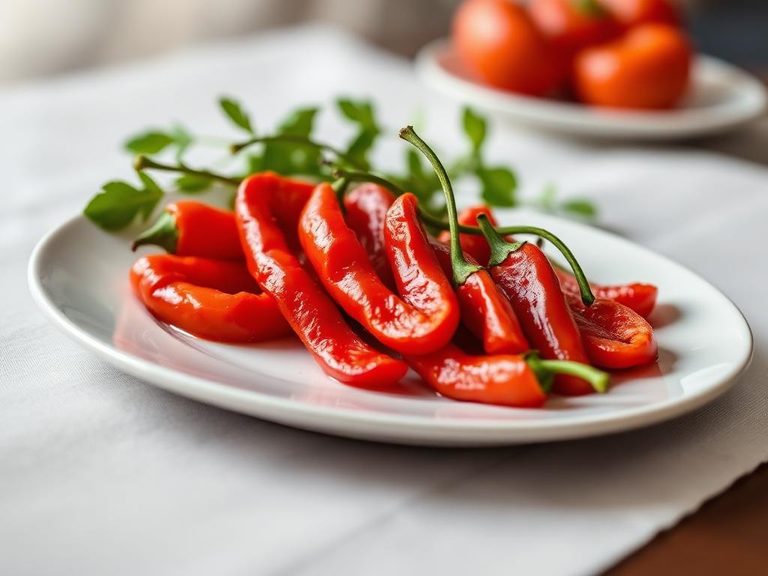
A pimiento (also spelled pimento) is a variety of red, heart-shaped cherry pepper known for its thick, juicy flesh and mild, sweet flavor with virtually no heat. Its smooth, glossy skin and tender texture make it ideal for both fresh eating and cooking. Nutritionally, it's a low-calorie, high-fiber vegetable that's an excellent source of vitamin C.
Calorie split: 16% protein · 74% carbs · 10% fat
↓ Full nutrition💚 Why it's loved
People love pimientos for their sweet, fruity flavor and satisfying crunch, which adds vibrant color and a mild pepper taste to dishes without overwhelming heat. They are a cornerstone of Southern U.S. cuisine and a beloved staple in Spanish tapas.
⚠️ Watch-outs & how to enjoy it better
While mild, pimientos are nightshades and contain solanine, which some individuals with joint issues or sensitivities may wish to limit. Their natural sugars can contribute to blood sugar rises if eaten in very large quantities alone. To counteract this, pair them with protein or healthy fats (like in a cheese spread) and practice portion control.
Key benefits
- Very low in calories and fat
- Excellent source of immune-supporting vitamin C
- Good source of dietary fiber for digestive health
- Contains antioxidants like capsanthin
- Provides vitamin A for eye health
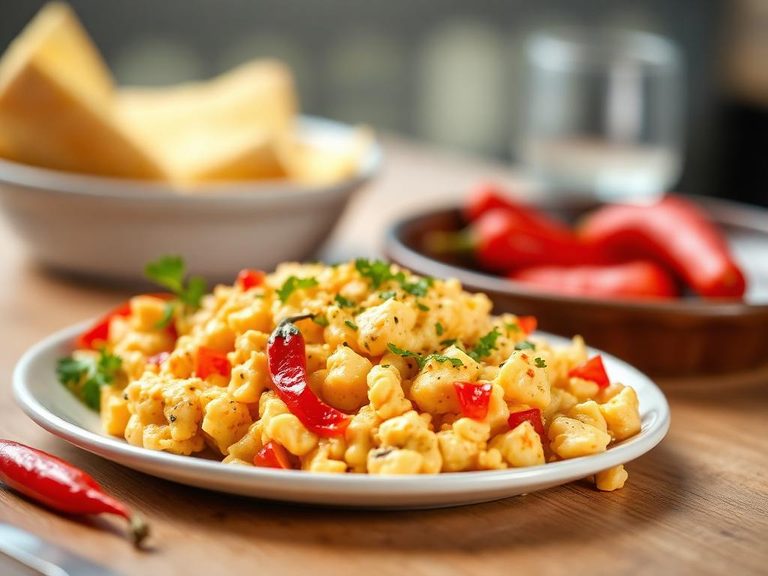
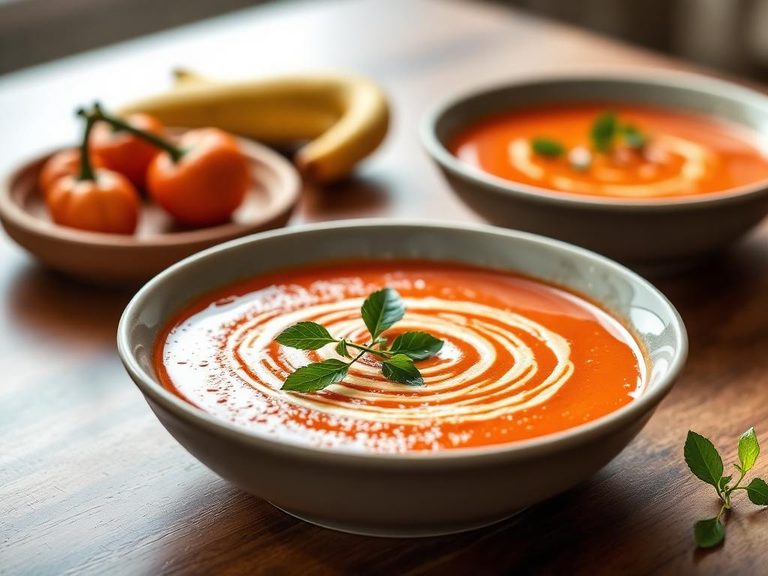
🍽️ Popular dishes
🌍 Where it's eaten
💡 Did you know?
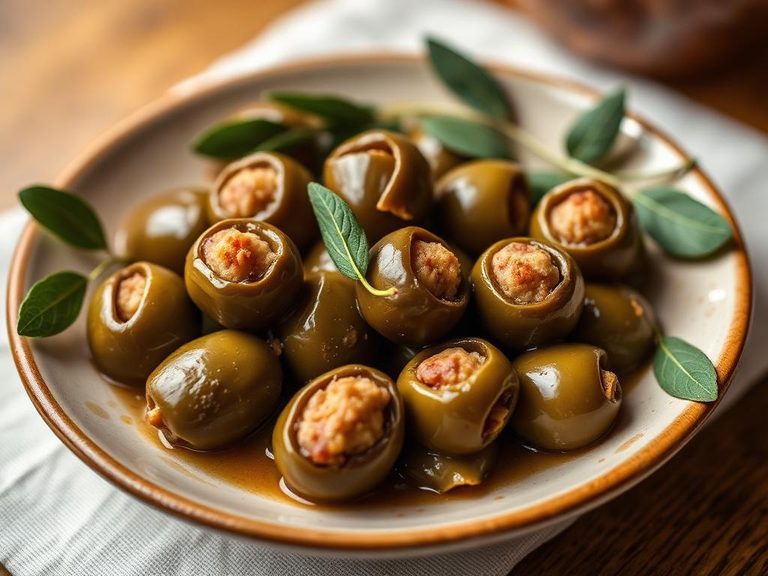
The pimiento is the original 'pimento' used to stuff the iconic green Manzanilla olive, a practice that began in Spain.
Full nutrition (USDA data · scales with serving)
| Water | 91.5 g |
| Energy | 28.0 kcal |
| Protein | 1.4 g |
| Total lipid (fat) | 0.37 g |
| Carbohydrate, by difference | 6.2 g |
| Fiber, total dietary | 2.3 g |
| Total Sugars | 3.3 g |
| Calcium, Ca | 7.0 mg |
| Iron, Fe | 2.1 mg |
| Magnesium, Mg | 7.0 mg |
| Phosphorus, P | 21.0 mg |
| Potassium, K | 193 mg |
| Sodium, Na | 17.0 mg |
| Zinc, Zn | 0.23 mg |
| Copper, Cu | 0.06 mg |
| Selenium, Se | 0.20 ug |
| Vitamin C, total ascorbic acid | 104 mg |
| Thiamin | 0.02 mg |
| Riboflavin | 0.07 mg |
| Niacin | 0.75 mg |
| Vitamin B-6 | 0.26 mg |
| Folate, total | 7.0 ug |
| Folic acid | 0.00 ug |
| Folate, food | 7.0 ug |
| Folate, DFE | 7.0 ug |
| Choline, total | 7.7 mg |
| Vitamin B-12 | 0.00 ug |
| Vitamin B-12, added | 0.00 ug |
| Vitamin A, RAE | 163 ug |
| Retinol | 0.00 ug |
| Carotene, beta | 1804 ug |
| Carotene, alpha | 291 ug |
| Cryptoxanthin, beta | 0.00 ug |
| Lycopene | 0.00 ug |
| Lutein + zeaxanthin | 448 ug |
| Vitamin E (alpha-tocopherol) | 0.84 mg |
| Vitamin E, added | 0.00 mg |
| Vitamin D (D2 + D3) | 0.00 ug |
| Vitamin K (phylloquinone) | 10.2 ug |
| Alcohol, ethyl | 0.00 g |
| Caffeine | 0.00 mg |
| Theobromine | 0.00 mg |
Fat & fatty acid profile (per 100g)
| Fatty acids, total saturated | 0.06 g |
| SFA 4:0 | 0.00 g |
| SFA 6:0 | 0.00 g |
| SFA 8:0 | 0.00 g |
| SFA 10:0 | 0.00 g |
| SFA 12:0 | 0.00 g |
| SFA 14:0 | 0.00 g |
| SFA 16:0 | 0.04 g |
| SFA 18:0 | 0.01 g |
| Fatty acids, total monounsaturated | 0.02 g |
| MUFA 16:1 | 0.00 g |
| MUFA 18:1 | 0.02 g |
| MUFA 20:1 | 0.00 g |
| MUFA 22:1 | 0.00 g |
| Fatty acids, total polyunsaturated | 0.20 g |
| PUFA 18:2 | 0.18 g |
| PUFA 18:3 | 0.02 g |
| PUFA 18:4 | 0.00 g |
| PUFA 20:4 | 0.00 g |
| PUFA 20:5 n-3 (EPA) | 0.00 g |
| PUFA 22:5 n-3 (DPA) | 0.00 g |
| PUFA 22:6 n-3 (DHA) | 0.00 g |
| Cholesterol | 0.00 mg |
Amino acid profile (per 100g)
Estimated from Pickle and pimiento loaf, pork — USDA does not publish this profile for Pimiento.
| Tryptophan | 0.11 g |
| Threonine | 0.41 g |
| Isoleucine | 0.45 g |
| Leucine | 0.75 g |
| Lysine | 0.80 g |
| Methionine | 0.26 g |
| Cystine | 0.14 g |
| Phenylalanine | 0.39 g |
| Tyrosine | 0.33 g |
| Valine | 0.48 g |
| Arginine | 0.86 g |
| Histidine | 0.31 g |
| Alanine | 0.62 g |
| Aspartic acid | 0.92 g |
| Glutamic acid | 1.7 g |
| Glycine | 0.70 g |
| Proline | 0.53 g |
| Serine | 0.42 g |
FAQ
What's the difference between a pimiento and a pimento?
They are the same pepper. 'Pimiento' is the standard Spanish spelling, while 'pimento' is an anglicized version, commonly used in the context of pimento cheese and stuffed olives.
Are pimientos spicy?
No, pimientos are classified as a sweet pepper with a Scoville heat unit (SHU) rating of 100-500, making them virtually heat-free compared to a jalapeño's 2,500-8,000 SHU.
Can I substitute another pepper for pimiento?
For a similar mild, sweet flavor, a red bell pepper is the best substitute, though it will be less juicy. For a closer match in size and shape, a small red cherry pepper can work.
Nutrient density (calculated · NRF9.3)
Nutrient Rich Foods index: beneficial nutrients (protein, fiber, vitamins, minerals) minus saturated fat, added sugar & sodium, per 100 kcal.
NRF9.3 index — Fulgoni, Keast & Drewnowski, 2009. Computed from USDA nutrients.
Weight-loss friendliness (composite index)
Energy density 0.28 kcal/g · 19% calories from protein · 2.3 g fiber · 3.3 g sugar per 100 g.
Composite of energy density (Rolls et al., 1999), protein & fiber satiety, minus sugar. A calculated heuristic — ranks satiety-per-calorie, not a clinical measure.
Dietary load (calculated from USDA values)
Potential renal acid load. Positive = acid-forming, negative = alkaline-forming.
Sodium-to-potassium ratio: 0.09 (lower is better — aim for ≤ 1)
Sodium:potassium per WHO potassium guidance. Computed from USDA nutrients.