

Peppers, hot, raw
Common food

Photo: Wikipedia
Hot peppers are the fiery, aromatic fruits of the Capsicum genus, prized for their crisp texture and a heat that ranges from a gentle tingle to a blistering burn. Nutritionally, they are remarkably low in calories (34 kcal per 100g) while being a potent source of vitamin C and capsaicin, the compound responsible for their signature spice. Their vibrant colors—from green to red to yellow—signal a spectrum of flavors from grassy and bright to sweet and smoky.
Calorie split: 14% protein · 77% carbs · 9% fat
↓ Full nutrition💚 Why it's loved
People love hot peppers for their ability to instantly elevate a dish with complex, layered heat and vibrant flavor, transforming simple meals into memorable experiences. Their versatility is unmatched—they can be fresh, pickled, dried, or fermented, and they are a cornerstone of cuisines worldwide, from the smoky chipotles of Mexico to the fiery sambals of Southeast Asia.
⚠️ Watch-outs & how to enjoy it better
The intense capsaicin can cause digestive discomfort (heartburn, irritation) for those with sensitive stomachs or conditions like IBS, and it may temporarily spike blood sugar in some individuals. To counteract this, pair hot peppers with protein or healthy fats (e.g., avocado, yogurt) to slow absorption, start with small portions, and consider cooking them to mellow the heat and reduce potential irritants.
Key benefits
- Excellent source of vitamin C, supporting immune function and skin health.
- Contains capsaicin, which may boost metabolism and reduce appetite.
- Low in calories and carbohydrates, making it ideal for weight management.
- Provides dietary fiber (2.2g per 100g) to aid digestion.
- Rich in antioxidants like carotenoids (capsanthin, beta-carotene).
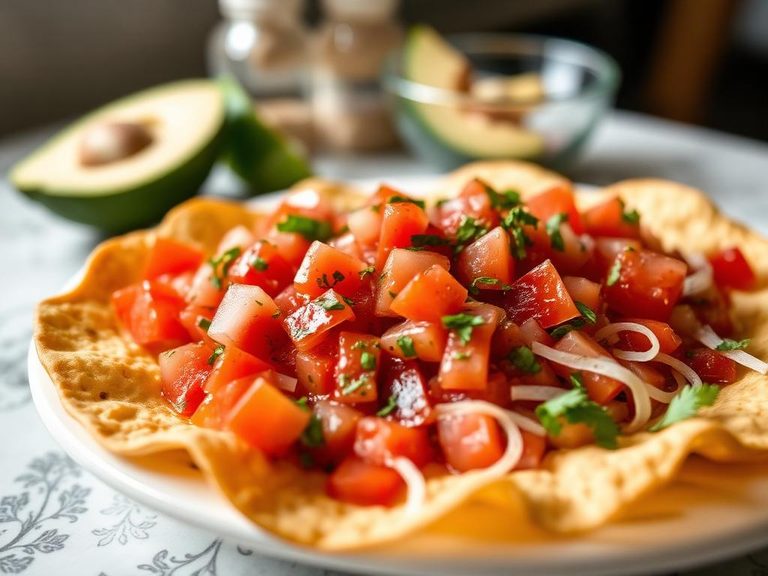
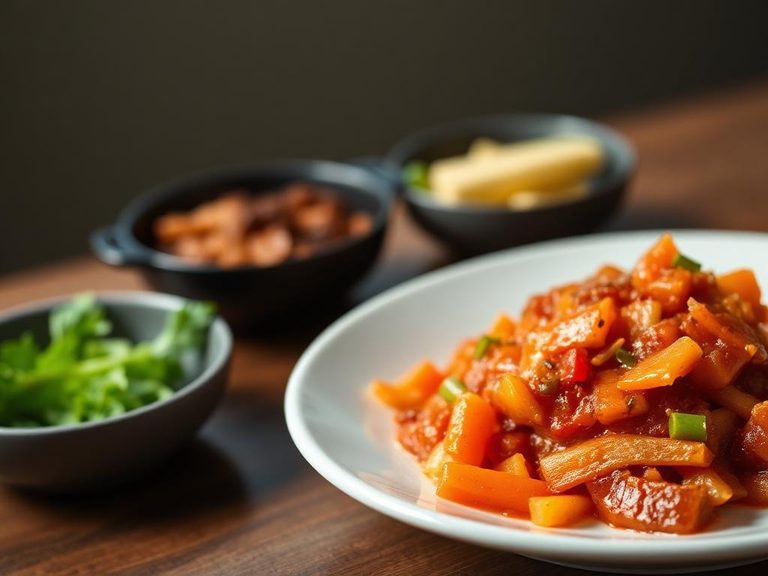
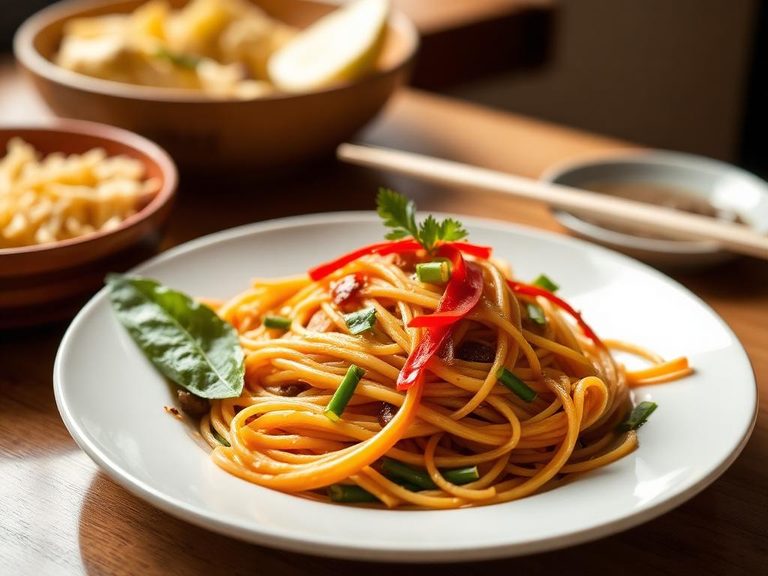
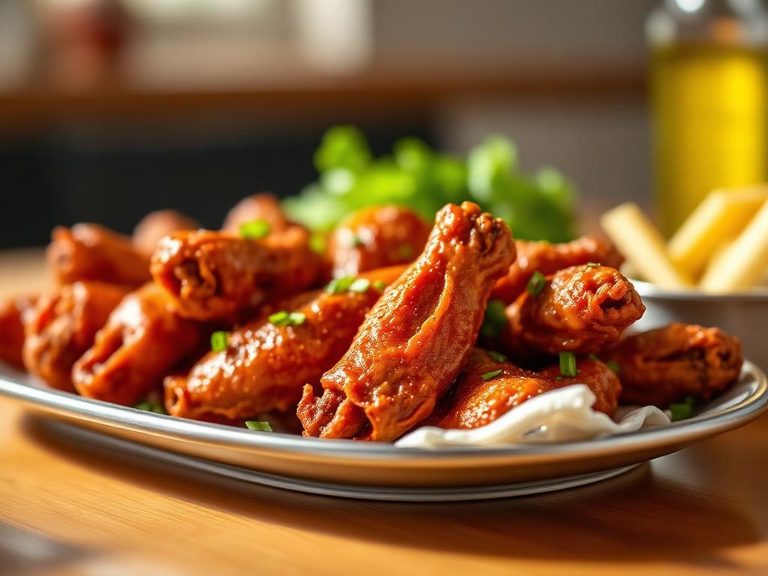
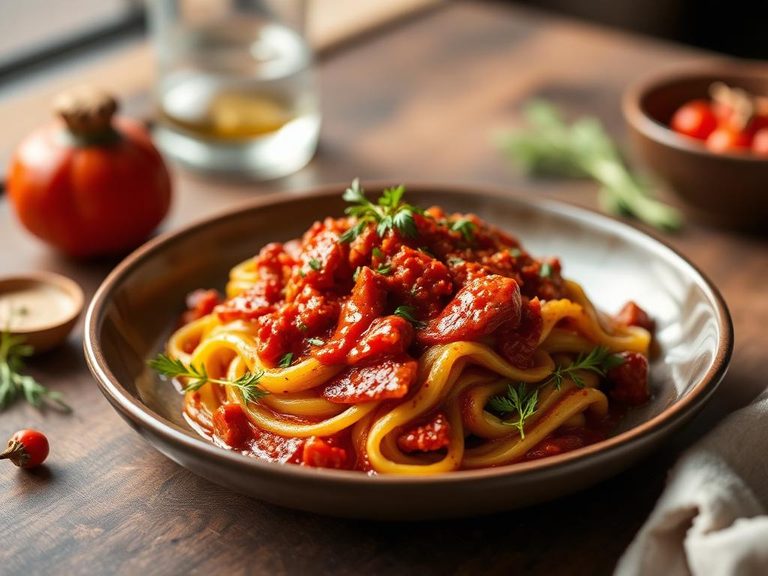
🍽️ Popular dishes

🌍 Where it's eaten
💡 Did you know?
The heat of a hot pepper is measured in Scoville Heat Units (SHU); the Carolina Reaper holds the Guinness World Record at over 2.2 million SHU, while a bell pepper has 0 SHU.
Full nutrition (USDA data · scales with serving)
| Water | 89.9 g |
| Energy | 34.0 kcal |
| Protein | 1.4 g |
| Total lipid (fat) | 0.40 g |
| Carbohydrate, by difference | 7.7 g |
| Fiber, total dietary | 2.2 g |
| Total Sugars | 4.7 g |
| Calcium, Ca | 13.0 mg |
| Iron, Fe | 0.64 mg |
| Magnesium, Mg | 19.0 mg |
| Phosphorus, P | 34.0 mg |
| Potassium, K | 285 mg |
| Sodium, Na | 6.0 mg |
| Zinc, Zn | 0.20 mg |
| Copper, Cu | 0.09 mg |
| Selenium, Se | 0.40 ug |
| Vitamin C, total ascorbic acid | 131 mg |
| Thiamin | 0.06 mg |
| Riboflavin | 0.08 mg |
| Niacin | 1.3 mg |
| Vitamin B-6 | 0.46 mg |
| Folate, total | 25.0 ug |
| Folic acid | 0.00 ug |
| Folate, food | 25.0 ug |
| Folate, DFE | 25.0 ug |
| Choline, total | 9.2 mg |
| Vitamin B-12 | 0.00 ug |
| Vitamin B-12, added | 0.00 ug |
| Vitamin A, RAE | 51.0 ug |
| Retinol | 0.00 ug |
| Carotene, beta | 548 ug |
| Carotene, alpha | 52.0 ug |
| Cryptoxanthin, beta | 72.0 ug |
| Lycopene | 0.00 ug |
| Lutein + zeaxanthin | 785 ug |
| Vitamin E (alpha-tocopherol) | 2.1 mg |
| Vitamin E, added | 0.00 mg |
| Vitamin D (D2 + D3) | 0.00 ug |
| Vitamin K (phylloquinone) | 16.2 ug |
| Alcohol, ethyl | 0.00 g |
| Caffeine | 0.00 mg |
| Theobromine | 0.00 mg |
Fat & fatty acid profile (per 100g)
| Fatty acids, total saturated | 0.07 g |
| SFA 4:0 | 0.00 g |
| SFA 6:0 | 0.00 g |
| SFA 8:0 | 0.00 g |
| SFA 10:0 | 0.00 g |
| SFA 12:0 | 0.00 g |
| SFA 14:0 | 0.01 g |
| SFA 16:0 | 0.04 g |
| SFA 18:0 | 0.01 g |
| Fatty acids, total monounsaturated | 0.03 g |
| MUFA 16:1 | 0.00 g |
| MUFA 18:1 | 0.02 g |
| MUFA 20:1 | 0.00 g |
| MUFA 22:1 | 0.00 g |
| Fatty acids, total polyunsaturated | 0.18 g |
| PUFA 18:2 | 0.14 g |
| PUFA 18:3 | 0.03 g |
| PUFA 18:4 | 0.00 g |
| PUFA 20:4 | 0.00 g |
| PUFA 20:5 n-3 (EPA) | 0.00 g |
| PUFA 22:5 n-3 (DPA) | 0.00 g |
| PUFA 22:6 n-3 (DHA) | 0.00 g |
| Cholesterol | 0.00 mg |
Amino acid profile (per 100g)
Estimated from Peppers, sweet, green, raw — USDA does not publish this profile for Peppers.
| Tryptophan | 0.01 g |
| Threonine | 0.04 g |
| Isoleucine | 0.02 g |
| Leucine | 0.04 g |
| Lysine | 0.04 g |
| Methionine | 0.01 g |
| Cystine | 0.01 g |
| Phenylalanine | 0.09 g |
| Tyrosine | 0.01 g |
| Valine | 0.04 g |
| Arginine | 0.03 g |
| Histidine | 0.01 g |
| Alanine | 0.04 g |
| Aspartic acid | 0.21 g |
| Glutamic acid | 0.19 g |
| Glycine | 0.03 g |
| Proline | 0.02 g |
| Serine | 0.05 g |
FAQ
How can I reduce the heat of a hot pepper?
Remove the seeds and white pith (where most capsaicin is concentrated), soak in cold water, or cook it to mellow the spice.
Are hot peppers good for weight loss?
Yes, they are low in calories and capsaicin may boost metabolism and reduce appetite, but they are not a magic solution on their own.
Can hot peppers cause stomach issues?
Yes, they can irritate the digestive tract in some people, especially those with GERD or IBS; pairing with dairy or fat can help.
Nutrient density (calculated · NRF9.3)
Nutrient Rich Foods index: beneficial nutrients (protein, fiber, vitamins, minerals) minus saturated fat, added sugar & sodium, per 100 kcal.
NRF9.3 index — Fulgoni, Keast & Drewnowski, 2009. Computed from USDA nutrients.
Weight-loss friendliness (composite index)
Energy density 0.34 kcal/g · 16% calories from protein · 2.2 g fiber · 4.7 g sugar per 100 g.
Composite of energy density (Rolls et al., 1999), protein & fiber satiety, minus sugar. A calculated heuristic — ranks satiety-per-calorie, not a clinical measure.
Dietary load (calculated from USDA values)
Potential renal acid load. Positive = acid-forming, negative = alkaline-forming.
Sodium-to-potassium ratio: 0.02 (lower is better — aim for ≤ 1)
Sodium:potassium per WHO potassium guidance. Computed from USDA nutrients.