

Onions, frozen, chopped, cooked, boiled, drained, with salt
Whole food · Vegetables and Vegetable Products

Photo: Wikipedia
Frozen chopped onions, boiled and drained with salt, offer a soft, translucent texture and a mellow, sweet-savory flavor that forms the backbone of countless recipes. With just 26 calories per 100g, they are a low-energy, fiber-rich base that provides a convenient, year-round alternative to fresh onions. Their pre-chopped nature and mild taste make them a quick, reliable staple for soups, stews, and sauces.
Calorie split: 11% protein · 86% carbs · 3% fat
↓ Full nutrition💚 Why it's loved
People love them for their sweet, caramelized depth and the sheer convenience of having perfectly chopped onions ready to toss into any dish. They are a universal flavor foundation, beloved in cuisines worldwide for building savory, aromatic bases without the tears.
⚠️ Watch-outs & how to enjoy it better
The added salt can contribute to excess sodium intake, especially for those monitoring blood pressure. To counteract this, rinse the boiled onions briefly under water before using, or use them in dishes with other low-sodium ingredients. Their soft texture may not suit recipes requiring a crisp bite, so consider adding them later in the cooking process for a bit of texture.
Key benefits
- Extremely low in calories and fat, supporting weight management.
- Good source of dietary fiber (1.7g per 100g) for digestive health.
- Provides quick energy from natural sugars without excess calories.
- Pre-chopped and frozen for convenience and reduced food waste.
- Retains key nutrients like vitamin C and B vitamins after boiling.
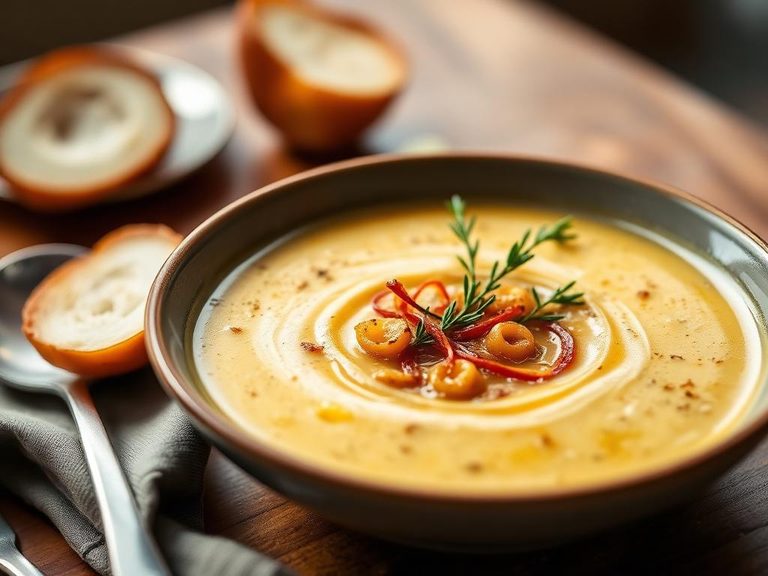
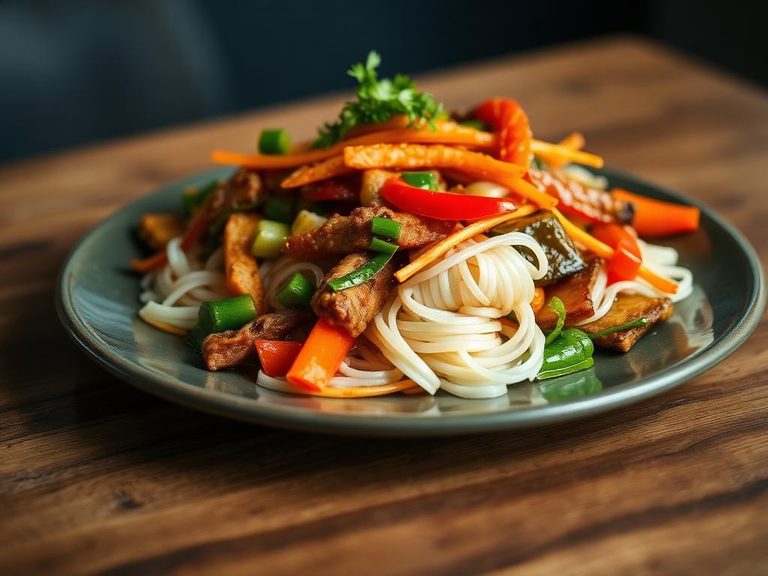
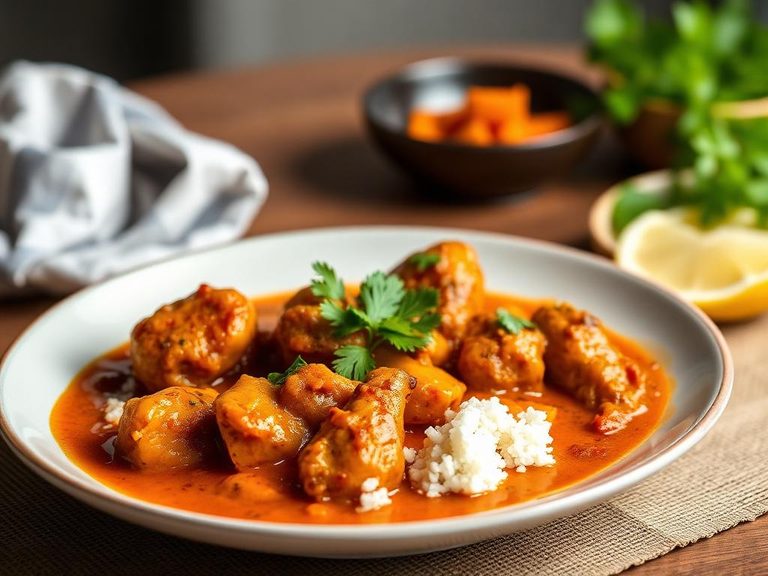
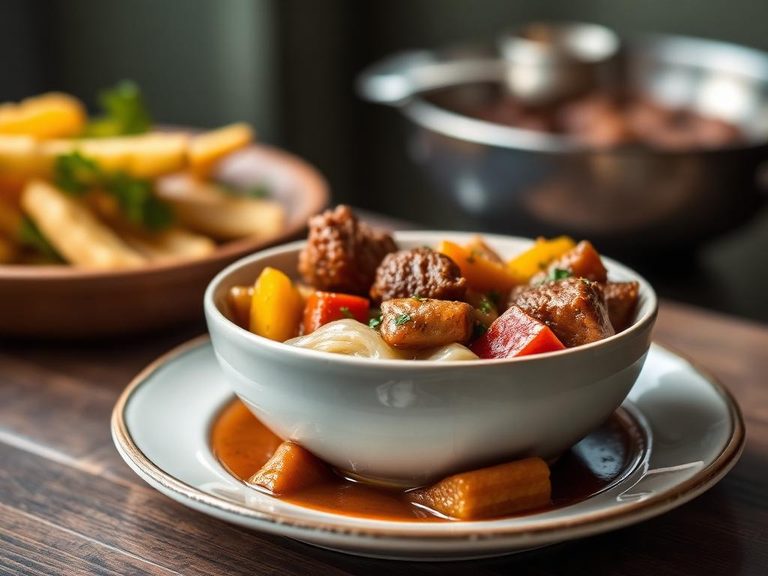
🍽️ Popular dishes
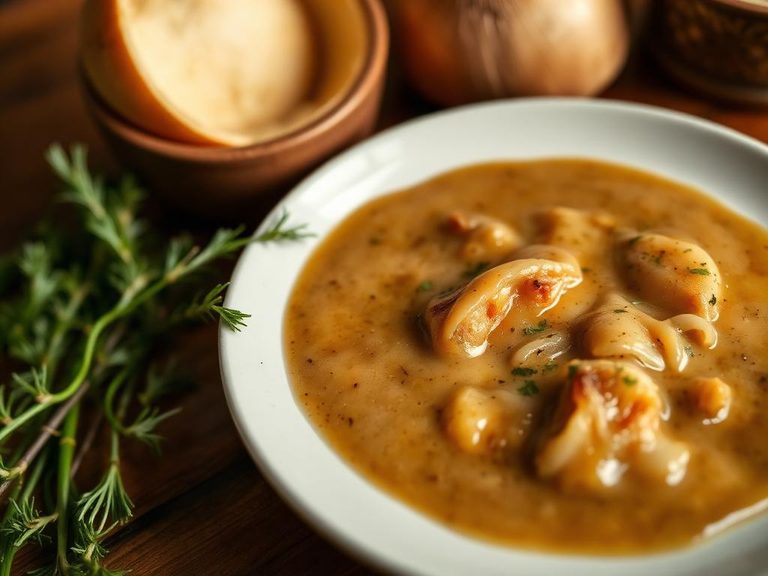
🌍 Where it's eaten
💡 Did you know?
Onions were used as currency by the ancient Egyptians to pay the workers who built the pyramids.
Full nutrition (USDA data · scales with serving)
| Water | 92.2 g |
| Energy | 26.0 kcal |
| Energy | 109 kj |
| Protein | 0.77 g |
| Total lipid (fat) | 0.10 g |
| Ash | 0.89 g |
| Carbohydrate, by difference | 6.0 g |
| Fiber, total dietary | 1.7 g |
| Total Sugars | 2.9 g |
| Calcium, Ca | 16.0 mg |
| Iron, Fe | 0.30 mg |
| Magnesium, Mg | 6.0 mg |
| Phosphorus, P | 19.0 mg |
| Potassium, K | 108 mg |
| Sodium, Na | 248 mg |
| Zinc, Zn | 0.07 mg |
| Copper, Cu | 0.02 mg |
| Manganese, Mn | 0.07 mg |
| Selenium, Se | 0.40 ug |
| Vitamin C, total ascorbic acid | 2.6 mg |
| Thiamin | 0.02 mg |
| Riboflavin | 0.03 mg |
| Niacin | 0.14 mg |
| Pantothenic acid | 0.10 mg |
| Vitamin B-6 | 0.07 mg |
| Folate, total | 13.0 ug |
| Folic acid | 0.00 ug |
| Folate, food | 13.0 ug |
| Folate, DFE | 13.0 ug |
| Choline, total | 4.4 mg |
| Vitamin B-12 | 0.00 ug |
| Vitamin B-12, added | 0.00 ug |
| Vitamin A, RAE | 0.00 ug |
| Retinol | 0.00 ug |
| Carotene, beta | 1.0 ug |
| Carotene, alpha | 0.00 ug |
| Cryptoxanthin, beta | 0.00 ug |
| Vitamin A, IU | 2.0 iu |
| Lycopene | 0.00 ug |
| Lutein + zeaxanthin | 3.0 ug |
| Vitamin E (alpha-tocopherol) | 0.01 mg |
| Vitamin E, added | 0.00 mg |
| Vitamin D (D2 + D3), International Units | 0.00 iu |
| Vitamin D (D2 + D3) | 0.00 ug |
| Vitamin K (phylloquinone) | 0.30 ug |
| Alcohol, ethyl | 0.00 g |
| Caffeine | 0.00 mg |
| Theobromine | 0.00 mg |
Fat & fatty acid profile (per 100g)
| Fatty acids, total saturated | 0.02 g |
| SFA 4:0 | 0.00 g |
| SFA 6:0 | 0.00 g |
| SFA 8:0 | 0.00 g |
| SFA 10:0 | 0.00 g |
| SFA 12:0 | 0.00 g |
| SFA 14:0 | 0.00 g |
| SFA 16:0 | 0.01 g |
| SFA 18:0 | 0.00 g |
| Fatty acids, total monounsaturated | 0.01 g |
| MUFA 16:1 | 0.00 g |
| MUFA 18:1 | 0.01 g |
| Fatty acids, total polyunsaturated | 0.04 g |
| PUFA 18:2 | 0.04 g |
| PUFA 18:3 | 0.00 g |
| PUFA 18:4 | 0.00 g |
| PUFA 20:4 | 0.00 g |
| PUFA 20:5 n-3 (EPA) | 0.00 g |
| Fatty acids, total trans | 0.00 g |
| Cholesterol | 0.00 mg |
Amino acid profile (per 100g)
| Tryptophan | 0.01 g |
| Threonine | 0.02 g |
| Isoleucine | 0.03 g |
| Leucine | 0.03 g |
| Lysine | 0.04 g |
| Methionine | 0.01 g |
| Cystine | 0.01 g |
| Phenylalanine | 0.02 g |
| Tyrosine | 0.02 g |
| Valine | 0.02 g |
| Arginine | 0.10 g |
| Histidine | 0.01 g |
| Alanine | 0.02 g |
| Aspartic acid | 0.04 g |
| Glutamic acid | 0.12 g |
| Glycine | 0.03 g |
| Proline | 0.02 g |
| Serine | 0.02 g |
FAQ
Are frozen onions as nutritious as fresh ones?
Yes, frozen onions retain most of their nutrients, including fiber and vitamins, especially when boiled quickly. The freezing process locks in freshness, and they are often more nutrient-dense than onions that have been stored for weeks.
How can I reduce the sodium in boiled frozen onions?
Simply rinse the cooked onions under cold water for 30 seconds to remove excess salt. Alternatively, use them in recipes where you control the salt, like unsalted soups or sauces.
Can I use these onions in raw dishes like salads?
While possible, the boiled texture is soft and may not provide the crunch expected in salads. For raw applications, use fresh onions and add these frozen ones to cooked dishes for flavor.
Nutrient density (calculated · NRF9.3)
Nutrient Rich Foods index: beneficial nutrients (protein, fiber, vitamins, minerals) minus saturated fat, added sugar & sodium, per 100 kcal.
NRF9.3 index — Fulgoni, Keast & Drewnowski, 2009. Computed from USDA nutrients.
Weight-loss friendliness (composite index)
Energy density 0.26 kcal/g · 12% calories from protein · 1.7 g fiber · 2.9 g sugar per 100 g.
Composite of energy density (Rolls et al., 1999), protein & fiber satiety, minus sugar. A calculated heuristic — ranks satiety-per-calorie, not a clinical measure.
Dietary load (calculated from USDA values)
Potential renal acid load. Positive = acid-forming, negative = alkaline-forming.
Sodium-to-potassium ratio: 2.30 (lower is better — aim for ≤ 1)
Sodium:potassium per WHO potassium guidance. Computed from USDA nutrients.