

Olive oil
Common food
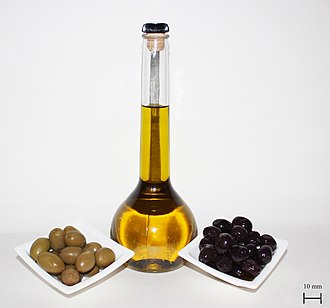
Photo: Wikipedia
Olive oil is a liquid fat obtained from the fruit of the olive tree, prized for its smooth, buttery texture and peppery, grassy flavor. Nutritionally, it is a dense energy source, providing 900 kcal per 100g, almost entirely from monounsaturated fats. Its golden-green hue and distinct aroma are hallmarks of the Mediterranean diet.
Calorie split: 0% protein · 0% carbs · 100% fat
↓ Full nutrition💚 Why it's loved
People love olive oil for its rich, complex flavor that can range from fruity and mild to peppery and robust, making it a culinary cornerstone. Its versatility as a cooking fat, salad dressing, and finishing oil makes it indispensable in kitchens worldwide.
⚠️ Watch-outs & how to enjoy it better
While healthy, its high calorie density (900 kcal/100g) can lead to weight gain if used excessively. Those on very low-fat diets should be cautious. To counteract, use it in moderation (e.g., 1 tablespoon per serving) and pair it with high-fiber foods like vegetables to enhance satiety.
Key benefits
- Rich in heart-healthy monounsaturated fats, particularly oleic acid
- Contains potent antioxidants like polyphenols and vitamin E
- Associated with reduced inflammation and improved cholesterol levels
- May support brain health and protect against cognitive decline
- A staple of the Mediterranean diet, linked to longevity
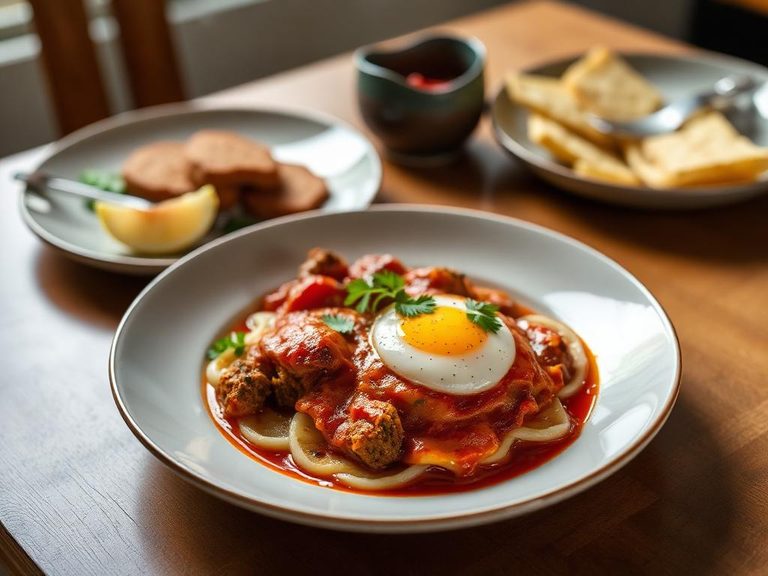
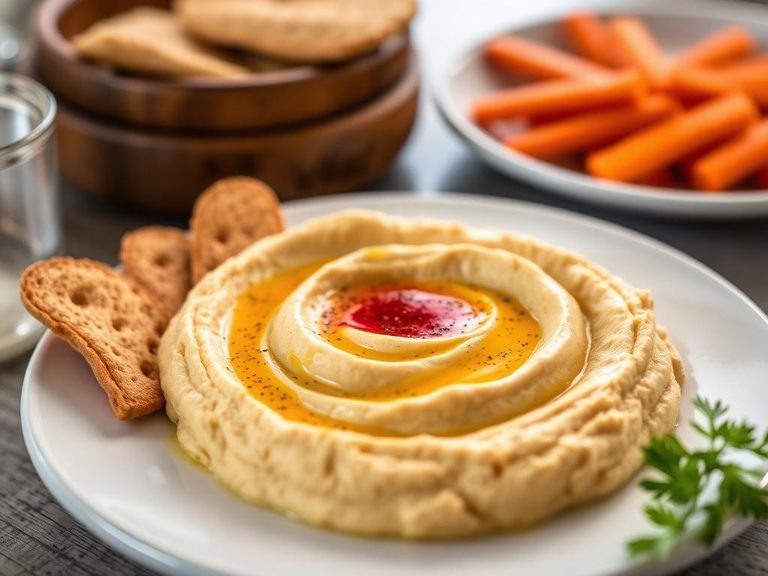
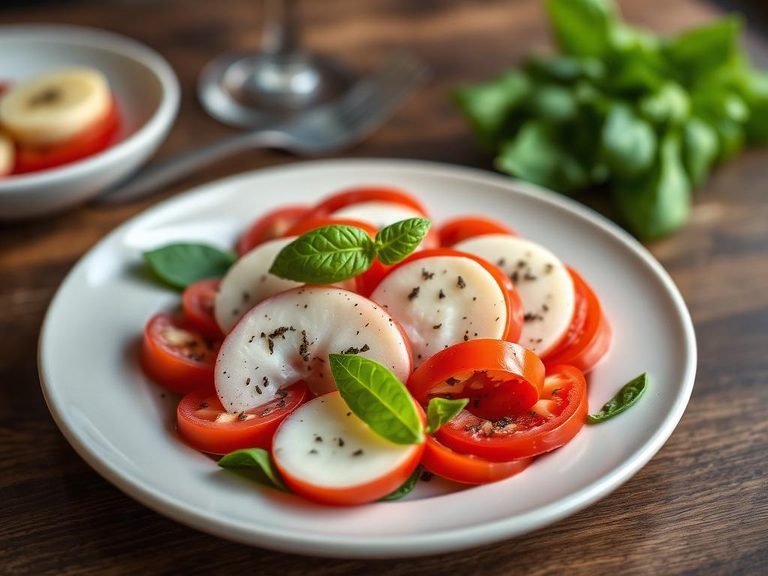
🍽️ Popular dishes
🌍 Where it's eaten
💡 Did you know?
The world's oldest known olive tree, located in Crete, Greece, is estimated to be between 2,000 and 4,000 years old and still produces olives.
Full nutrition (USDA data · scales with serving)
| Water | 0.00 g |
| Energy | 900 kcal |
| Protein | 0.00 g |
| Total lipid (fat) | 100 g |
| Carbohydrate, by difference | 0.00 g |
| Fiber, total dietary | 0.00 g |
| Total Sugars | 0.00 g |
| Calcium, Ca | 1.0 mg |
| Iron, Fe | 0.56 mg |
| Magnesium, Mg | 0.00 mg |
| Phosphorus, P | 0.00 mg |
| Potassium, K | 1.0 mg |
| Sodium, Na | 2.0 mg |
| Zinc, Zn | 0.00 mg |
| Copper, Cu | 0.00 mg |
| Selenium, Se | 0.00 ug |
| Vitamin C, total ascorbic acid | 0.00 mg |
| Thiamin | 0.00 mg |
| Riboflavin | 0.00 mg |
| Niacin | 0.00 mg |
| Vitamin B-6 | 0.00 mg |
| Folate, total | 0.00 ug |
| Folic acid | 0.00 ug |
| Folate, food | 0.00 ug |
| Folate, DFE | 0.00 ug |
| Choline, total | 0.30 mg |
| Vitamin B-12 | 0.00 ug |
| Vitamin B-12, added | 0.00 ug |
| Vitamin A, RAE | 0.00 ug |
| Retinol | 0.00 ug |
| Carotene, beta | 0.00 ug |
| Carotene, alpha | 0.00 ug |
| Cryptoxanthin, beta | 0.00 ug |
| Lycopene | 0.00 ug |
| Lutein + zeaxanthin | 0.00 ug |
| Vitamin E (alpha-tocopherol) | 20.9 mg |
| Vitamin E, added | 0.00 mg |
| Vitamin D (D2 + D3) | 0.00 ug |
| Vitamin K (phylloquinone) | 26.0 ug |
| Alcohol, ethyl | 0.00 g |
| Caffeine | 0.00 mg |
| Theobromine | 0.00 mg |
Fat & fatty acid profile (per 100g)
| Fatty acids, total saturated | 15.5 g |
| SFA 4:0 | 0.00 g |
| SFA 6:0 | 0.00 g |
| SFA 8:0 | 0.00 g |
| SFA 10:0 | 0.00 g |
| SFA 12:0 | 0.00 g |
| SFA 14:0 | 0.01 g |
| SFA 16:0 | 12.2 g |
| SFA 18:0 | 2.6 g |
| Fatty acids, total monounsaturated | 68.4 g |
| MUFA 16:1 | 1.1 g |
| MUFA 18:1 | 67.0 g |
| MUFA 20:1 | 0.28 g |
| MUFA 22:1 | 0.00 g |
| Fatty acids, total polyunsaturated | 9.5 g |
| PUFA 18:2 | 8.8 g |
| PUFA 18:3 | 0.64 g |
| PUFA 18:4 | 0.00 g |
| PUFA 20:4 | 0.01 g |
| PUFA 20:5 n-3 (EPA) | 0.00 g |
| PUFA 22:5 n-3 (DPA) | 0.00 g |
| PUFA 22:6 n-3 (DHA) | 0.00 g |
| Cholesterol | 0.00 mg |
Amino acid profile (per 100g)
Estimated from Oil, olive, salad or cooking — USDA does not publish this profile for Olive oil.
| Tryptophan | 0.00 g |
| Threonine | 0.00 g |
| Isoleucine | 0.00 g |
| Leucine | 0.00 g |
| Lysine | 0.00 g |
| Methionine | 0.00 g |
| Cystine | 0.00 g |
| Phenylalanine | 0.00 g |
| Tyrosine | 0.00 g |
| Valine | 0.00 g |
| Arginine | 0.00 g |
| Histidine | 0.00 g |
| Alanine | 0.00 g |
| Aspartic acid | 0.00 g |
| Glutamic acid | 0.00 g |
| Glycine | 0.00 g |
| Proline | 0.00 g |
| Serine | 0.00 g |
FAQ
What is the difference between extra virgin and regular olive oil?
Extra virgin olive oil (EVOO) is the highest quality, cold-pressed from the first pressing of olives, with a lower acidity level and more robust flavor. Regular olive oil is a blend of refined and virgin oils, with a milder taste and higher smoke point.
Can you cook with olive oil at high heat?
Yes, but it depends on the type. Extra virgin olive oil has a lower smoke point (around 375°F/190°C) and is best for low to medium heat or finishing. Regular olive oil has a higher smoke point (around 410°F/210°C) and is better for frying and sautéing.
Is olive oil good for your skin?
Olive oil is often used in skincare for its moisturizing properties and antioxidants. However, it can be comedogenic (pore-clogging) for some people, so it's best to patch-test before applying it to the face.
Nutrient density (calculated · NRF9.3)
Nutrient Rich Foods index: beneficial nutrients (protein, fiber, vitamins, minerals) minus saturated fat, added sugar & sodium, per 100 kcal.
NRF9.3 index — Fulgoni, Keast & Drewnowski, 2009. Computed from USDA nutrients.
Weight-loss friendliness (composite index)
Energy density 9.00 kcal/g · 0% calories from protein · 0.0 g fiber · 0.0 g sugar per 100 g.
Composite of energy density (Rolls et al., 1999), protein & fiber satiety, minus sugar. A calculated heuristic — ranks satiety-per-calorie, not a clinical measure.
Dietary load (calculated from USDA values)
Potential renal acid load. Positive = acid-forming, negative = alkaline-forming.
Sodium-to-potassium ratio: 2.00 (lower is better — aim for ≤ 1)
Sodium:potassium per WHO potassium guidance. Computed from USDA nutrients.