

Anchovies, canned in olive oil, with salt, drained
Whole food · Finfish and Shellfish Products
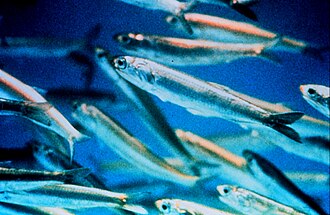
Photo: Wikipedia
Cured anchovies packed in olive oil are tiny, silver-skinned fish transformed into a salty, savory umami powerhouse. Their texture is tender and meaty, melting on the tongue with a rich, briny depth. Nutritionally, they are a standout source of high-quality protein and healthy fats, providing significant energy in a compact, flavorful package.
Calorie split: 52% protein · 5% carbs · 43% fat
↓ Full nutrition💚 Why it's loved
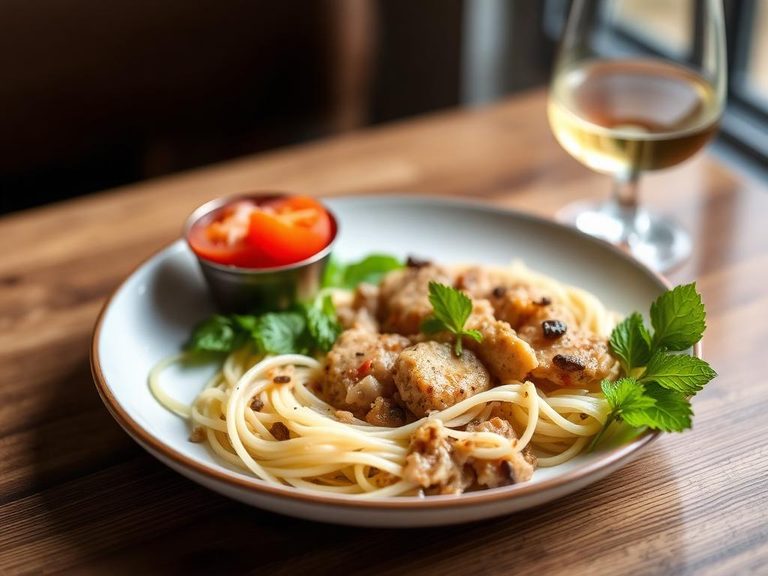
People adore anchovies for their intense, salty-savory flavor that acts as a secret ingredient, deepening the taste of sauces, dressings, and stews. Their versatility in global cuisines, from Italian pasta to Japanese sushi, makes them a beloved pantry staple for adding complexity.
⚠️ Watch-outs & how to enjoy it better
The very high sodium content can be a concern for those monitoring salt intake, and their strong, pungent flavor is an acquired taste for some. To counteract the salt, rinse them briefly under cold water or pair them with low-sodium ingredients like fresh tomatoes, lemon juice, or unsalted butter. For a milder flavor, use them as a flavor base rather than a main ingredient.
Key benefits
- Excellent source of complete protein (26.9g per 100g)
- Rich in heart-healthy monounsaturated fats from olive oil
- Provides essential minerals like calcium and iron
- Concentrated source of umami flavor for low-sugar cooking
- High in omega-3 fatty acids
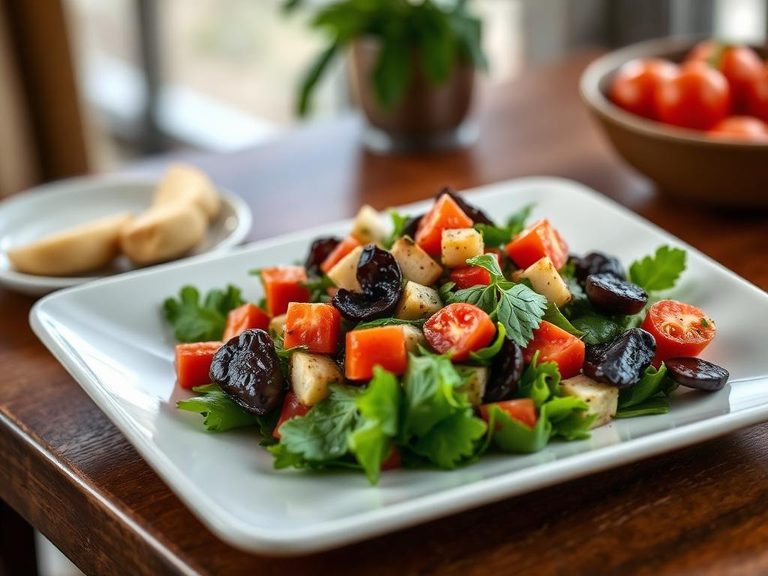
🍽️ Popular dishes
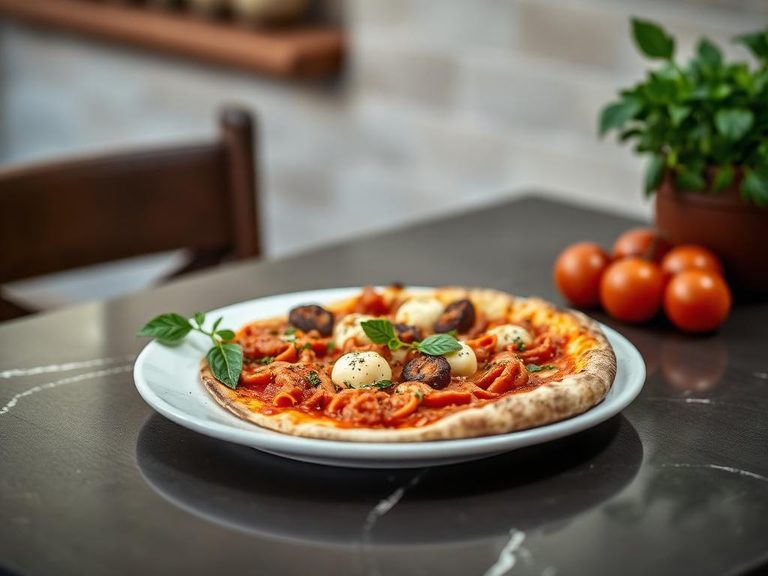
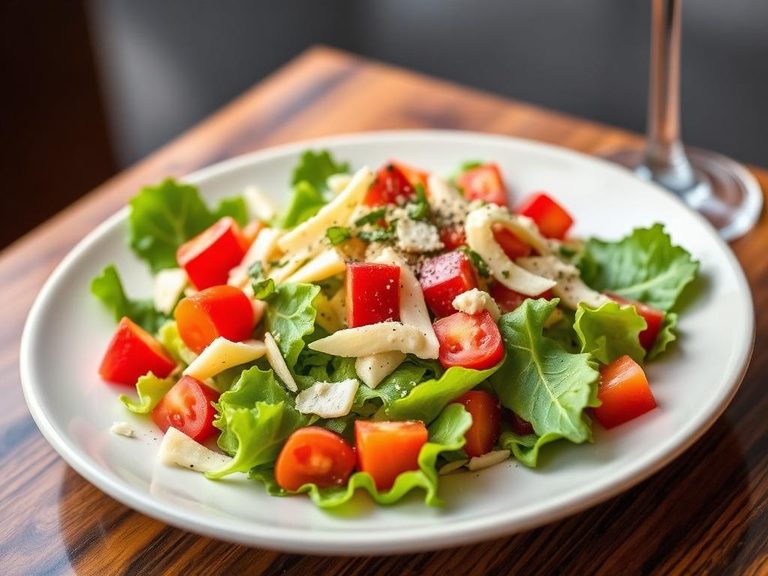
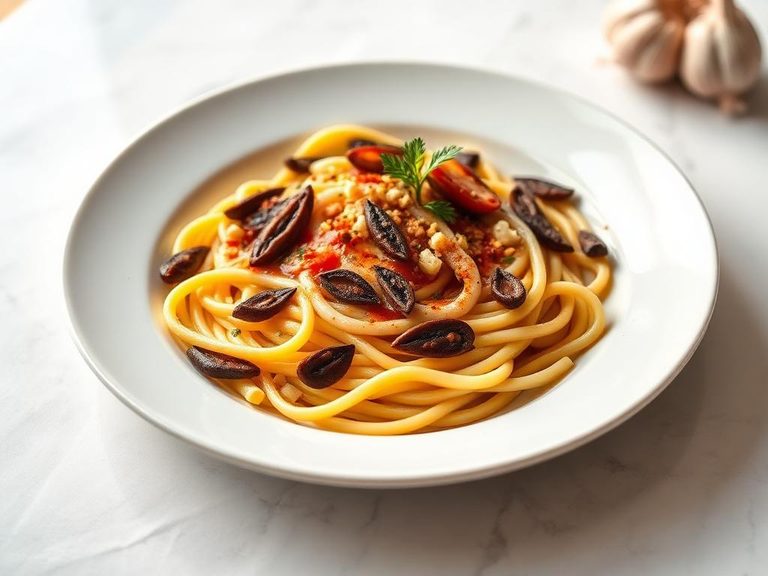
🌍 Where it's eaten
💡 Did you know?
Ancient Romans fermented anchovies into a pungent fish sauce called 'garum,' which was so valuable it was sometimes used as a form of currency.
Full nutrition (USDA data · scales with serving)
| Water | 44.4 g |
| Energy (Atwater General Factors) | 206 kcal |
| Nitrogen | 4.3 g |
| Protein | 26.9 g |
| Total lipid (fat) | 9.9 g |
| Ash | 16.4 g |
| Carbohydrate, by difference | 2.4 g |
| Calcium, Ca | 240 mg |
| Iron, Fe | 2.7 mg |
| Magnesium, Mg | 228 mg |
| Phosphorus, P | 226 mg |
| Potassium, K | 298 mg |
| Sodium, Na | 5403 mg |
| Zinc, Zn | 2.5 mg |
| Copper, Cu | 0.24 mg |
| Manganese, Mn | 0.14 mg |
| Selenium, Se | 48.1 ug |
| Vitamin B-12 | 12.7 ug |
FAQ
Are canned anchovies healthy?
Yes, they are highly nutritious, offering a dense source of protein, healthy fats, and minerals like calcium and iron. However, their high sodium content means they should be consumed in moderation, especially by those with high blood pressure.
How should I store opened canned anchovies?
After opening, transfer the anchovies and their oil to an airtight container. Store them in the refrigerator, submerged in the oil, where they will keep for up to two weeks. The oil can also be used for cooking.
Can I use anchovies in a dish without tasting them strongly?
Yes, finely mince them and sauté them briefly in oil until they dissolve. This technique, common in Italian cooking, infuses the dish with a deep umami flavor without leaving noticeable fishy pieces.
Nutrient density (calculated · NRF9.3)
Nutrient Rich Foods index: beneficial nutrients (protein, fiber, vitamins, minerals) minus saturated fat, added sugar & sodium, per 100 kcal.
NRF9.3 index — Fulgoni, Keast & Drewnowski, 2009. Computed from USDA nutrients.
Weight-loss friendliness (composite index)
Energy density 2.06 kcal/g · 52% calories from protein · 0.0 g fiber · 0.0 g sugar per 100 g.
Composite of energy density (Rolls et al., 1999), protein & fiber satiety, minus sugar. A calculated heuristic — ranks satiety-per-calorie, not a clinical measure.
Dietary load (calculated from USDA values)
Potential renal acid load. Positive = acid-forming, negative = alkaline-forming.
Sodium-to-potassium ratio: 18.14 (lower is better — aim for ≤ 1)
Sodium:potassium per WHO potassium guidance. Computed from USDA nutrients.