

Oil, sunflower, linoleic (less than 60%)
Whole food · Fats and Oils
Sunflower oil with a high linoleic acid content is a clear, pale-yellow cooking oil pressed from sunflower seeds. It has a very mild, neutral flavor and a light, smooth texture that doesn't overpower other ingredients. Nutritionally, it is 100% fat, providing a dense source of energy and essential fatty acids.
Calorie split: 0% protein · 0% carbs · 100% fat
↓ Full nutrition💚 Why it's loved
People love it for its incredible versatility; its clean, neutral taste makes it a blank canvas for everything from delicate salad dressings to robust deep-frying. It's a kitchen workhorse that lets the flavors of the main ingredients shine.
⚠️ Watch-outs & how to enjoy it better
A high intake of omega-6 fatty acids without a balanced amount of omega-3s may promote inflammation in some individuals. To counteract this, use it as part of a varied oil rotation (including olive, avocado, or canola oils) and ensure your diet includes omega-3 sources like fatty fish, flaxseeds, or walnuts. It is also calorie-dense, so portion control is key.
Key benefits
- Rich in polyunsaturated fats, specifically linoleic acid (an omega-6 fatty acid)
- Contains vitamin E, an antioxidant that helps protect cells
- Very high smoke point, making it suitable for high-heat cooking
- Neutral flavor profile doesn't alter the taste of dishes
🍽️ Popular dishes
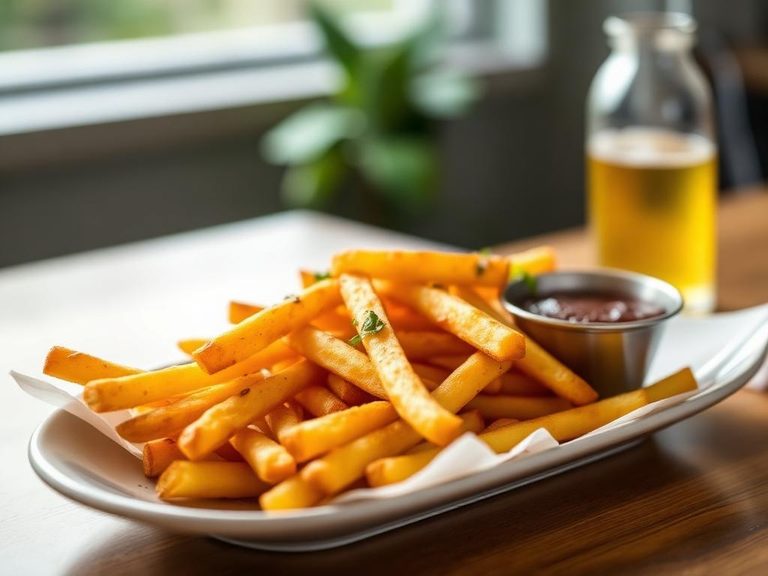


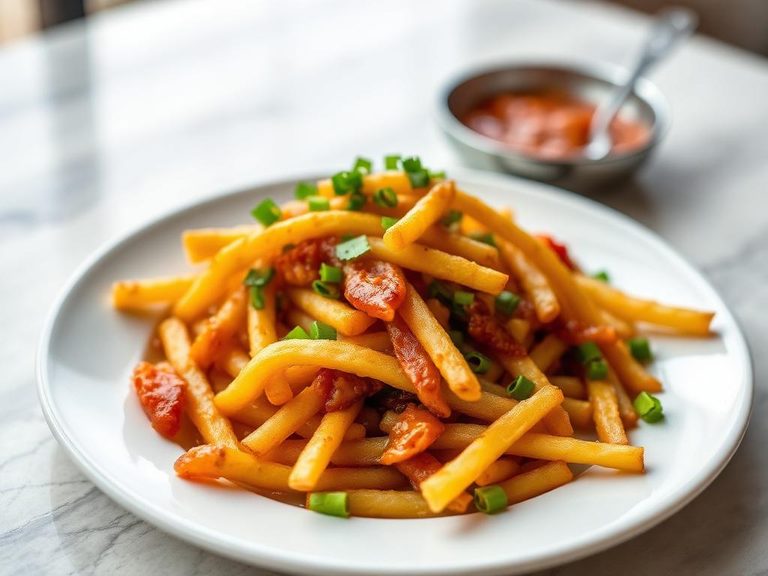

🌍 Where it's eaten
💡 Did you know?
The 'linoleic' designation is key; sunflower seeds can be bred to produce oils with different fatty acid profiles, and this type is specifically grown for its high linoleic acid content, which was historically promoted for heart health.
Full nutrition (USDA data · scales with serving)
| Water | 0.00 g |
| Energy | 884 kcal |
| Energy | 3699 kj |
| Protein | 0.00 g |
| Total lipid (fat) | 100 g |
| Ash | 0.00 g |
| Carbohydrate, by difference | 0.00 g |
| Fiber, total dietary | 0.00 g |
| Total Sugars | 0.00 g |
| Calcium, Ca | 0.00 mg |
| Iron, Fe | 0.03 mg |
| Magnesium, Mg | 0.00 mg |
| Phosphorus, P | 0.00 mg |
| Potassium, K | 0.00 mg |
| Sodium, Na | 0.00 mg |
| Zinc, Zn | 0.00 mg |
| Selenium, Se | 0.00 ug |
| Vitamin C, total ascorbic acid | 0.00 mg |
| Thiamin | 0.00 mg |
| Riboflavin | 0.00 mg |
| Niacin | 0.00 mg |
| Pantothenic acid | 0.00 mg |
| Vitamin B-6 | 0.00 mg |
| Folate, total | 0.00 ug |
| Folic acid | 0.00 ug |
| Folate, food | 0.00 ug |
| Folate, DFE | 0.00 ug |
| Vitamin B-12 | 0.00 ug |
| Vitamin B-12, added | 0.00 ug |
| Vitamin A, RAE | 0.00 ug |
| Retinol | 0.00 ug |
| Carotene, beta | 0.00 ug |
| Carotene, alpha | 0.00 ug |
| Cryptoxanthin, beta | 0.00 ug |
| Vitamin A, IU | 0.00 iu |
| Lycopene | 0.00 ug |
| Lutein + zeaxanthin | 0.00 ug |
| Vitamin E (alpha-tocopherol) | 41.1 mg |
| Vitamin E, added | 0.00 mg |
| Vitamin K (phylloquinone) | 5.4 ug |
| Alcohol, ethyl | 0.00 g |
| Caffeine | 0.00 mg |
| Theobromine | 0.00 mg |
Fat & fatty acid profile (per 100g)
| Fatty acids, total saturated | 10.1 g |
| SFA 4:0 | 0.00 g |
| SFA 6:0 | 0.00 g |
| SFA 8:0 | 0.00 g |
| SFA 10:0 | 0.00 g |
| SFA 12:0 | 0.00 g |
| SFA 14:0 | 0.00 g |
| SFA 16:0 | 5.4 g |
| SFA 18:0 | 3.5 g |
| Fatty acids, total monounsaturated | 45.4 g |
| MUFA 16:1 | 0.20 g |
| MUFA 18:1 | 45.3 g |
| MUFA 20:1 | 0.00 g |
| MUFA 22:1 | 0.00 g |
| Fatty acids, total polyunsaturated | 40.1 g |
| PUFA 18:2 | 39.8 g |
| PUFA 18:3 | 0.20 g |
| PUFA 18:4 | 0.00 g |
| PUFA 20:4 | 0.00 g |
| PUFA 20:5 n-3 (EPA) | 0.00 g |
| PUFA 22:5 n-3 (DPA) | 0.00 g |
| PUFA 22:6 n-3 (DHA) | 0.00 g |
| Cholesterol | 0.00 mg |
| Phytosterols | 100 mg |
Amino acid profile (per 100g)
| Tryptophan | 0.00 g |
| Threonine | 0.00 g |
| Isoleucine | 0.00 g |
| Leucine | 0.00 g |
| Lysine | 0.00 g |
| Methionine | 0.00 g |
| Cystine | 0.00 g |
| Phenylalanine | 0.00 g |
| Tyrosine | 0.00 g |
| Valine | 0.00 g |
| Arginine | 0.00 g |
| Histidine | 0.00 g |
| Alanine | 0.00 g |
| Aspartic acid | 0.00 g |
| Glutamic acid | 0.00 g |
| Glycine | 0.00 g |
| Proline | 0.00 g |
| Serine | 0.00 g |
FAQ
What's the difference between 'linoleic' and 'high-oleic' sunflower oil?
Linoleic sunflower oil is high in polyunsaturated omega-6 fats, while high-oleic versions are bred to be high in monounsaturated fats (like olive oil), making them more stable for frying and with a different nutritional profile.
Is it good for deep-frying?
Yes, it has a high smoke point (around 450°F / 232°C) and a neutral flavor, making it a popular and effective choice for commercial and home deep-frying.
How should I store it?
Store it in a cool, dark place like a pantry. Once opened, it's best to use it within a few months for optimal freshness, though it can last longer refrigerated.
Nutrient density (calculated · NRF9.3)
Nutrient Rich Foods index: beneficial nutrients (protein, fiber, vitamins, minerals) minus saturated fat, added sugar & sodium, per 100 kcal.
NRF9.3 index — Fulgoni, Keast & Drewnowski, 2009. Computed from USDA nutrients.
Weight-loss friendliness (composite index)
Energy density 8.84 kcal/g · 0% calories from protein · 0.0 g fiber · 0.0 g sugar per 100 g.
Composite of energy density (Rolls et al., 1999), protein & fiber satiety, minus sugar. A calculated heuristic — ranks satiety-per-calorie, not a clinical measure.
Dietary load (calculated from USDA values)
Potential renal acid load. Positive = acid-forming, negative = alkaline-forming.
Sodium:potassium per WHO potassium guidance. Computed from USDA nutrients.