

Nuts, walnuts, dry roasted, with salt added
Whole food · Nut and Seed Products

Photo: Wikipedia
Dry roasted and salted walnuts are a savory, crunchy snack with a rich, buttery flavor and a satisfyingly firm texture. They are an excellent source of healthy fats, particularly omega-3 fatty acids, and provide a good amount of plant-based protein and fiber. The added salt enhances their natural earthiness, making them a popular choice for snacking.
Calorie split: 8% protein · 11% carbs · 81% fat
↓ Full nutrition💚 Why it's loved
People love them for their satisfying crunch and deep, savory flavor that's perfectly balanced by the salt. They are incredibly versatile, easily added to salads, baked goods, or enjoyed on their own as a quick, nutrient-dense snack.
⚠️ Watch-outs & how to enjoy it better
The high sodium content can be a concern for those monitoring blood pressure, and the dense calorie count (643 kcal per 100g) requires mindful portion control. As a common tree nut allergen, they must be avoided by those with allergies. To counteract, pair with low-sodium foods, stick to a small handful (about 30g) as a serving, and ensure they are stored properly to prevent rancidity.
Key benefits
- Rich in omega-3 fatty acids (ALA) for heart health
- Good source of plant-based protein and dietary fiber
- Contains antioxidants like polyphenols
- May support brain health and cognitive function
- Provides minerals like magnesium and copper
🍽️ Popular dishes
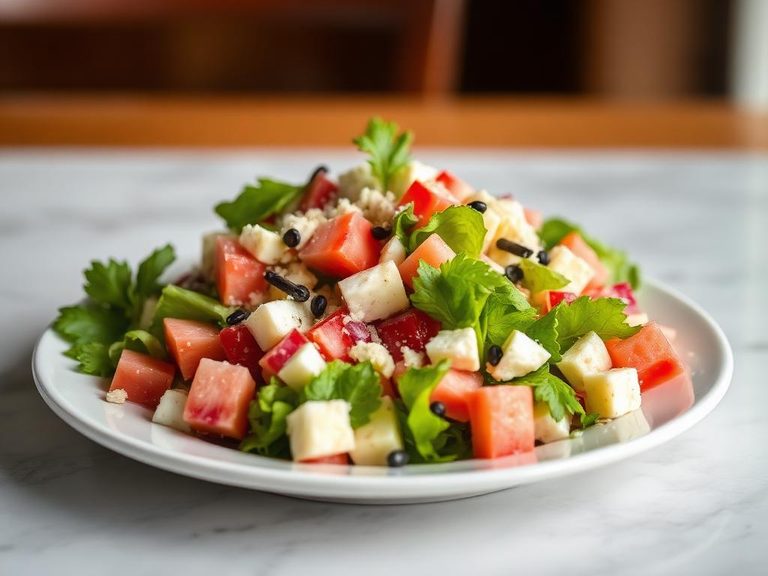
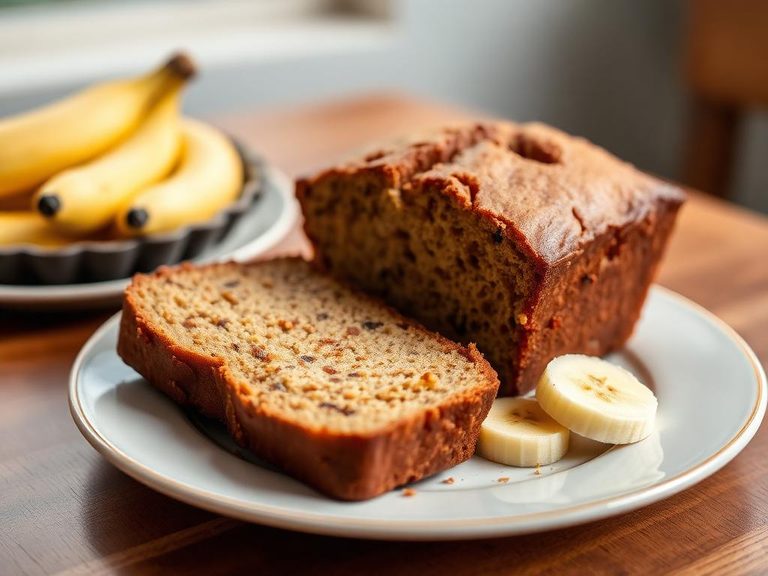
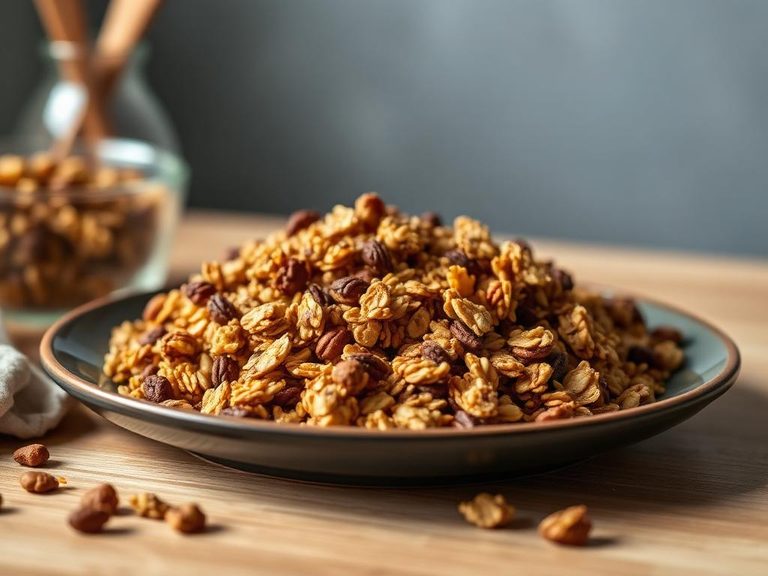


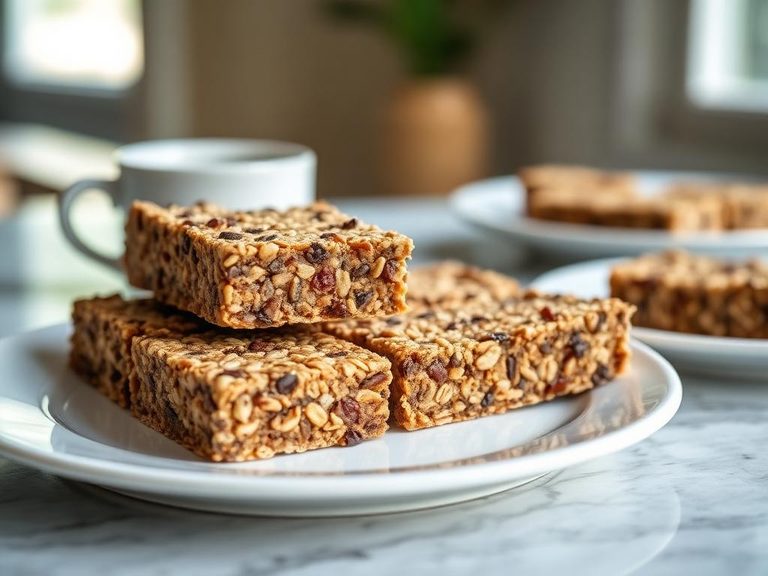
🌍 Where it's eaten
💡 Did you know?
The brain-like appearance of a walnut kernel is so striking that ancient Romans believed walnuts were a gift from the gods, and the name 'walnut' itself derives from the Old English 'wealhhnutu,' meaning 'foreign nut.'
Full nutrition (USDA data · scales with serving)
| Water | 4.4 g |
| Energy | 643 kcal |
| Energy | 2690 kj |
| Protein | 14.3 g |
| Total lipid (fat) | 60.7 g |
| Ash | 2.8 g |
| Carbohydrate, by difference | 17.9 g |
| Fiber, total dietary | 7.1 g |
| Total Sugars | 3.6 g |
| Calcium, Ca | 71.0 mg |
| Iron, Fe | 2.6 mg |
| Magnesium, Mg | 151 mg |
| Phosphorus, P | 329 mg |
| Potassium, K | 459 mg |
| Sodium, Na | 643 mg |
| Zinc, Zn | 3.0 mg |
| Copper, Cu | 1.5 mg |
| Selenium, Se | 5.0 ug |
| Vitamin C, total ascorbic acid | 1.4 mg |
| Thiamin | 0.52 mg |
| Riboflavin | 0.30 mg |
| Niacin | 2.2 mg |
| Vitamin B-6 | 0.53 mg |
| Folate, total | 91.0 ug |
| Folic acid | 0.00 ug |
| Folate, food | 91.0 ug |
| Folate, DFE | 91.0 ug |
| Choline, total | 38.0 mg |
| Vitamin B-12 | 0.00 ug |
| Vitamin B-12, added | 0.00 ug |
| Vitamin A, RAE | 1.0 ug |
| Retinol | 0.00 ug |
| Carotene, beta | 11.0 ug |
| Carotene, alpha | 0.00 ug |
| Cryptoxanthin, beta | 0.00 ug |
| Vitamin A, IU | 19.0 iu |
| Lycopene | 0.00 ug |
| Lutein + zeaxanthin | 8.0 ug |
| Vitamin E (alpha-tocopherol) | 0.90 mg |
| Vitamin E, added | 0.00 mg |
| Vitamin D (D2 + D3), International Units | 0.00 iu |
| Vitamin D (D2 + D3) | 0.00 ug |
| Vitamin K (phylloquinone) | 3.3 ug |
| Alcohol, ethyl | 0.00 g |
| Caffeine | 0.00 mg |
| Theobromine | 0.00 mg |
Fat & fatty acid profile (per 100g)
| Fatty acids, total saturated | 5.4 g |
| SFA 4:0 | 0.00 g |
| SFA 6:0 | 0.00 g |
| SFA 8:0 | 0.00 g |
| SFA 10:0 | 0.00 g |
| SFA 12:0 | 0.00 g |
| SFA 14:0 | 0.00 g |
| SFA 16:0 | 3.9 g |
| SFA 18:0 | 1.4 g |
| Fatty acids, total monounsaturated | 8.4 g |
| MUFA 16:1 | 0.00 g |
| MUFA 18:1 | 8.2 g |
| MUFA 20:1 | 0.13 g |
| MUFA 22:1 | 0.00 g |
| Fatty acids, total polyunsaturated | 44.2 g |
| PUFA 18:2 | 35.7 g |
| PUFA 18:3 | 8.5 g |
| PUFA 18:4 | 0.00 g |
| PUFA 20:4 | 0.00 g |
| PUFA 20:5 n-3 (EPA) | 0.00 g |
| PUFA 22:5 n-3 (DPA) | 0.00 g |
| PUFA 22:6 n-3 (DHA) | 0.00 g |
| Fatty acids, total trans | 0.00 g |
| Cholesterol | 0.00 mg |
Amino acid profile (per 100g)
Estimated from Nuts, mixed nuts, dry roasted, with peanuts, with salt added — USDA does not publish this profile for Nuts.
| Tryptophan | 0.26 g |
| Threonine | 0.60 g |
| Isoleucine | 0.74 g |
| Leucine | 1.4 g |
| Lysine | 0.71 g |
| Methionine | 0.23 g |
| Cystine | 0.29 g |
| Phenylalanine | 0.95 g |
| Tyrosine | 0.68 g |
| Valine | 0.93 g |
| Arginine | 2.2 g |
| Histidine | 0.48 g |
| Alanine | 0.81 g |
| Aspartic acid | 2.1 g |
| Glutamic acid | 4.4 g |
| Glycine | 1.1 g |
| Proline | 0.88 g |
| Serine | 0.92 g |
FAQ
How do I store dry roasted salted walnuts to keep them fresh?
Store them in an airtight container in a cool, dark place like a pantry for up to a month, or in the refrigerator for up to 6 months to prevent the oils from going rancid.
Are dry roasted walnuts healthier than raw walnuts?
Dry roasting can slightly reduce some heat-sensitive nutrients, but it enhances flavor and texture. The added salt is the main nutritional difference, so choose unsalted if you're monitoring sodium intake.
Can I use dry roasted salted walnuts in baking?
Yes, but be mindful of the added salt in your recipe. You may need to reduce or omit other salt. Their crunchy texture is great in cookies, brownies, and breads.
Nutrient density (calculated · NRF9.3)
Nutrient Rich Foods index: beneficial nutrients (protein, fiber, vitamins, minerals) minus saturated fat, added sugar & sodium, per 100 kcal.
NRF9.3 index — Fulgoni, Keast & Drewnowski, 2009. Computed from USDA nutrients.
Weight-loss friendliness (composite index)
Energy density 6.43 kcal/g · 9% calories from protein · 7.1 g fiber · 3.6 g sugar per 100 g.
Composite of energy density (Rolls et al., 1999), protein & fiber satiety, minus sugar. A calculated heuristic — ranks satiety-per-calorie, not a clinical measure.
Dietary load (calculated from USDA values)
Potential renal acid load. Positive = acid-forming, negative = alkaline-forming.
Sodium-to-potassium ratio: 1.40 (lower is better — aim for ≤ 1)
Sodium:potassium per WHO potassium guidance. Computed from USDA nutrients.