

Mushrooms, fresh, cooked, fat added, NS as to fat type
Common food
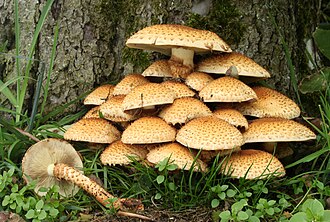
Photo: Wikipedia
This is a versatile, earthy ingredient with a tender, meaty texture and a mild, savory flavor that deepens with cooking. Nutritionally, it's a low-calorie source of protein and dietary fiber, making it a satisfying addition to many meals.
Calorie split: 21% protein · 30% carbs · 49% fat
↓ Full nutrition💚 Why it's loved
People love its umami-rich flavor and ability to absorb seasonings, making it a culinary chameleon that can mimic the texture of meat in vegetarian dishes or add depth to sauces and stews.
⚠️ Watch-outs & how to enjoy it better
Some may experience digestive discomfort due to naturally occurring compounds like mannitol and oxalates. To mitigate, ensure they are thoroughly cooked and introduce them gradually into your diet if you're sensitive.
Key benefits
- Low in calories and high in water content
- Good source of plant-based protein
- Provides dietary fiber for digestive health
- Contains B vitamins like riboflavin and niacin
- Naturally low in sodium and cholesterol
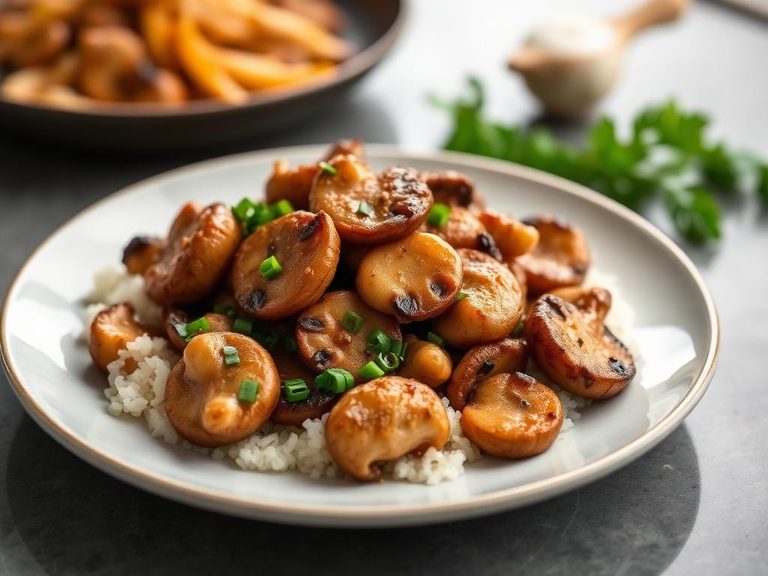
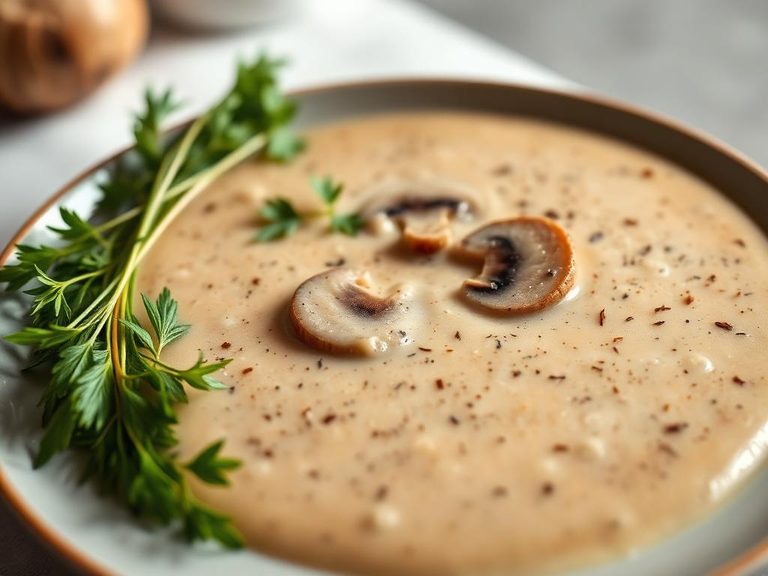
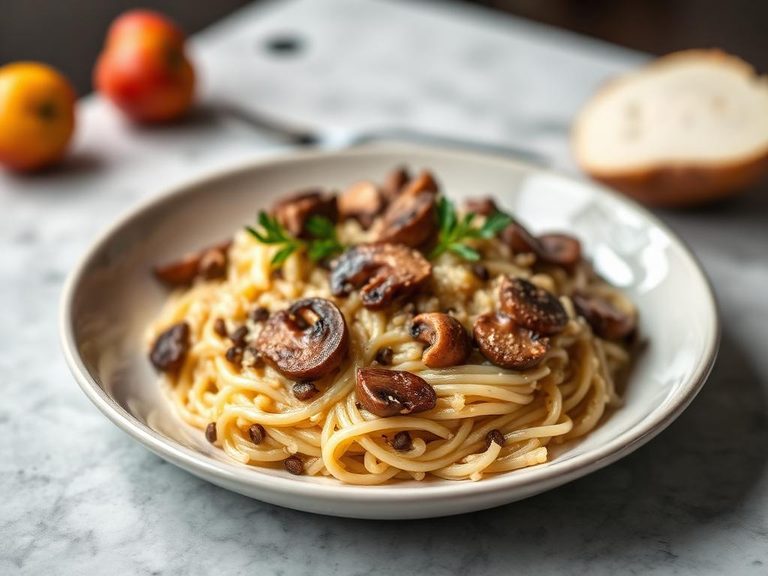
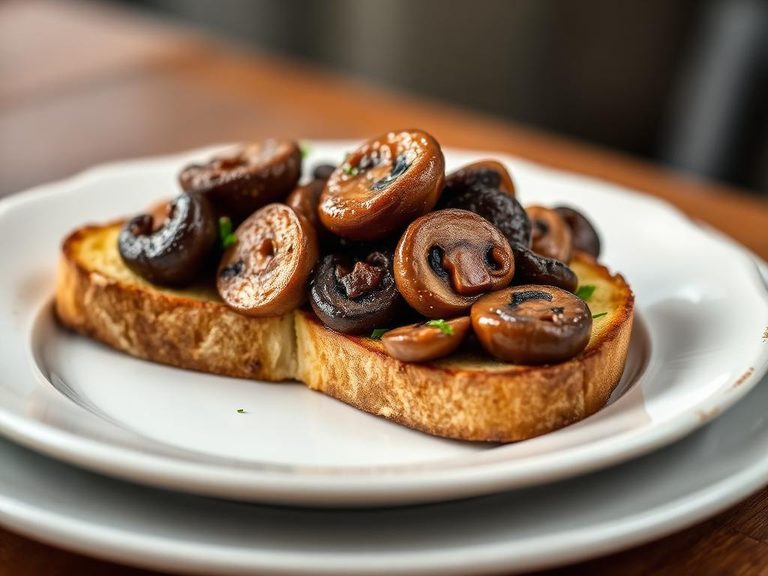
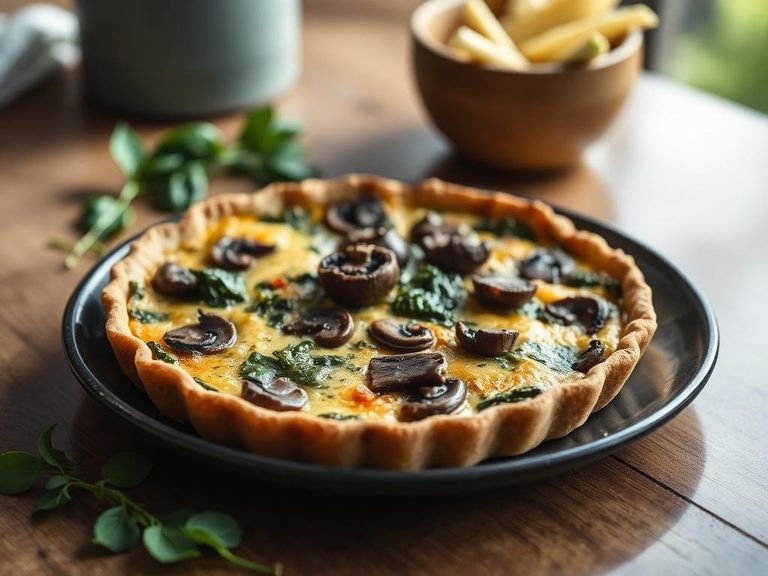
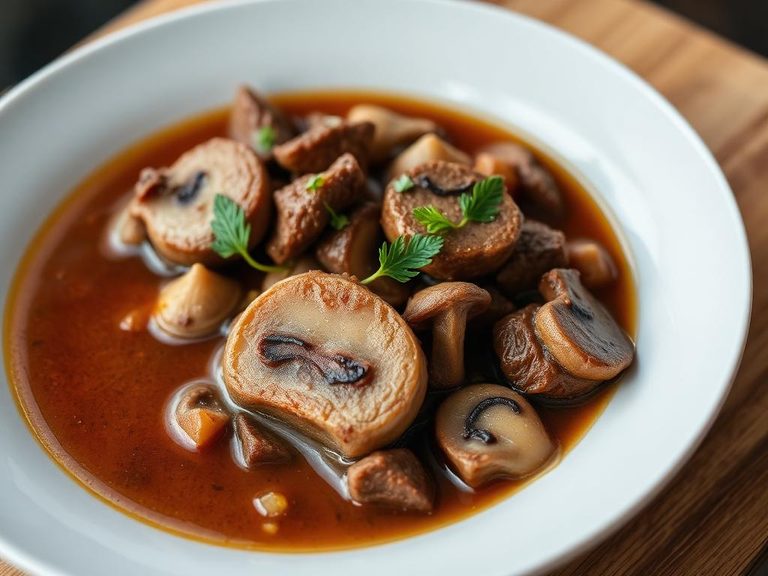
🍽️ Popular dishes
🌍 Where it's eaten
💡 Did you know?
When exposed to sunlight, mushrooms are one of the few non-animal food sources that can naturally produce vitamin D.
Full nutrition (USDA data · scales with serving)
| Water | 86.5 g |
| Energy | 66.0 kcal |
| Protein | 3.5 g |
| Total lipid (fat) | 3.6 g |
| Carbohydrate, by difference | 5.0 g |
| Fiber, total dietary | 2.1 g |
| Total Sugars | 2.4 g |
| Calcium, Ca | 6.0 mg |
| Iron, Fe | 0.28 mg |
| Magnesium, Mg | 12.0 mg |
| Phosphorus, P | 113 mg |
| Potassium, K | 450 mg |
| Sodium, Na | 158 mg |
| Zinc, Zn | 0.60 mg |
| Copper, Cu | 0.44 mg |
| Selenium, Se | 23.0 ug |
| Vitamin C, total ascorbic acid | 2.2 mg |
| Thiamin | 0.06 mg |
| Riboflavin | 0.52 mg |
| Niacin | 4.5 mg |
| Vitamin B-6 | 0.11 mg |
| Folate, total | 36.0 ug |
| Folic acid | 0.00 ug |
| Folate, food | 36.0 ug |
| Folate, DFE | 36.0 ug |
| Choline, total | 21.2 mg |
| Vitamin B-12 | 0.05 ug |
| Vitamin B-12, added | 0.00 ug |
| Vitamin A, RAE | 14.0 ug |
| Retinol | 14.0 ug |
| Carotene, beta | 6.0 ug |
| Carotene, alpha | 0.00 ug |
| Cryptoxanthin, beta | 0.00 ug |
| Lycopene | 0.00 ug |
| Lutein + zeaxanthin | 0.00 ug |
| Vitamin E (alpha-tocopherol) | 0.49 mg |
| Vitamin E, added | 0.00 mg |
| Vitamin D (D2 + D3) | 0.00 ug |
| Vitamin K (phylloquinone) | 2.6 ug |
| Alcohol, ethyl | 0.00 g |
| Caffeine | 0.00 mg |
| Theobromine | 0.00 mg |
Fat & fatty acid profile (per 100g)
| Fatty acids, total saturated | 0.89 g |
| SFA 4:0 | 0.02 g |
| SFA 6:0 | 0.02 g |
| SFA 8:0 | 0.01 g |
| SFA 10:0 | 0.02 g |
| SFA 12:0 | 0.03 g |
| SFA 14:0 | 0.08 g |
| SFA 16:0 | 0.50 g |
| SFA 18:0 | 0.18 g |
| Fatty acids, total monounsaturated | 1.1 g |
| MUFA 16:1 | 0.02 g |
| MUFA 18:1 | 1.1 g |
| MUFA 20:1 | 0.01 g |
| MUFA 22:1 | 0.00 g |
| Fatty acids, total polyunsaturated | 1.1 g |
| PUFA 18:2 | 1.0 g |
| PUFA 18:3 | 0.10 g |
| PUFA 18:4 | 0.00 g |
| PUFA 20:4 | 0.00 g |
| PUFA 20:5 n-3 (EPA) | 0.00 g |
| PUFA 22:5 n-3 (DPA) | 0.00 g |
| PUFA 22:6 n-3 (DHA) | 0.00 g |
| Cholesterol | 3.0 mg |
Amino acid profile (per 100g)
Estimated from Mushrooms, portabella, exposed to ultraviolet light, raw — USDA does not publish this profile for Mushrooms.
| Tryptophan | 0.06 g |
| Threonine | 0.11 g |
| Isoleucine | 0.10 g |
| Leucine | 0.15 g |
| Lysine | 0.25 g |
| Methionine | 0.05 g |
| Cystine | 0.01 g |
| Phenylalanine | 0.10 g |
| Tyrosine | 0.05 g |
| Valine | 0.12 g |
| Arginine | 0.12 g |
| Histidine | 0.07 g |
| Alanine | 0.19 g |
| Aspartic acid | 0.23 g |
| Glutamic acid | 0.43 g |
| Glycine | 0.11 g |
| Proline | 0.18 g |
| Serine | 0.13 g |
FAQ
Should I wash or peel mushrooms before cooking?
It's generally recommended to wipe them clean with a damp paper towel or cloth, or give them a very quick rinse and pat dry immediately. Peeling is usually unnecessary and removes texture and nutrients.
Why do mushrooms release so much water when cooked?
Mushrooms have a very high water content (around 90%). When heated, their cell walls break down, releasing this water. Cooking over medium-high heat helps evaporate the liquid and allows them to brown properly.
Are cooked mushrooms as nutritious as raw ones?
Cooking can actually increase the bioavailability of some nutrients, like antioxidants, by breaking down tough cell walls. However, some heat-sensitive vitamins like vitamin C may be slightly reduced.
Nutrient density (calculated · NRF9.3)
Nutrient Rich Foods index: beneficial nutrients (protein, fiber, vitamins, minerals) minus saturated fat, added sugar & sodium, per 100 kcal.
NRF9.3 index — Fulgoni, Keast & Drewnowski, 2009. Computed from USDA nutrients.
Weight-loss friendliness (composite index)
Energy density 0.66 kcal/g · 21% calories from protein · 2.1 g fiber · 2.4 g sugar per 100 g.
Composite of energy density (Rolls et al., 1999), protein & fiber satiety, minus sugar. A calculated heuristic — ranks satiety-per-calorie, not a clinical measure.
Dietary load (calculated from USDA values)
Potential renal acid load. Positive = acid-forming, negative = alkaline-forming.
Sodium-to-potassium ratio: 0.35 (lower is better — aim for ≤ 1)
Sodium:potassium per WHO potassium guidance. Computed from USDA nutrients.