

Muffins, English, whole-wheat
Whole food · Baked Products

Photo: Wikipedia
A whole-wheat English muffin is a sturdy, pocketed bread with a pleasantly chewy texture and a signature cornmeal-dusted crust that crisps beautifully when toasted. Its nooks and crannies are designed to cradle melted butter, jam, or savory toppings. Nutritionally, it offers a solid fiber boost and decent protein for a bread, making it a more substantial start to the day than a white-flour counterpart.
Calorie split: 16% protein · 75% carbs · 9% fat
↓ Full nutrition💚 Why it's loved
People love it for its perfect balance of a crisp exterior and a soft, airy interior that's ideal for toasting. It's a versatile breakfast staple, equally at home with a simple smear of butter or as the foundation for a hearty eggs Benedict.
⚠️ Watch-outs & how to enjoy it better
Its high carbohydrate content (40.4g per 100g) can cause a rapid blood-sugar spike if eaten alone, especially for those managing diabetes. To counteract this, always pair it with a protein (like an egg or cottage cheese) and a healthy fat (like avocado or nut butter) to slow digestion and stabilize energy. Also, check labels for added sugars, which can be surprisingly high in some commercial brands.
Key benefits
- Good source of dietary fiber (6.7g per 100g) for digestive health.
- Provides plant-based protein (8.8g per 100g) for sustained energy.
- Lower in fat (2.1g per 100g) than many breakfast pastries.
- Whole-wheat flour offers more micronutrients than refined white flour.
- The textured surface holds toppings without becoming soggy quickly.
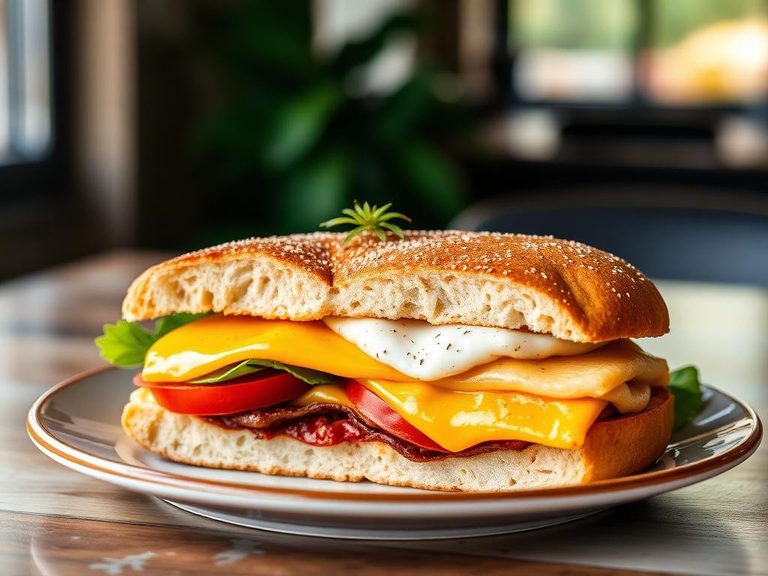
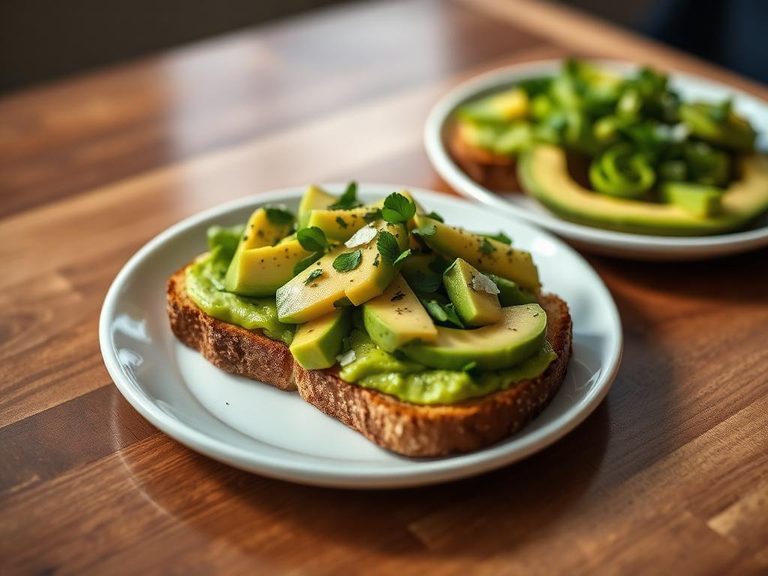
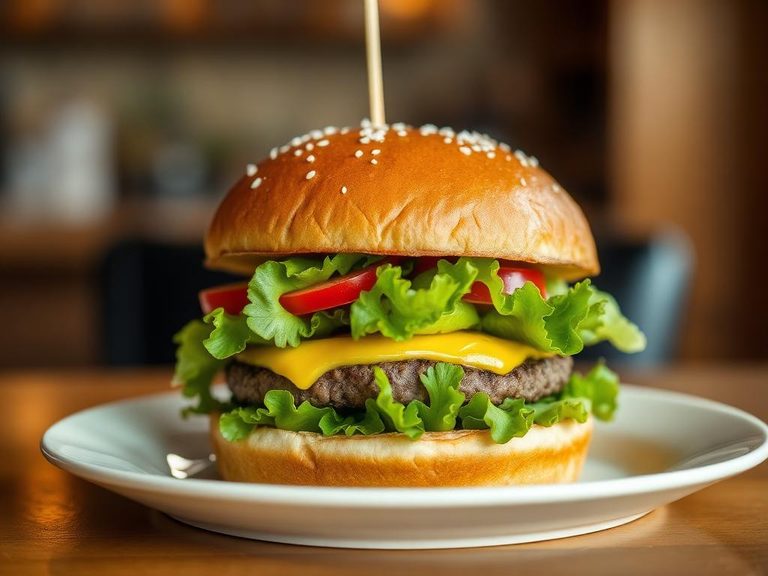
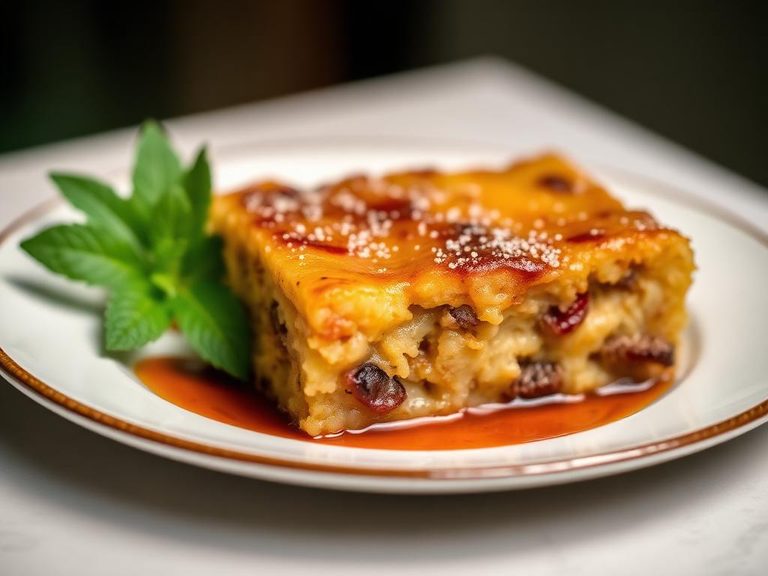
🍽️ Popular dishes

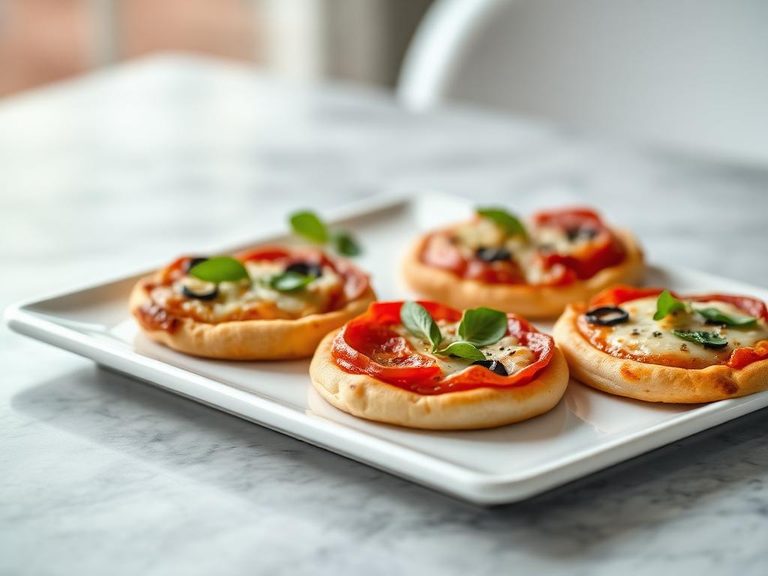
🌍 Where it's eaten
💡 Did you know?
The signature 'nooks and crannies' are created by a specific dough hydration and cooking method on a griddle, which sets the outside while the interior remains steamy and porous.
Full nutrition (USDA data · scales with serving)
| Water | 45.7 g |
| Energy | 203 kcal |
| Energy | 849 kj |
| Protein | 8.8 g |
| Total lipid (fat) | 2.1 g |
| Ash | 2.8 g |
| Carbohydrate, by difference | 40.4 g |
| Fiber, total dietary | 6.7 g |
| Total Sugars | 8.1 g |
| Calcium, Ca | 265 mg |
| Iron, Fe | 2.5 mg |
| Magnesium, Mg | 71.0 mg |
| Phosphorus, P | 282 mg |
| Potassium, K | 210 mg |
| Sodium, Na | 364 mg |
| Zinc, Zn | 1.6 mg |
| Copper, Cu | 0.21 mg |
| Manganese, Mn | 1.8 mg |
| Selenium, Se | 40.3 ug |
| Vitamin C, total ascorbic acid | 0.00 mg |
| Thiamin | 0.30 mg |
| Riboflavin | 0.14 mg |
| Niacin | 3.4 mg |
| Pantothenic acid | 0.69 mg |
| Vitamin B-6 | 0.16 mg |
| Folate, total | 49.0 ug |
| Folic acid | 0.00 ug |
| Folate, food | 49.0 ug |
| Folate, DFE | 49.0 ug |
| Choline, total | 13.7 mg |
| Vitamin B-12 | 0.00 ug |
| Vitamin B-12, added | 0.00 ug |
| Vitamin A, RAE | 0.00 ug |
| Retinol | 0.00 ug |
| Carotene, beta | 3.0 ug |
| Carotene, alpha | 1.0 ug |
| Cryptoxanthin, beta | 0.00 ug |
| Vitamin A, IU | 5.0 iu |
| Lycopene | 0.00 ug |
| Lutein + zeaxanthin | 91.0 ug |
| Vitamin E (alpha-tocopherol) | 0.41 mg |
| Vitamin E, added | 0.00 mg |
| Vitamin D (D2 + D3), International Units | 0.00 iu |
| Vitamin D (D2 + D3) | 0.00 ug |
| Vitamin K (phylloquinone) | 1.0 ug |
| Alcohol, ethyl | 0.00 g |
| Caffeine | 0.00 mg |
| Theobromine | 0.00 mg |
Fat & fatty acid profile (per 100g)
| Fatty acids, total saturated | 0.33 g |
| SFA 4:0 | 0.00 g |
| SFA 6:0 | 0.00 g |
| SFA 8:0 | 0.00 g |
| SFA 10:0 | 0.00 g |
| SFA 12:0 | 0.00 g |
| SFA 14:0 | 0.00 g |
| SFA 16:0 | 0.28 g |
| SFA 18:0 | 0.05 g |
| Fatty acids, total monounsaturated | 0.51 g |
| MUFA 16:1 | 0.03 g |
| MUFA 18:1 | 0.48 g |
| MUFA 20:1 | 0.00 g |
| MUFA 22:1 | 0.00 g |
| Fatty acids, total polyunsaturated | 0.83 g |
| PUFA 18:2 | 0.79 g |
| PUFA 18:3 | 0.05 g |
| PUFA 18:4 | 0.00 g |
| PUFA 20:4 | 0.00 g |
| PUFA 20:5 n-3 (EPA) | 0.00 g |
| PUFA 22:5 n-3 (DPA) | 0.00 g |
| PUFA 22:6 n-3 (DHA) | 0.00 g |
| Cholesterol | 0.00 mg |
Amino acid profile (per 100g)
| Tryptophan | 0.13 g |
| Threonine | 0.28 g |
| Isoleucine | 0.35 g |
| Leucine | 0.61 g |
| Lysine | 0.31 g |
| Methionine | 0.14 g |
| Cystine | 0.19 g |
| Phenylalanine | 0.42 g |
| Tyrosine | 0.27 g |
| Valine | 0.41 g |
| Arginine | 0.42 g |
| Histidine | 0.20 g |
| Alanine | 0.35 g |
| Aspartic acid | 0.51 g |
| Glutamic acid | 2.6 g |
| Glycine | 0.36 g |
| Proline | 0.84 g |
| Serine | 0.41 g |
FAQ
What's the difference between whole-wheat and whole-grain English muffins?
They are often used interchangeably, but 'whole-wheat' specifies the grain, while 'whole-grain' can include a blend of grains like oats, rye, or barley for a more complex flavor and texture.
Why are they split with a fork instead of a knife?
Using a fork to split the muffin preserves the delicate, airy interior structure, creating the ideal nooks and crannies for holding butter and toppings, rather than compressing the bread as a knife might.
How do I get the best toast?
Toast until the edges are golden and the cornmeal dusting is crisp. The high heat caramelizes the natural sugars and creates a delightful textural contrast with the soft interior.
Nutrient density (calculated · NRF9.3)
Nutrient Rich Foods index: beneficial nutrients (protein, fiber, vitamins, minerals) minus saturated fat, added sugar & sodium, per 100 kcal.
NRF9.3 index — Fulgoni, Keast & Drewnowski, 2009. Computed from USDA nutrients.
Weight-loss friendliness (composite index)
Energy density 2.03 kcal/g · 17% calories from protein · 6.7 g fiber · 8.1 g sugar per 100 g.
Composite of energy density (Rolls et al., 1999), protein & fiber satiety, minus sugar. A calculated heuristic — ranks satiety-per-calorie, not a clinical measure.
Dietary load (calculated from USDA values)
Potential renal acid load. Positive = acid-forming, negative = alkaline-forming.
Sodium-to-potassium ratio: 1.73 (lower is better — aim for ≤ 1)
Sodium:potassium per WHO potassium guidance. Computed from USDA nutrients.