

Meat, NFS
Common food
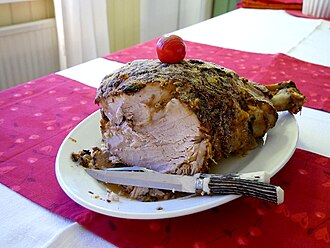
Photo: Wikipedia
Meat, NFS (Not Further Specified) is a versatile, lean cut of red meat, likely beef or lamb, with a firm, slightly chewy texture and a rich, savory flavor. Its high protein content makes it a powerhouse for muscle maintenance, while its minimal fat and zero carbs keep it a clean, low-calorie option for many diets.
Calorie split: 52% protein · 0% carbs · 48% fat
↓ Full nutrition💚 Why it's loved
People love it for its deep, umami-rich flavor that forms the savory backbone of countless comfort foods and celebratory dishes. Its ability to absorb marinades and spices makes it incredibly adaptable to grilling, braising, or stir-frying.
⚠️ Watch-outs & how to enjoy it better
As a red meat, it can be high in saturated fat and cholesterol, which may be a concern for heart health if consumed in excess. To mitigate this, choose leaner cuts, trim visible fat, and pair it with fiber-rich vegetables and whole grains to balance the meal.
Key benefits
- Excellent source of high-quality protein for muscle repair and growth
- Naturally low in carbohydrates, suitable for low-carb and ketogenic diets
- Rich in essential nutrients like iron, zinc, and B vitamins
- Provides a strong sense of satiety, aiding in weight management
- Versatile base for a wide variety of global cuisines and cooking methods
🍽️ Popular dishes
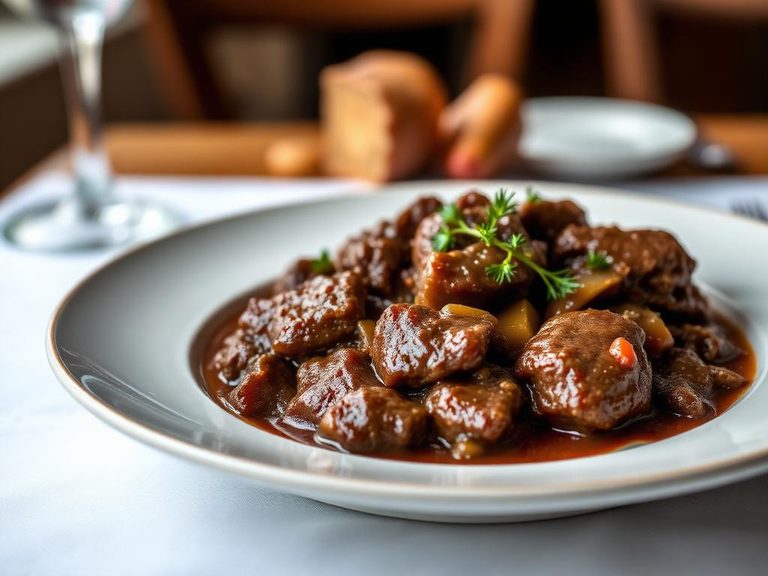
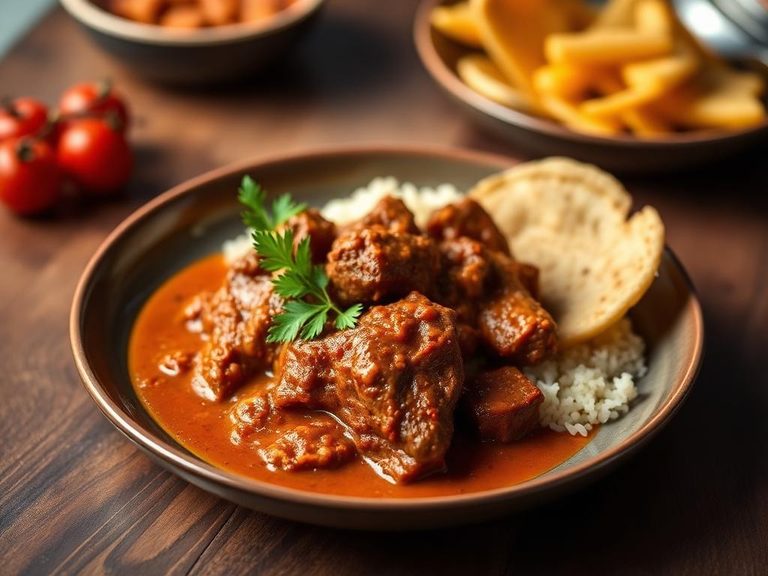
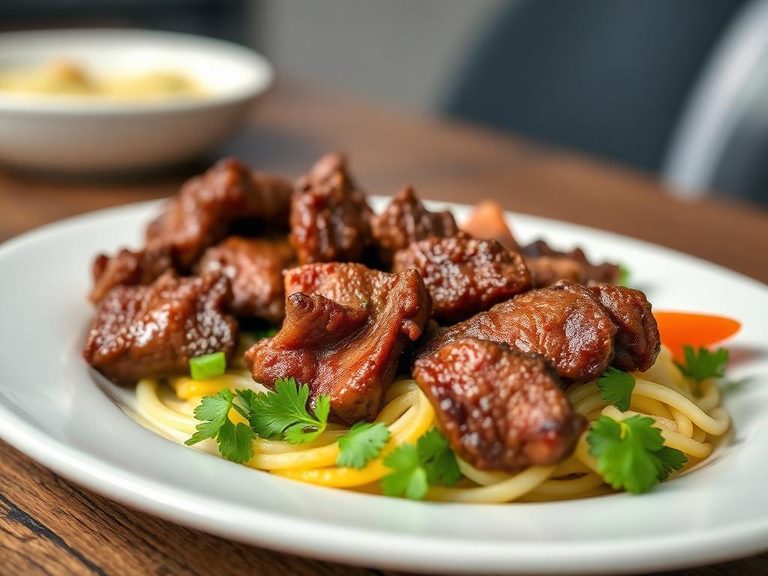
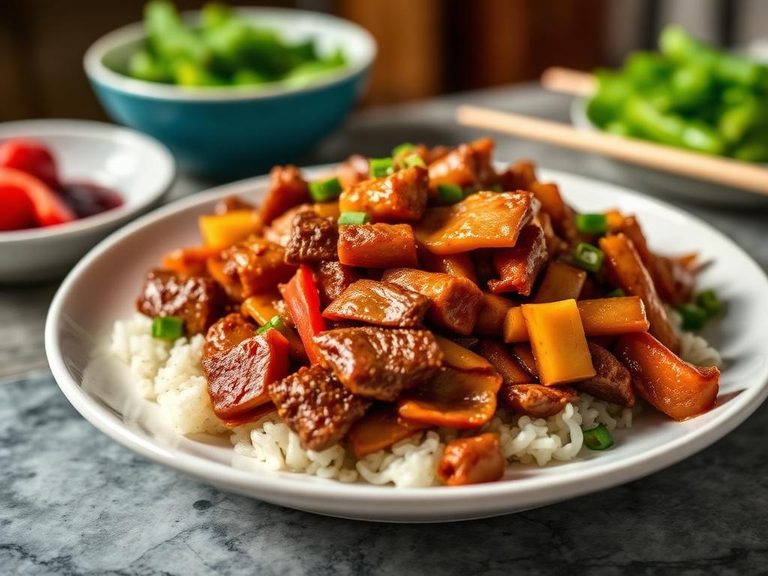
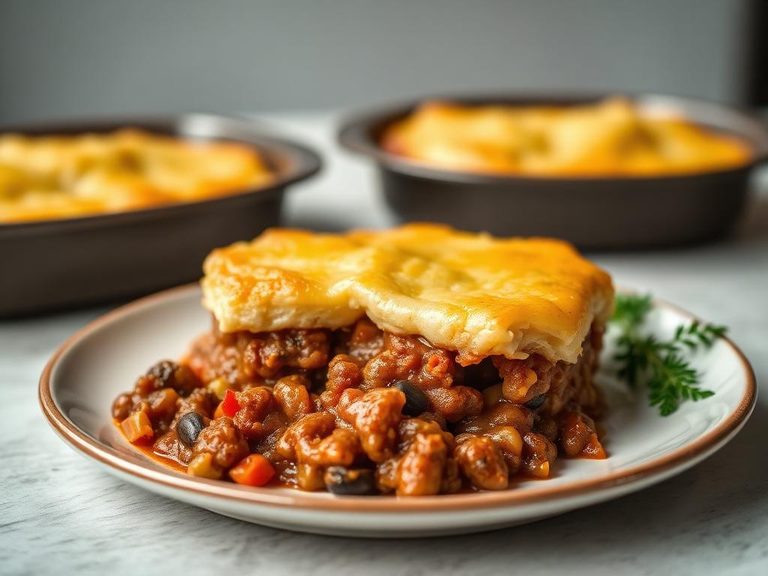
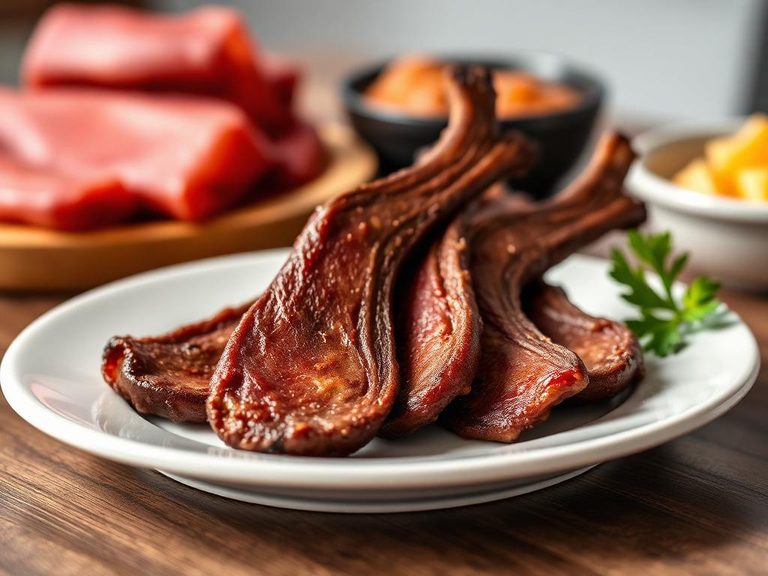
🌍 Where it's eaten
💡 Did you know?
The term 'NFS' in food databases stands for 'Not Further Specified,' meaning it's a generic catch-all for various red meats when the exact cut or animal source isn't identified.
Full nutrition (USDA data · scales with serving)
| Water | 60.0 g |
| Energy | 215 kcal |
| Protein | 27.1 g |
| Total lipid (fat) | 11.3 g |
| Carbohydrate, by difference | 0.00 g |
| Fiber, total dietary | 0.00 g |
| Total Sugars | 0.00 g |
| Calcium, Ca | 15.0 mg |
| Iron, Fe | 1.9 mg |
| Magnesium, Mg | 22.0 mg |
| Phosphorus, P | 228 mg |
| Potassium, K | 352 mg |
| Sodium, Na | 363 mg |
| Zinc, Zn | 4.4 mg |
| Copper, Cu | 0.08 mg |
| Selenium, Se | 34.5 ug |
| Vitamin C, total ascorbic acid | 0.00 mg |
| Thiamin | 0.28 mg |
| Riboflavin | 0.24 mg |
| Niacin | 6.7 mg |
| Vitamin B-6 | 0.59 mg |
| Folate, total | 4.0 ug |
| Folic acid | 0.00 ug |
| Folate, food | 4.0 ug |
| Folate, DFE | 4.0 ug |
| Choline, total | 80.0 mg |
| Vitamin B-12 | 1.6 ug |
| Vitamin B-12, added | 0.00 ug |
| Vitamin A, RAE | 3.0 ug |
| Retinol | 3.0 ug |
| Carotene, beta | 0.00 ug |
| Carotene, alpha | 0.00 ug |
| Cryptoxanthin, beta | 0.00 ug |
| Lycopene | 0.00 ug |
| Lutein + zeaxanthin | 0.00 ug |
| Vitamin E (alpha-tocopherol) | 0.20 mg |
| Vitamin E, added | 0.00 mg |
| Vitamin D (D2 + D3) | 0.30 ug |
| Vitamin K (phylloquinone) | 1.0 ug |
| Alcohol, ethyl | 0.00 g |
| Caffeine | 0.00 mg |
| Theobromine | 0.00 mg |
Fat & fatty acid profile (per 100g)
| Fatty acids, total saturated | 4.3 g |
| SFA 4:0 | 0.00 g |
| SFA 6:0 | 0.00 g |
| SFA 8:0 | 0.00 g |
| SFA 10:0 | 0.01 g |
| SFA 12:0 | 0.01 g |
| SFA 14:0 | 0.26 g |
| SFA 16:0 | 2.5 g |
| SFA 18:0 | 1.4 g |
| Fatty acids, total monounsaturated | 5.0 g |
| MUFA 16:1 | 0.35 g |
| MUFA 18:1 | 4.5 g |
| MUFA 20:1 | 0.04 g |
| MUFA 22:1 | 0.00 g |
| Fatty acids, total polyunsaturated | 0.74 g |
| PUFA 18:2 | 0.61 g |
| PUFA 18:3 | 0.04 g |
| PUFA 18:4 | 0.00 g |
| PUFA 20:4 | 0.06 g |
| PUFA 20:5 n-3 (EPA) | 0.00 g |
| PUFA 22:5 n-3 (DPA) | 0.01 g |
| PUFA 22:6 n-3 (DHA) | 0.00 g |
| Cholesterol | 82.0 mg |
Amino acid profile (per 100g)
Estimated from Chicken, broilers or fryers, light meat, meat and skin, raw — USDA does not publish this profile for Meat.
| Tryptophan | 0.23 g |
| Threonine | 0.84 g |
| Isoleucine | 1.0 g |
| Leucine | 1.5 g |
| Lysine | 1.7 g |
| Methionine | 0.54 g |
| Cystine | 0.27 g |
| Phenylalanine | 0.79 g |
| Tyrosine | 0.66 g |
| Valine | 0.98 g |
| Arginine | 1.3 g |
| Histidine | 0.60 g |
| Alanine | 1.2 g |
| Aspartic acid | 1.8 g |
| Glutamic acid | 3.0 g |
| Glycine | 1.3 g |
| Proline | 0.97 g |
| Serine | 0.71 g |
FAQ
What does 'Meat, NFS' typically refer to?
It's a generic label used in nutritional databases for unspecified red meat, most commonly beef or lamb, when the exact cut or animal isn't detailed.
Is this a lean or fatty meat option?
With 11.29g of fat per 100g, it's moderately lean. The fat content can vary significantly depending on the actual cut, so choosing visibly leaner pieces is key.
How should I cook it for the best texture?
For tender results, quick-cooking methods like grilling or stir-frying work well for lean cuts. Tougher cuts benefit from slow, moist-heat methods like braising or stewing to break down connective tissue.
Nutrient density (calculated · NRF9.3)
Nutrient Rich Foods index: beneficial nutrients (protein, fiber, vitamins, minerals) minus saturated fat, added sugar & sodium, per 100 kcal.
NRF9.3 index — Fulgoni, Keast & Drewnowski, 2009. Computed from USDA nutrients.
Weight-loss friendliness (composite index)
Energy density 2.15 kcal/g · 50% calories from protein · 0.0 g fiber · 0.0 g sugar per 100 g.
Composite of energy density (Rolls et al., 1999), protein & fiber satiety, minus sugar. A calculated heuristic — ranks satiety-per-calorie, not a clinical measure.
Dietary load (calculated from USDA values)
Potential renal acid load. Positive = acid-forming, negative = alkaline-forming.
Sodium-to-potassium ratio: 1.03 (lower is better — aim for ≤ 1)
Sodium:potassium per WHO potassium guidance. Computed from USDA nutrients.