

Margarine Spread, 40-49% fat, tub
Whole food · Fats and Oils

Photo: Wikipedia
A smooth, creamy spread made from refined vegetable oils, designed to mimic butter's texture at a lower cost. It has a mild, slightly salty flavor and a soft, spreadable consistency straight from the fridge. Nutritionally, it's almost pure fat, providing a dense source of energy with negligible protein or carbohydrates.
Calorie split: 0% protein · 0% carbs · 100% fat
↓ Full nutrition💚 Why it's loved
People love its convenience and consistency; it spreads easily without tearing bread and delivers a familiar, rich mouthfeel in baking. It's a cultural staple for affordable, everyday cooking and the classic 'buttery' taste on toast, popcorn, or corn on the cob.
⚠️ Watch-outs & how to enjoy it better
As a highly processed fat, it can be high in omega-6 fatty acids and may contain trans fats from partial hydrogenation. Those monitoring saturated fat intake should use it sparingly. To counteract, use it as a flavor accent rather than a primary fat source, and balance meals with whole foods rich in fiber and protein.
Key benefits
- Provides a dairy-free, vegan alternative to butter.
- Remains spreadable when cold, unlike many animal fats.
- Often fortified with vitamins A and D.
- Has a longer shelf life than butter.
- Cost-effective for large-scale baking and food service.
🍽️ Popular dishes
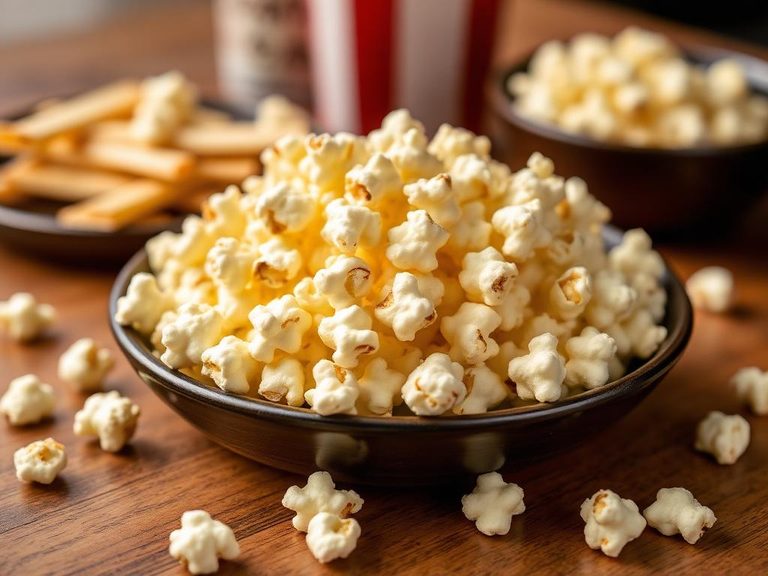
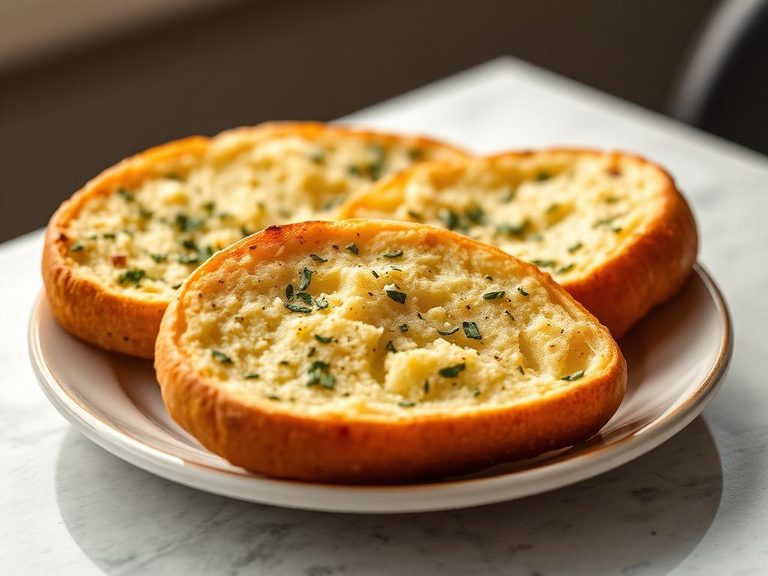
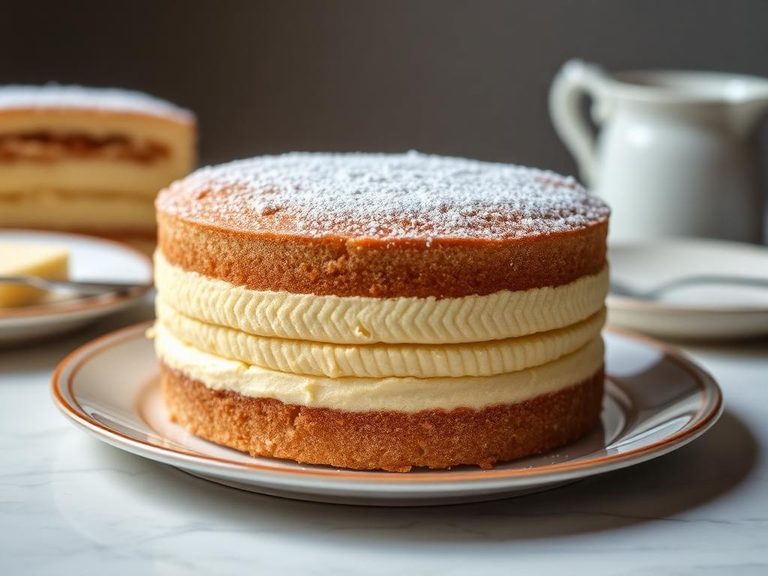
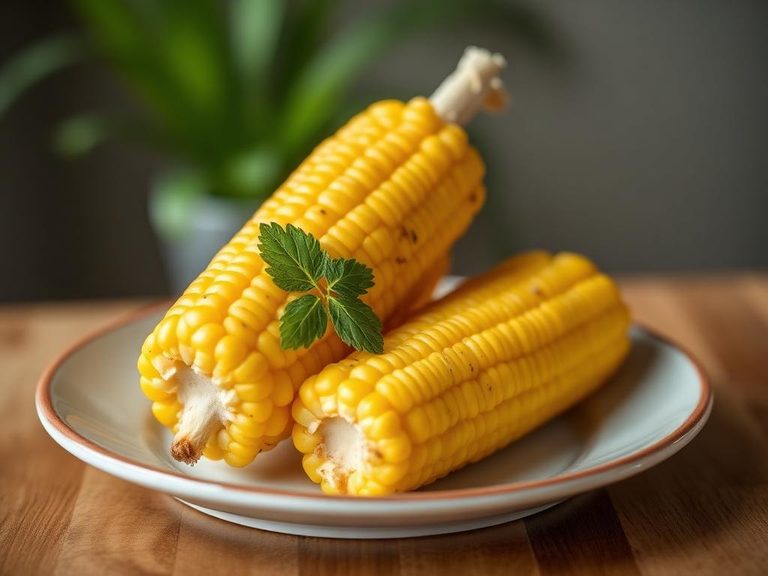
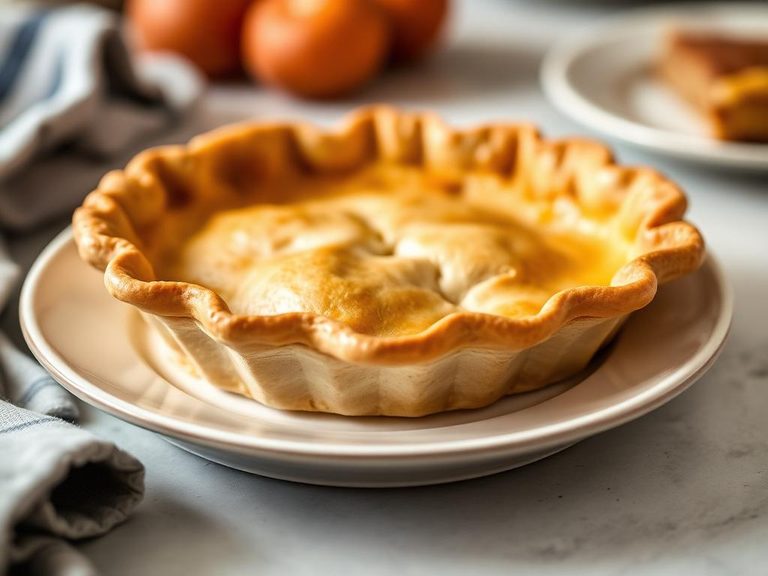
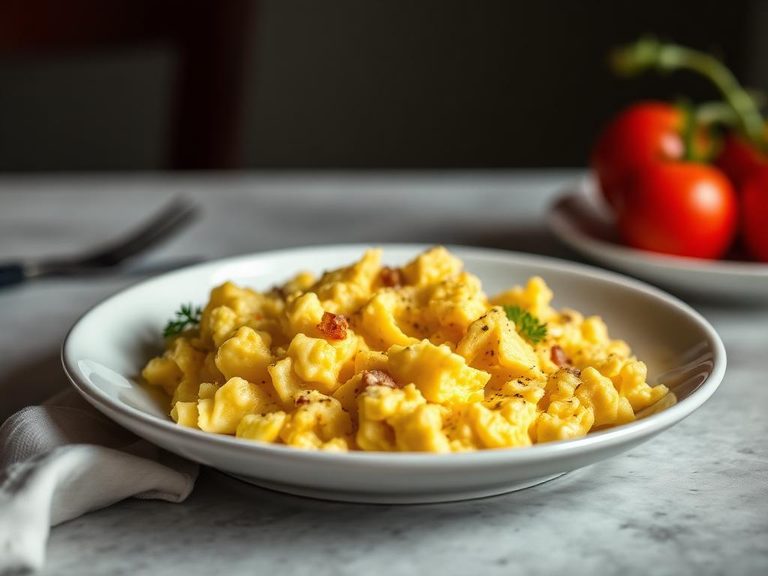
🌍 Where it's eaten
💡 Did you know?
Margarine was invented in 1869 by a French chemist in response to a challenge from Emperor Napoleon III to create a butter substitute for the armed forces and working classes.
Full nutrition (USDA data · scales with serving)
| Water | 54.4 g |
| Energy | 401 kcal |
| Energy | 1679 kj |
| Protein | 0.27 g |
| Total lipid (fat) | 44.5 g |
| Ash | 1.8 g |
| Carbohydrate, by difference | 0.00 g |
| Fiber, total dietary | 0.00 g |
| Calcium, Ca | 2.0 mg |
| Iron, Fe | 0.06 mg |
| Magnesium, Mg | 1.0 mg |
| Phosphorus, P | 4.0 mg |
| Potassium, K | 17.0 mg |
| Sodium, Na | 716 mg |
| Zinc, Zn | 0.02 mg |
| Copper, Cu | 0.01 mg |
| Manganese, Mn | 0.01 mg |
| Selenium, Se | 0.00 ug |
| Vitamin C, total ascorbic acid | 0.00 mg |
| Thiamin | 0.00 mg |
| Riboflavin | 0.00 mg |
| Niacin | 0.00 mg |
| Pantothenic acid | 0.03 mg |
| Vitamin B-6 | 0.01 mg |
| Folate, total | 1.0 ug |
| Folic acid | 0.00 ug |
| Folate, food | 1.0 ug |
| Folate, DFE | 1.0 ug |
| Vitamin E (alpha-tocopherol) | 3.9 mg |
| Vitamin D (D2 + D3) | 11.8 ug |
| Vitamin D2 (ergocalciferol) | 0.00 ug |
| Vitamin D3 (cholecalciferol) | 11.8 ug |
Fat & fatty acid profile (per 100g)
| Fatty acids, total saturated | 11.1 g |
| SFA 4:0 | 0.01 g |
| SFA 6:0 | 0.01 g |
| SFA 8:0 | 0.17 g |
| SFA 10:0 | 0.15 g |
| SFA 12:0 | 2.0 g |
| SFA 14:0 | 0.61 g |
| SFA 15:0 | 0.01 g |
| SFA 16:0 | 6.3 g |
| SFA 17:0 | 0.04 g |
| SFA 18:0 | 2.0 g |
| SFA 20:0 | 0.14 g |
| SFA 22:0 | 0.12 g |
| SFA 24:0 | 0.05 g |
| Fatty acids, total monounsaturated | 10.4 g |
| MUFA 14:1 | 0.00 g |
| MUFA 15:1 | 0.00 g |
| MUFA 16:1 | 0.03 g |
| MUFA 16:1 c | 0.03 g |
| MUFA 17:1 | 0.02 g |
| MUFA 18:1 | 10.1 g |
| MUFA 18:1 c | 9.7 g |
| MUFA 20:1 | 0.15 g |
| MUFA 22:1 | 0.01 g |
| MUFA 22:1 c | 0.01 g |
| MUFA 24:1 c | 0.00 g |
| Fatty acids, total polyunsaturated | 21.0 g |
| PUFA 18:2 | 18.5 g |
| PUFA 18:2 n-6 c,c | 18.3 g |
| PUFA 18:2 CLAs | 0.03 g |
| PUFA 18:3 | 2.5 g |
| PUFA 18:3 n-3 c,c,c (ALA) | 2.4 g |
| PUFA 18:3 n-6 c,c,c | 0.10 g |
| PUFA 18:3i | 0.00 g |
| PUFA 18:4 | 0.00 g |
| PUFA 20:2 n-6 c,c | 0.01 g |
| PUFA 20:3 | 0.00 g |
| PUFA 20:3 n-3 | 0.00 g |
| PUFA 20:3 n-6 | 0.00 g |
| PUFA 20:4 | 0.02 g |
| PUFA 20:5 n-3 (EPA) | 0.00 g |
| PUFA 22:4 | 0.00 g |
| PUFA 22:5 n-3 (DPA) | 0.00 g |
| PUFA 22:6 n-3 (DHA) | 0.00 g |
| Fatty acids, total trans | 0.56 g |
| Fatty acids, total trans-monoenoic | 0.47 g |
| TFA 16:1 t | 0.00 g |
| TFA 18:1 t | 0.47 g |
| TFA 22:1 t | 0.00 g |
| TFA 18:2 t not further defined | 0.09 g |
| Fatty acids, total trans-polyenoic | 0.09 g |
FAQ
Is margarine the same as butter?
No. Butter is churned from animal cream and is about 80% fat, while margarine is an emulsion of refined vegetable oils and water, typically 40-80% fat, and is a processed, plant-based product.
Can I use margarine for baking?
Yes, especially in recipes where a soft, spreadable fat is needed. However, it has a higher water content than butter, which can affect the texture and spread of baked goods like cookies.
Why is it often in a tub?
The tub format highlights its key advantage: it's formulated to remain soft and spreadable straight from the refrigerator, unlike butter which hardens when cold.
Nutrient density (calculated · NRF9.3)
Nutrient Rich Foods index: beneficial nutrients (protein, fiber, vitamins, minerals) minus saturated fat, added sugar & sodium, per 100 kcal.
NRF9.3 index — Fulgoni, Keast & Drewnowski, 2009. Computed from USDA nutrients.
Weight-loss friendliness (composite index)
Energy density 4.01 kcal/g · 0% calories from protein · 0.0 g fiber · 0.0 g sugar per 100 g.
Composite of energy density (Rolls et al., 1999), protein & fiber satiety, minus sugar. A calculated heuristic — ranks satiety-per-calorie, not a clinical measure.
Dietary load (calculated from USDA values)
Potential renal acid load. Positive = acid-forming, negative = alkaline-forming.
Sodium-to-potassium ratio: 42.12 (lower is better — aim for ≤ 1)
Sodium:potassium per WHO potassium guidance. Computed from USDA nutrients.