

Mango, dried, sweetened
Whole food · Fruits and Fruit Juices

Photo: Wikipedia
Dried, sweetened mango is a chewy, intensely sweet tropical treat made by dehydrating mango slices, often with added sugar to enhance preservation and flavor. Its texture is leathery and satisfying, with a concentrated mango aroma that bursts with every bite. Nutritionally, it is a calorie-dense source of carbohydrates, providing quick energy but with a high sugar content that demands mindful consumption.
Calorie split: 3% protein · 94% carbs · 3% fat
↓ Full nutrition💚 Why it's loved
People love dried mango for its intensely sweet, tangy flavor and satisfying chewy texture, which makes it a perfect on-the-go snack. It's also cherished for its versatility, easily added to trail mixes, granolas, or enjoyed as a standalone treat that evokes tropical vibes.
⚠️ Watch-outs & how to enjoy it better
The high sugar content (66g per 100g) can cause rapid blood-sugar spikes, making it unsuitable for those managing diabetes or insulin resistance. To counteract this, pair it with a source of protein or healthy fat (like nuts or yogurt) and practice portion control, limiting servings to a small handful. Additionally, some commercial brands may contain added sulfites, which can trigger reactions in sensitive individuals—opt for unsulfured varieties if concerned.
Key benefits
- High in carbohydrates for quick energy replenishment
- Contains dietary fiber to support digestive health
- Rich in vitamin A and antioxidants from the mango base
- Convenient, portable, and long-lasting snack
- Provides a natural, tropical sweetness without artificial flavors
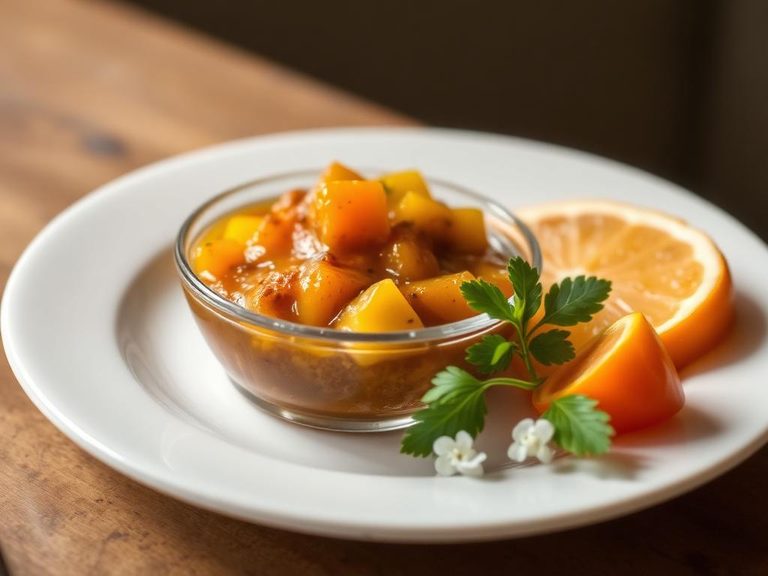
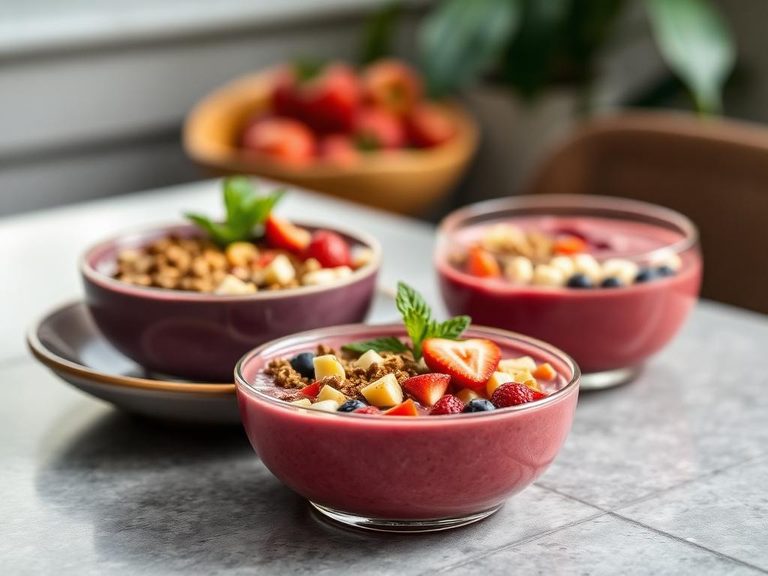
🍽️ Popular dishes
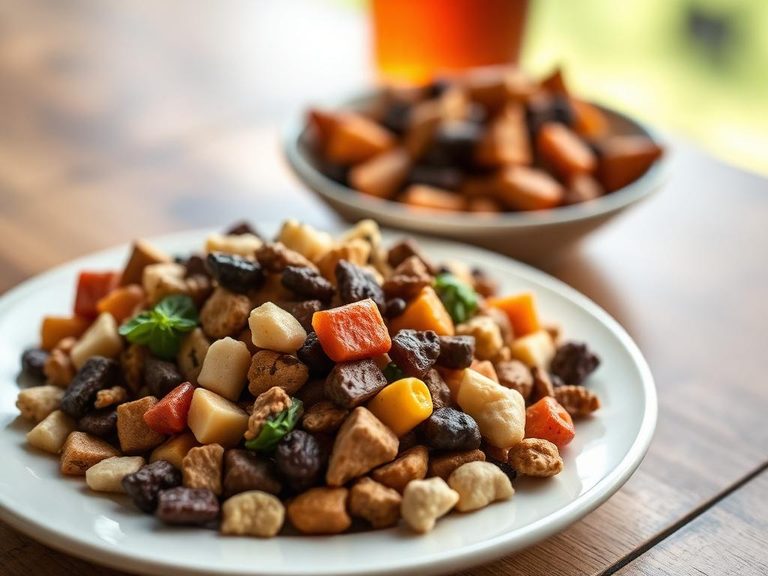
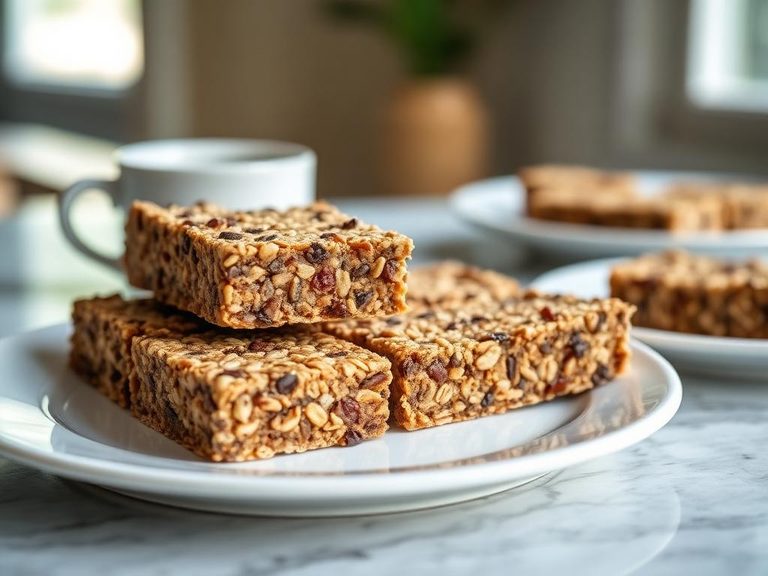
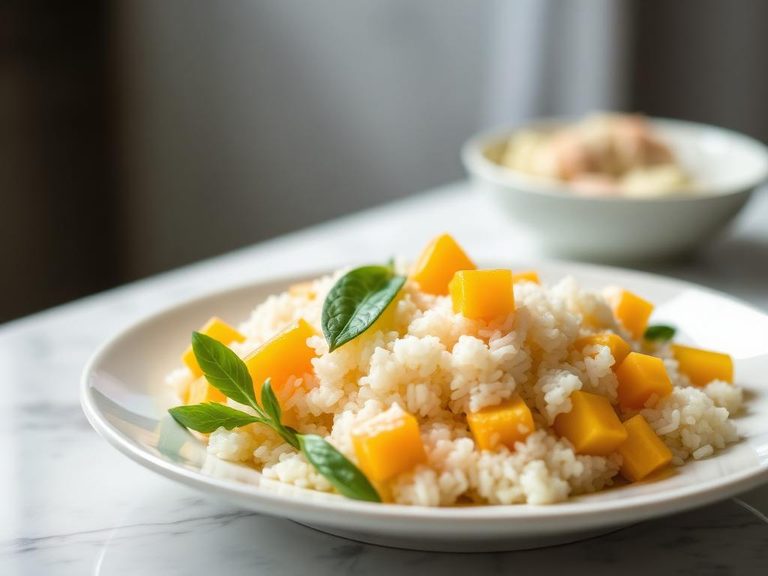
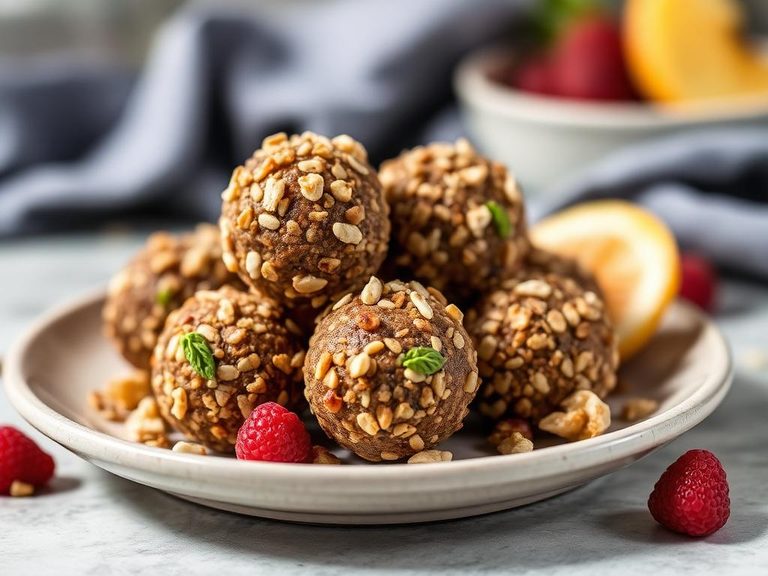
🌍 Where it's eaten
💡 Did you know?
Dried mango is so popular in some regions that it's often called 'the candy of the tropics,' and in parts of India, it's traditionally used in religious ceremonies and festivals as a symbol of prosperity and sweetness.
Full nutrition (USDA data · scales with serving)
| Water | 16.6 g |
| Energy | 319 kcal |
| Energy | 1336 kj |
| Protein | 2.5 g |
| Total lipid (fat) | 1.2 g |
| Ash | 1.2 g |
| Carbohydrate, by difference | 78.6 g |
| Fiber, total dietary | 2.4 g |
| Total Sugars | 66.3 g |
| Calcium, Ca | 0.00 mg |
| Iron, Fe | 0.23 mg |
| Magnesium, Mg | 20.0 mg |
| Phosphorus, P | 50.0 mg |
| Potassium, K | 279 mg |
| Sodium, Na | 162 mg |
| Zinc, Zn | 0.30 mg |
| Copper, Cu | 0.30 mg |
| Manganese, Mn | 10.0 mg |
| Selenium, Se | 2.1 ug |
| Vitamin C, total ascorbic acid | 42.3 mg |
| Thiamin | 0.06 mg |
| Riboflavin | 0.09 mg |
| Niacin | 2.0 mg |
| Vitamin B-6 | 0.33 mg |
| Folate, total | 68.0 ug |
| Folic acid | 0.00 ug |
| Folate, food | 68.0 ug |
| Folate, DFE | 68.0 ug |
| Choline, total | 23.7 mg |
| Vitamin B-12 | 0.00 ug |
| Vitamin B-12, added | 0.00 ug |
| Vitamin A, RAE | 67.0 ug |
| Retinol | 0.00 ug |
| Carotene, beta | 786 ug |
| Carotene, alpha | 11.0 ug |
| Cryptoxanthin, beta | 29.0 ug |
| Vitamin A, IU | 1343 iu |
| Lycopene | 0.00 ug |
| Lutein + zeaxanthin | 52.0 ug |
| Vitamin E (alpha-tocopherol) | 4.0 mg |
| Vitamin E, added | 0.00 mg |
| Vitamin D (D2 + D3), International Units | 0.00 iu |
| Vitamin D (D2 + D3) | 0.00 ug |
| Vitamin K (phylloquinone) | 13.2 ug |
| Alcohol, ethyl | 0.00 g |
| Caffeine | 0.00 mg |
| Theobromine | 0.00 mg |
Fat & fatty acid profile (per 100g)
| Fatty acids, total saturated | 0.29 g |
| SFA 4:0 | 0.00 g |
| SFA 6:0 | 0.00 g |
| SFA 8:0 | 0.00 g |
| SFA 10:0 | 0.00 g |
| SFA 12:0 | 0.00 g |
| SFA 14:0 | 0.04 g |
| SFA 16:0 | 0.23 g |
| SFA 18:0 | 0.01 g |
| Fatty acids, total monounsaturated | 0.44 g |
| MUFA 16:1 | 0.21 g |
| MUFA 18:1 | 0.23 g |
| MUFA 20:1 | 0.00 g |
| MUFA 22:1 | 0.00 g |
| Fatty acids, total polyunsaturated | 0.22 g |
| PUFA 18:2 | 0.06 g |
| PUFA 18:3 | 0.16 g |
| PUFA 18:4 | 0.00 g |
| PUFA 20:4 | 0.00 g |
| PUFA 20:5 n-3 (EPA) | 0.00 g |
| PUFA 22:5 n-3 (DPA) | 0.00 g |
| PUFA 22:6 n-3 (DHA) | 0.00 g |
| Fatty acids, total trans | 0.00 g |
| Cholesterol | 0.00 mg |
Amino acid profile (per 100g)
Estimated from Mangos, raw — USDA does not publish this profile for Mango.
| Tryptophan | 0.01 g |
| Threonine | 0.03 g |
| Isoleucine | 0.03 g |
| Leucine | 0.05 g |
| Lysine | 0.07 g |
| Methionine | 0.01 g |
| Phenylalanine | 0.03 g |
| Tyrosine | 0.02 g |
| Valine | 0.04 g |
| Arginine | 0.03 g |
| Histidine | 0.02 g |
| Alanine | 0.08 g |
| Aspartic acid | 0.07 g |
| Glutamic acid | 0.10 g |
| Glycine | 0.03 g |
| Proline | 0.03 g |
| Serine | 0.04 g |
FAQ
Is dried mango healthy?
It can be a healthy snack in moderation, providing fiber and vitamins, but its high sugar and calorie content means it should be consumed in small portions, especially by those watching their sugar intake.
How is dried mango different from fresh mango?
Dried mango is more concentrated in sugar and calories due to water removal, and it often has added sugar, whereas fresh mango has more water content and natural sugars without additives.
Can I make dried mango at home?
Yes, you can slice fresh mango thinly and dehydrate it in an oven or dehydrator; however, homemade versions typically have less added sugar and a more natural flavor.
Nutrient density (calculated · NRF9.3)
Nutrient Rich Foods index: beneficial nutrients (protein, fiber, vitamins, minerals) minus saturated fat, added sugar & sodium, per 100 kcal.
NRF9.3 index — Fulgoni, Keast & Drewnowski, 2009. Computed from USDA nutrients.
Weight-loss friendliness (composite index)
Energy density 3.19 kcal/g · 3% calories from protein · 2.4 g fiber · 66.3 g sugar per 100 g.
Composite of energy density (Rolls et al., 1999), protein & fiber satiety, minus sugar. A calculated heuristic — ranks satiety-per-calorie, not a clinical measure.
Dietary load (calculated from USDA values)
Potential renal acid load. Positive = acid-forming, negative = alkaline-forming.
Sodium-to-potassium ratio: 0.58 (lower is better — aim for ≤ 1)
Sodium:potassium per WHO potassium guidance. Computed from USDA nutrients.