

Liver, chicken
Common food

Photo: Wikipedia
Chicken liver is a nutrient-dense organ meat with a rich, mineral-forward flavor and a uniquely smooth, creamy texture when cooked properly. It's exceptionally high in vitamin A and B12, offering a potent nutritional punch in a small serving. This ingredient transforms simple dishes into deeply savory, satisfying meals.
Calorie split: 43% protein · 14% carbs · 42% fat
↓ Full nutrition💚 Why it's loved
People love it for its intense, umami-rich flavor that can elevate simple preparations like sautés and pâtés. It's a beloved, affordable staple in many cultures for adding deep, savory notes to stews, pastas, and spreads.
⚠️ Watch-outs & how to enjoy it better
Its strong, mineral taste and distinct texture are not for everyone, and some may find it too rich. Those with gout should limit intake due to purine content. To mitigate, pair it with acidic components like lemon juice or vinegar to cut the richness, and ensure it's cooked just until no longer pink to avoid a rubbery texture.
Key benefits
- Excellent source of heme iron for energy and red blood cell health
- Extremely high in vitamin A (retinol) for vision and immune function
- Rich in vitamin B12, crucial for nerve function and DNA synthesis
- High-quality, complete protein source
- Contains essential minerals like selenium and copper
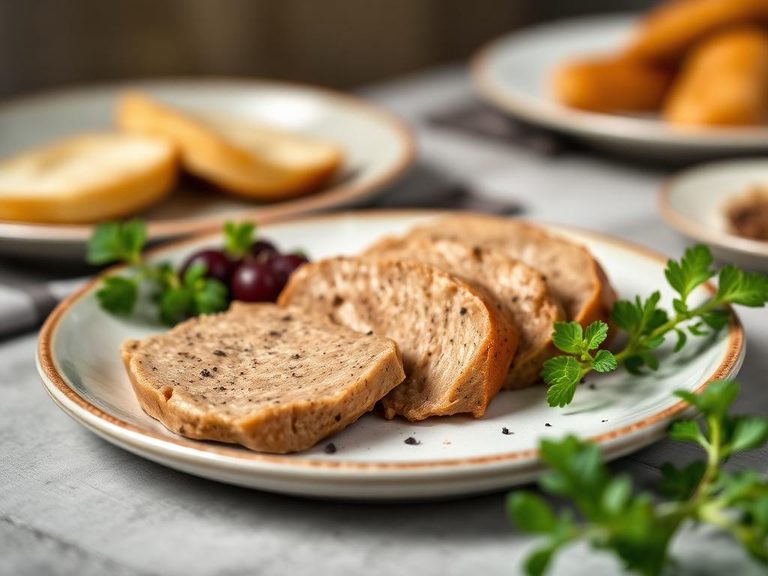
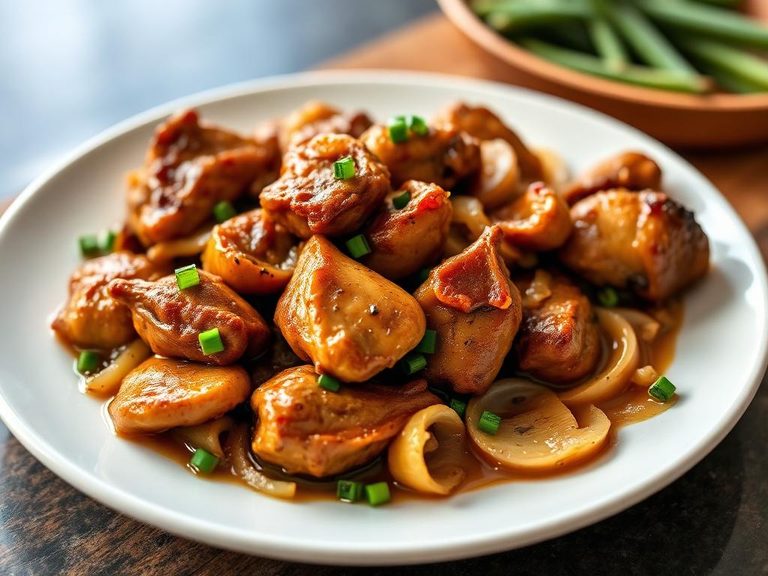
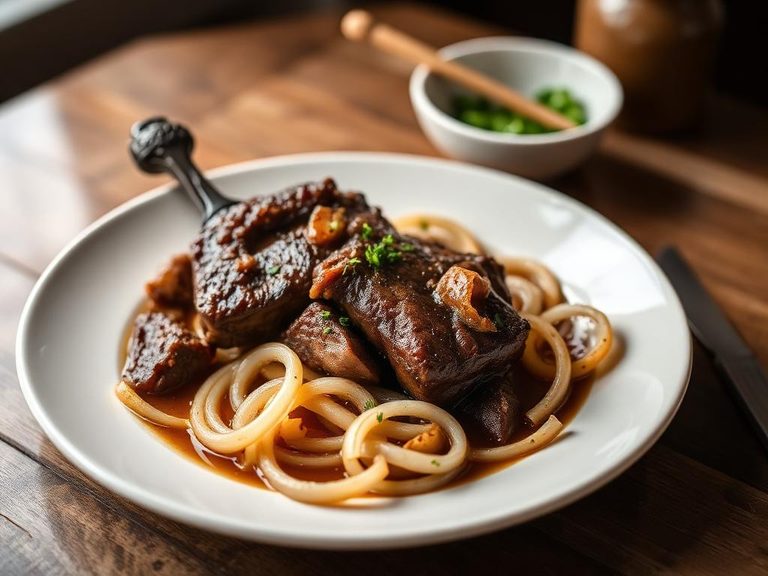
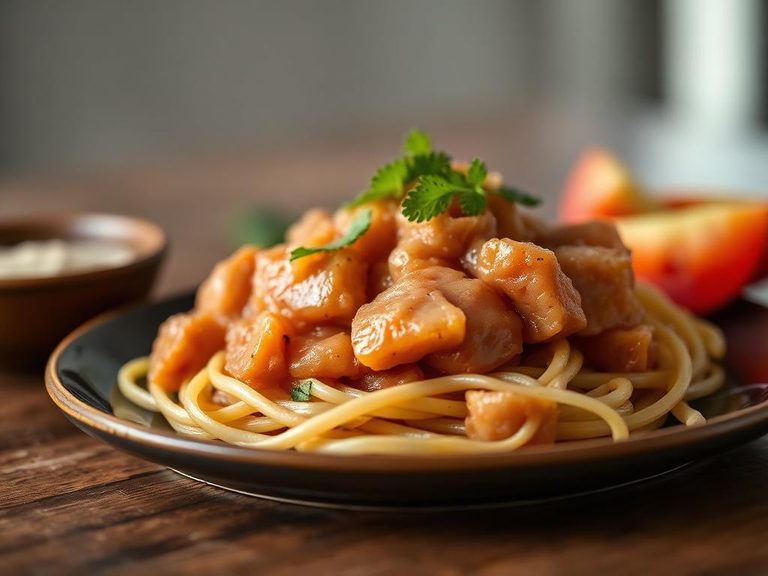
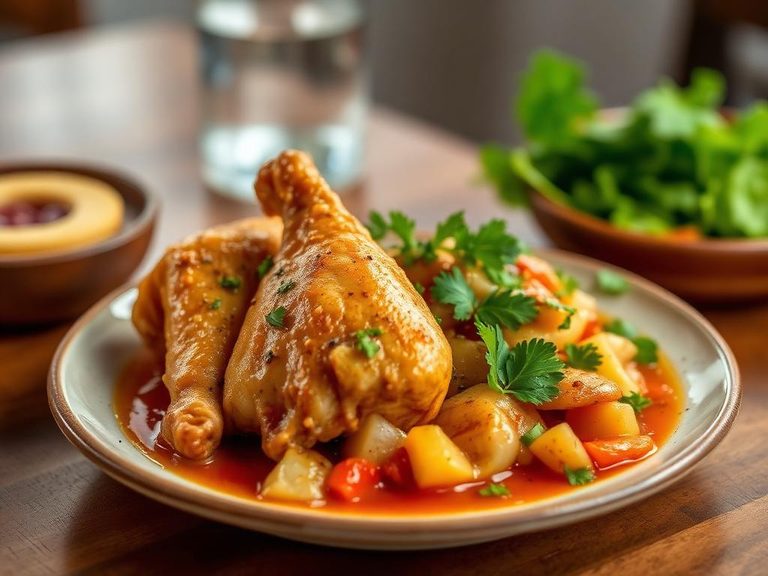
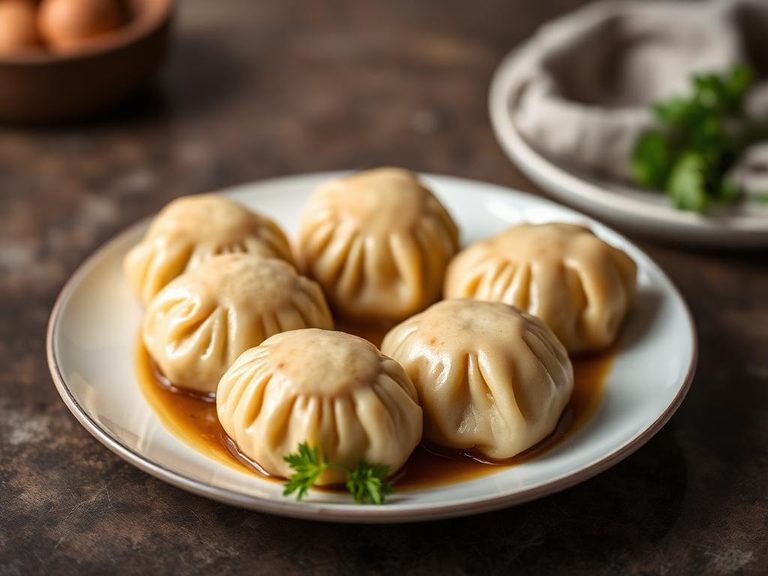
🍽️ Popular dishes
🌍 Where it's eaten
💡 Did you know?
Chicken liver is one of the most concentrated natural food sources of vitamin A; a single 100g serving can provide over 300% of the daily recommended intake.
Full nutrition (USDA data · scales with serving)
| Water | 62.6 g |
| Energy | 189 kcal |
| Protein | 20.0 g |
| Total lipid (fat) | 8.7 g |
| Carbohydrate, by difference | 6.5 g |
| Fiber, total dietary | 0.20 g |
| Total Sugars | 0.02 g |
| Calcium, Ca | 11.0 mg |
| Iron, Fe | 10.1 mg |
| Magnesium, Mg | 20.0 mg |
| Phosphorus, P | 312 mg |
| Potassium, K | 232 mg |
| Sodium, Na | 453 mg |
| Zinc, Zn | 3.1 mg |
| Copper, Cu | 0.57 mg |
| Selenium, Se | 63.2 ug |
| Vitamin C, total ascorbic acid | 16.3 mg |
| Thiamin | 0.29 mg |
| Riboflavin | 1.8 mg |
| Niacin | 9.3 mg |
| Vitamin B-6 | 0.59 mg |
| Folate, total | 575 ug |
| Folic acid | 7.0 ug |
| Folate, food | 569 ug |
| Folate, DFE | 580 ug |
| Choline, total | 200 mg |
| Vitamin B-12 | 15.1 ug |
| Vitamin B-12, added | 0.00 ug |
| Vitamin A, RAE | 2808 ug |
| Retinol | 2803 ug |
| Carotene, beta | 48.0 ug |
| Carotene, alpha | 9.0 ug |
| Cryptoxanthin, beta | 9.0 ug |
| Lycopene | 34.0 ug |
| Lutein + zeaxanthin | 1.0 ug |
| Vitamin E (alpha-tocopherol) | 0.99 mg |
| Vitamin E, added | 0.00 mg |
| Vitamin D (D2 + D3) | 0.00 ug |
| Vitamin K (phylloquinone) | 1.7 ug |
| Alcohol, ethyl | 0.00 g |
| Caffeine | 0.00 mg |
| Theobromine | 0.00 mg |
Fat & fatty acid profile (per 100g)
| Fatty acids, total saturated | 2.6 g |
| SFA 4:0 | 0.00 g |
| SFA 6:0 | 0.00 g |
| SFA 8:0 | 0.00 g |
| SFA 10:0 | 0.00 g |
| SFA 12:0 | 0.00 g |
| SFA 14:0 | 0.02 g |
| SFA 16:0 | 1.4 g |
| SFA 18:0 | 1.1 g |
| Fatty acids, total monounsaturated | 2.7 g |
| MUFA 16:1 | 0.12 g |
| MUFA 18:1 | 2.6 g |
| MUFA 20:1 | 0.02 g |
| MUFA 22:1 | 0.00 g |
| Fatty acids, total polyunsaturated | 2.4 g |
| PUFA 18:2 | 1.4 g |
| PUFA 18:3 | 0.07 g |
| PUFA 18:4 | 0.00 g |
| PUFA 20:4 | 0.37 g |
| PUFA 20:5 n-3 (EPA) | 0.00 g |
| PUFA 22:5 n-3 (DPA) | 0.00 g |
| PUFA 22:6 n-3 (DHA) | 0.00 g |
| Cholesterol | 392 mg |
Amino acid profile (per 100g)
Estimated from Lamb, variety meats and by-products, liver, raw — USDA does not publish this profile for Liver.
| Tryptophan | 0.24 g |
| Threonine | 0.88 g |
| Isoleucine | 0.88 g |
| Leucine | 1.7 g |
| Lysine | 1.1 g |
| Methionine | 0.44 g |
| Cystine | 0.21 g |
| Phenylalanine | 0.91 g |
| Tyrosine | 0.73 g |
| Valine | 1.1 g |
| Arginine | 1.1 g |
| Histidine | 0.48 g |
| Alanine | 1.0 g |
| Aspartic acid | 1.8 g |
| Glutamic acid | 2.2 g |
| Glycine | 0.98 g |
| Proline | 0.97 g |
| Serine | 0.88 g |
FAQ
How do I know when chicken liver is cooked properly?
Cook over medium-high heat for just 2-3 minutes per side until browned on the outside but still slightly pink in the very center. It will continue to cook from residual heat. Overcooking makes it tough and grainy.
Is chicken liver high in cholesterol?
Yes, like most organ meats, it is high in dietary cholesterol. However, for most healthy individuals, dietary cholesterol has a smaller impact on blood cholesterol than saturated and trans fats do. Those with specific health conditions should consult a doctor.
How can I reduce the strong, metallic taste?
Soaking the livers in milk or buttermilk for 1-2 hours before cooking can help mellow the flavor. Also, pairing with strong aromatics like garlic, onions, and fresh herbs, or finishing with a splash of lemon juice or vinegar, effectively balances the taste.
Nutrient density (calculated · NRF9.3)
Nutrient Rich Foods index: beneficial nutrients (protein, fiber, vitamins, minerals) minus saturated fat, added sugar & sodium, per 100 kcal.
NRF9.3 index — Fulgoni, Keast & Drewnowski, 2009. Computed from USDA nutrients.
Weight-loss friendliness (composite index)
Energy density 1.89 kcal/g · 42% calories from protein · 0.2 g fiber · 0.0 g sugar per 100 g.
Composite of energy density (Rolls et al., 1999), protein & fiber satiety, minus sugar. A calculated heuristic — ranks satiety-per-calorie, not a clinical measure.
Dietary load (calculated from USDA values)
Potential renal acid load. Positive = acid-forming, negative = alkaline-forming.
Sodium-to-potassium ratio: 1.95 (lower is better — aim for ≤ 1)
Sodium:potassium per WHO potassium guidance. Computed from USDA nutrients.