

Greens, frozen, cooked, no added fat
Common food
Frozen cooked greens are a convenient, nutrient-dense staple, offering a tender, slightly earthy flavor and a soft, wilted texture. With only 37 calories per 100g, they are a powerhouse of fiber and protein, making them a smart, low-calorie addition to any meal.
Calorie split: 28% protein · 56% carbs · 16% fat
↓ Full nutrition💚 Why it's loved
People love these greens for their incredible versatility and the way they effortlessly boost the nutritional profile of soups, stews, and stir-fries without adding extra calories. Their mild, familiar taste makes them an easy win for both busy home cooks and health-conscious eaters.
⚠️ Watch-outs & how to enjoy it better
The soft, sometimes mushy texture can be unappealing to those who prefer crisp vegetables. To counteract this, pair them with a crunchy element like toasted nuts or seeds, and avoid overcooking. Also, some frozen greens may contain added sodium; check labels and rinse before use.
Key benefits
- Excellent source of dietary fiber (2.7g per 100g)
- Low-calorie, nutrient-dense option for weight management
- Good plant-based protein source (2.92g per 100g)
- Minimal fat content (0.71g per 100g)
- Convenient and shelf-stable for quick meal prep
🍽️ Popular dishes
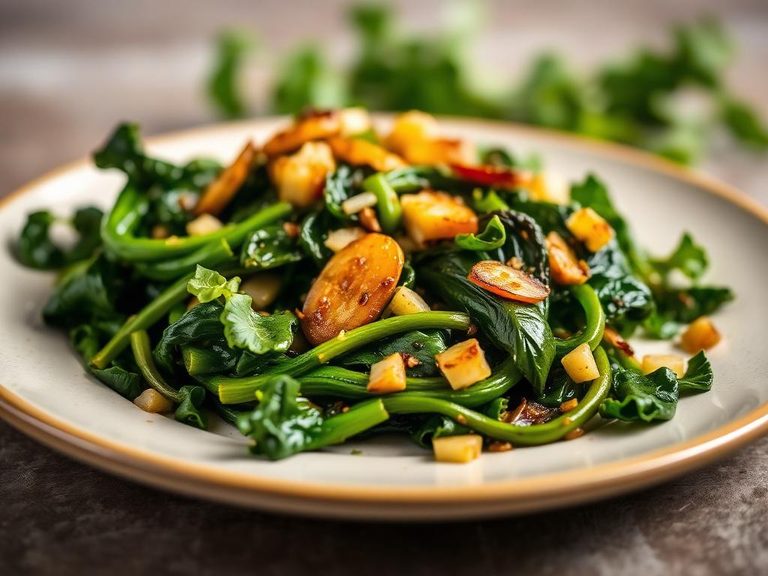
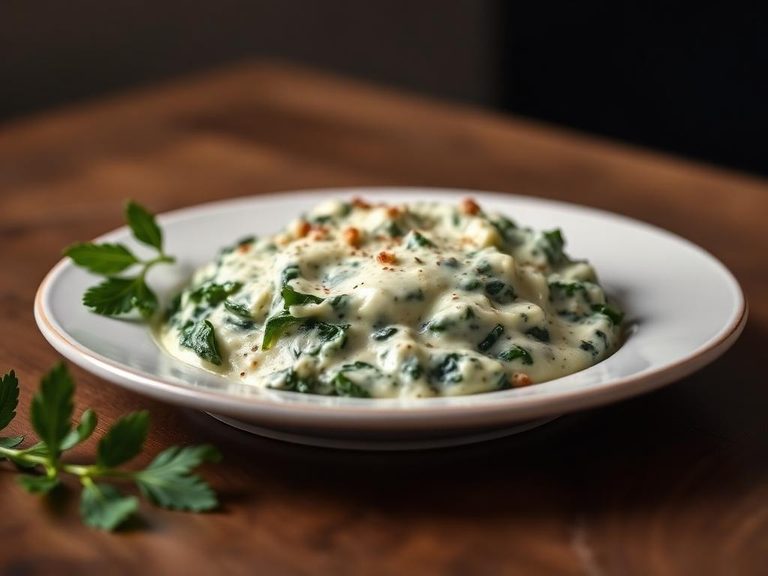
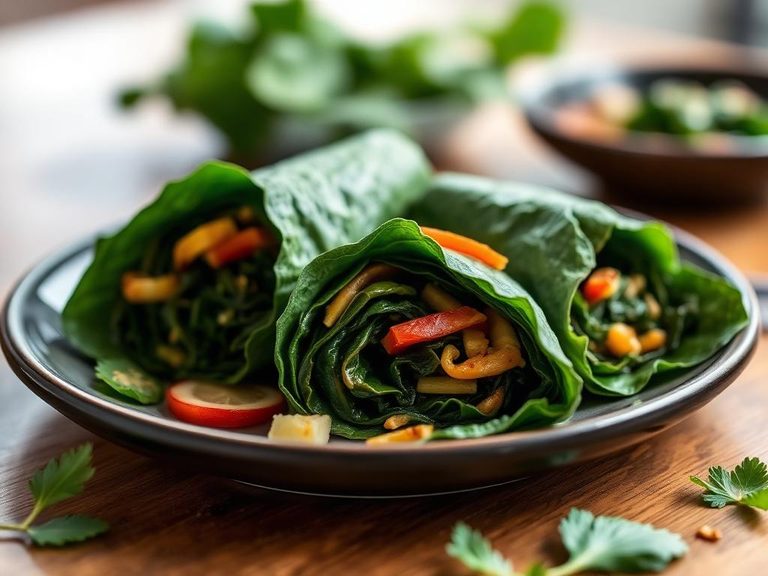
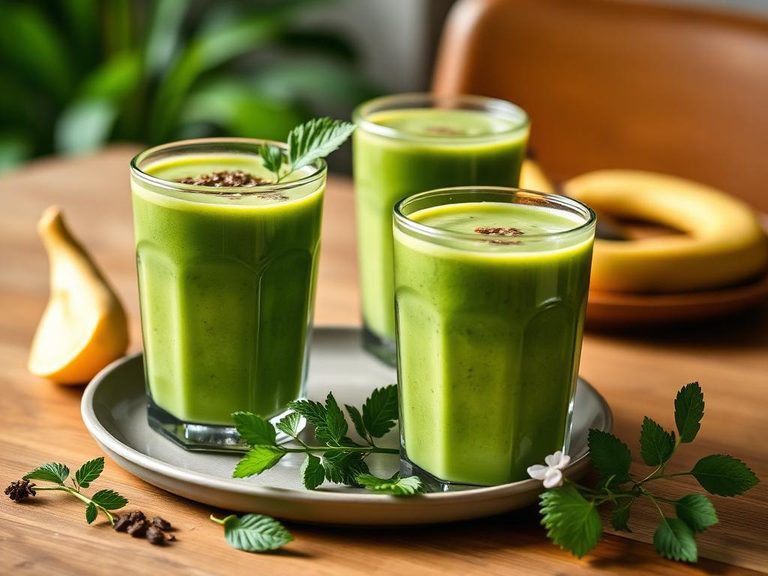
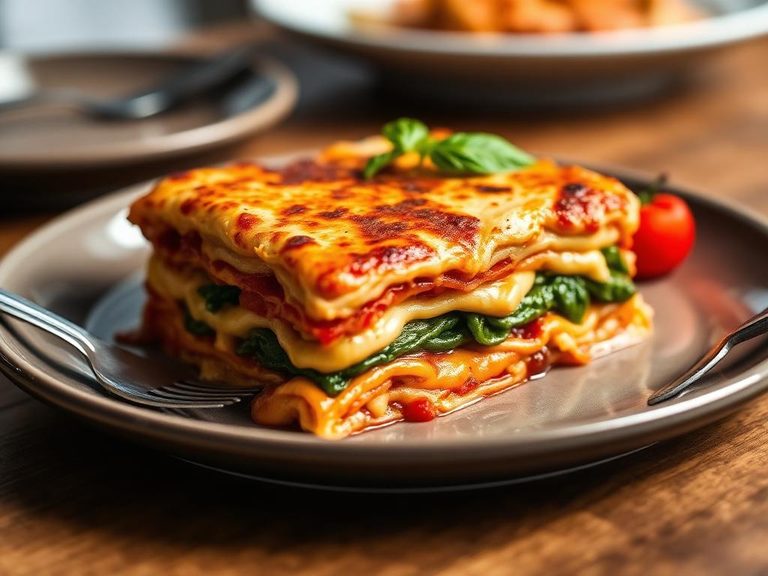
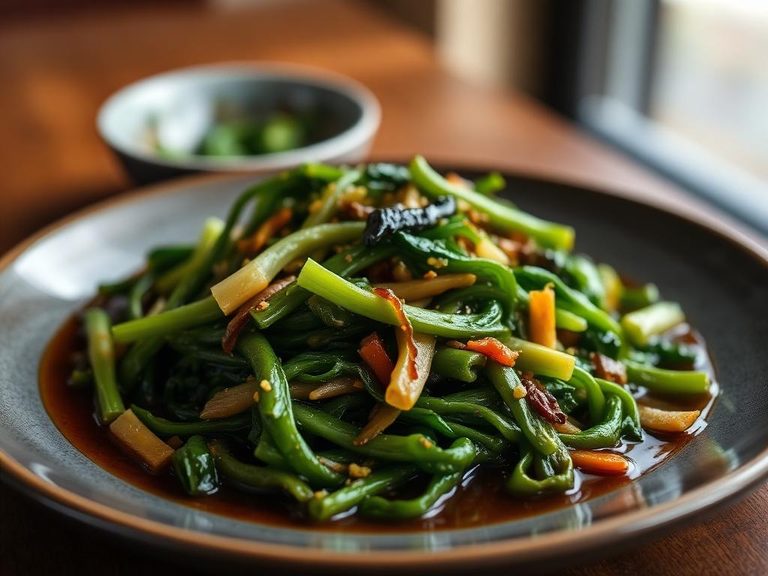
🌍 Where it's eaten
💡 Did you know?
Freezing greens at peak ripeness can actually preserve more vitamins (like vitamin C and folate) than buying 'fresh' greens that have traveled long distances and sat on store shelves for days.
Full nutrition (USDA data · scales with serving)
| Water | 89.5 g |
| Energy | 37.0 kcal |
| Protein | 2.9 g |
| Total lipid (fat) | 0.71 g |
| Carbohydrate, by difference | 5.8 g |
| Fiber, total dietary | 2.7 g |
| Total Sugars | 0.78 g |
| Calcium, Ca | 169 mg |
| Iron, Fe | 1.1 mg |
| Magnesium, Mg | 26.0 mg |
| Phosphorus, P | 33.0 mg |
| Potassium, K | 194 mg |
| Sodium, Na | 146 mg |
| Zinc, Zn | 0.28 mg |
| Copper, Cu | 0.07 mg |
| Selenium, Se | 1.2 ug |
| Vitamin C, total ascorbic acid | 21.2 mg |
| Thiamin | 0.05 mg |
| Riboflavin | 0.11 mg |
| Niacin | 0.51 mg |
| Vitamin B-6 | 0.09 mg |
| Folate, total | 67.0 ug |
| Folic acid | 0.00 ug |
| Folate, food | 67.0 ug |
| Folate, DFE | 67.0 ug |
| Choline, total | 18.3 mg |
| Vitamin B-12 | 0.00 ug |
| Vitamin B-12, added | 0.00 ug |
| Vitamin A, RAE | 376 ug |
| Retinol | 0.00 ug |
| Carotene, beta | 4476 ug |
| Carotene, alpha | 55.0 ug |
| Cryptoxanthin, beta | 22.0 ug |
| Lycopene | 0.00 ug |
| Lutein + zeaxanthin | 8185 ug |
| Vitamin E (alpha-tocopherol) | 1.5 mg |
| Vitamin E, added | 0.00 mg |
| Vitamin D (D2 + D3) | 0.00 ug |
| Vitamin K (phylloquinone) | 500 ug |
| Alcohol, ethyl | 0.00 g |
| Caffeine | 0.00 mg |
| Theobromine | 0.00 mg |
Fat & fatty acid profile (per 100g)
| Fatty acids, total saturated | 0.10 g |
| SFA 4:0 | 0.00 g |
| SFA 6:0 | 0.00 g |
| SFA 8:0 | 0.00 g |
| SFA 10:0 | 0.00 g |
| SFA 12:0 | 0.00 g |
| SFA 14:0 | 0.00 g |
| SFA 16:0 | 0.08 g |
| SFA 18:0 | 0.01 g |
| Fatty acids, total monounsaturated | 0.06 g |
| MUFA 16:1 | 0.01 g |
| MUFA 18:1 | 0.04 g |
| MUFA 20:1 | 0.00 g |
| MUFA 22:1 | 0.01 g |
| Fatty acids, total polyunsaturated | 0.34 g |
| PUFA 18:2 | 0.13 g |
| PUFA 18:3 | 0.20 g |
| PUFA 18:4 | 0.00 g |
| PUFA 20:4 | 0.00 g |
| PUFA 20:5 n-3 (EPA) | 0.00 g |
| PUFA 22:5 n-3 (DPA) | 0.00 g |
| PUFA 22:6 n-3 (DHA) | 0.00 g |
| Cholesterol | 0.00 mg |
Amino acid profile (per 100g)
Estimated from Beet greens, cooked, boiled, drained, with salt — USDA does not publish this profile for Greens.
| Tryptophan | 0.04 g |
| Threonine | 0.08 g |
| Isoleucine | 0.05 g |
| Leucine | 0.12 g |
| Lysine | 0.07 g |
| Methionine | 0.02 g |
| Cystine | 0.02 g |
| Phenylalanine | 0.07 g |
| Tyrosine | 0.06 g |
| Valine | 0.08 g |
| Arginine | 0.07 g |
| Histidine | 0.04 g |
| Alanine | 0.10 g |
| Aspartic acid | 0.15 g |
| Glutamic acid | 0.31 g |
| Glycine | 0.09 g |
| Proline | 0.06 g |
| Serine | 0.08 g |
FAQ
Are frozen greens as nutritious as fresh?
Yes, often more so. They are typically flash-frozen at peak ripeness, locking in nutrients that can degrade in fresh produce during transport and storage.
How do I prevent frozen greens from becoming watery?
Thaw them in a colander and gently squeeze out excess moisture before cooking, or add them directly to a hot pan or pot to evaporate the liquid quickly.
Can I use frozen greens in salads?
While they are best cooked, you can thaw and thoroughly drain them to use in cold salads, though the texture will be softer than fresh greens.
Nutrient density (calculated · NRF9.3)
Nutrient Rich Foods index: beneficial nutrients (protein, fiber, vitamins, minerals) minus saturated fat, added sugar & sodium, per 100 kcal.
NRF9.3 index — Fulgoni, Keast & Drewnowski, 2009. Computed from USDA nutrients.
Weight-loss friendliness (composite index)
Energy density 0.37 kcal/g · 32% calories from protein · 2.7 g fiber · 0.8 g sugar per 100 g.
Composite of energy density (Rolls et al., 1999), protein & fiber satiety, minus sugar. A calculated heuristic — ranks satiety-per-calorie, not a clinical measure.
Dietary load (calculated from USDA values)
Potential renal acid load. Positive = acid-forming, negative = alkaline-forming.
Sodium-to-potassium ratio: 0.75 (lower is better — aim for ≤ 1)
Sodium:potassium per WHO potassium guidance. Computed from USDA nutrients.