

Mustard greens, frozen, cooked, no added fat
Common food

Photo: Wikipedia
Frozen mustard greens, once cooked, offer a tender, slightly chewy texture and a distinctive peppery, earthy flavor that's milder than their raw state. They are a nutritional powerhouse, delivering an impressive 2.8 grams of fiber per 100 grams for very few calories, making them an excellent choice for adding volume and nutrients to meals.
Calorie split: 38% protein · 52% carbs · 9% fat
↓ Full nutrition💚 Why it's loved
People love frozen mustard greens for their year-round availability and the way freezing locks in their vibrant color and peppery essence. They are a versatile staple in many cuisines, easily added to soups, stews, or stir-fries for a quick nutritional boost and a bold, savory depth of flavor.
⚠️ Watch-outs & how to enjoy it better
The primary downside is their natural bitterness and oxalate content, which can be intense for some palates and may affect mineral absorption or be a concern for individuals prone to kidney stones. To counteract bitterness, blanch the greens in a large pot of boiling water for 1-2 minutes, then shock in ice water before using; to reduce oxalates, ensure they are thoroughly cooked and consider pairing with calcium-rich foods like cheese or tofu.
Key benefits
- Very low in calories (19 kcal per 100g)
- Excellent source of dietary fiber
- Rich in vitamins A, C, and K
- Contains minerals like calcium and potassium
- Provides plant-based protein
🍽️ Popular dishes
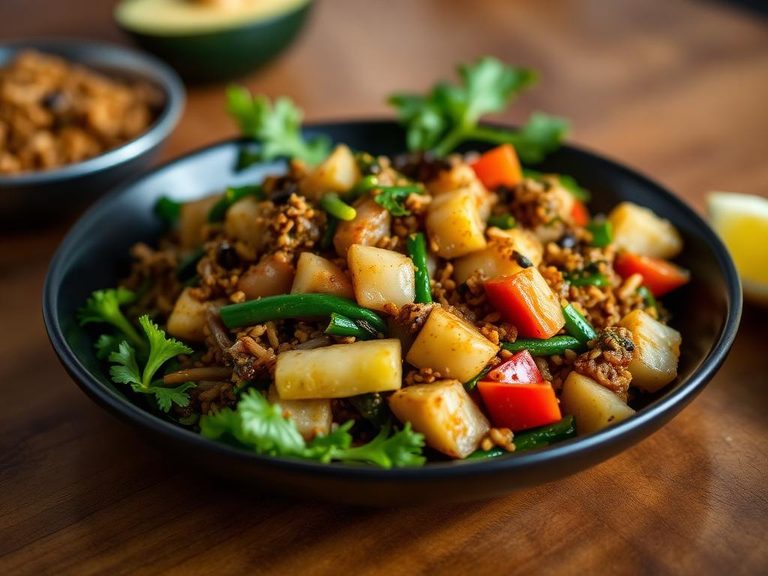
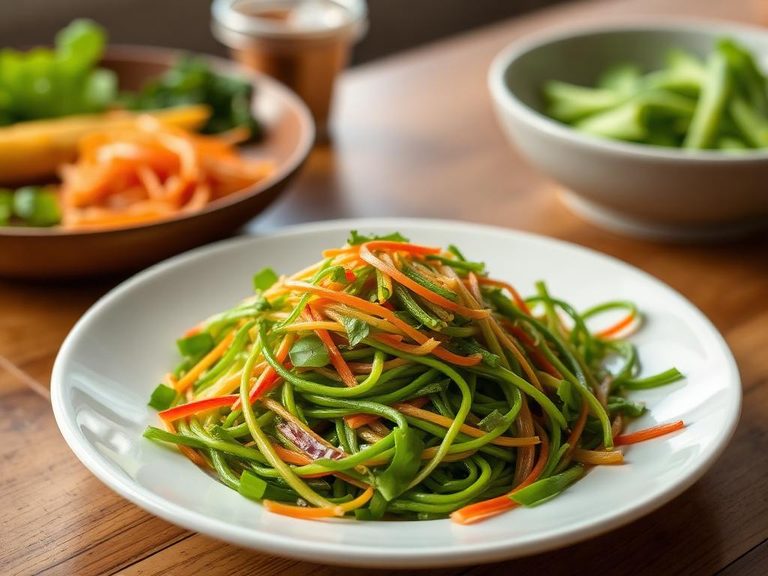
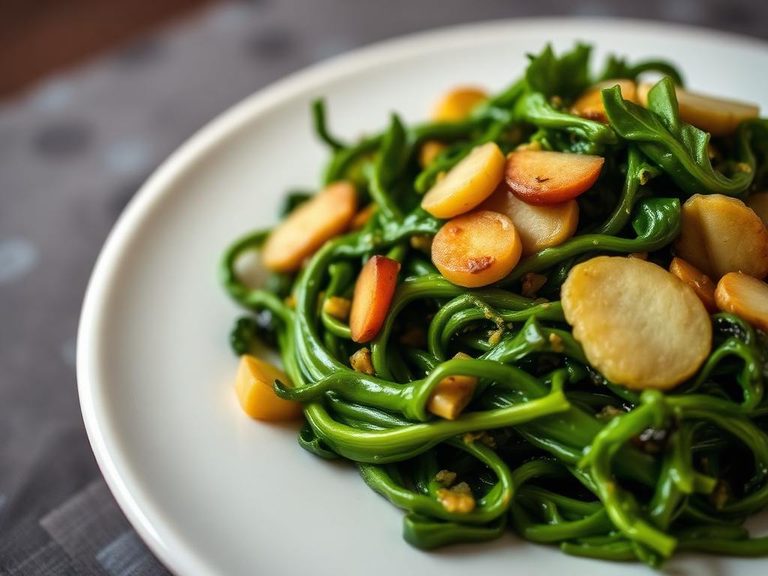
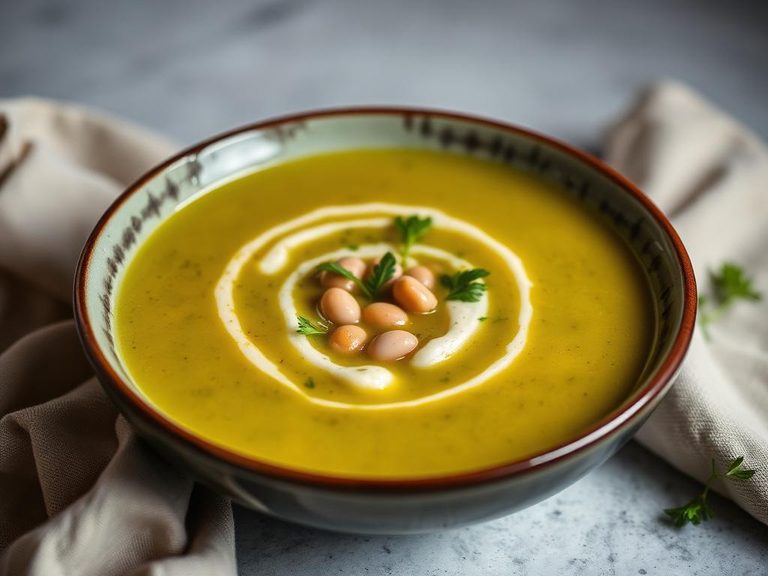
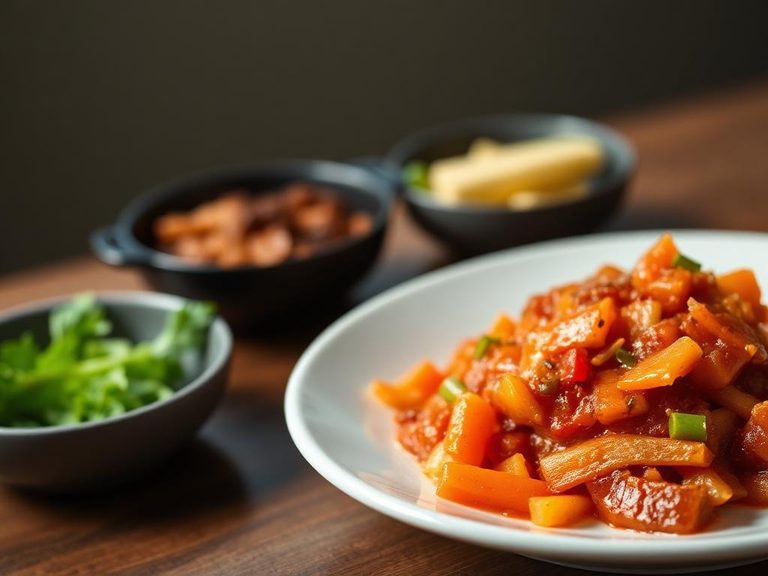
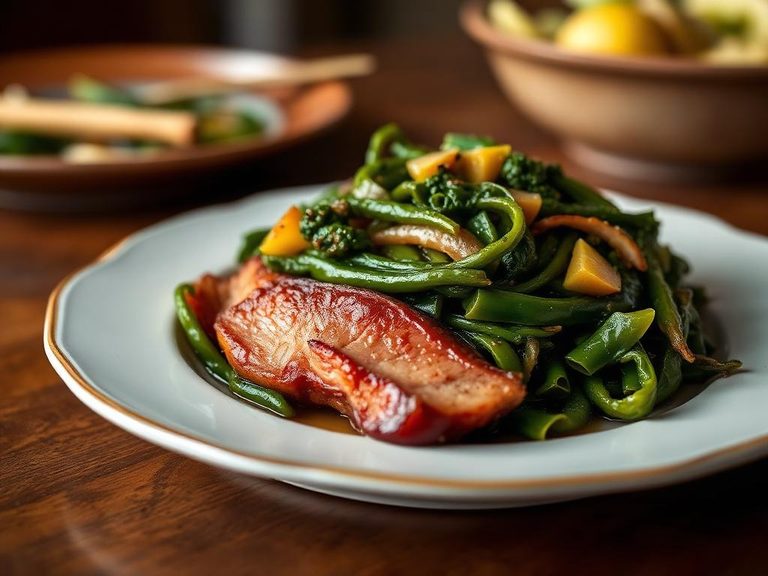
🌍 Where it's eaten
💡 Did you know?
Mustard greens are the leaves of the same plant that produces mustard seeds, so the peppery kick in the leaves is the same compound (allyl isothiocyanate) that gives prepared mustard its sharp heat.
Full nutrition (USDA data · scales with serving)
| Water | 93.5 g |
| Energy | 19.0 kcal |
| Protein | 2.3 g |
| Total lipid (fat) | 0.25 g |
| Carbohydrate, by difference | 3.1 g |
| Fiber, total dietary | 2.8 g |
| Total Sugars | 0.32 g |
| Calcium, Ca | 101 mg |
| Iron, Fe | 1.1 mg |
| Magnesium, Mg | 13.0 mg |
| Phosphorus, P | 24.0 mg |
| Potassium, K | 139 mg |
| Sodium, Na | 141 mg |
| Zinc, Zn | 0.20 mg |
| Copper, Cu | 0.06 mg |
| Selenium, Se | 0.60 ug |
| Vitamin C, total ascorbic acid | 13.8 mg |
| Thiamin | 0.04 mg |
| Riboflavin | 0.05 mg |
| Niacin | 0.26 mg |
| Vitamin B-6 | 0.11 mg |
| Folate, total | 70.0 ug |
| Folic acid | 0.00 ug |
| Folate, food | 70.0 ug |
| Folate, DFE | 70.0 ug |
| Choline, total | 0.30 mg |
| Vitamin B-12 | 0.00 ug |
| Vitamin B-12, added | 0.00 ug |
| Vitamin A, RAE | 353 ug |
| Retinol | 0.00 ug |
| Carotene, beta | 4233 ug |
| Carotene, alpha | 0.00 ug |
| Cryptoxanthin, beta | 0.00 ug |
| Lycopene | 0.00 ug |
| Lutein + zeaxanthin | 6652 ug |
| Vitamin E (alpha-tocopherol) | 1.4 mg |
| Vitamin E, added | 0.00 mg |
| Vitamin D (D2 + D3) | 0.00 ug |
| Vitamin K (phylloquinone) | 334 ug |
| Alcohol, ethyl | 0.00 g |
| Caffeine | 0.00 mg |
| Theobromine | 0.00 mg |
Fat & fatty acid profile (per 100g)
| Fatty acids, total saturated | 0.01 g |
| SFA 4:0 | 0.00 g |
| SFA 6:0 | 0.00 g |
| SFA 8:0 | 0.00 g |
| SFA 10:0 | 0.00 g |
| SFA 12:0 | 0.00 g |
| SFA 14:0 | 0.00 g |
| SFA 16:0 | 0.01 g |
| SFA 18:0 | 0.00 g |
| Fatty acids, total monounsaturated | 0.11 g |
| MUFA 16:1 | 0.00 g |
| MUFA 18:1 | 0.02 g |
| MUFA 20:1 | 0.02 g |
| MUFA 22:1 | 0.07 g |
| Fatty acids, total polyunsaturated | 0.05 g |
| PUFA 18:2 | 0.02 g |
| PUFA 18:3 | 0.02 g |
| PUFA 18:4 | 0.00 g |
| PUFA 20:4 | 0.00 g |
| PUFA 20:5 n-3 (EPA) | 0.00 g |
| PUFA 22:5 n-3 (DPA) | 0.00 g |
| PUFA 22:6 n-3 (DHA) | 0.00 g |
| Cholesterol | 0.00 mg |
Amino acid profile (per 100g)
Estimated from Mustard greens, frozen, unprepared — USDA does not publish this profile for Mustard greens.
| Tryptophan | 0.03 g |
| Threonine | 0.07 g |
| Isoleucine | 0.09 g |
| Leucine | 0.08 g |
| Lysine | 0.11 g |
| Methionine | 0.02 g |
| Cystine | 0.04 g |
| Phenylalanine | 0.07 g |
| Tyrosine | 0.13 g |
| Valine | 0.10 g |
| Arginine | 0.18 g |
| Histidine | 0.04 g |
FAQ
Are frozen mustard greens as nutritious as fresh?
Yes, often more so. Flash-freezing shortly after harvest locks in nutrients like vitamins A and C, which can degrade over time in fresh produce. The cooking process further softens the fibers, making some nutrients more bioavailable.
How do I reduce the bitterness of cooked mustard greens?
Blanching is the most effective method. Boil the greens in a large pot of water for 1-2 minutes, drain, and rinse under cold water before proceeding with your recipe. Adding a pinch of sugar or a splash of vinegar during cooking can also help balance the flavor.
Can I eat the stems of mustard greens?
Absolutely. The stems are edible and add a pleasant crunch. For frozen greens, they are typically already tender. If using fresh, you may want to slice the thicker stems thinly or cook them for a minute or two before adding the leaves.
Nutrient density (calculated · NRF9.3)
Nutrient Rich Foods index: beneficial nutrients (protein, fiber, vitamins, minerals) minus saturated fat, added sugar & sodium, per 100 kcal.
NRF9.3 index — Fulgoni, Keast & Drewnowski, 2009. Computed from USDA nutrients.
Weight-loss friendliness (composite index)
Energy density 0.19 kcal/g · 48% calories from protein · 2.8 g fiber · 0.3 g sugar per 100 g.
Composite of energy density (Rolls et al., 1999), protein & fiber satiety, minus sugar. A calculated heuristic — ranks satiety-per-calorie, not a clinical measure.
Dietary load (calculated from USDA values)
Potential renal acid load. Positive = acid-forming, negative = alkaline-forming.
Sodium-to-potassium ratio: 1.01 (lower is better — aim for ≤ 1)
Sodium:potassium per WHO potassium guidance. Computed from USDA nutrients.