

Green peas, NS as to form, cooked
Common food
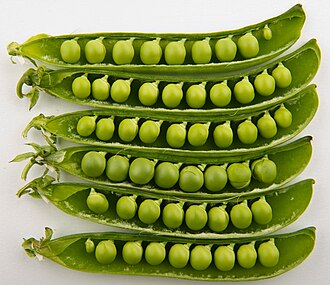
Photo: Wikipedia
Green peas, cooked, are vibrant, sweet legumes with a tender, slightly starchy texture and a fresh, garden-like flavor. They are a nutritional powerhouse, offering a solid 4.99g of protein and 4.4g of fiber per 100g, making them a satisfying and nutrient-dense addition to meals.
Calorie split: 20% protein · 55% carbs · 25% fat
↓ Full nutrition💚 Why it's loved
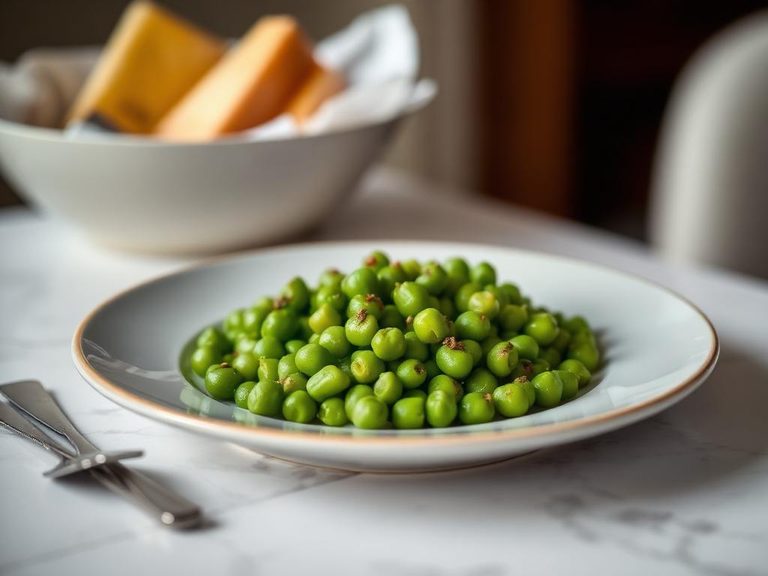
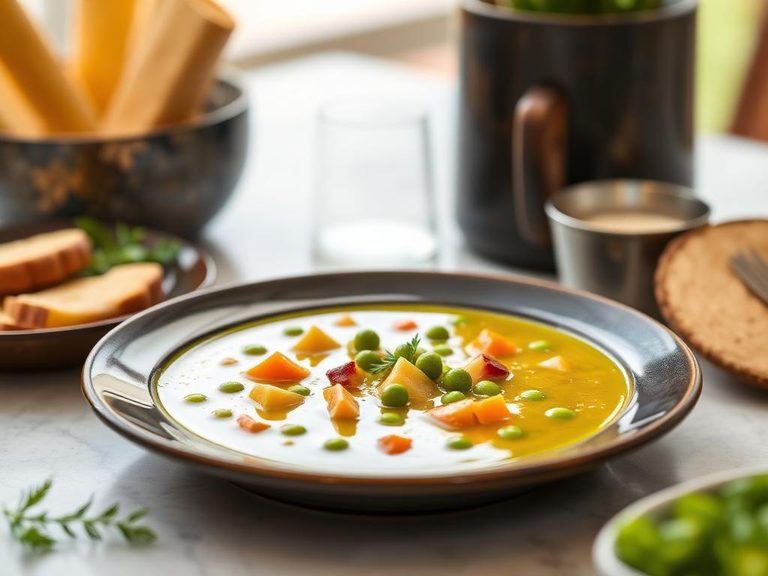
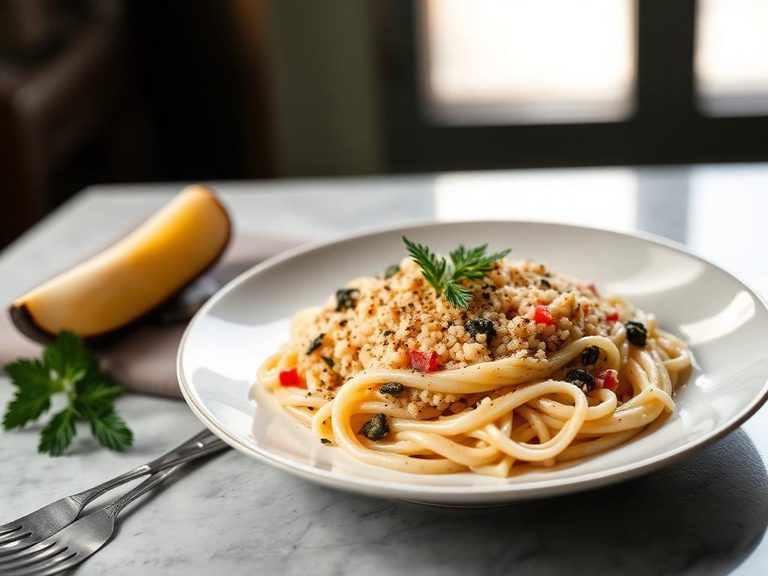
People adore peas for their natural sweetness, pop-in-your-mouth convenience, and incredible versatility—they brighten up everything from creamy risottos to fresh salads and hearty stews.
⚠️ Watch-outs & how to enjoy it better
Peas contain lectins and FODMAPs, which can cause digestive discomfort for some individuals, and their carbohydrate content can affect blood sugar. To counteract, pair them with protein or healthy fats (like in a pea and feta salad) and practice portion control, especially if sensitive.
Key benefits
- Excellent source of plant-based protein and dietary fiber
- Rich in vitamins K, C, and B vitamins like folate
- Provides essential minerals such as manganese and iron
- Contains antioxidants like lutein and zeaxanthin for eye health
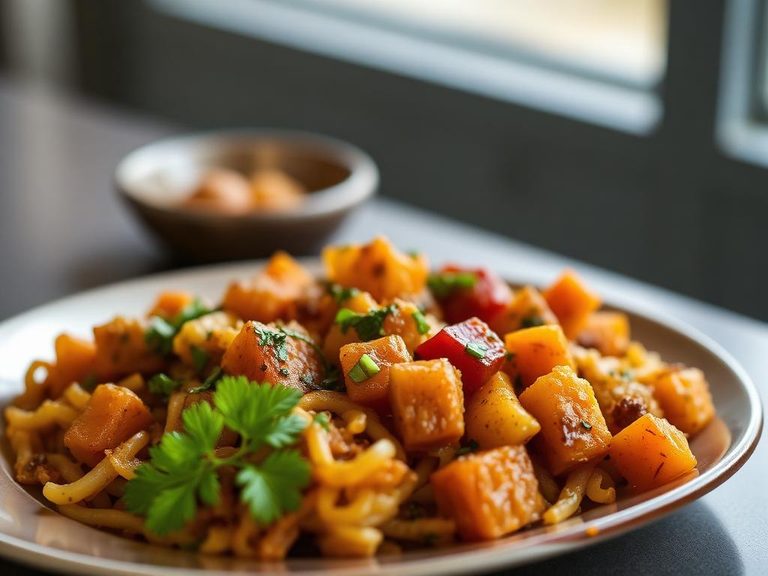
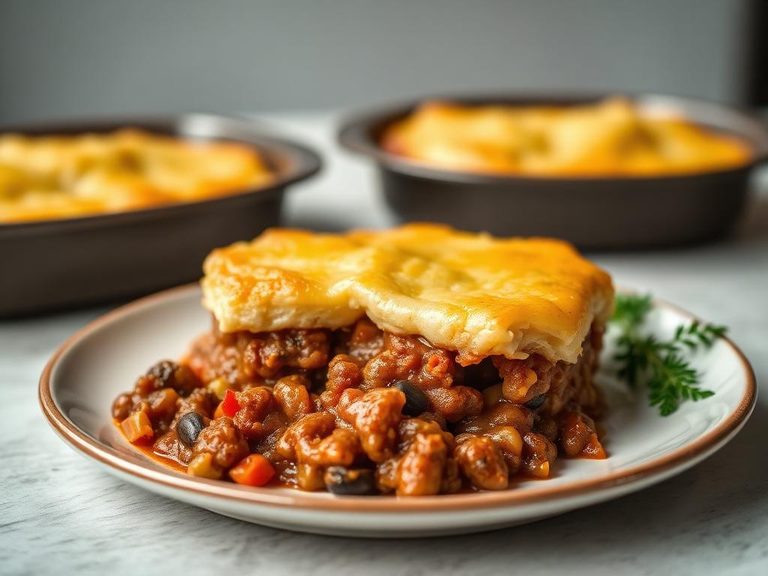
🍽️ Popular dishes

🌍 Where it's eaten
💡 Did you know?
The humble pea plant was instrumental in Gregor Mendel's foundational 19th-century experiments that established the basic principles of heredity and genetics.
Full nutrition (USDA data · scales with serving)
| Water | 77.3 g |
| Energy | 98.0 kcal |
| Protein | 5.0 g |
| Total lipid (fat) | 2.8 g |
| Carbohydrate, by difference | 13.8 g |
| Fiber, total dietary | 4.4 g |
| Total Sugars | 4.3 g |
| Calcium, Ca | 24.0 mg |
| Iron, Fe | 1.5 mg |
| Magnesium, Mg | 21.0 mg |
| Phosphorus, P | 75.0 mg |
| Potassium, K | 107 mg |
| Sodium, Na | 191 mg |
| Zinc, Zn | 0.65 mg |
| Copper, Cu | 0.10 mg |
| Selenium, Se | 1.0 ug |
| Vitamin C, total ascorbic acid | 9.6 mg |
| Thiamin | 0.27 mg |
| Riboflavin | 0.10 mg |
| Niacin | 1.4 mg |
| Vitamin B-6 | 0.13 mg |
| Folate, total | 57.0 ug |
| Folic acid | 0.00 ug |
| Folate, food | 57.0 ug |
| Folate, DFE | 57.0 ug |
| Choline, total | 26.9 mg |
| Vitamin B-12 | 0.00 ug |
| Vitamin B-12, added | 0.00 ug |
| Vitamin A, RAE | 113 ug |
| Retinol | 11.0 ug |
| Carotene, beta | 1215 ug |
| Carotene, alpha | 19.0 ug |
| Cryptoxanthin, beta | 0.00 ug |
| Lycopene | 0.00 ug |
| Lutein + zeaxanthin | 2323 ug |
| Vitamin E (alpha-tocopherol) | 0.41 mg |
| Vitamin E, added | 0.00 mg |
| Vitamin D (D2 + D3) | 0.00 ug |
| Vitamin K (phylloquinone) | 25.3 ug |
| Alcohol, ethyl | 0.00 g |
| Caffeine | 0.00 mg |
| Theobromine | 0.00 mg |
Fat & fatty acid profile (per 100g)
| Fatty acids, total saturated | 0.71 g |
| SFA 4:0 | 0.02 g |
| SFA 6:0 | 0.01 g |
| SFA 8:0 | 0.01 g |
| SFA 10:0 | 0.02 g |
| SFA 12:0 | 0.02 g |
| SFA 14:0 | 0.06 g |
| SFA 16:0 | 0.41 g |
| SFA 18:0 | 0.14 g |
| Fatty acids, total monounsaturated | 0.93 g |
| MUFA 16:1 | 0.01 g |
| MUFA 18:1 | 0.89 g |
| MUFA 20:1 | 0.01 g |
| MUFA 22:1 | 0.00 g |
| Fatty acids, total polyunsaturated | 0.85 g |
| PUFA 18:2 | 0.75 g |
| PUFA 18:3 | 0.10 g |
| PUFA 18:4 | 0.00 g |
| PUFA 20:4 | 0.00 g |
| PUFA 20:5 n-3 (EPA) | 0.00 g |
| PUFA 22:5 n-3 (DPA) | 0.00 g |
| PUFA 22:6 n-3 (DHA) | 0.00 g |
| Cholesterol | 2.0 mg |
Amino acid profile (per 100g)
Estimated from Peas, green (includes baby and lesuer types), canned, drained solids, unprepared — USDA does not publish this profile for Green peas.
| Tryptophan | 0.03 g |
| Threonine | 0.17 g |
| Isoleucine | 0.16 g |
| Leucine | 0.27 g |
| Lysine | 0.26 g |
| Methionine | 0.07 g |
| Cystine | 0.03 g |
| Phenylalanine | 0.17 g |
| Tyrosine | 0.09 g |
| Valine | 0.19 g |
| Arginine | 0.35 g |
| Histidine | 0.09 g |
| Alanine | 0.20 g |
| Aspartic acid | 0.41 g |
| Glutamic acid | 0.61 g |
| Glycine | 0.15 g |
| Proline | 0.14 g |
| Serine | 0.15 g |
FAQ
Are canned peas as nutritious as frozen or fresh?
Frozen peas are typically flash-frozen at peak ripeness, preserving nutrients well. Canned peas are cooked and may have added sodium, but they retain most of their fiber and protein. Fresh peas lose sugar quickly after picking, so frozen is often sweeter and more nutritious.
Why do some people experience gas from peas?
Peas contain oligosaccharides, a type of FODMAP carbohydrate that can ferment in the gut, causing gas and bloating in sensitive individuals. Soaking dried peas thoroughly and cooking them well can help reduce these compounds.
Can I eat the pods of green peas?
The pods of mature garden peas are tough and fibrous, not typically eaten. However, the entire pod of snow peas or sugar snap peas is edible and delicious.
Nutrient density (calculated · NRF9.3)
Nutrient Rich Foods index: beneficial nutrients (protein, fiber, vitamins, minerals) minus saturated fat, added sugar & sodium, per 100 kcal.
NRF9.3 index — Fulgoni, Keast & Drewnowski, 2009. Computed from USDA nutrients.
Weight-loss friendliness (composite index)
Energy density 0.98 kcal/g · 20% calories from protein · 4.4 g fiber · 4.3 g sugar per 100 g.
Composite of energy density (Rolls et al., 1999), protein & fiber satiety, minus sugar. A calculated heuristic — ranks satiety-per-calorie, not a clinical measure.
Dietary load (calculated from USDA values)
Potential renal acid load. Positive = acid-forming, negative = alkaline-forming.
Sodium-to-potassium ratio: 1.79 (lower is better — aim for ≤ 1)
Sodium:potassium per WHO potassium guidance. Computed from USDA nutrients.