

Goose egg, cooked
Common food

Photo: Wikipedia
A large, nutrient-dense egg from domestic geese, prized for its rich, creamy yolk and firm, slightly springy white. Cooked goose egg offers a more intense, savory flavor than chicken eggs, with a yolk that can be buttery and a white that holds its shape well. It is a powerhouse of protein and healthy fats, providing a substantial, satisfying meal in a single serving.
Calorie split: 24% protein · 2% carbs · 74% fat
↓ Full nutrition💚 Why it's loved
People cherish its luxurious, robust flavor and the satisfying, dense texture it brings to dishes. It's a versatile centerpiece, equally at home fried, boiled, or baked into a showstopping frittata.
⚠️ Watch-outs & how to enjoy it better
Its high fat and calorie content means it should be enjoyed in moderation, especially by those monitoring saturated fat intake. The large size can also be overwhelming for a single meal. To counteract, pair it with fiber-rich vegetables or whole grains to balance the meal and promote satiety.
Key benefits
- Excellent source of high-quality, complete protein for muscle maintenance.
- Rich in healthy fats, including omega-3 fatty acids.
- Provides essential vitamins like B12 and riboflavin.
- Contains minerals such as selenium and phosphorus.
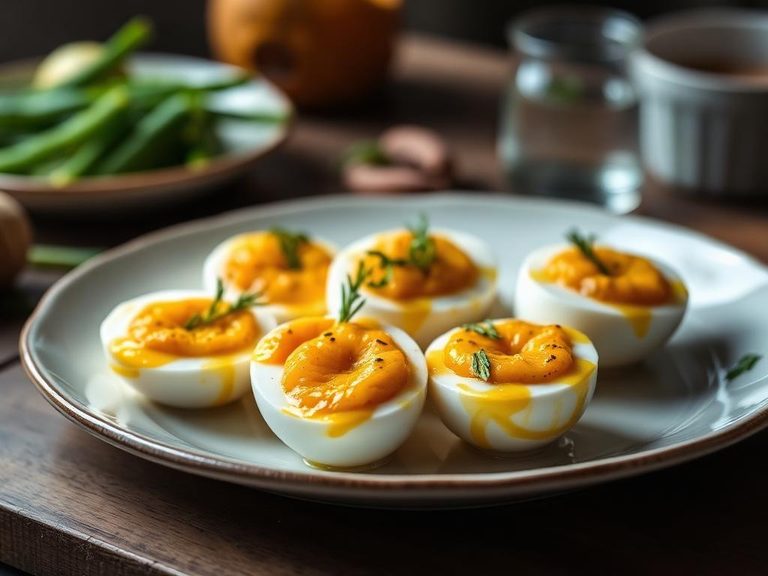
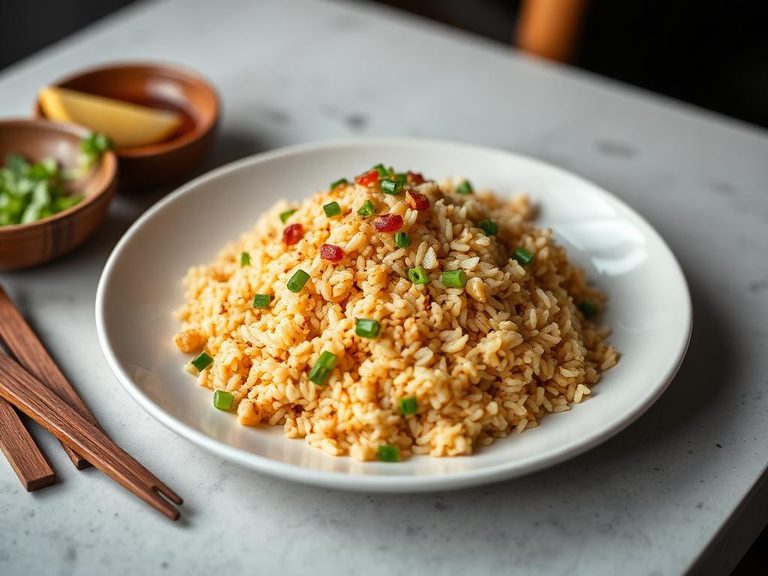
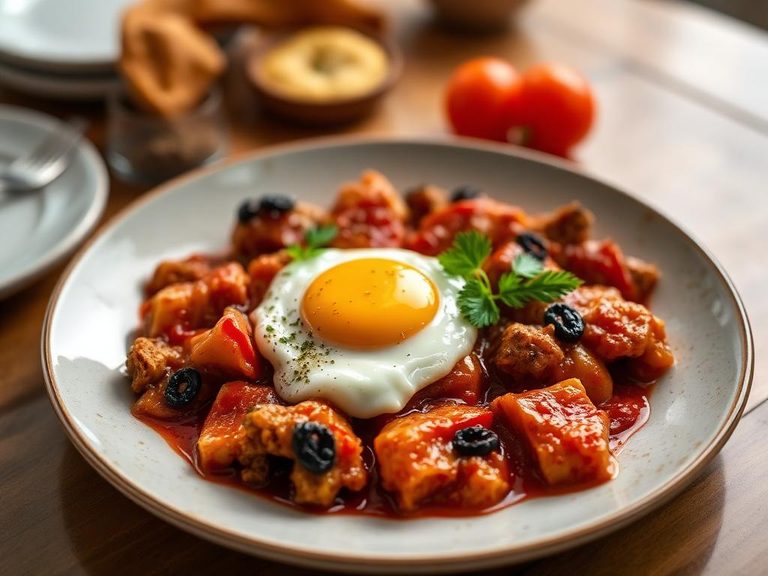
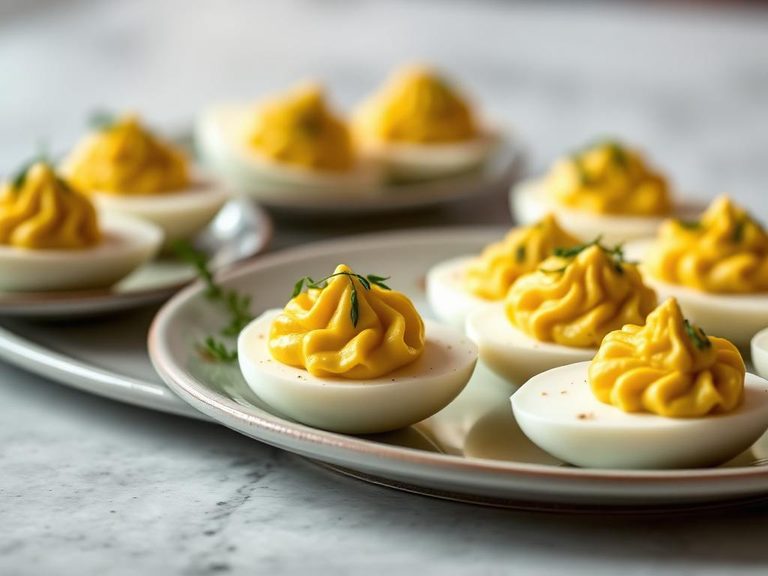
🍽️ Popular dishes


🌍 Where it's eaten
💡 Did you know?
A single goose egg can weigh as much as three standard chicken eggs, making it a true giant of the poultry world.
Full nutrition (USDA data · scales with serving)
| Water | 66.4 g |
| Energy | 224 kcal |
| Protein | 12.9 g |
| Total lipid (fat) | 18.1 g |
| Carbohydrate, by difference | 1.3 g |
| Fiber, total dietary | 0.00 g |
| Total Sugars | 0.89 g |
| Calcium, Ca | 57.0 mg |
| Iron, Fe | 3.4 mg |
| Magnesium, Mg | 15.0 mg |
| Phosphorus, P | 194 mg |
| Potassium, K | 197 mg |
| Sodium, Na | 256 mg |
| Zinc, Zn | 1.2 mg |
| Copper, Cu | 0.06 mg |
| Selenium, Se | 34.4 ug |
| Vitamin C, total ascorbic acid | 0.00 mg |
| Thiamin | 0.11 mg |
| Riboflavin | 0.34 mg |
| Niacin | 0.16 mg |
| Vitamin B-6 | 0.25 mg |
| Folate, total | 53.0 ug |
| Folic acid | 0.00 ug |
| Folate, food | 53.0 ug |
| Folate, DFE | 53.0 ug |
| Choline, total | 197 mg |
| Vitamin B-12 | 3.8 ug |
| Vitamin B-12, added | 0.00 ug |
| Vitamin A, RAE | 200 ug |
| Retinol | 197 ug |
| Carotene, beta | 23.0 ug |
| Carotene, alpha | 0.00 ug |
| Cryptoxanthin, beta | 11.0 ug |
| Lycopene | 0.00 ug |
| Lutein + zeaxanthin | 412 ug |
| Vitamin E (alpha-tocopherol) | 2.1 mg |
| Vitamin E, added | 0.00 mg |
| Vitamin D (D2 + D3) | 1.6 ug |
| Vitamin K (phylloquinone) | 5.1 ug |
| Alcohol, ethyl | 0.00 g |
| Caffeine | 0.00 mg |
| Theobromine | 0.00 mg |
Fat & fatty acid profile (per 100g)
| Fatty acids, total saturated | 4.8 g |
| SFA 4:0 | 0.04 g |
| SFA 6:0 | 0.03 g |
| SFA 8:0 | 0.02 g |
| SFA 10:0 | 0.04 g |
| SFA 12:0 | 0.04 g |
| SFA 14:0 | 0.19 g |
| SFA 16:0 | 3.5 g |
| SFA 18:0 | 0.95 g |
| Fatty acids, total monounsaturated | 7.4 g |
| MUFA 16:1 | 0.40 g |
| MUFA 18:1 | 6.9 g |
| MUFA 20:1 | 0.03 g |
| MUFA 22:1 | 0.00 g |
| Fatty acids, total polyunsaturated | 3.2 g |
| PUFA 18:2 | 2.1 g |
| PUFA 18:3 | 0.70 g |
| PUFA 18:4 | 0.00 g |
| PUFA 20:4 | 0.26 g |
| PUFA 20:5 n-3 (EPA) | 0.00 g |
| PUFA 22:5 n-3 (DPA) | 0.00 g |
| PUFA 22:6 n-3 (DHA) | 0.00 g |
| Cholesterol | 799 mg |
Amino acid profile (per 100g)
Estimated from Egg, goose, whole, fresh, raw — USDA does not publish this profile for Goose egg.
| Tryptophan | 0.28 g |
| Threonine | 0.80 g |
| Isoleucine | 0.65 g |
| Leucine | 1.2 g |
| Lysine | 1.0 g |
| Methionine | 0.62 g |
| Cystine | 0.31 g |
| Phenylalanine | 0.91 g |
| Tyrosine | 0.66 g |
| Valine | 0.96 g |
| Arginine | 0.83 g |
| Histidine | 0.35 g |
| Alanine | 0.68 g |
| Aspartic acid | 0.84 g |
| Glutamic acid | 1.9 g |
| Glycine | 0.46 g |
| Proline | 0.52 g |
| Serine | 1.0 g |
FAQ
How does the taste of a goose egg differ from a chicken egg?
Goose eggs have a much richer, more savory, and slightly gamier flavor. The yolk is larger, creamier, and more intensely 'eggy,' while the white is firmer and less watery when cooked.
What's the best way to cook a goose egg?
Hard-boiling (for about 12-15 minutes) is popular for pickling or slicing. For a rich breakfast, frying or scrambling works well, but be mindful of the large yolk. Baking into a frittata or quiche evenly distributes its richness.
Are goose eggs a common allergen?
Yes, like all eggs, goose eggs are a common allergen, particularly to the proteins in the egg white and yolk. Individuals with egg allergies should avoid them.
Nutrient density (calculated · NRF9.3)
Nutrient Rich Foods index: beneficial nutrients (protein, fiber, vitamins, minerals) minus saturated fat, added sugar & sodium, per 100 kcal.
NRF9.3 index — Fulgoni, Keast & Drewnowski, 2009. Computed from USDA nutrients.
Weight-loss friendliness (composite index)
Energy density 2.24 kcal/g · 23% calories from protein · 0.0 g fiber · 0.9 g sugar per 100 g.
Composite of energy density (Rolls et al., 1999), protein & fiber satiety, minus sugar. A calculated heuristic — ranks satiety-per-calorie, not a clinical measure.
Dietary load (calculated from USDA values)
Potential renal acid load. Positive = acid-forming, negative = alkaline-forming.
Sodium-to-potassium ratio: 1.30 (lower is better — aim for ≤ 1)
Sodium:potassium per WHO potassium guidance. Computed from USDA nutrients.