

Goose, domesticated, meat only, cooked, roasted
Whole food · Poultry Products

Photo: Wikipedia
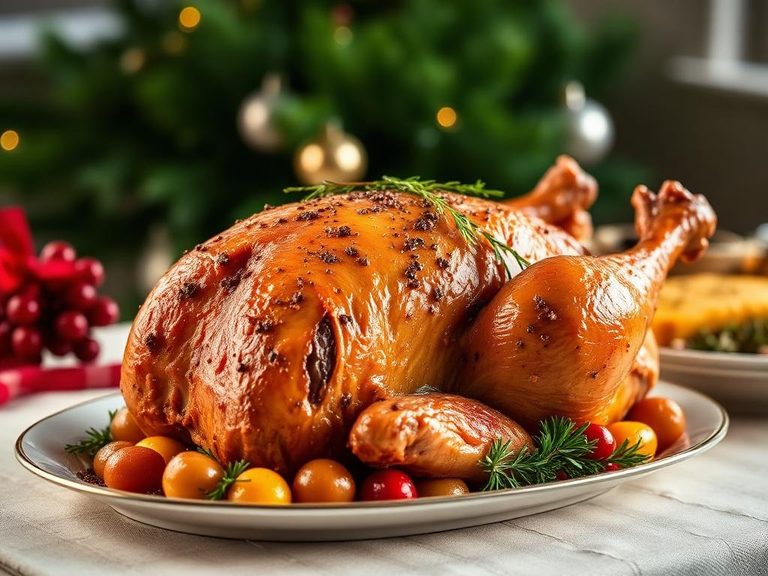
Roasted domestic goose is a rich, succulent poultry with a deep, savory flavor and a texture that ranges from tender, juicy meat to crispy, rendered skin. It is a high-protein, zero-carb food that delivers a substantial amount of healthy fats, making it a hearty centerpiece for celebratory meals.
Calorie split: 50% protein · 0% carbs · 50% fat
↓ Full nutrition💚 Why it's loved
People love roasted goose for its luxurious, deeply savory flavor and the prized contrast between its crispy skin and tender meat. It is a centerpiece of festive traditions, symbolizing celebration and abundance in many cultures.
⚠️ Watch-outs & how to enjoy it better
Goose is high in total fat and calories, which may be a concern for those monitoring intake. Its rich, fatty nature can also be heavy for some palates. To counteract, practice portion control, pair with fiber-rich vegetables like roasted root vegetables or a sharp, acidic salad to cut the richness, and consider removing the skin before eating to significantly reduce fat and calorie consumption.
Key benefits
- Excellent source of complete protein for muscle maintenance
- Provides B vitamins like niacin and B6 for energy metabolism
- Contains iron and zinc for immune function
- Rich in monounsaturated fats, similar to olive oil
- Naturally carbohydrate-free, suitable for low-carb diets
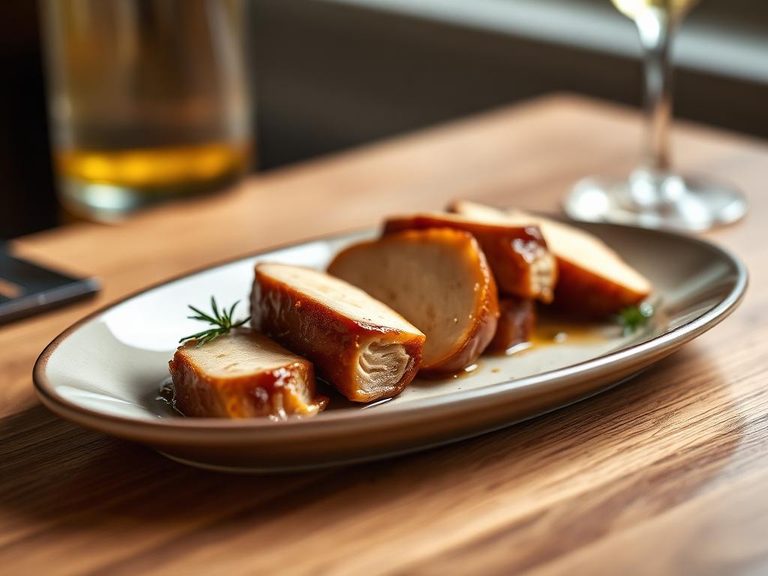
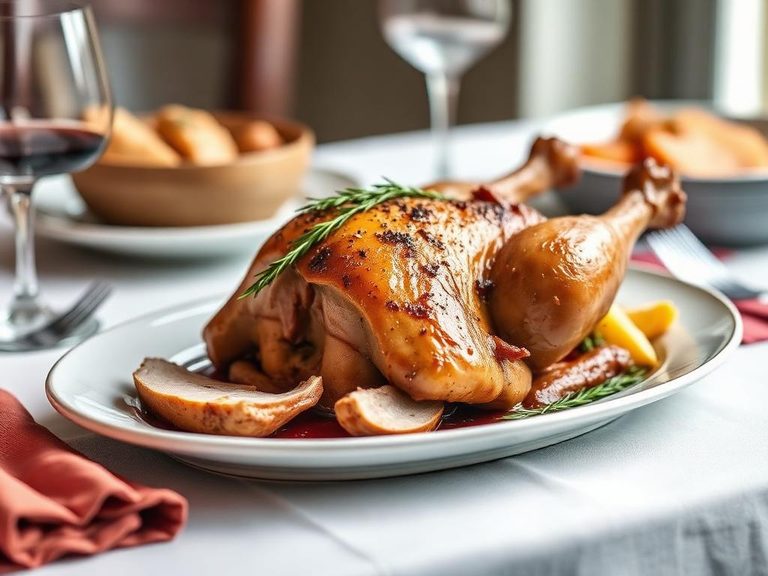
🍽️ Popular dishes
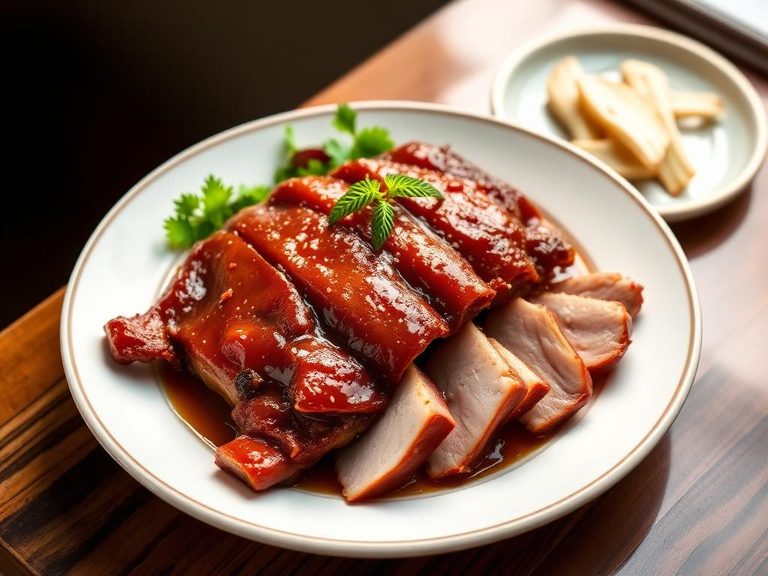
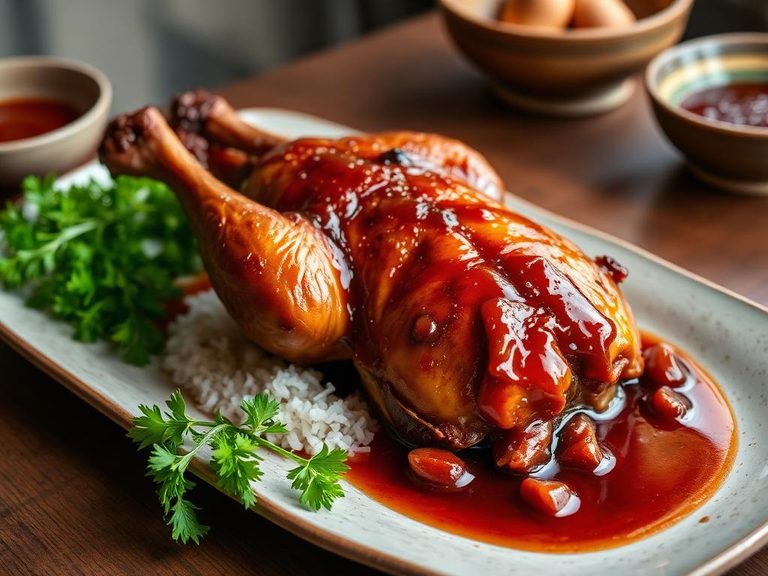
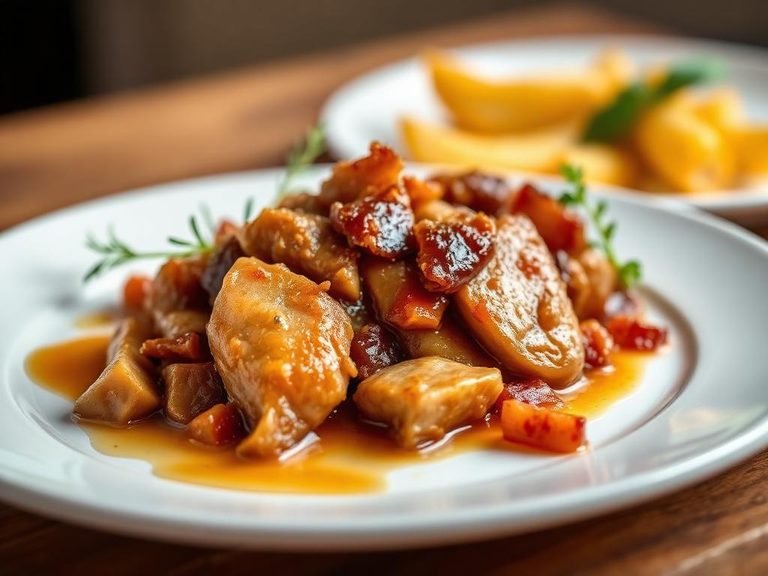
🌍 Where it's eaten
💡 Did you know?
A single roasted goose can yield enough rendered fat (known as schmaltz) to cook potatoes and vegetables for an entire family, and it was historically a valuable cooking fat in European kitchens.
Full nutrition (USDA data · scales with serving)
| Water | 57.2 g |
| Energy | 238 kcal |
| Energy | 996 kj |
| Protein | 29.0 g |
| Total lipid (fat) | 12.7 g |
| Ash | 1.1 g |
| Carbohydrate, by difference | 0.00 g |
| Fiber, total dietary | 0.00 g |
| Calcium, Ca | 14.0 mg |
| Iron, Fe | 2.9 mg |
| Magnesium, Mg | 25.0 mg |
| Phosphorus, P | 309 mg |
| Potassium, K | 388 mg |
| Sodium, Na | 76.0 mg |
| Zinc, Zn | 3.2 mg |
| Copper, Cu | 0.28 mg |
| Manganese, Mn | 0.02 mg |
| Selenium, Se | 25.5 ug |
| Vitamin C, total ascorbic acid | 0.00 mg |
| Thiamin | 0.09 mg |
| Riboflavin | 0.39 mg |
| Niacin | 4.1 mg |
| Pantothenic acid | 1.8 mg |
| Vitamin B-6 | 0.47 mg |
| Folate, total | 12.0 ug |
| Folic acid | 0.00 ug |
| Folate, food | 12.0 ug |
| Folate, DFE | 12.0 ug |
| Vitamin B-12 | 0.49 ug |
| Vitamin A, RAE | 12.0 ug |
| Retinol | 12.0 ug |
| Vitamin A, IU | 40.0 iu |
Fat & fatty acid profile (per 100g)
| Fatty acids, total saturated | 4.6 g |
| SFA 10:0 | 0.00 g |
| SFA 12:0 | 0.04 g |
| SFA 14:0 | 0.05 g |
| SFA 16:0 | 2.6 g |
| SFA 18:0 | 1.4 g |
| Fatty acids, total monounsaturated | 4.3 g |
| MUFA 16:1 | 0.44 g |
| MUFA 18:1 | 3.9 g |
| MUFA 20:1 | 0.01 g |
| MUFA 22:1 | 0.00 g |
| Fatty acids, total polyunsaturated | 1.5 g |
| PUFA 18:2 | 1.4 g |
| PUFA 18:3 | 0.15 g |
| PUFA 20:4 | 0.00 g |
| PUFA 20:5 n-3 (EPA) | 0.00 g |
| PUFA 22:5 n-3 (DPA) | 0.00 g |
| PUFA 22:6 n-3 (DHA) | 0.00 g |
| Cholesterol | 96.0 mg |
Amino acid profile (per 100g)
| Tryptophan | 0.40 g |
| Threonine | 1.2 g |
| Isoleucine | 1.5 g |
| Leucine | 2.4 g |
| Lysine | 2.5 g |
| Methionine | 0.78 g |
| Cystine | 0.45 g |
| Phenylalanine | 1.2 g |
| Tyrosine | 1.1 g |
| Valine | 1.5 g |
| Arginine | 1.8 g |
| Histidine | 0.77 g |
| Alanine | 1.8 g |
| Aspartic acid | 2.8 g |
| Glutamic acid | 4.5 g |
| Glycine | 1.6 g |
| Proline | 1.4 g |
| Serine | 1.2 g |
FAQ
Is roasted goose healthier than roasted chicken?
Roast goose is higher in protein, iron, and certain B vitamins per serving than chicken, but it is also significantly higher in total fat and calories. The 'healthier' choice depends on your dietary goals; for lean protein, chicken is better, while goose offers more iron and a richer nutrient profile per calorie.
How do I get crispy skin on a roasted goose?
The key is to thoroughly dry the skin with paper towels, score it lightly without cutting into the meat, and often blanch it in boiling water first. Roasting at a high initial temperature, then lowering it, helps render the fat and crisp the skin.
What does goose meat taste like?
Goose has a richer, more robust, and slightly gamier flavor than chicken or turkey. The meat is darker, with a texture similar to a lean cut of beef, and the fat has a distinct, savory depth.
Nutrient density (calculated · NRF9.3)
Nutrient Rich Foods index: beneficial nutrients (protein, fiber, vitamins, minerals) minus saturated fat, added sugar & sodium, per 100 kcal.
NRF9.3 index — Fulgoni, Keast & Drewnowski, 2009. Computed from USDA nutrients.
Weight-loss friendliness (composite index)
Energy density 2.38 kcal/g · 49% calories from protein · 0.0 g fiber · 0.0 g sugar per 100 g.
Composite of energy density (Rolls et al., 1999), protein & fiber satiety, minus sugar. A calculated heuristic — ranks satiety-per-calorie, not a clinical measure.
Dietary load (calculated from USDA values)
Potential renal acid load. Positive = acid-forming, negative = alkaline-forming.
Sodium-to-potassium ratio: 0.20 (lower is better — aim for ≤ 1)
Sodium:potassium per WHO potassium guidance. Computed from USDA nutrients.