

Fruit juice drink, with high vitamin C, light
Common food

Photo: Wikipedia
This is a light, refreshing fruit juice drink, often a blend of citrus or tropical fruits, with a smooth, watery texture and a sweet-tart flavor profile. It's specifically fortified to be a potent source of Vitamin C, making it a popular choice for a quick, hydrating pick-me-up. Nutritionally, it's very low in calories, deriving almost all its energy from simple sugars.
Calorie split: 2% protein · 98% carbs · 0% fat
↓ Full nutrition💚 Why it's loved
People love it for its instantly refreshing and thirst-quenching quality, especially on a hot day or after exercise. Its sweet, familiar fruit flavors make it a universally appealing and easy choice for hydration.
⚠️ Watch-outs & how to enjoy it better
The primary concern is the high sugar content (4.6g per 100g), which can lead to rapid blood sugar spikes and offers little satiety. To counteract this, consider diluting it with sparkling water, pairing it with a source of protein or healthy fat (like nuts or yogurt), or strictly controlling the portion size.
Key benefits
- Excellent source of Vitamin C for immune support
- Very low in calories (19 kcal per 100g)
- Provides quick hydration and energy
- Fat-free and cholesterol-free
- Convenient way to increase fruit intake
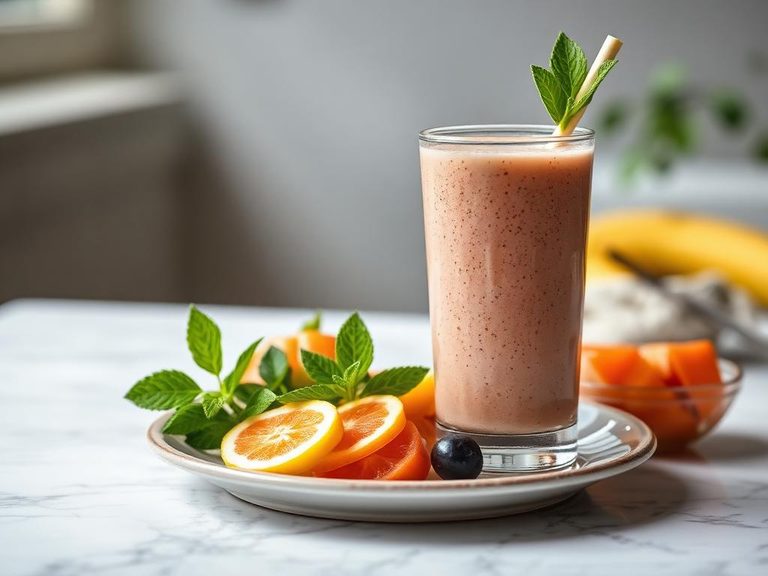
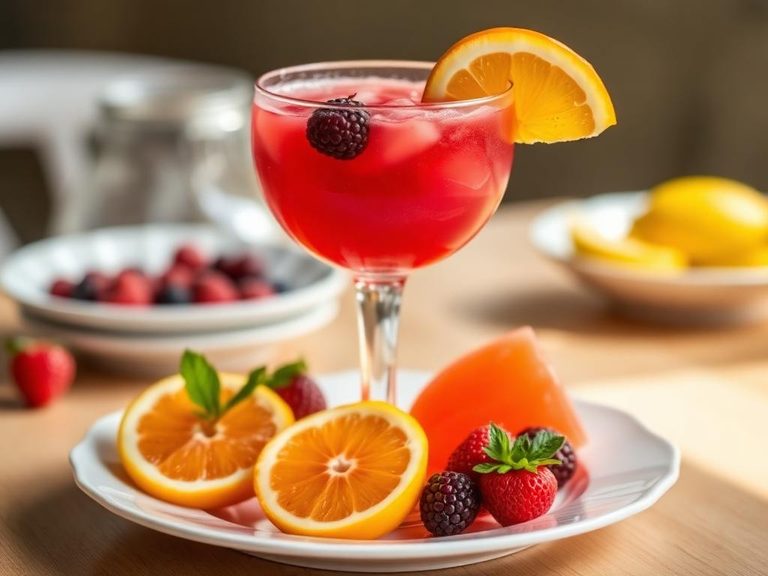
🍽️ Popular dishes
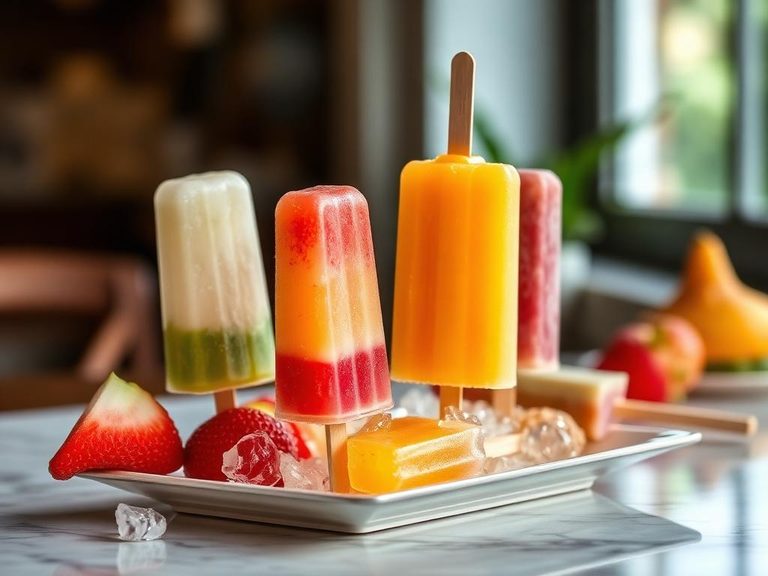
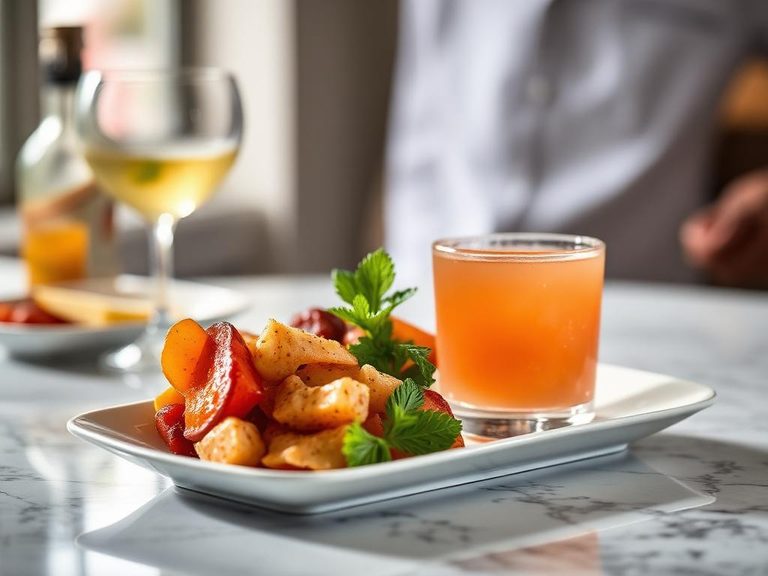
🌍 Where it's eaten
💡 Did you know?
A single 250ml serving of a high-Vitamin C juice drink can often provide over 100% of the recommended daily intake for an adult, sometimes rivaling the content of several whole oranges.
Full nutrition (USDA data · scales with serving)
| Water | 95.2 g |
| Energy | 19.0 kcal |
| Protein | 0.10 g |
| Total lipid (fat) | 0.00 g |
| Carbohydrate, by difference | 4.7 g |
| Fiber, total dietary | 0.10 g |
| Total Sugars | 4.6 g |
| Calcium, Ca | 10.0 mg |
| Iron, Fe | 0.06 mg |
| Magnesium, Mg | 3.0 mg |
| Phosphorus, P | 1.0 mg |
| Potassium, K | 45.0 mg |
| Sodium, Na | 5.0 mg |
| Zinc, Zn | 0.02 mg |
| Copper, Cu | 0.01 mg |
| Selenium, Se | 0.10 ug |
| Vitamin C, total ascorbic acid | 32.0 mg |
| Thiamin | 0.00 mg |
| Riboflavin | 0.01 mg |
| Niacin | 0.03 mg |
| Vitamin B-6 | 0.02 mg |
| Folate, total | 0.00 ug |
| Folic acid | 0.00 ug |
| Folate, food | 0.00 ug |
| Folate, DFE | 0.00 ug |
| Choline, total | 0.40 mg |
| Vitamin B-12 | 0.00 ug |
| Vitamin B-12, added | 0.00 ug |
| Vitamin A, RAE | 0.00 ug |
| Retinol | 0.00 ug |
| Carotene, beta | 6.0 ug |
| Carotene, alpha | 0.00 ug |
| Cryptoxanthin, beta | 0.00 ug |
| Lycopene | 0.00 ug |
| Lutein + zeaxanthin | 19.0 ug |
| Vitamin E (alpha-tocopherol) | 0.27 mg |
| Vitamin E, added | 0.00 mg |
| Vitamin D (D2 + D3) | 0.00 ug |
| Vitamin K (phylloquinone) | 1.1 ug |
| Alcohol, ethyl | 0.00 g |
| Caffeine | 0.00 mg |
| Theobromine | 0.00 mg |
Fat & fatty acid profile (per 100g)
| Fatty acids, total saturated | 0.00 g |
| SFA 4:0 | 0.00 g |
| SFA 6:0 | 0.00 g |
| SFA 8:0 | 0.00 g |
| SFA 10:0 | 0.00 g |
| SFA 12:0 | 0.00 g |
| SFA 14:0 | 0.00 g |
| SFA 16:0 | 0.00 g |
| SFA 18:0 | 0.00 g |
| Fatty acids, total monounsaturated | 0.00 g |
| MUFA 16:1 | 0.00 g |
| MUFA 18:1 | 0.00 g |
| MUFA 20:1 | 0.00 g |
| MUFA 22:1 | 0.00 g |
| Fatty acids, total polyunsaturated | 0.00 g |
| PUFA 18:2 | 0.00 g |
| PUFA 18:3 | 0.00 g |
| PUFA 18:4 | 0.00 g |
| PUFA 20:4 | 0.00 g |
| PUFA 20:5 n-3 (EPA) | 0.00 g |
| PUFA 22:5 n-3 (DPA) | 0.00 g |
| PUFA 22:6 n-3 (DHA) | 0.00 g |
| Cholesterol | 0.00 mg |
Amino acid profile (per 100g)
Estimated from Babyfood, juice treats, fruit medley, toddler — USDA does not publish this profile for Fruit juice drink.
| Tryptophan | 0.00 g |
| Threonine | 0.00 g |
| Isoleucine | 0.00 g |
| Leucine | 0.00 g |
| Lysine | 0.00 g |
| Methionine | 0.00 g |
| Cystine | 0.00 g |
| Phenylalanine | 0.00 g |
| Tyrosine | 0.00 g |
| Valine | 0.00 g |
| Arginine | 0.00 g |
| Histidine | 0.00 g |
| Alanine | 0.00 g |
| Aspartic acid | 0.00 g |
| Glutamic acid | 0.00 g |
| Glycine | 0.00 g |
| Proline | 0.00 g |
| Serine | 0.00 g |
FAQ
Is this the same as 100% fruit juice?
Not necessarily. While it contains fruit juice, it may also have added water, sweeteners, and other ingredients. The nutrition label is key—look for 'fruit juice' as the primary ingredient and check the total sugar content compared to 100% juice.
Can I drink this if I'm watching my sugar intake?
It's best consumed in moderation. With 4.6g of sugar per 100g, a standard 250ml glass contains about 11.5g of sugar. For lower-sugar options, consider diluting it or choosing a version sweetened with stevia or monk fruit.
Is the Vitamin C added or natural?
It can be both. Some drinks use naturally high-Vitamin C fruits like acerola or camu camu, while others add ascorbic acid (synthetic Vitamin C) to boost levels. The label will specify 'added Vitamin C' or 'fortified with Vitamin C'.
Nutrient density (calculated · NRF9.3)
Nutrient Rich Foods index: beneficial nutrients (protein, fiber, vitamins, minerals) minus saturated fat, added sugar & sodium, per 100 kcal.
NRF9.3 index — Fulgoni, Keast & Drewnowski, 2009. Computed from USDA nutrients.
Weight-loss friendliness (composite index)
Energy density 0.19 kcal/g · 2% calories from protein · 0.1 g fiber · 4.6 g sugar per 100 g.
Composite of energy density (Rolls et al., 1999), protein & fiber satiety, minus sugar. A calculated heuristic — ranks satiety-per-calorie, not a clinical measure.
Dietary load (calculated from USDA values)
Potential renal acid load. Positive = acid-forming, negative = alkaline-forming.
Sodium-to-potassium ratio: 0.11 (lower is better — aim for ≤ 1)
Sodium:potassium per WHO potassium guidance. Computed from USDA nutrients.