

Fish, tuna, cooked
Common food
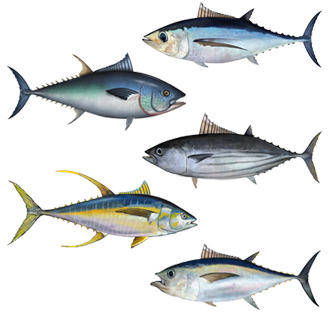
Photo: Wikipedia
Cooked tuna is a lean, protein-dense fish with a firm, meaty texture and a clean, mildly oceanic flavor. Its near-zero carb and fat content make it a standout for high-protein, low-calorie diets. The flesh is typically flaky and light pink to tan, depending on the species and cooking method.
Calorie split: 72% protein · 0% carbs · 28% fat
↓ Full nutrition💚 Why it's loved
People love it for its incredibly versatile, mild flavor that absorbs seasonings well and its satisfying, substantial texture. It's a quick, reliable protein source for everything from salads to sandwiches, making it a staple in health-conscious and time-crunched kitchens.
⚠️ Watch-outs & how to enjoy it better
Some may be concerned about potential mercury content, particularly in larger species like albacore. To mitigate, choose smaller species like skipjack or light canned tuna and vary your seafood intake. It can also be dry if overcooked; pair it with a sauce, olive oil, or avocado to add moisture and healthy fats.
Key benefits
- Exceptionally high in complete protein for muscle maintenance
- Very low in carbohydrates and naturally sugar-free
- Rich source of selenium, an important antioxidant mineral
- Contains niacin (vitamin B3) for energy metabolism
- Provides omega-3 fatty acids, though less than fattier fish
🍽️ Popular dishes
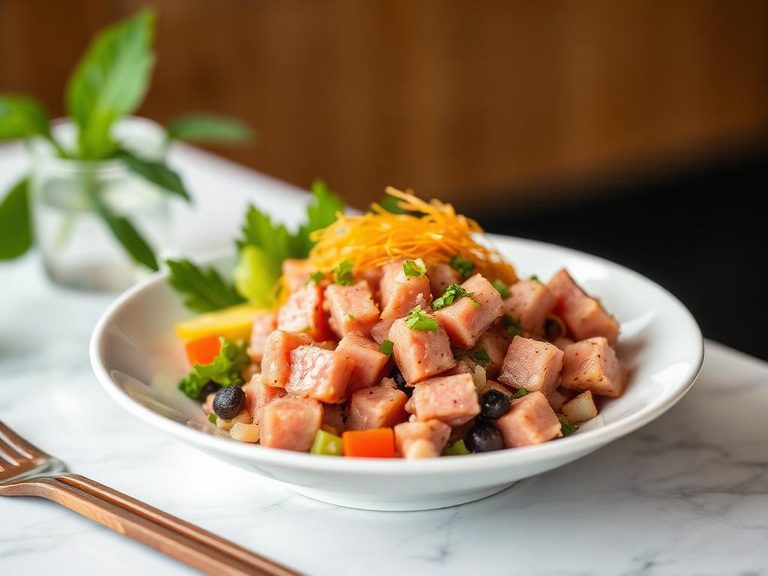
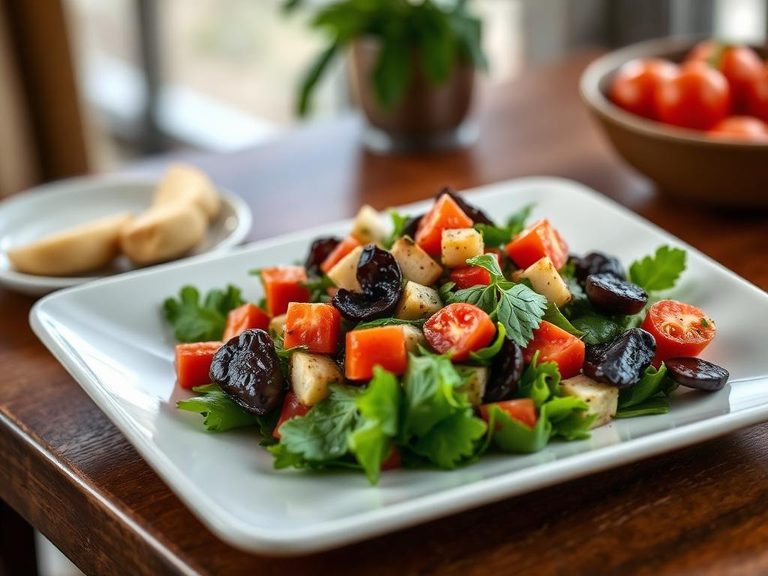
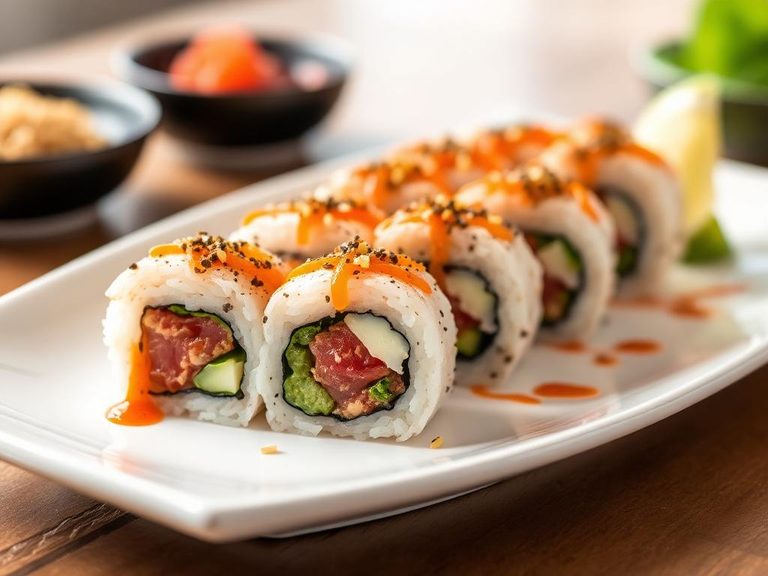
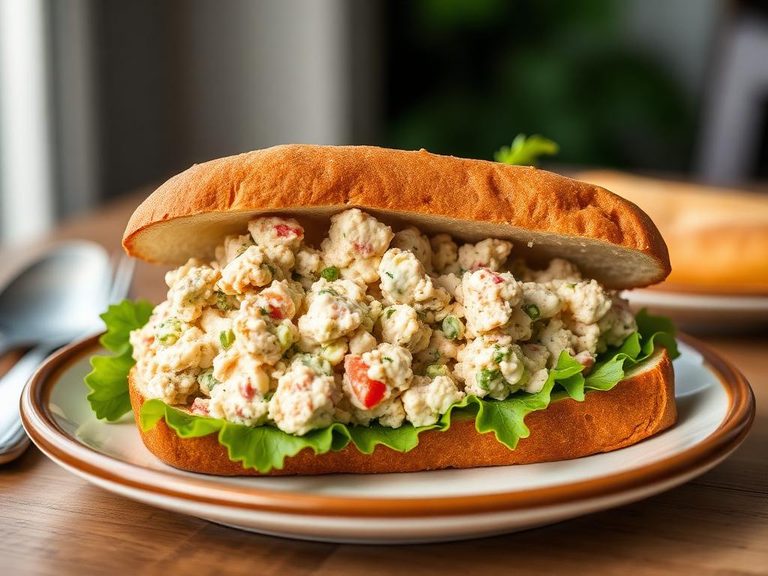
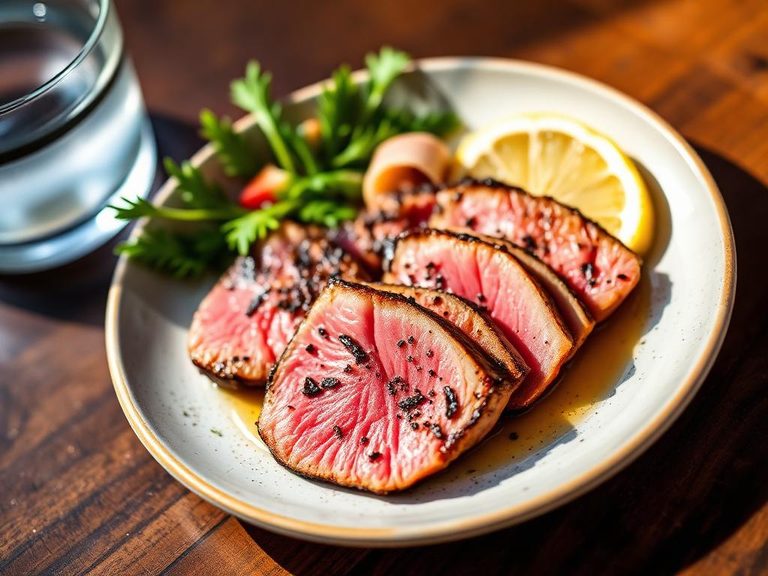
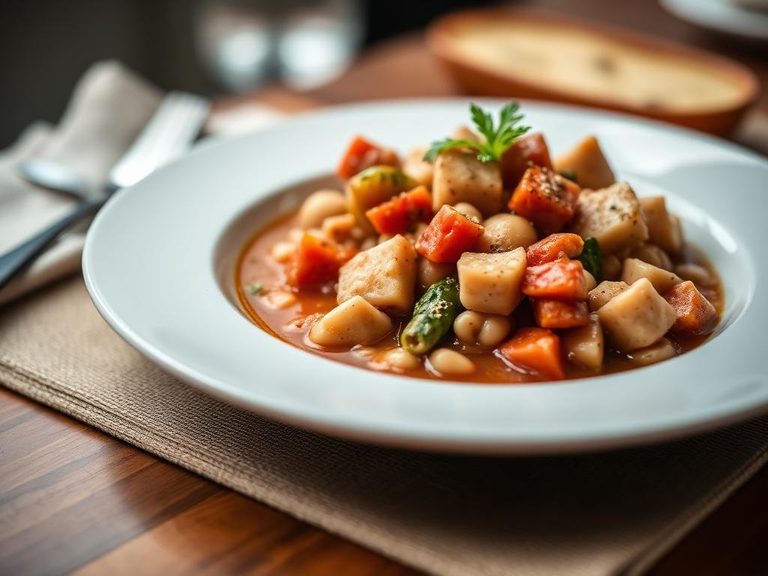
🌍 Where it's eaten
💡 Did you know?
Bluefin tuna can swim at speeds up to 43 mph (70 km/h) and their body temperature is warmer than the surrounding water, a trait that helps them hunt in cold depths.
Full nutrition (USDA data · scales with serving)
| Water | 62.6 g |
| Energy | 176 kcal |
| Protein | 30.3 g |
| Total lipid (fat) | 5.1 g |
| Carbohydrate, by difference | 0.01 g |
| Fiber, total dietary | 0.00 g |
| Total Sugars | 0.01 g |
| Calcium, Ca | 6.0 mg |
| Iron, Fe | 0.96 mg |
| Magnesium, Mg | 44.0 mg |
| Phosphorus, P | 346 mg |
| Potassium, K | 548 mg |
| Sodium, Na | 271 mg |
| Zinc, Zn | 0.46 mg |
| Copper, Cu | 0.04 mg |
| Selenium, Se | 113 ug |
| Vitamin C, total ascorbic acid | 0.00 mg |
| Thiamin | 0.13 mg |
| Riboflavin | 0.14 mg |
| Niacin | 22.9 mg |
| Vitamin B-6 | 1.1 mg |
| Folate, total | 2.0 ug |
| Folic acid | 0.00 ug |
| Folate, food | 2.0 ug |
| Folate, DFE | 2.0 ug |
| Choline, total | 81.1 mg |
| Vitamin B-12 | 2.3 ug |
| Vitamin B-12, added | 0.00 ug |
| Vitamin A, RAE | 39.0 ug |
| Retinol | 38.0 ug |
| Carotene, beta | 9.0 ug |
| Carotene, alpha | 0.00 ug |
| Cryptoxanthin, beta | 0.00 ug |
| Lycopene | 0.00 ug |
| Lutein + zeaxanthin | 0.00 ug |
| Vitamin E (alpha-tocopherol) | 0.98 mg |
| Vitamin E, added | 0.00 mg |
| Vitamin D (D2 + D3) | 2.2 ug |
| Vitamin K (phylloquinone) | 3.9 ug |
| Alcohol, ethyl | 0.00 g |
| Caffeine | 0.00 mg |
| Theobromine | 0.00 mg |
Fat & fatty acid profile (per 100g)
| Fatty acids, total saturated | 1.4 g |
| SFA 4:0 | 0.03 g |
| SFA 6:0 | 0.02 g |
| SFA 8:0 | 0.01 g |
| SFA 10:0 | 0.03 g |
| SFA 12:0 | 0.04 g |
| SFA 14:0 | 0.13 g |
| SFA 16:0 | 0.78 g |
| SFA 18:0 | 0.30 g |
| Fatty acids, total monounsaturated | 1.8 g |
| MUFA 16:1 | 0.04 g |
| MUFA 18:1 | 1.7 g |
| MUFA 20:1 | 0.03 g |
| MUFA 22:1 | 0.00 g |
| Fatty acids, total polyunsaturated | 1.5 g |
| PUFA 18:2 | 1.2 g |
| PUFA 18:3 | 0.15 g |
| PUFA 18:4 | 0.00 g |
| PUFA 20:4 | 0.02 g |
| PUFA 20:5 n-3 (EPA) | 0.01 g |
| PUFA 22:5 n-3 (DPA) | 0.01 g |
| PUFA 22:6 n-3 (DHA) | 0.11 g |
| Cholesterol | 52.0 mg |
Amino acid profile (per 100g)
Estimated from Fish, fish sticks, frozen, prepared — USDA does not publish this profile for Fish.
| Tryptophan | 0.12 g |
| Threonine | 0.37 g |
| Isoleucine | 0.43 g |
| Leucine | 0.85 g |
| Lysine | 0.80 g |
| Methionine | 0.30 g |
| Phenylalanine | 0.47 g |
| Tyrosine | 0.29 g |
| Valine | 0.50 g |
| Arginine | 0.59 g |
| Histidine | 0.23 g |
| Alanine | 0.55 g |
| Aspartic acid | 0.82 g |
| Glutamic acid | 2.3 g |
| Glycine | 0.47 g |
| Proline | 0.78 g |
| Serine | 0.49 g |
| Hydroxyproline | 0.00 g |
FAQ
Is canned tuna as nutritious as fresh?
Yes, canned tuna retains its high protein content well. It can be slightly higher in sodium depending on the packing liquid, but it's a convenient and nutritious option.
What's the difference between 'white' and 'light' canned tuna?
'White' tuna is typically albacore, which is larger, higher in fat and mercury, and has a milder flavor. 'Light' tuna is usually skipjack or yellowfin, which is smaller, leaner, lower in mercury, and has a stronger, more pronounced taste.
How can I tell if tuna is cooked properly?
Cooked tuna should be opaque and flake easily with a fork. For steaks, an internal temperature of 145°F (63°C) is recommended for safety, though many prefer it slightly pink in the center for better texture.
Nutrient density (calculated · NRF9.3)
Nutrient Rich Foods index: beneficial nutrients (protein, fiber, vitamins, minerals) minus saturated fat, added sugar & sodium, per 100 kcal.
NRF9.3 index — Fulgoni, Keast & Drewnowski, 2009. Computed from USDA nutrients.
Weight-loss friendliness (composite index)
Energy density 1.76 kcal/g · 69% calories from protein · 0.0 g fiber · 0.0 g sugar per 100 g.
Composite of energy density (Rolls et al., 1999), protein & fiber satiety, minus sugar. A calculated heuristic — ranks satiety-per-calorie, not a clinical measure.
Dietary load (calculated from USDA values)
Potential renal acid load. Positive = acid-forming, negative = alkaline-forming.
Sodium-to-potassium ratio: 0.49 (lower is better — aim for ≤ 1)
Sodium:potassium per WHO potassium guidance. Computed from USDA nutrients.