

Fish, salmon, raw
Common food

Photo: Wikipedia
Raw salmon is a prized, fatty fish with a buttery, melt-in-your-mouth texture and a clean, oceanic flavor that ranges from mild to rich depending on the cut. Its vibrant orange-pink flesh is a visual hallmark of its high astaxanthin content, a potent antioxidant. Nutritionally, it's a powerhouse of high-quality protein and heart-healthy omega-3 fatty acids, with virtually no carbohydrates.
Calorie split: 45% protein · 0% carbs · 55% fat
↓ Full nutrition💚 Why it's loved
People love it for its luxurious, buttery flavor and silky texture that requires minimal preparation. Its versatility shines from simple sashimi to complex cured dishes, making it a centerpiece of culinary elegance across many cultures.
⚠️ Watch-outs & how to enjoy it better
As a raw product, it carries a risk of parasites or bacteria if not properly handled or sourced from sushi-grade suppliers. Its high fat content, while healthy, also makes it calorie-dense, so portion control is key for some diets. To enjoy safely, always purchase from a reputable fishmonger who guarantees it's safe for raw consumption, and keep it refrigerated until use.
Key benefits
- Excellent source of complete protein for muscle repair.
- Rich in omega-3 fatty acids (EPA & DHA) for brain and heart health.
- Provides vitamin D, crucial for bone health and immune function.
- Contains selenium, a key mineral for thyroid function and antioxidant defense.
🍽️ Popular dishes
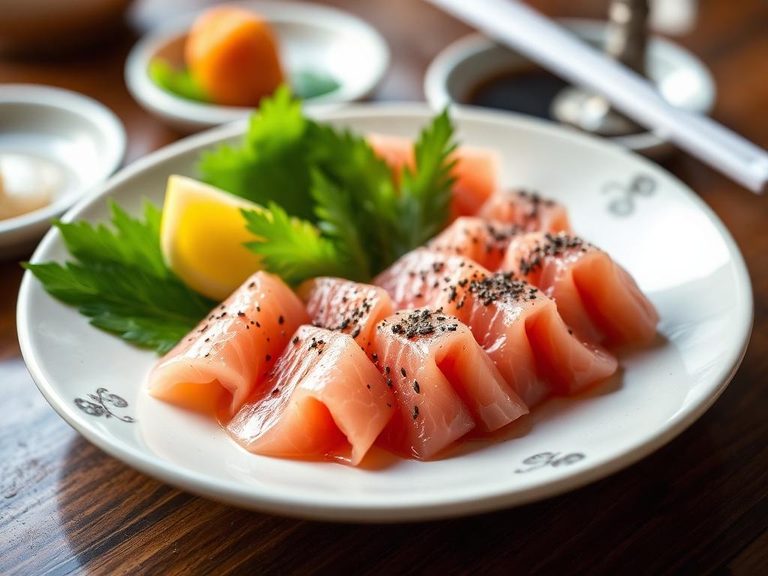
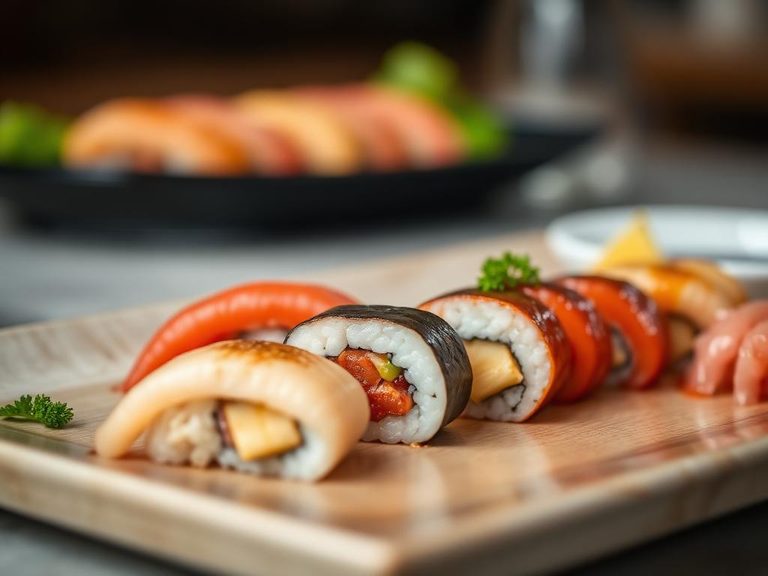
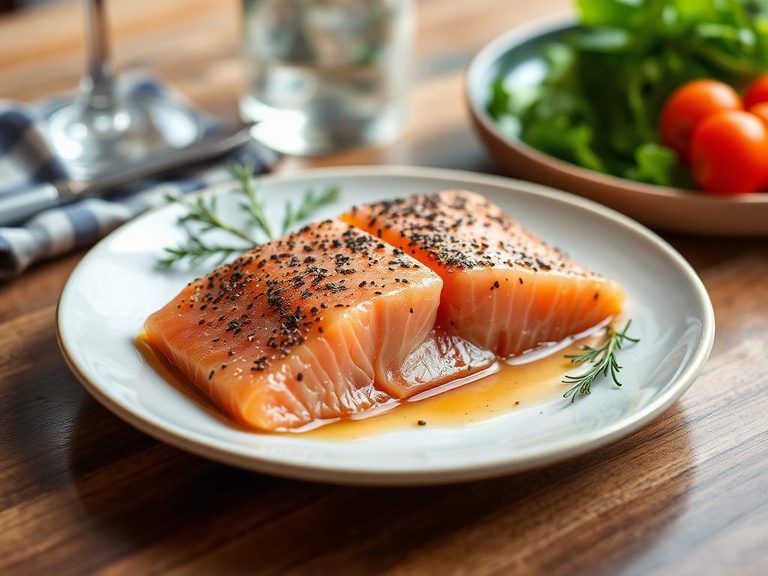
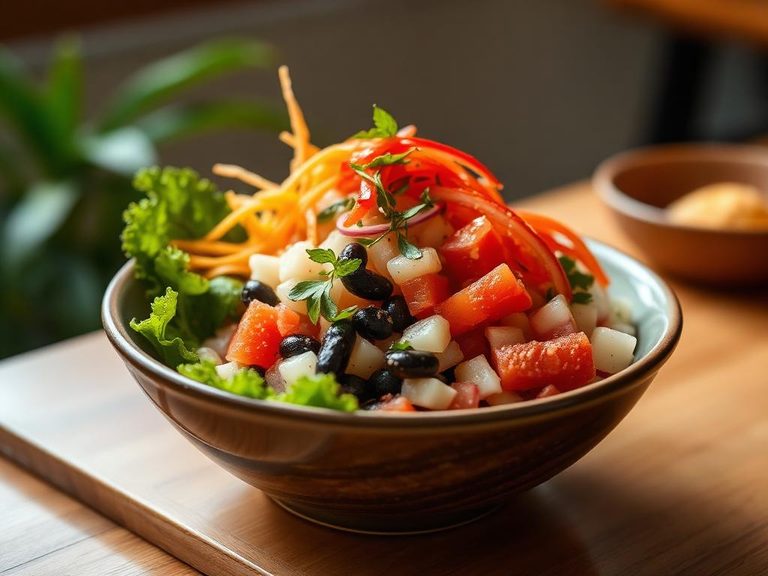
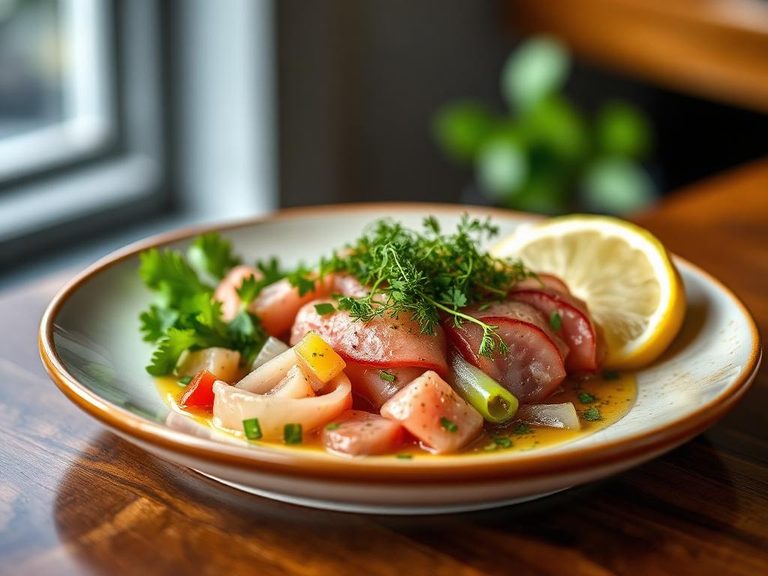
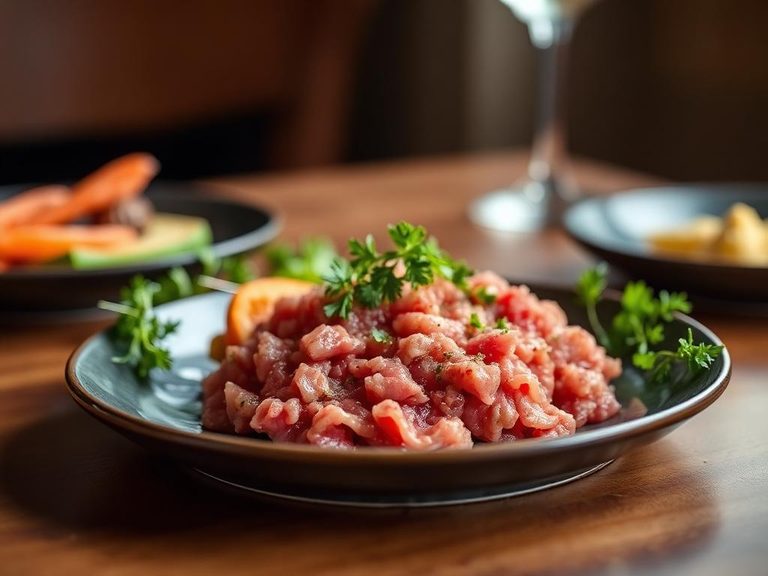
🌍 Where it's eaten
💡 Did you know?
The natural pink-orange color of salmon flesh comes from astaxanthin, a carotenoid antioxidant they accumulate from eating tiny crustaceans like shrimp and krill in the wild.
Full nutrition (USDA data · scales with serving)
| Water | 67.5 g |
| Energy | 188 kcal |
| Protein | 20.4 g |
| Total lipid (fat) | 11.2 g |
| Carbohydrate, by difference | 0.00 g |
| Fiber, total dietary | 0.00 g |
| Total Sugars | 0.00 g |
| Calcium, Ca | 8.0 mg |
| Iron, Fe | 0.35 mg |
| Magnesium, Mg | 27.0 mg |
| Phosphorus, P | 245 mg |
| Potassium, K | 364 mg |
| Sodium, Na | 63.0 mg |
| Zinc, Zn | 0.37 mg |
| Copper, Cu | 0.05 mg |
| Selenium, Se | 25.8 ug |
| Vitamin C, total ascorbic acid | 2.9 mg |
| Thiamin | 0.17 mg |
| Riboflavin | 0.14 mg |
| Niacin | 8.5 mg |
| Vitamin B-6 | 0.63 mg |
| Folate, total | 20.0 ug |
| Folic acid | 0.00 ug |
| Folate, food | 20.0 ug |
| Folate, DFE | 20.0 ug |
| Choline, total | 82.5 mg |
| Vitamin B-12 | 3.5 ug |
| Vitamin B-12, added | 0.00 ug |
| Vitamin A, RAE | 52.0 ug |
| Retinol | 52.0 ug |
| Carotene, beta | 0.00 ug |
| Carotene, alpha | 0.00 ug |
| Cryptoxanthin, beta | 0.00 ug |
| Lycopene | 0.00 ug |
| Lutein + zeaxanthin | 0.00 ug |
| Vitamin E (alpha-tocopherol) | 2.8 mg |
| Vitamin E, added | 0.00 mg |
| Vitamin D (D2 + D3) | 11.0 ug |
| Vitamin K (phylloquinone) | 0.50 ug |
| Alcohol, ethyl | 0.00 g |
| Caffeine | 0.00 mg |
| Theobromine | 0.00 mg |
Fat & fatty acid profile (per 100g)
| Fatty acids, total saturated | 2.5 g |
| SFA 4:0 | 0.00 g |
| SFA 6:0 | 0.00 g |
| SFA 8:0 | 0.00 g |
| SFA 10:0 | 0.00 g |
| SFA 12:0 | 0.00 g |
| SFA 14:0 | 0.47 g |
| SFA 16:0 | 1.5 g |
| SFA 18:0 | 0.40 g |
| Fatty acids, total monounsaturated | 3.2 g |
| MUFA 16:1 | 0.64 g |
| MUFA 18:1 | 2.2 g |
| MUFA 20:1 | 0.31 g |
| MUFA 22:1 | 0.01 g |
| Fatty acids, total polyunsaturated | 3.1 g |
| PUFA 18:2 | 0.69 g |
| PUFA 18:3 | 0.14 g |
| PUFA 18:4 | 0.11 g |
| PUFA 20:4 | 0.07 g |
| PUFA 20:5 n-3 (EPA) | 0.69 g |
| PUFA 22:5 n-3 (DPA) | 0.31 g |
| PUFA 22:6 n-3 (DHA) | 0.91 g |
| Cholesterol | 53.0 mg |
Amino acid profile (per 100g)
Estimated from Fish, fish sticks, frozen, prepared — USDA does not publish this profile for Fish.
| Tryptophan | 0.12 g |
| Threonine | 0.37 g |
| Isoleucine | 0.43 g |
| Leucine | 0.85 g |
| Lysine | 0.80 g |
| Methionine | 0.30 g |
| Phenylalanine | 0.47 g |
| Tyrosine | 0.29 g |
| Valine | 0.50 g |
| Arginine | 0.59 g |
| Histidine | 0.23 g |
| Alanine | 0.55 g |
| Aspartic acid | 0.82 g |
| Glutamic acid | 2.3 g |
| Glycine | 0.47 g |
| Proline | 0.78 g |
| Serine | 0.49 g |
| Hydroxyproline | 0.00 g |
FAQ
What makes salmon 'sushi-grade'?
'Sushi-grade' is a marketing term, not a legal standard. It implies the fish has been flash-frozen to kill parasites (per FDA guidelines) and handled with extreme care for raw consumption. Always buy from a trusted supplier.
Can I eat raw salmon if I'm pregnant?
Health authorities generally advise pregnant women to avoid raw or undercooked fish due to the risk of parasites and bacteria. It's best to consult with a healthcare provider for personalized advice.
How do I know if raw salmon is fresh?
Look for firm, moist flesh with a translucent sheen. It should smell like the ocean, not 'fishy' or sour. Avoid any with dull color, gaping flesh, or a strong ammonia-like odor.
Nutrient density (calculated · NRF9.3)
Nutrient Rich Foods index: beneficial nutrients (protein, fiber, vitamins, minerals) minus saturated fat, added sugar & sodium, per 100 kcal.
NRF9.3 index — Fulgoni, Keast & Drewnowski, 2009. Computed from USDA nutrients.
Weight-loss friendliness (composite index)
Energy density 1.88 kcal/g · 43% calories from protein · 0.0 g fiber · 0.0 g sugar per 100 g.
Composite of energy density (Rolls et al., 1999), protein & fiber satiety, minus sugar. A calculated heuristic — ranks satiety-per-calorie, not a clinical measure.
Dietary load (calculated from USDA values)
Potential renal acid load. Positive = acid-forming, negative = alkaline-forming.
Sodium-to-potassium ratio: 0.17 (lower is better — aim for ≤ 1)
Sodium:potassium per WHO potassium guidance. Computed from USDA nutrients.