

Fish, salmon, grilled
Common food
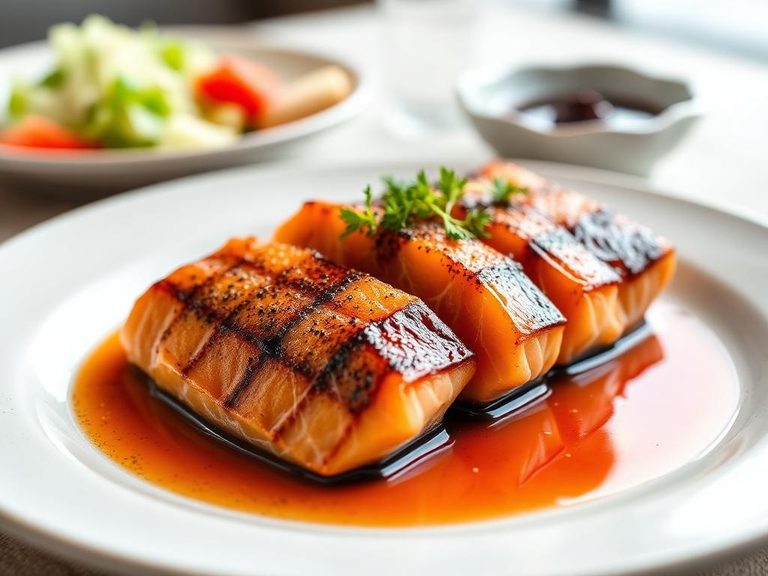
Grilled salmon is a culinary staple, prized for its rich, buttery flavor and satisfyingly flaky texture that becomes slightly crisp on the edges when cooked over high heat. It is a nutritional powerhouse, delivering a substantial 25.92 grams of high-quality protein per 100g with zero carbohydrates, making it an ideal choice for low-carb and high-protein diets. The preparation method enhances its natural umami while preserving its healthy omega-3 fatty acid content.
Calorie split: 41% protein · 0% carbs · 59% fat
↓ Full nutrition💚 Why it's loved
People adore grilled salmon for its deep, savory flavor and the way the grill imparts a subtle smokiness that complements its natural richness. It's a versatile centerpiece that works equally well in a simple weeknight dinner or an elegant dinner party, bridging culinary traditions from Japanese teriyaki to Mediterranean herb crusts.
⚠️ Watch-outs & how to enjoy it better
The primary concern is the potential for contamination with environmental pollutants like mercury and PCBs, especially in large, predatory species. To mitigate this, choose wild-caught salmon from well-managed fisheries (like Alaskan sockeye) or look for farmed salmon certified by the Aquaculture Stewardship Council (ASC). Overcooking can also lead to a dry, chalky texture; use a meat thermometer and remove it from heat just before it reaches your desired doneness, as it will continue to cook.
Key benefits
- Excellent source of complete protein for muscle repair and satiety.
- Rich in heart-healthy omega-3 fatty acids (EPA and DHA).
- Provides essential nutrients like vitamin D, B12, and selenium.
- Zero carbohydrates, suitable for ketogenic and low-carb diets.
- Grilling is a low-fat cooking method that requires minimal added oil.
🍽️ Popular dishes
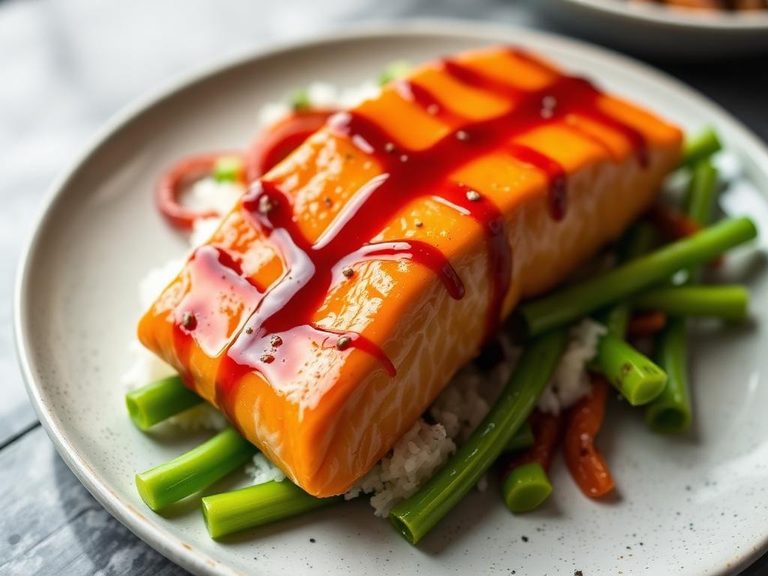
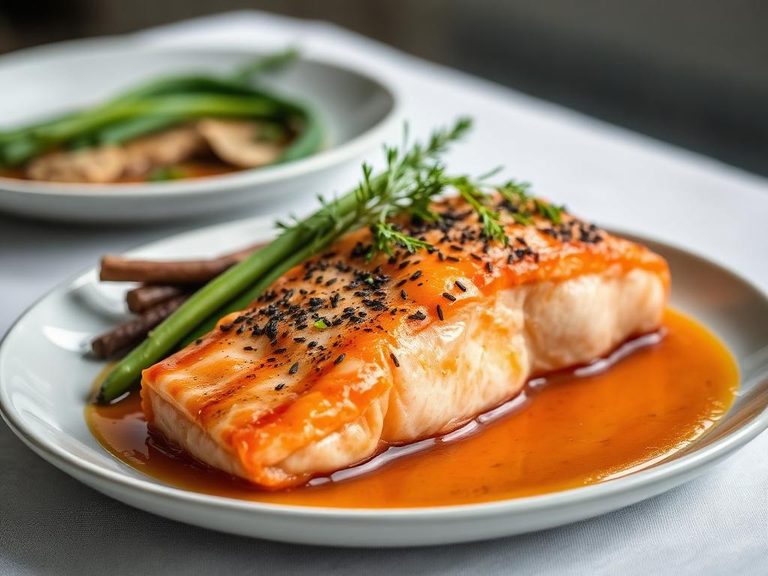
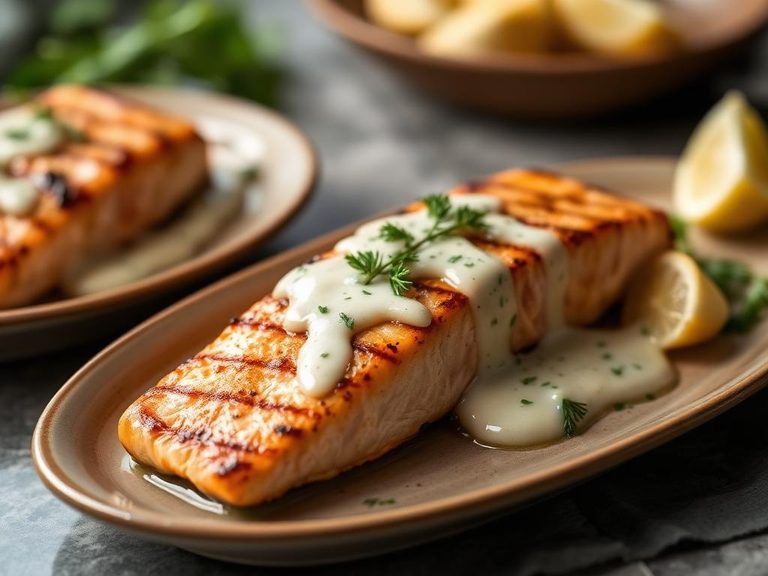
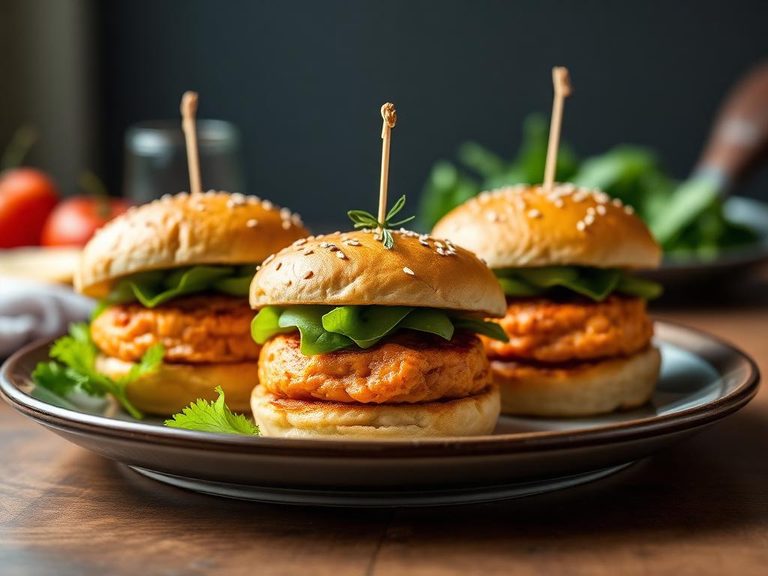
🌍 Where it's eaten
💡 Did you know?
The pink-orange color of salmon flesh comes from a pigment called astaxanthin, which the fish obtains by eating krill and tiny shrimp; farmed salmon are often given this supplement in their feed to achieve the desired color.
Full nutrition (USDA data · scales with serving)
| Water | 56.0 g |
| Energy | 259 kcal |
| Protein | 25.9 g |
| Total lipid (fat) | 16.5 g |
| Carbohydrate, by difference | 0.00 g |
| Fiber, total dietary | 0.00 g |
| Total Sugars | 0.00 g |
| Calcium, Ca | 11.0 mg |
| Iron, Fe | 0.45 mg |
| Magnesium, Mg | 34.0 mg |
| Phosphorus, P | 311 mg |
| Potassium, K | 461 mg |
| Sodium, Na | 288 mg |
| Zinc, Zn | 0.47 mg |
| Copper, Cu | 0.06 mg |
| Selenium, Se | 32.7 ug |
| Vitamin C, total ascorbic acid | 3.0 mg |
| Thiamin | 0.19 mg |
| Riboflavin | 0.17 mg |
| Niacin | 10.8 mg |
| Vitamin B-6 | 0.73 mg |
| Folate, total | 24.0 ug |
| Folic acid | 0.00 ug |
| Folate, food | 24.0 ug |
| Folate, DFE | 24.0 ug |
| Choline, total | 105 mg |
| Vitamin B-12 | 3.9 ug |
| Vitamin B-12, added | 0.00 ug |
| Vitamin A, RAE | 67.0 ug |
| Retinol | 66.0 ug |
| Carotene, beta | 4.0 ug |
| Carotene, alpha | 0.00 ug |
| Cryptoxanthin, beta | 0.00 ug |
| Lycopene | 0.00 ug |
| Lutein + zeaxanthin | 0.00 ug |
| Vitamin E (alpha-tocopherol) | 3.9 mg |
| Vitamin E, added | 0.00 mg |
| Vitamin D (D2 + D3) | 13.9 ug |
| Vitamin K (phylloquinone) | 2.5 ug |
| Alcohol, ethyl | 0.00 g |
| Caffeine | 0.00 mg |
| Theobromine | 0.00 mg |
Fat & fatty acid profile (per 100g)
| Fatty acids, total saturated | 3.8 g |
| SFA 4:0 | 0.02 g |
| SFA 6:0 | 0.01 g |
| SFA 8:0 | 0.01 g |
| SFA 10:0 | 0.01 g |
| SFA 12:0 | 0.02 g |
| SFA 14:0 | 0.65 g |
| SFA 16:0 | 2.3 g |
| SFA 18:0 | 0.63 g |
| Fatty acids, total monounsaturated | 4.8 g |
| MUFA 16:1 | 0.83 g |
| MUFA 18:1 | 3.6 g |
| MUFA 20:1 | 0.40 g |
| MUFA 22:1 | 0.01 g |
| Fatty acids, total polyunsaturated | 4.6 g |
| PUFA 18:2 | 1.5 g |
| PUFA 18:3 | 0.25 g |
| PUFA 18:4 | 0.14 g |
| PUFA 20:4 | 0.09 g |
| PUFA 20:5 n-3 (EPA) | 0.88 g |
| PUFA 22:5 n-3 (DPA) | 0.39 g |
| PUFA 22:6 n-3 (DHA) | 1.2 g |
| Cholesterol | 69.0 mg |
Amino acid profile (per 100g)
Estimated from Fish, fish sticks, frozen, prepared — USDA does not publish this profile for Fish.
| Tryptophan | 0.12 g |
| Threonine | 0.37 g |
| Isoleucine | 0.43 g |
| Leucine | 0.85 g |
| Lysine | 0.80 g |
| Methionine | 0.30 g |
| Phenylalanine | 0.47 g |
| Tyrosine | 0.29 g |
| Valine | 0.50 g |
| Arginine | 0.59 g |
| Histidine | 0.23 g |
| Alanine | 0.55 g |
| Aspartic acid | 0.82 g |
| Glutamic acid | 2.3 g |
| Glycine | 0.47 g |
| Proline | 0.78 g |
| Serine | 0.49 g |
| Hydroxyproline | 0.00 g |
FAQ
How do I prevent salmon from sticking to the grill?
Ensure the grill grates are very clean and hot. Oil the fish (not the grill) lightly, and place it skin-side down first. It will release naturally when properly seared.
Is farmed salmon as healthy as wild?
Both are excellent sources of protein and omega-3s. Wild salmon typically has a more robust flavor and slightly higher omega-3 content, while well-managed farmed salmon is a sustainable, consistent, and often more affordable option.
What's the best internal temperature for grilled salmon?
For moist, tender salmon, aim for 125°F (52°C) for medium-rare or 145°F (63°C) for well-done, per USDA guidelines. It will continue to cook after removal from heat.
Nutrient density (calculated · NRF9.3)
Nutrient Rich Foods index: beneficial nutrients (protein, fiber, vitamins, minerals) minus saturated fat, added sugar & sodium, per 100 kcal.
NRF9.3 index — Fulgoni, Keast & Drewnowski, 2009. Computed from USDA nutrients.
Weight-loss friendliness (composite index)
Energy density 2.59 kcal/g · 40% calories from protein · 0.0 g fiber · 0.0 g sugar per 100 g.
Composite of energy density (Rolls et al., 1999), protein & fiber satiety, minus sugar. A calculated heuristic — ranks satiety-per-calorie, not a clinical measure.
Dietary load (calculated from USDA values)
Potential renal acid load. Positive = acid-forming, negative = alkaline-forming.
Sodium-to-potassium ratio: 0.62 (lower is better — aim for ≤ 1)
Sodium:potassium per WHO potassium guidance. Computed from USDA nutrients.