

Fish, cooked, as ingredient
Common food
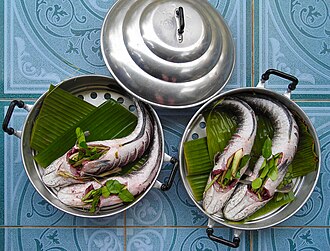
Photo: Wikipedia
Cooked fish is a lean, protein-packed ingredient with a delicate, flaky texture and a mild, savory flavor that absorbs seasonings beautifully. It provides an exceptional amount of high-quality protein per calorie, making it a nutritional powerhouse for muscle maintenance and satiety.
Calorie split: 94% protein · 0% carbs · 6% fat
↓ Full nutrition💚 Why it's loved
People love its clean, savory taste and incredible versatility—it can be the star of a simple weeknight dinner or the foundation for complex global cuisines. Its ability to take on flavors from herbs, spices, and sauces makes it endlessly adaptable.
⚠️ Watch-outs & how to enjoy it better
As a common allergen, fish can cause serious reactions in sensitive individuals. To counteract this, always check ingredient labels and inform hosts or restaurants. For those watching sodium intake, be mindful of pre-seasoned or canned varieties; opt for fresh fish and season with herbs and citrus instead.
Key benefits
- Excellent source of high-quality, complete protein
- Very low in fat and carbohydrates
- Naturally rich in essential amino acids
- Provides key nutrients like selenium and B vitamins
- Supports muscle maintenance and repair
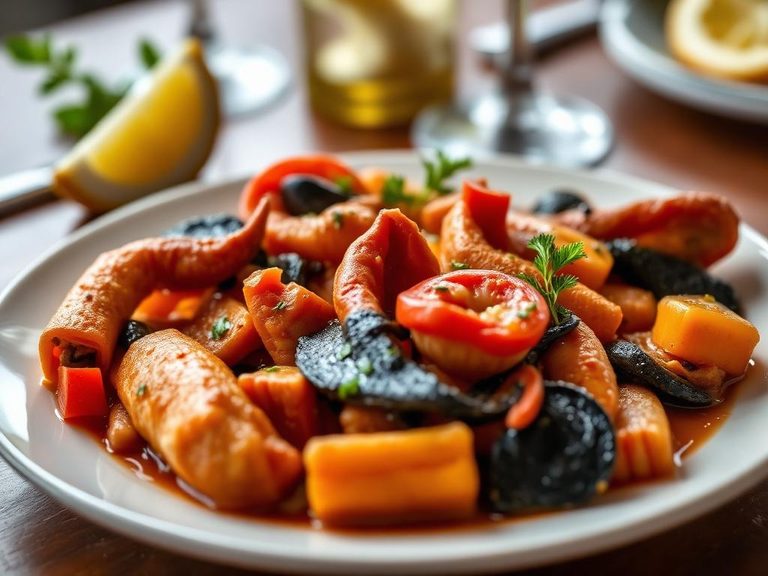
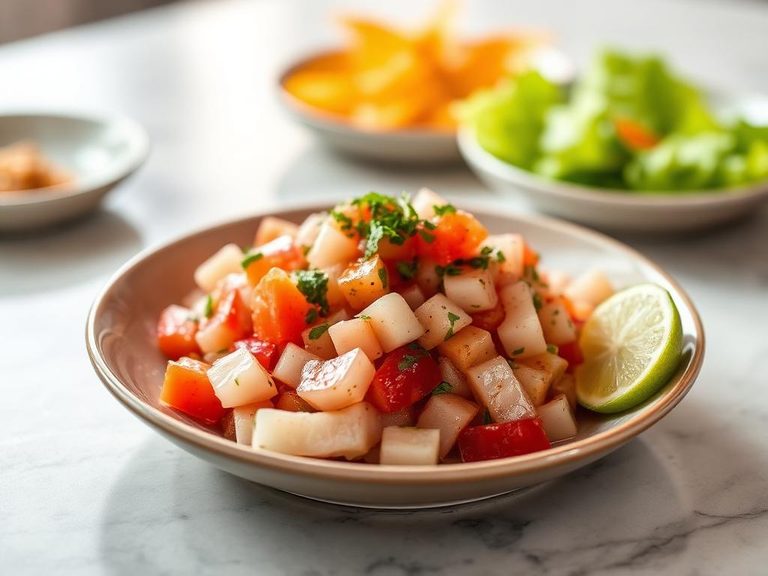
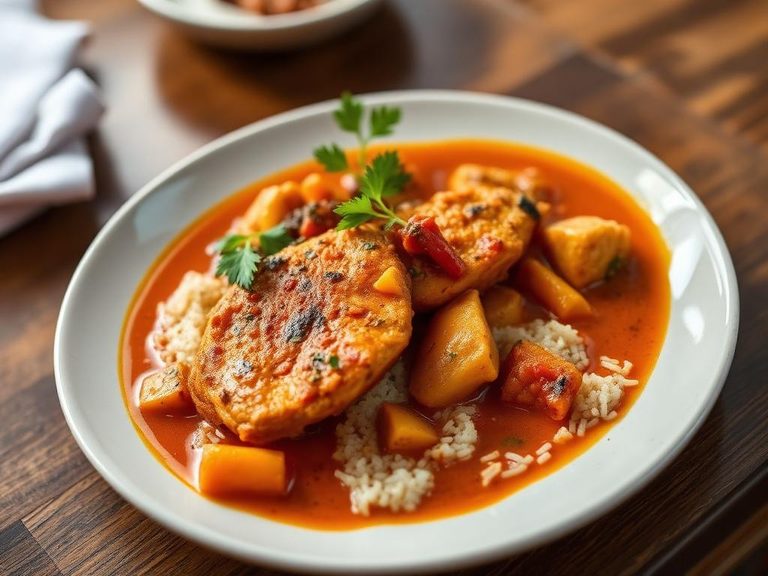
🍽️ Popular dishes
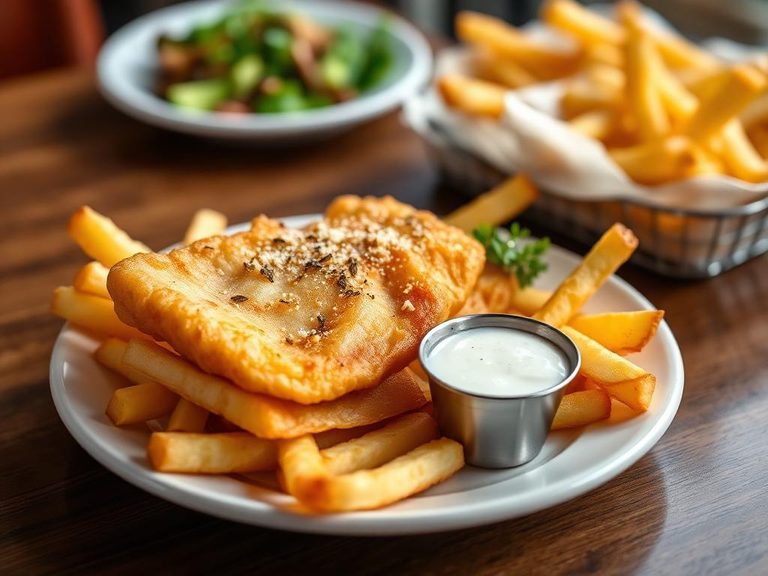
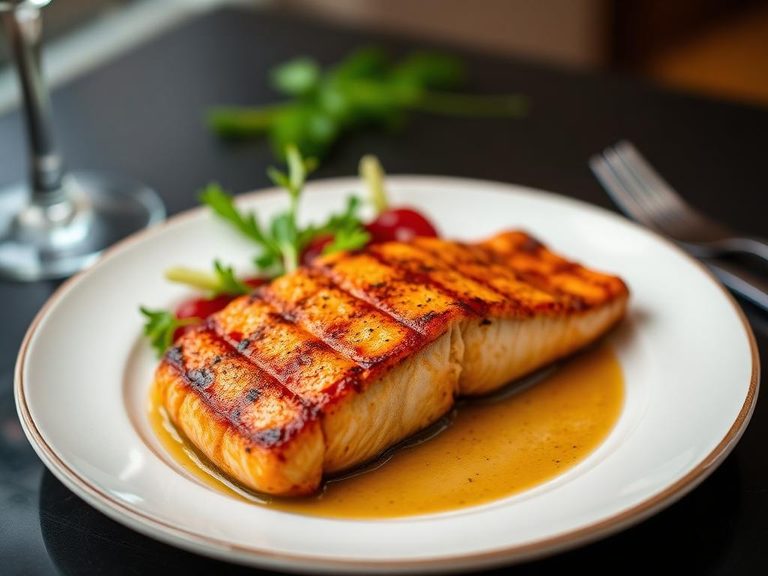
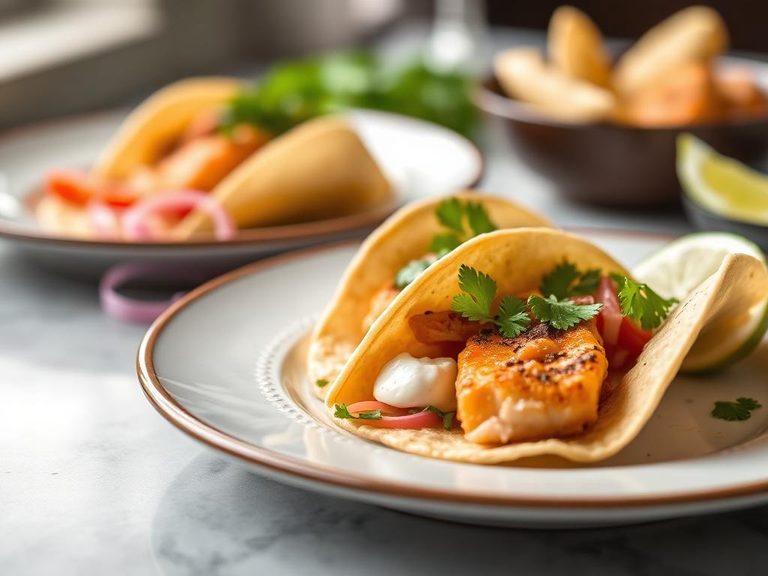
🌍 Where it's eaten
💡 Did you know?
The protein in cooked fish is more digestible than the protein in raw fish, as heat denatures the proteins, making them easier for your body to break down and absorb.
Full nutrition (USDA data · scales with serving)
| Water | 80.0 g |
| Energy | 82.0 kcal |
| Protein | 19.4 g |
| Total lipid (fat) | 0.56 g |
| Carbohydrate, by difference | 0.00 g |
| Fiber, total dietary | 0.00 g |
| Total Sugars | 0.00 g |
| Calcium, Ca | 15.0 mg |
| Iron, Fe | 0.23 mg |
| Magnesium, Mg | 25.0 mg |
| Phosphorus, P | 305 mg |
| Potassium, K | 322 mg |
| Sodium, Na | 115 mg |
| Zinc, Zn | 0.40 mg |
| Copper, Cu | 0.03 mg |
| Selenium, Se | 29.6 ug |
| Vitamin C, total ascorbic acid | 0.00 mg |
| Thiamin | 0.02 mg |
| Riboflavin | 0.07 mg |
| Niacin | 3.4 mg |
| Vitamin B-6 | 0.26 mg |
| Folate, total | 11.0 ug |
| Folic acid | 0.00 ug |
| Folate, food | 11.0 ug |
| Folate, DFE | 11.0 ug |
| Choline, total | 82.3 mg |
| Vitamin B-12 | 2.0 ug |
| Vitamin B-12, added | 0.00 ug |
| Vitamin A, RAE | 15.0 ug |
| Retinol | 15.0 ug |
| Carotene, beta | 0.00 ug |
| Carotene, alpha | 0.00 ug |
| Cryptoxanthin, beta | 0.00 ug |
| Lycopene | 0.00 ug |
| Lutein + zeaxanthin | 0.00 ug |
| Vitamin E (alpha-tocopherol) | 0.58 mg |
| Vitamin E, added | 0.00 mg |
| Vitamin D (D2 + D3) | 0.50 ug |
| Vitamin K (phylloquinone) | 0.10 ug |
| Alcohol, ethyl | 0.00 g |
| Caffeine | 0.00 mg |
| Theobromine | 0.00 mg |
Fat & fatty acid profile (per 100g)
| Fatty acids, total saturated | 0.13 g |
| SFA 4:0 | 0.00 g |
| SFA 6:0 | 0.00 g |
| SFA 8:0 | 0.00 g |
| SFA 10:0 | 0.00 g |
| SFA 12:0 | 0.00 g |
| SFA 14:0 | 0.01 g |
| SFA 16:0 | 0.09 g |
| SFA 18:0 | 0.03 g |
| Fatty acids, total monounsaturated | 0.08 g |
| MUFA 16:1 | 0.01 g |
| MUFA 18:1 | 0.05 g |
| MUFA 20:1 | 0.01 g |
| MUFA 22:1 | 0.00 g |
| Fatty acids, total polyunsaturated | 0.21 g |
| PUFA 18:2 | 0.02 g |
| PUFA 18:3 | 0.00 g |
| PUFA 18:4 | 0.00 g |
| PUFA 20:4 | 0.01 g |
| PUFA 20:5 n-3 (EPA) | 0.06 g |
| PUFA 22:5 n-3 (DPA) | 0.01 g |
| PUFA 22:6 n-3 (DHA) | 0.12 g |
| Cholesterol | 66.0 mg |
Amino acid profile (per 100g)
Estimated from Fish, fish sticks, frozen, prepared — USDA does not publish this profile for Fish.
| Tryptophan | 0.12 g |
| Threonine | 0.37 g |
| Isoleucine | 0.43 g |
| Leucine | 0.85 g |
| Lysine | 0.80 g |
| Methionine | 0.30 g |
| Phenylalanine | 0.47 g |
| Tyrosine | 0.29 g |
| Valine | 0.50 g |
| Arginine | 0.59 g |
| Histidine | 0.23 g |
| Alanine | 0.55 g |
| Aspartic acid | 0.82 g |
| Glutamic acid | 2.3 g |
| Glycine | 0.47 g |
| Proline | 0.78 g |
| Serine | 0.49 g |
| Hydroxyproline | 0.00 g |
FAQ
How do I know when fish is perfectly cooked?
The flesh should be opaque and flake easily with a fork. For most fillets, an internal temperature of 145°F (63°C) is recommended, but many chefs pull it at 130-135°F for a more moist texture.
What's the best way to store leftover cooked fish?
Place it in an airtight container and refrigerate for up to 3 days. Reheat gently in a low oven or a covered skillet with a splash of water to prevent drying out.
Why does my cooked fish sometimes taste 'fishy'?
The 'fishy' smell comes from trimethylamine, which forms as fish ages. Using very fresh fish, soaking in milk (which binds the compound), or adding acidic ingredients like lemon juice before cooking can significantly reduce this.
Nutrient density (calculated · NRF9.3)
Nutrient Rich Foods index: beneficial nutrients (protein, fiber, vitamins, minerals) minus saturated fat, added sugar & sodium, per 100 kcal.
NRF9.3 index — Fulgoni, Keast & Drewnowski, 2009. Computed from USDA nutrients.
Weight-loss friendliness (composite index)
Energy density 0.82 kcal/g · 94% calories from protein · 0.0 g fiber · 0.0 g sugar per 100 g.
Composite of energy density (Rolls et al., 1999), protein & fiber satiety, minus sugar. A calculated heuristic — ranks satiety-per-calorie, not a clinical measure.
Dietary load (calculated from USDA values)
Potential renal acid load. Positive = acid-forming, negative = alkaline-forming.
Sodium-to-potassium ratio: 0.36 (lower is better — aim for ≤ 1)
Sodium:potassium per WHO potassium guidance. Computed from USDA nutrients.