

Egg, whole, raw
Common food
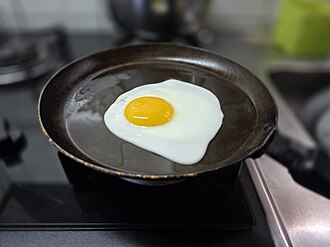
Photo: Wikipedia
A whole, raw egg is a self-contained marvel of nature, featuring a rich, golden yolk suspended in a clear, viscous albumen. Its flavor is subtly savory and creamy when raw, transforming into a tender, custard-like texture upon cooking. Nutritionally, it's a powerhouse of high-quality protein and essential fats, with negligible carbohydrates.
Calorie split: 35% protein · 3% carbs · 63% fat
↓ Full nutrition💚 Why it's loved
People adore eggs for their incredible versatility—they are the foundational ingredient for countless dishes from breakfast scrambles to complex custards. Their rich, umami flavor and ability to bind, leaven, and enrich foods make them a culinary cornerstone across virtually every global cuisine.
⚠️ Watch-outs & how to enjoy it better
Raw or undercooked eggs pose a risk of Salmonella contamination, especially for vulnerable groups like pregnant women, young children, and the immunocompromised. To mitigate this, always use pasteurized eggs for raw preparations (like Caesar dressing or mousse) and cook eggs until both the white and yolk are firm for safety. Egg allergies are also common, particularly in children.
Key benefits
- Complete protein source with all essential amino acids.
- Rich in choline, crucial for brain and liver health.
- Contains lutein and zeaxanthin, antioxidants for eye health.
- Excellent source of vitamins D, B12, and riboflavin.
- Provides selenium, an important mineral for immune function.
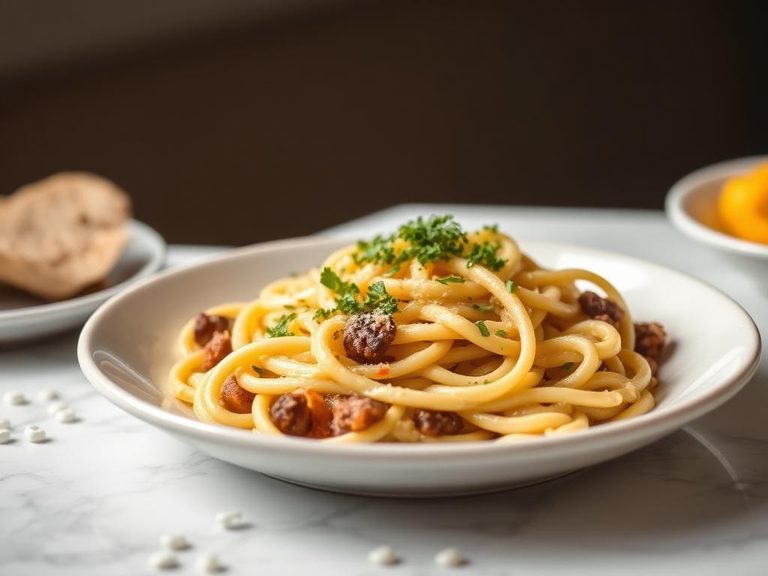
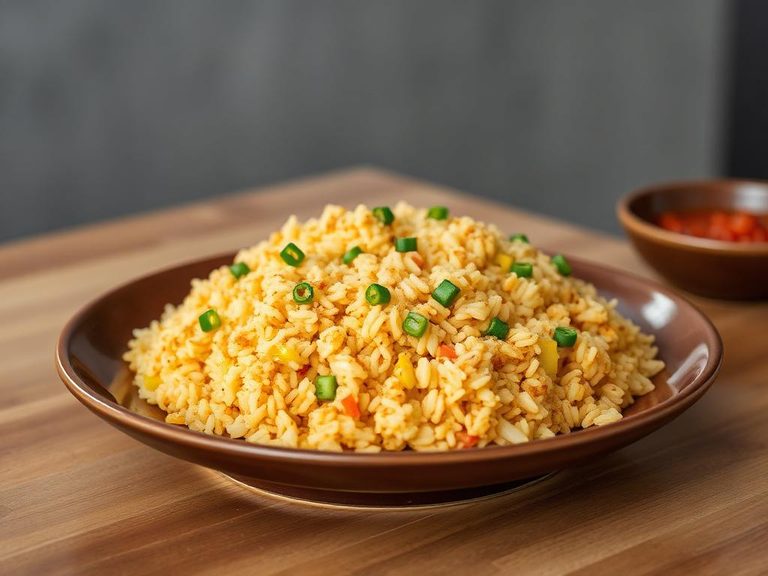
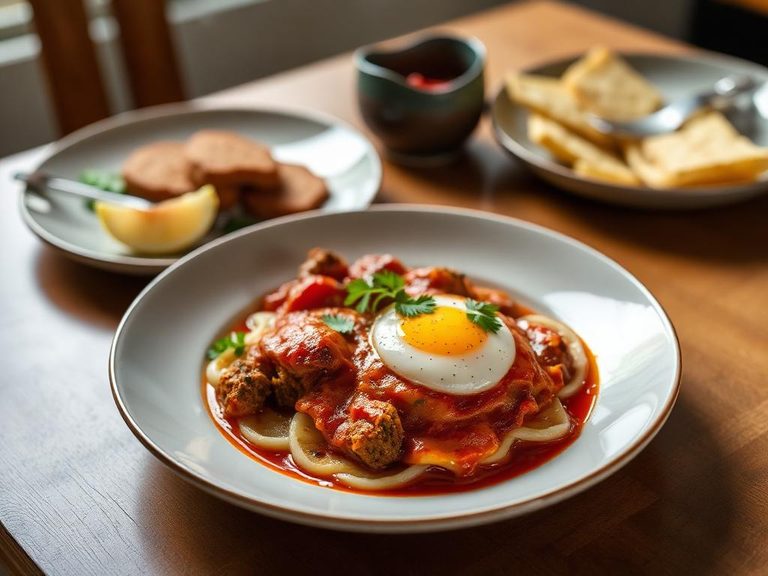
🍽️ Popular dishes



🌍 Where it's eaten
💡 Did you know?
A single large egg contains about 6 grams of protein, but only about 3 grams is in the white—the other 3 grams, along with almost all the fat and vitamins, are concentrated in the yolk.
Full nutrition (USDA data · scales with serving)
| Water | 75.8 g |
| Energy | 143 kcal |
| Protein | 12.4 g |
| Total lipid (fat) | 10.0 g |
| Carbohydrate, by difference | 0.96 g |
| Fiber, total dietary | 0.00 g |
| Total Sugars | 0.20 g |
| Calcium, Ca | 48.0 mg |
| Iron, Fe | 1.7 mg |
| Magnesium, Mg | 11.0 mg |
| Phosphorus, P | 184 mg |
| Potassium, K | 132 mg |
| Sodium, Na | 129 mg |
| Zinc, Zn | 1.2 mg |
| Copper, Cu | 0.00 mg |
| Selenium, Se | 31.1 ug |
| Vitamin C, total ascorbic acid | 0.00 mg |
| Thiamin | 0.08 mg |
| Riboflavin | 0.42 mg |
| Niacin | 0.00 mg |
| Vitamin B-6 | 0.06 mg |
| Folate, total | 71.0 ug |
| Folic acid | 0.00 ug |
| Folate, food | 71.0 ug |
| Folate, DFE | 71.0 ug |
| Choline, total | 335 mg |
| Vitamin B-12 | 1.0 ug |
| Vitamin B-12, added | 0.00 ug |
| Vitamin A, RAE | 180 ug |
| Retinol | 179 ug |
| Carotene, beta | 0.00 ug |
| Carotene, alpha | 0.00 ug |
| Cryptoxanthin, beta | 13.0 ug |
| Lycopene | 0.00 ug |
| Lutein + zeaxanthin | 503 ug |
| Vitamin E (alpha-tocopherol) | 1.1 mg |
| Vitamin E, added | 0.00 mg |
| Vitamin D (D2 + D3) | 2.5 ug |
| Vitamin K (phylloquinone) | 0.30 ug |
| Alcohol, ethyl | 0.00 g |
| Caffeine | 0.00 mg |
| Theobromine | 0.00 mg |
Fat & fatty acid profile (per 100g)
| Fatty acids, total saturated | 3.2 g |
| SFA 4:0 | 0.00 g |
| SFA 6:0 | 0.00 g |
| SFA 8:0 | 0.00 g |
| SFA 10:0 | 0.00 g |
| SFA 12:0 | 0.00 g |
| SFA 14:0 | 0.03 g |
| SFA 16:0 | 2.3 g |
| SFA 18:0 | 0.81 g |
| Fatty acids, total monounsaturated | 3.6 g |
| MUFA 16:1 | 0.24 g |
| MUFA 18:1 | 3.4 g |
| MUFA 20:1 | 0.00 g |
| MUFA 22:1 | 0.00 g |
| Fatty acids, total polyunsaturated | 1.8 g |
| PUFA 18:2 | 1.5 g |
| PUFA 18:3 | 0.01 g |
| PUFA 18:4 | 0.00 g |
| PUFA 20:4 | 0.00 g |
| PUFA 20:5 n-3 (EPA) | 0.00 g |
| PUFA 22:5 n-3 (DPA) | 0.00 g |
| PUFA 22:6 n-3 (DHA) | 0.00 g |
| Cholesterol | 411 mg |
Amino acid profile (per 100g)
Estimated from Fish, whitefish, eggs (Alaska Native) — USDA does not publish this profile for Egg.
| Tryptophan | 0.28 g |
| Threonine | 1.0 g |
| Isoleucine | 1.1 g |
| Leucine | 1.6 g |
| Lysine | 1.6 g |
| Methionine | 0.56 g |
| Cystine | 0.23 g |
| Phenylalanine | 0.90 g |
| Tyrosine | 0.76 g |
| Valine | 1.3 g |
| Arginine | 1.1 g |
| Histidine | 0.53 g |
| Alanine | 1.6 g |
| Aspartic acid | 1.6 g |
| Glutamic acid | 2.2 g |
| Glycine | 0.50 g |
| Proline | 1.1 g |
| Serine | 1.2 g |
FAQ
Are raw eggs as nutritious as cooked ones?
Cooking actually makes the protein in eggs more digestible (by about 90% vs. 50% raw) and eliminates the avidin in raw whites, which can interfere with biotin absorption. However, some heat-sensitive nutrients like vitamin A and certain antioxidants may be slightly reduced with cooking.
What does the color of the yolk indicate?
Yolk color, from pale yellow to deep orange, depends on the hen's diet, specifically the amount of carotenoid pigments (like lutein and zeaxanthin) in their feed. It does not significantly affect nutritional value or taste.
How can I tell if a raw egg is still fresh?
Place the egg in a bowl of water. If it sinks and lies flat on its side, it's very fresh. If it stands upright on the bottom, it's older but still good. If it floats, it's too old and should be discarded.
Nutrient density (calculated · NRF9.3)
Nutrient Rich Foods index: beneficial nutrients (protein, fiber, vitamins, minerals) minus saturated fat, added sugar & sodium, per 100 kcal.
NRF9.3 index — Fulgoni, Keast & Drewnowski, 2009. Computed from USDA nutrients.
Weight-loss friendliness (composite index)
Energy density 1.43 kcal/g · 35% calories from protein · 0.0 g fiber · 0.2 g sugar per 100 g.
Composite of energy density (Rolls et al., 1999), protein & fiber satiety, minus sugar. A calculated heuristic — ranks satiety-per-calorie, not a clinical measure.
Dietary load (calculated from USDA values)
Potential renal acid load. Positive = acid-forming, negative = alkaline-forming.
Sodium-to-potassium ratio: 0.98 (lower is better — aim for ≤ 1)
Sodium:potassium per WHO potassium guidance. Computed from USDA nutrients.