

Carbonara
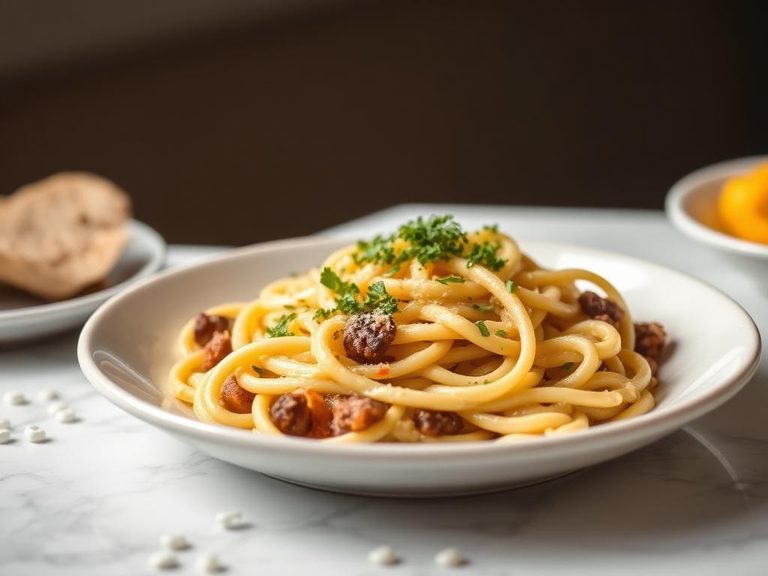
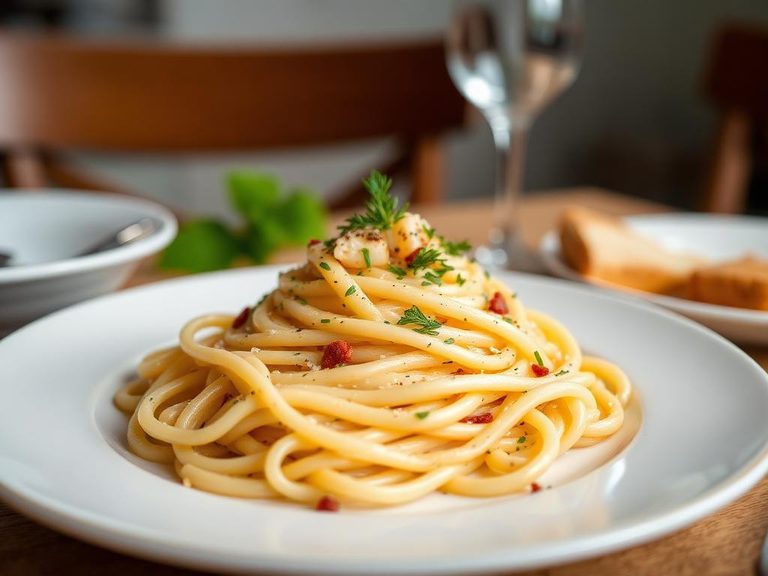
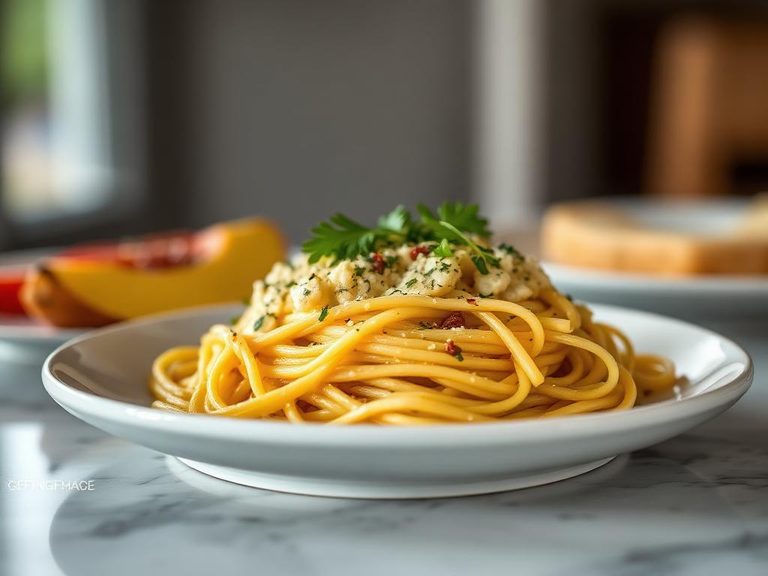
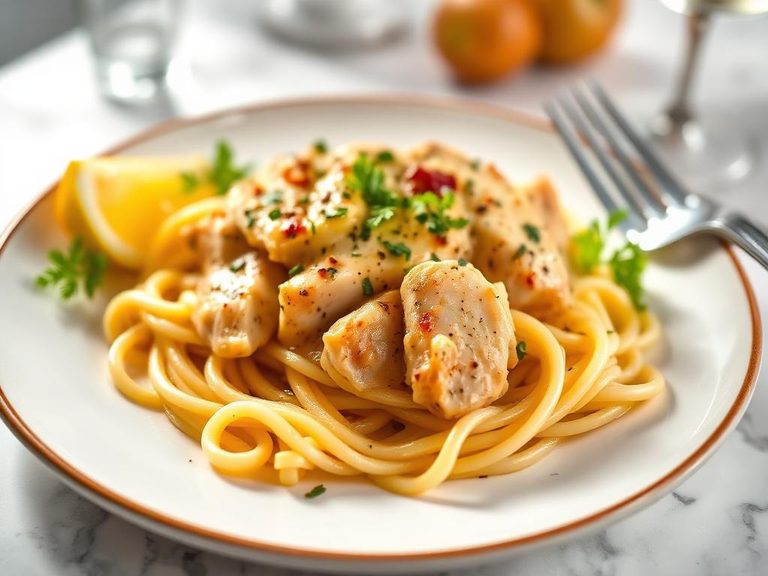
Carbonara is a classic Roman pasta dish celebrated for its creamy, egg-based sauce that coats spaghetti or rigatoni. Its authentic ingredients are simple yet precise: cured pork (guanciale or pancetta), Pecorino Romano cheese, eggs, and freshly ground black pepper, with no cream added. It originates from Rome, Italy, and is a staple of traditional Italian cuisine.
🍳 View the full Carbonara recipe →
🍽️ Nutrition at a glance
Carbonara is a rich, energy-dense dish, being high in both fat and protein from the eggs, cheese, and pork, with carbohydrates coming from the pasta. A typical serving provides a substantial amount of protein and calcium, and generally ranges from 500 to 800 calories, depending on portion size and ingredient ratios.
Nutrition breakdown
| Calories | 550 kcal |
| Protein | 25 g |
| Carbs | 45 g |
| Fat | 30 g |
| Fiber | 2 g |
| Sugar | 2 g |
| Sodium | 900 mg |
| Calcium | 150 mg |
| Iron | 3 mg |
| Potassium | 250 mg |
| Vitamin A | 150 mcg |
| Vitamin B12 | 1.5 mcg |
| Phosphorus | 300 mg |
| Selenium | 40 mcg |
| Zinc | 3 mg |
Per 1 plate (300 g) · estimated, varies by recipe
💡 What's interesting
The dish's signature creaminess is achieved purely through the emulsification of eggs and cheese with hot pasta water, a technique that highlights the skill of the cook. Nutritionally, it's a surprisingly complete meal, offering a balanced mix of macronutrients that provides lasting energy.
🍽️ Related dishes
AI estimate may be inaccurate · Terms