

Egg, white only, raw
Common food

Photo: Wikipedia
Raw egg white is the clear, viscous liquid surrounding the yolk, known for its mild, almost neutral flavor and a unique texture that transforms from liquid to a firm, bouncy solid when cooked. Nutritionally, it's a powerhouse of pure, lean protein with virtually no fat, making it a staple for those focused on high-protein, low-calorie diets.
Calorie split: 82% protein · 18% carbs · 0% fat
↓ Full nutrition💚 Why it's loved
People love egg whites for their incredible versatility and neutral taste, which acts as a blank canvas in cooking—from creating light, fluffy meringues to adding protein to scrambles. They are a cultural cornerstone in everything from classic French macarons to the protein-packed post-workout shakes of modern fitness culture.
⚠️ Watch-outs & how to enjoy it better
The primary downside is the risk of Salmonella infection from consuming them raw, which is a serious concern for pregnant individuals, the elderly, and those with compromised immune systems. To counteract this, always use pasteurized egg whites for raw preparations like smoothies, or cook them thoroughly until both white and yolk are firm.
Key benefits
- Excellent source of high-quality, complete protein
- Extremely low in calories and fat-free
- Contains no cholesterol
- Rich in the protein albumin, which supports muscle maintenance
- A versatile ingredient for both sweet and savory dishes
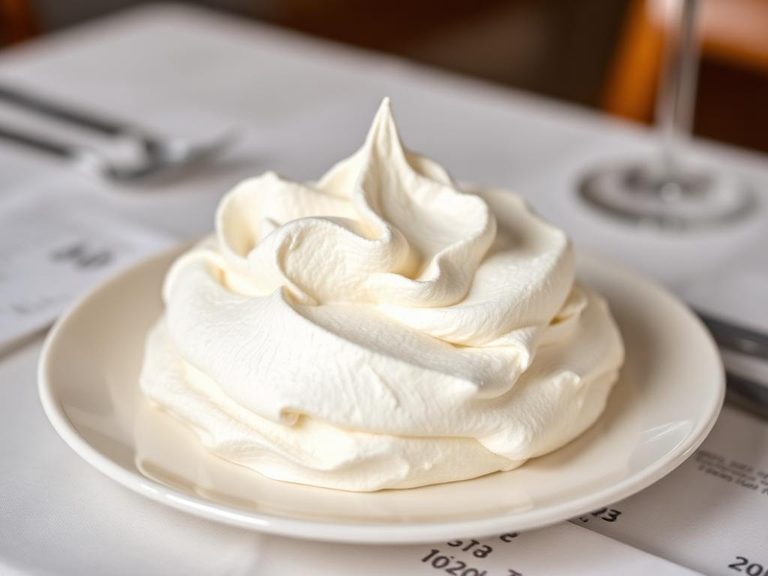
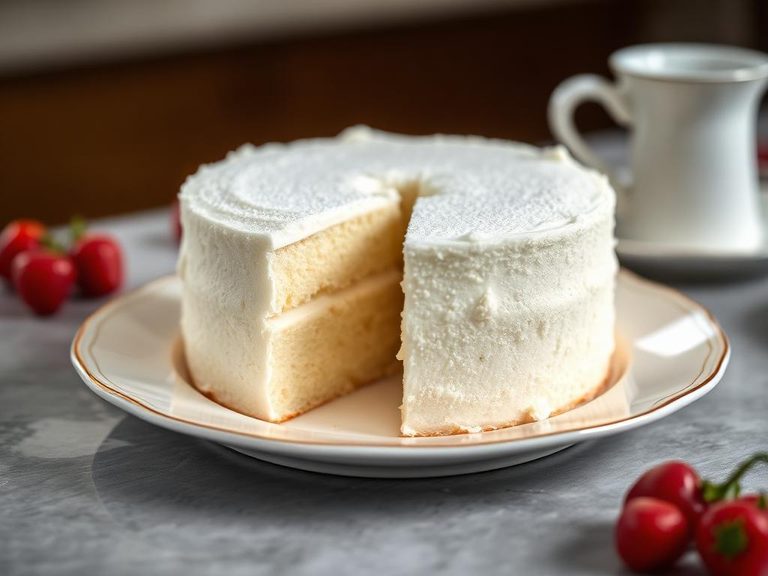
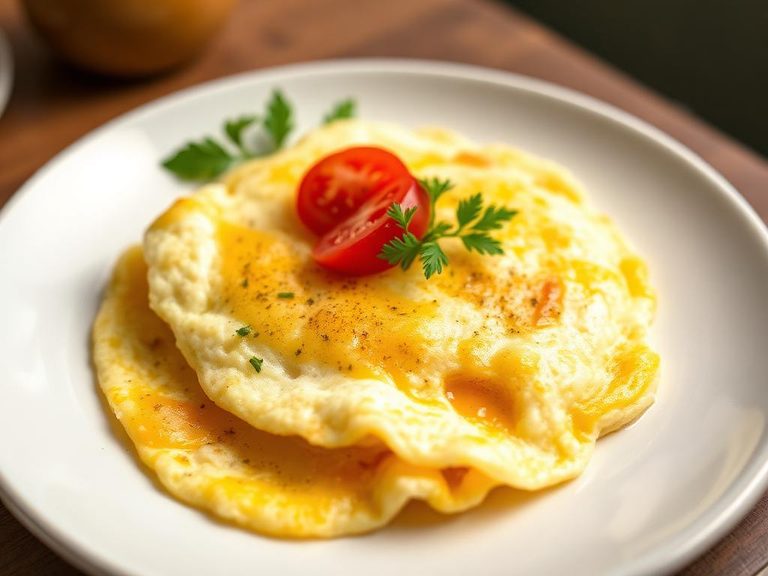
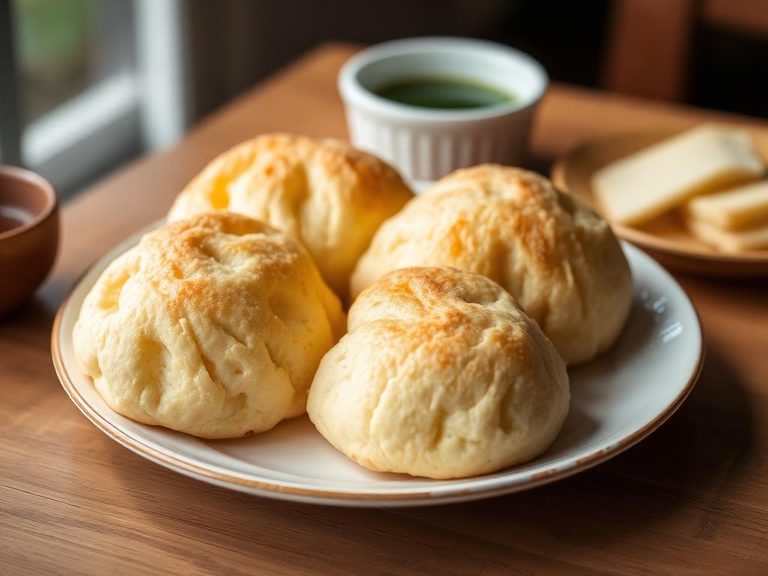
🍽️ Popular dishes

🌍 Where it's eaten
💡 Did you know?
A single large egg white contains about 3.6 grams of protein, which is roughly 67% of the total protein in a whole egg, yet it contributes only about 17 calories.
Full nutrition (USDA data · scales with serving)
| Water | 86.3 g |
| Energy | 52.0 kcal |
| Protein | 10.7 g |
| Total lipid (fat) | 0.00 g |
| Carbohydrate, by difference | 2.4 g |
| Fiber, total dietary | 0.00 g |
| Total Sugars | 0.71 g |
| Calcium, Ca | 7.0 mg |
| Iron, Fe | 0.08 mg |
| Magnesium, Mg | 11.0 mg |
| Phosphorus, P | 15.0 mg |
| Potassium, K | 163 mg |
| Sodium, Na | 166 mg |
| Zinc, Zn | 0.03 mg |
| Copper, Cu | 0.02 mg |
| Selenium, Se | 17.9 ug |
| Vitamin C, total ascorbic acid | 0.00 mg |
| Thiamin | 0.00 mg |
| Riboflavin | 0.39 mg |
| Niacin | 0.10 mg |
| Vitamin B-6 | 0.01 mg |
| Folate, total | 4.0 ug |
| Folic acid | 0.00 ug |
| Folate, food | 4.0 ug |
| Folate, DFE | 4.0 ug |
| Choline, total | 1.1 mg |
| Vitamin B-12 | 0.09 ug |
| Vitamin B-12, added | 0.00 ug |
| Vitamin A, RAE | 0.00 ug |
| Retinol | 0.00 ug |
| Carotene, beta | 0.00 ug |
| Carotene, alpha | 0.00 ug |
| Cryptoxanthin, beta | 0.00 ug |
| Lycopene | 0.00 ug |
| Lutein + zeaxanthin | 0.00 ug |
| Vitamin E (alpha-tocopherol) | 0.00 mg |
| Vitamin E, added | 0.00 mg |
| Vitamin D (D2 + D3) | 0.00 ug |
| Vitamin K (phylloquinone) | 0.00 ug |
| Alcohol, ethyl | 0.00 g |
| Caffeine | 0.00 mg |
| Theobromine | 0.00 mg |
Fat & fatty acid profile (per 100g)
| Fatty acids, total saturated | 0.00 g |
| SFA 4:0 | 0.00 g |
| SFA 6:0 | 0.00 g |
| SFA 8:0 | 0.00 g |
| SFA 10:0 | 0.00 g |
| SFA 12:0 | 0.00 g |
| SFA 14:0 | 0.00 g |
| SFA 16:0 | 0.00 g |
| SFA 18:0 | 0.00 g |
| Fatty acids, total monounsaturated | 0.00 g |
| MUFA 16:1 | 0.00 g |
| MUFA 18:1 | 0.00 g |
| MUFA 20:1 | 0.00 g |
| MUFA 22:1 | 0.00 g |
| Fatty acids, total polyunsaturated | 0.00 g |
| PUFA 18:2 | 0.00 g |
| PUFA 18:3 | 0.00 g |
| PUFA 18:4 | 0.00 g |
| PUFA 20:4 | 0.00 g |
| PUFA 20:5 n-3 (EPA) | 0.00 g |
| PUFA 22:5 n-3 (DPA) | 0.00 g |
| PUFA 22:6 n-3 (DHA) | 0.00 g |
| Cholesterol | 0.00 mg |
Amino acid profile (per 100g)
Estimated from Fish, whitefish, eggs (Alaska Native) — USDA does not publish this profile for Egg.
| Tryptophan | 0.28 g |
| Threonine | 1.0 g |
| Isoleucine | 1.1 g |
| Leucine | 1.6 g |
| Lysine | 1.6 g |
| Methionine | 0.56 g |
| Cystine | 0.23 g |
| Phenylalanine | 0.90 g |
| Tyrosine | 0.76 g |
| Valine | 1.3 g |
| Arginine | 1.1 g |
| Histidine | 0.53 g |
| Alanine | 1.6 g |
| Aspartic acid | 1.6 g |
| Glutamic acid | 2.2 g |
| Glycine | 0.50 g |
| Proline | 1.1 g |
| Serine | 1.2 g |
FAQ
Can I safely eat raw egg whites?
It is generally not recommended due to the risk of Salmonella. If you choose to consume them raw (e.g., in smoothies), use pasteurized egg whites that have been heat-treated to kill bacteria.
Why do my whipped egg whites not form stiff peaks?
Common reasons include any trace of fat or yolk in the whites, an unclean bowl, or under-whipping. Ensure your bowl and whisk are perfectly clean and free of grease, and whip until stiff, glossy peaks form.
Are egg whites a complete protein?
Yes, egg whites contain all nine essential amino acids required by the human body, making them a source of complete, high-quality protein.
Nutrient density (calculated · NRF9.3)
Nutrient Rich Foods index: beneficial nutrients (protein, fiber, vitamins, minerals) minus saturated fat, added sugar & sodium, per 100 kcal.
NRF9.3 index — Fulgoni, Keast & Drewnowski, 2009. Computed from USDA nutrients.
Weight-loss friendliness (composite index)
Energy density 0.52 kcal/g · 82% calories from protein · 0.0 g fiber · 0.7 g sugar per 100 g.
Composite of energy density (Rolls et al., 1999), protein & fiber satiety, minus sugar. A calculated heuristic — ranks satiety-per-calorie, not a clinical measure.
Dietary load (calculated from USDA values)
Potential renal acid load. Positive = acid-forming, negative = alkaline-forming.
Sodium-to-potassium ratio: 1.02 (lower is better — aim for ≤ 1)
Sodium:potassium per WHO potassium guidance. Computed from USDA nutrients.