

Meringue
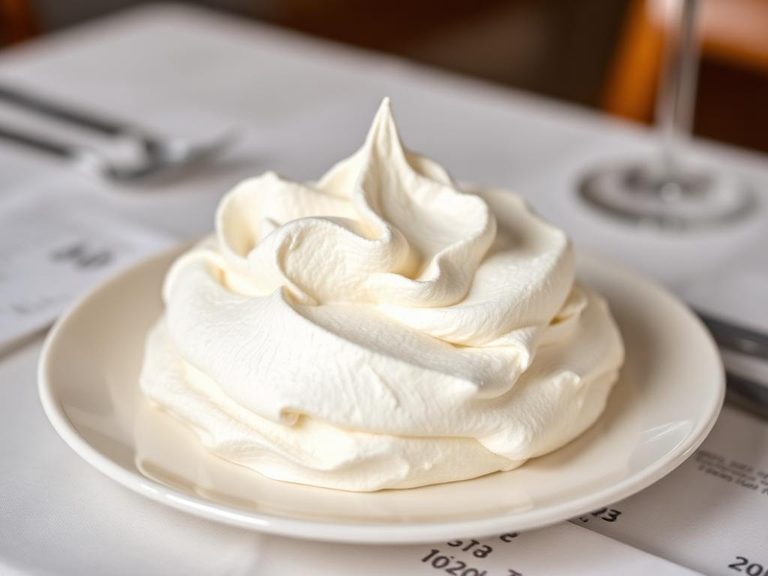
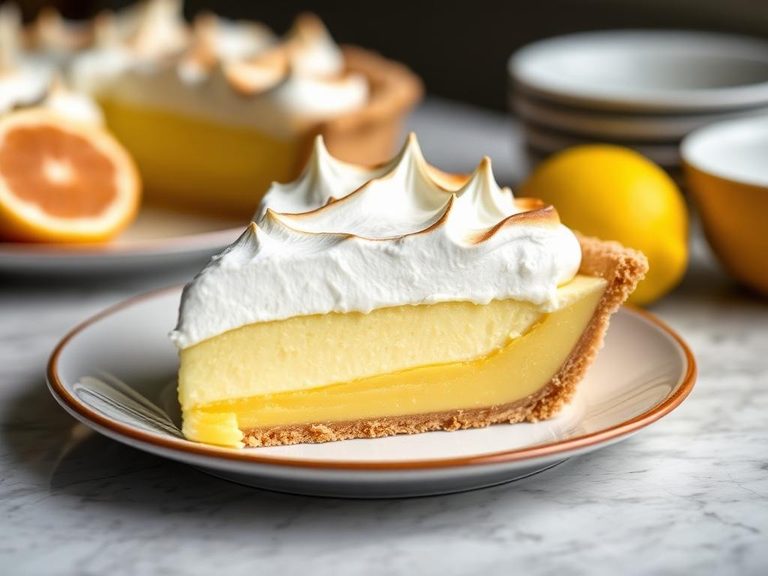
Meringue is a light, airy dessert made by whipping egg whites with sugar until stiff peaks form, then baking or drying it at a low temperature. Originating in 17th-century Europe, it's a classic component in desserts like pavlova, lemon meringue pie, and baked Alaska.
🍳 View the full Meringue recipe →
🍽️ Nutrition at a glance
Meringue is primarily a source of carbohydrates from sugar, with minimal fat and a small amount of protein from the egg whites. A typical 1-ounce (28g) serving contains about 100 calories, mostly from simple sugars.
Nutrition breakdown
| Calories | 120 kcal |
| Protein | 2 g |
| Carbs | 28 g |
| Fat | 0 g |
| Fiber | 0 g |
| Sugar | 28 g |
| Sodium | 30 mg |
| Calcium | 5 mg |
| Iron | 0.1 mg |
| Potassium | 20 mg |
| Phosphorus | 10 mg |
| Magnesium | 2 mg |
| Vitamin B2 (Riboflavin) | 0.05 mg |
| Vitamin B12 | 0.1 µg |
Per 1 piece (50 g) · estimated, varies by recipe
💡 What's interesting
Meringue's unique texture comes from the protein in egg whites forming a stable foam that traps air, creating its signature crisp exterior and soft, marshmallow-like interior. Culturally, it's a versatile base that can be shaped into nests, shells, or decorative toppings, showcasing the baker's skill in achieving the perfect balance of sweetness and texture.
🍽️ Related dishes




AI estimate may be inaccurate · Terms