

Egg omelet or scrambled egg, with cheese, meat, and tomatoes, no added fat
Common food
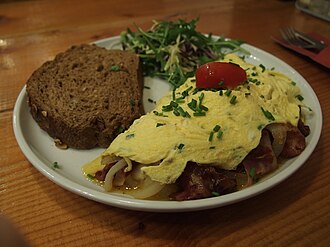
Photo: Wikipedia
A fluffy, protein-packed breakfast staple made by whisking eggs with diced tomatoes and melted cheese, then cooking without added fat. The result is a tender, savory bite with pockets of gooey cheese and juicy tomato, delivering a substantial protein boost with minimal carbs.
Calorie split: 31% protein · 4% carbs · 64% fat
↓ Full nutrition💚 Why it's loved
People adore its comforting, savory flavor and the satisfying contrast between the soft egg, melted cheese, and bright tomato. It's a versatile canvas that can be customized with herbs and spices to fit any cuisine.
⚠️ Watch-outs & how to enjoy it better
The cheese adds saturated fat and sodium, which those monitoring heart health or blood pressure should consider. Eggs are a common allergen, and the cholesterol content may concern some. Counteract by using low-sodium cheese, pairing with leafy greens, and practicing portion control.
Key benefits
- High-quality complete protein for muscle maintenance
- Rich in choline for brain and liver health
- Provides vitamin D and B12 from eggs
- Low-carb, suitable for ketogenic or diabetic-friendly diets
- Quick to prepare for a balanced meal
🍽️ Popular dishes
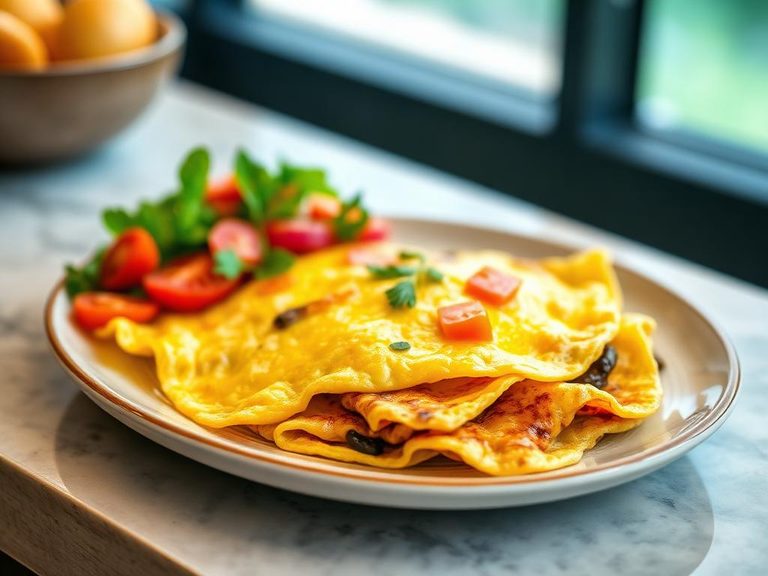
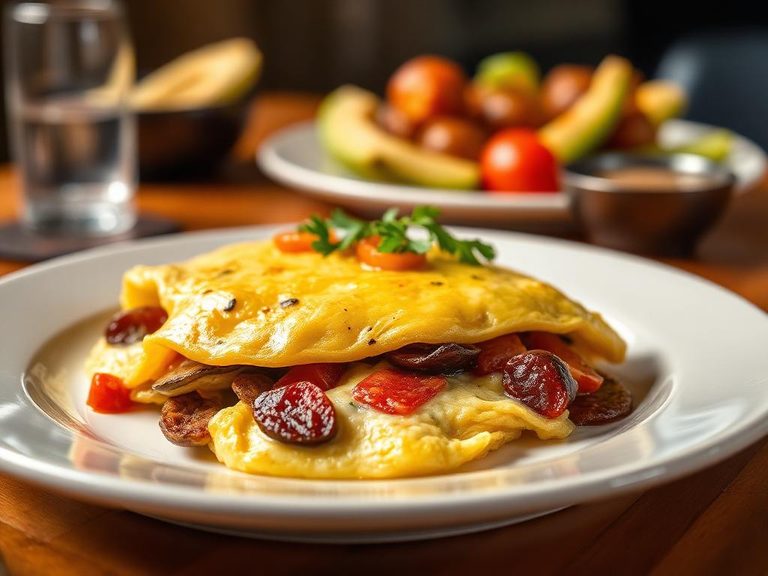
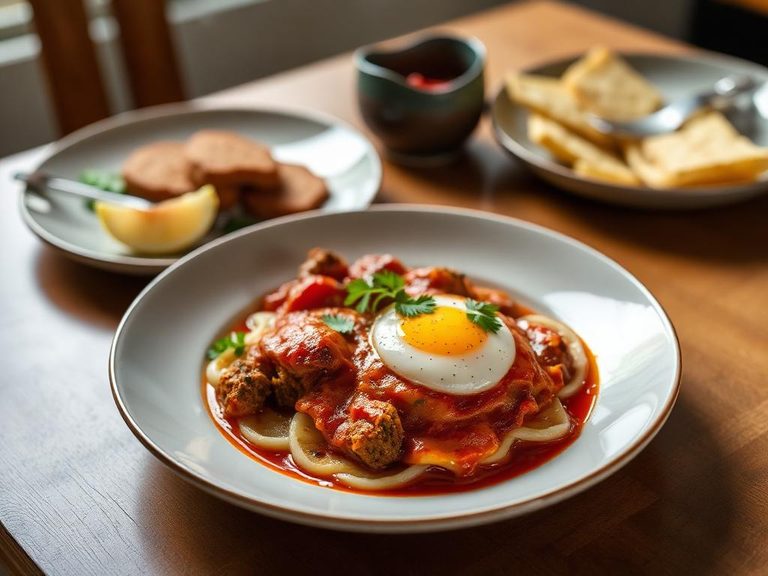
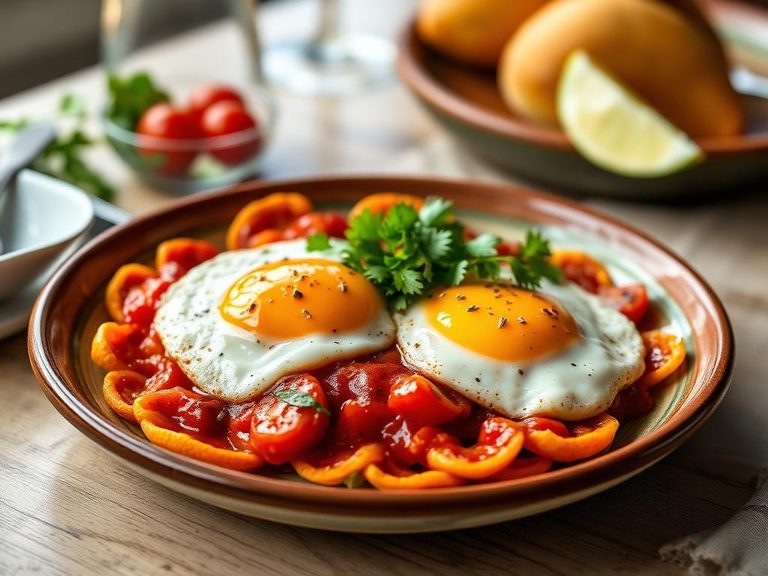
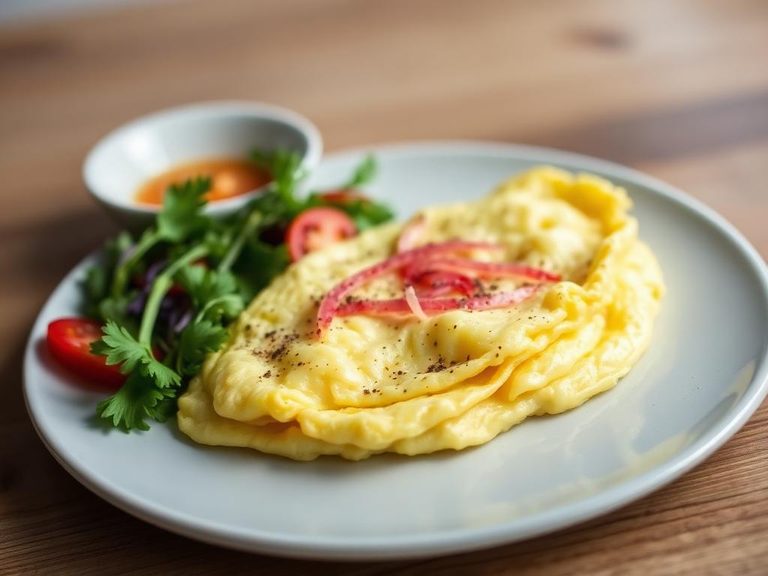
🌍 Where it's eaten
💡 Did you know?
The word 'omelette' was first used in French culinary texts in the 17th century, but the dish itself is believed to have evolved from ancient Roman preparations of eggs cooked with other ingredients.
Full nutrition (USDA data · scales with serving)
| Water | 71.2 g |
| Energy | 168 kcal |
| Protein | 13.2 g |
| Total lipid (fat) | 12.0 g |
| Carbohydrate, by difference | 1.7 g |
| Fiber, total dietary | 0.10 g |
| Total Sugars | 0.74 g |
| Calcium, Ca | 139 mg |
| Iron, Fe | 1.4 mg |
| Magnesium, Mg | 14.0 mg |
| Phosphorus, P | 223 mg |
| Potassium, K | 160 mg |
| Sodium, Na | 381 mg |
| Zinc, Zn | 1.5 mg |
| Copper, Cu | 0.01 mg |
| Selenium, Se | 28.2 ug |
| Vitamin C, total ascorbic acid | 1.1 mg |
| Thiamin | 0.08 mg |
| Riboflavin | 0.36 mg |
| Niacin | 0.55 mg |
| Vitamin B-6 | 0.09 mg |
| Folate, total | 43.0 ug |
| Folic acid | 0.00 ug |
| Folate, food | 43.0 ug |
| Folate, DFE | 43.0 ug |
| Choline, total | 210 mg |
| Vitamin B-12 | 0.83 ug |
| Vitamin B-12, added | 0.00 ug |
| Vitamin A, RAE | 169 ug |
| Retinol | 165 ug |
| Carotene, beta | 37.0 ug |
| Carotene, alpha | 6.0 ug |
| Cryptoxanthin, beta | 11.0 ug |
| Lycopene | 156 ug |
| Lutein + zeaxanthin | 388 ug |
| Vitamin E (alpha-tocopherol) | 0.94 mg |
| Vitamin E, added | 0.00 mg |
| Vitamin D (D2 + D3) | 2.3 ug |
| Vitamin K (phylloquinone) | 1.1 ug |
| Alcohol, ethyl | 0.00 g |
| Caffeine | 0.00 mg |
| Theobromine | 0.00 mg |
Fat & fatty acid profile (per 100g)
| Fatty acids, total saturated | 4.7 g |
| SFA 4:0 | 0.07 g |
| SFA 6:0 | 0.05 g |
| SFA 8:0 | 0.03 g |
| SFA 10:0 | 0.08 g |
| SFA 12:0 | 0.09 g |
| SFA 14:0 | 0.34 g |
| SFA 16:0 | 2.9 g |
| SFA 18:0 | 1.1 g |
| Fatty acids, total monounsaturated | 4.0 g |
| MUFA 16:1 | 0.26 g |
| MUFA 18:1 | 3.7 g |
| MUFA 20:1 | 0.02 g |
| MUFA 22:1 | 0.00 g |
| Fatty acids, total polyunsaturated | 1.7 g |
| PUFA 18:2 | 1.4 g |
| PUFA 18:3 | 0.03 g |
| PUFA 18:4 | 0.00 g |
| PUFA 20:4 | 0.01 g |
| PUFA 20:5 n-3 (EPA) | 0.00 g |
| PUFA 22:5 n-3 (DPA) | 0.00 g |
| PUFA 22:6 n-3 (DHA) | 0.00 g |
| Cholesterol | 324 mg |
Amino acid profile (per 100g)
Estimated from Egg, whole, cooked, omelet — USDA does not publish this profile for Egg omelet or scrambled egg.
| Tryptophan | 0.14 g |
| Threonine | 0.47 g |
| Isoleucine | 0.56 g |
| Leucine | 0.91 g |
| Lysine | 0.77 g |
| Methionine | 0.32 g |
| Cystine | 0.23 g |
| Phenylalanine | 0.57 g |
| Tyrosine | 0.42 g |
| Valine | 0.72 g |
| Arginine | 0.69 g |
| Histidine | 0.26 g |
| Alanine | 0.62 g |
| Aspartic acid | 1.1 g |
| Glutamic acid | 1.4 g |
| Glycine | 0.36 g |
| Proline | 0.43 g |
| Serine | 0.82 g |
FAQ
Can I make this without cheese?
Yes, omitting cheese reduces fat and calories. You can add more vegetables like spinach or mushrooms for volume and nutrients.
Why is there no added fat in the cooking method?
Using a non-stick pan allows the eggs to cook in their own moisture and the fat from the cheese, resulting in a lower overall fat content than traditional frying.
Is this suitable for a low-sodium diet?
The cheese contributes significant sodium. Opt for low-sodium cheese varieties and avoid adding extra salt to keep it heart-friendly.
Nutrient density (calculated · NRF9.3)
Nutrient Rich Foods index: beneficial nutrients (protein, fiber, vitamins, minerals) minus saturated fat, added sugar & sodium, per 100 kcal.
NRF9.3 index — Fulgoni, Keast & Drewnowski, 2009. Computed from USDA nutrients.
Weight-loss friendliness (composite index)
Energy density 1.68 kcal/g · 31% calories from protein · 0.1 g fiber · 0.7 g sugar per 100 g.
Composite of energy density (Rolls et al., 1999), protein & fiber satiety, minus sugar. A calculated heuristic — ranks satiety-per-calorie, not a clinical measure.
Dietary load (calculated from USDA values)
Potential renal acid load. Positive = acid-forming, negative = alkaline-forming.
Sodium-to-potassium ratio: 2.38 (lower is better — aim for ≤ 1)
Sodium:potassium per WHO potassium guidance. Computed from USDA nutrients.