

Duck egg, cooked
Common food

Photo: Wikipedia
A cooked duck egg offers a rich, creamy experience with a large, deeply orange yolk and a firm, slightly rubbery white. Its flavor is more robust and savory than a chicken egg, with a distinct, almost gamey depth. Nutritionally, it is a powerhouse of high-quality protein and healthy fats, with very few carbohydrates.
Calorie split: 22% protein · 2% carbs · 76% fat
↓ Full nutrition💚 Why it's loved
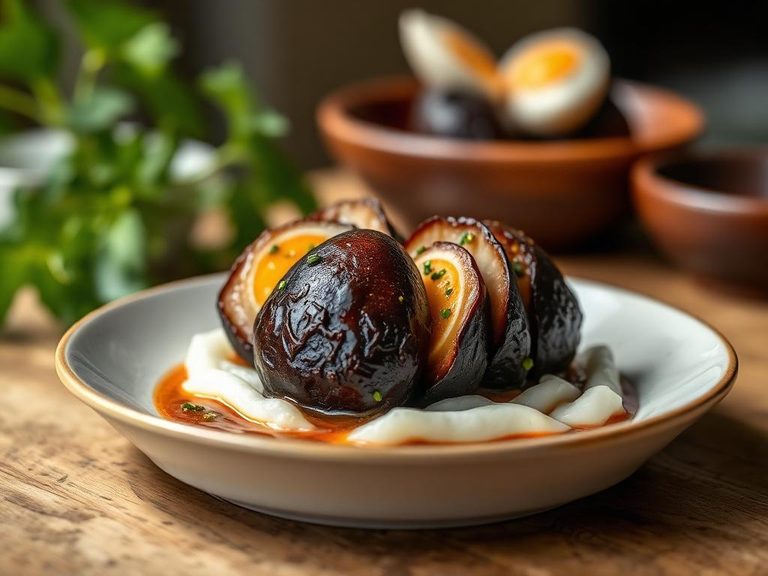
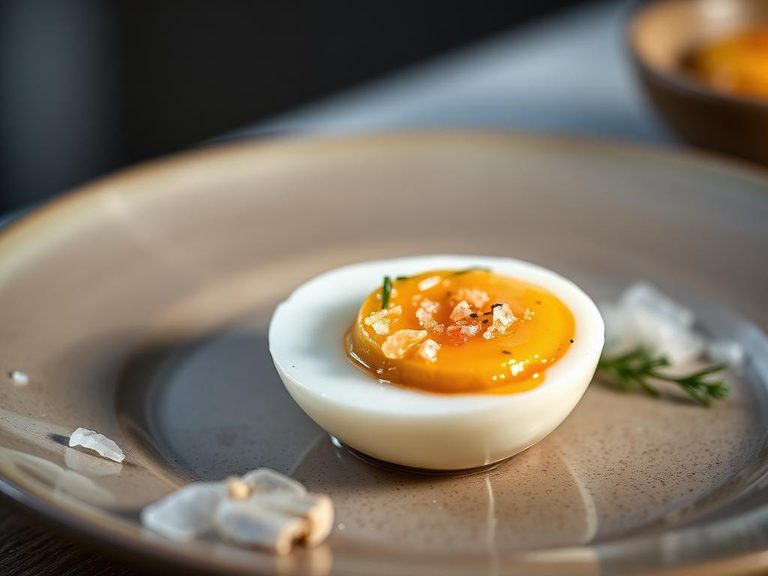
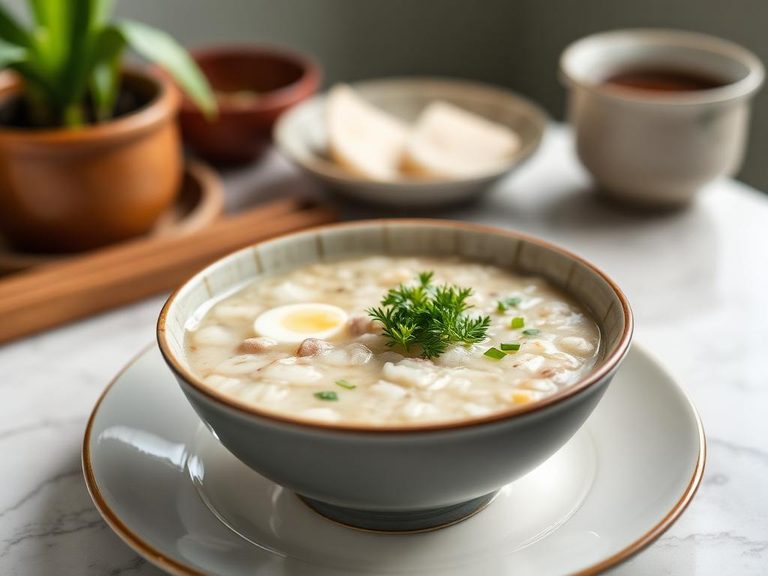
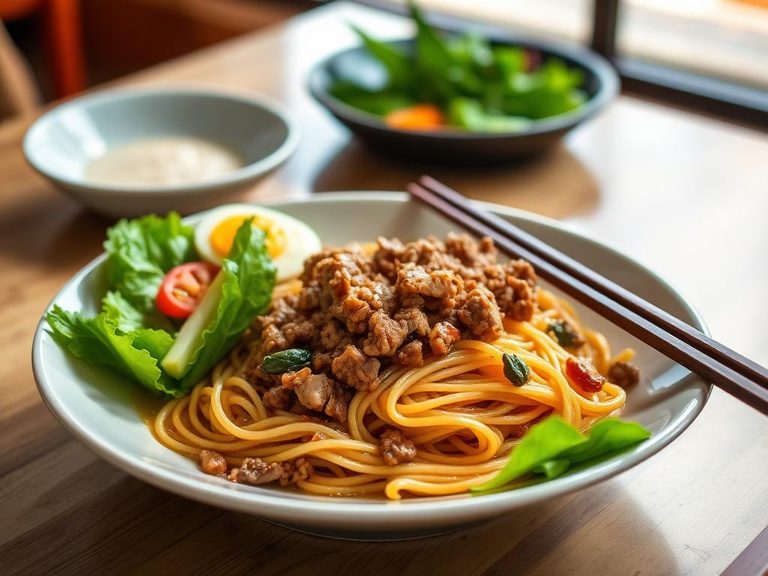
People adore the intense, savory flavor and luxuriously creamy yolk that elevates simple dishes. Its versatility allows it to be the star in everything from a decadent breakfast to a savory congee or a rich pasta sauce.
⚠️ Watch-outs & how to enjoy it better
The high fat and cholesterol content may be a concern for some individuals, particularly those managing specific dietary restrictions. To enjoy mindfully, practice portion control and pair it with fiber-rich vegetables or whole grains to create a more balanced meal.
Key benefits
- Excellent source of complete protein for muscle maintenance.
- Rich in fat-soluble vitamins like A, D, and E.
- Provides essential minerals like selenium and choline.
- High in healthy monounsaturated fats.
- Naturally low in carbohydrates.
🍽️ Popular dishes


🌍 Where it's eaten
💡 Did you know?
The yolk of a duck egg can be up to 30% larger than that of a chicken egg, making it a prized ingredient for creating exceptionally rich pasta and baked goods.
Full nutrition (USDA data · scales with serving)
| Water | 66.7 g |
| Energy | 224 kcal |
| Protein | 12.0 g |
| Total lipid (fat) | 18.6 g |
| Carbohydrate, by difference | 1.4 g |
| Fiber, total dietary | 0.00 g |
| Total Sugars | 0.88 g |
| Calcium, Ca | 60.0 mg |
| Iron, Fe | 3.6 mg |
| Magnesium, Mg | 16.0 mg |
| Phosphorus, P | 206 mg |
| Potassium, K | 208 mg |
| Sodium, Na | 264 mg |
| Zinc, Zn | 1.3 mg |
| Copper, Cu | 0.06 mg |
| Selenium, Se | 33.9 ug |
| Vitamin C, total ascorbic acid | 0.00 mg |
| Thiamin | 0.12 mg |
| Riboflavin | 0.36 mg |
| Niacin | 0.17 mg |
| Vitamin B-6 | 0.26 mg |
| Folate, total | 56.0 ug |
| Folic acid | 0.00 ug |
| Folate, food | 56.0 ug |
| Folate, DFE | 56.0 ug |
| Choline, total | 197 mg |
| Vitamin B-12 | 4.0 ug |
| Vitamin B-12, added | 0.00 ug |
| Vitamin A, RAE | 206 ug |
| Retinol | 204 ug |
| Carotene, beta | 24.0 ug |
| Carotene, alpha | 0.00 ug |
| Cryptoxanthin, beta | 11.0 ug |
| Lycopene | 0.00 ug |
| Lutein + zeaxanthin | 428 ug |
| Vitamin E (alpha-tocopherol) | 2.1 mg |
| Vitamin E, added | 0.00 mg |
| Vitamin D (D2 + D3) | 1.6 ug |
| Vitamin K (phylloquinone) | 5.1 ug |
| Alcohol, ethyl | 0.00 g |
| Caffeine | 0.00 mg |
| Theobromine | 0.00 mg |
Fat & fatty acid profile (per 100g)
| Fatty acids, total saturated | 4.9 g |
| SFA 4:0 | 0.04 g |
| SFA 6:0 | 0.03 g |
| SFA 8:0 | 0.02 g |
| SFA 10:0 | 0.04 g |
| SFA 12:0 | 0.04 g |
| SFA 14:0 | 0.19 g |
| SFA 16:0 | 3.6 g |
| SFA 18:0 | 0.90 g |
| Fatty acids, total monounsaturated | 8.1 g |
| MUFA 16:1 | 0.44 g |
| MUFA 18:1 | 7.6 g |
| MUFA 20:1 | 0.03 g |
| MUFA 22:1 | 0.00 g |
| Fatty acids, total polyunsaturated | 2.8 g |
| PUFA 18:2 | 2.0 g |
| PUFA 18:3 | 0.28 g |
| PUFA 18:4 | 0.00 g |
| PUFA 20:4 | 0.30 g |
| PUFA 20:5 n-3 (EPA) | 0.00 g |
| PUFA 22:5 n-3 (DPA) | 0.00 g |
| PUFA 22:6 n-3 (DHA) | 0.00 g |
| Cholesterol | 828 mg |
Amino acid profile (per 100g)
Estimated from Egg, duck, whole, fresh, raw — USDA does not publish this profile for Duck egg.
| Tryptophan | 0.26 g |
| Threonine | 0.74 g |
| Isoleucine | 0.60 g |
| Leucine | 1.1 g |
| Lysine | 0.95 g |
| Methionine | 0.58 g |
| Cystine | 0.28 g |
| Phenylalanine | 0.84 g |
| Tyrosine | 0.61 g |
| Valine | 0.89 g |
| Arginine | 0.77 g |
| Histidine | 0.32 g |
| Alanine | 0.63 g |
| Aspartic acid | 0.78 g |
| Glutamic acid | 1.8 g |
| Glycine | 0.42 g |
| Proline | 0.48 g |
| Serine | 0.96 g |
FAQ
How does a cooked duck egg taste different from a chicken egg?
A duck egg has a richer, more savory and slightly gamey flavor. The yolk is creamier and more intensely colored, while the white is firmer and less watery than a chicken egg's.
Is it safe to eat duck eggs if I'm allergic to chicken eggs?
Not necessarily. Duck eggs and chicken eggs are both bird eggs and share many of the same proteins. A chicken egg allergy often means a duck egg allergy as well, so you should consult an allergist before trying them.
What's the best way to cook a duck egg?
Due to its larger size and richer yolk, a duck egg is fantastic fried or poached where the yolk can stay runny. It also makes a wonderfully fluffy omelette. Hard-boiling requires a slightly longer time than a chicken egg (about 10-12 minutes).
Nutrient density (calculated · NRF9.3)
Nutrient Rich Foods index: beneficial nutrients (protein, fiber, vitamins, minerals) minus saturated fat, added sugar & sodium, per 100 kcal.
NRF9.3 index — Fulgoni, Keast & Drewnowski, 2009. Computed from USDA nutrients.
Weight-loss friendliness (composite index)
Energy density 2.24 kcal/g · 21% calories from protein · 0.0 g fiber · 0.9 g sugar per 100 g.
Composite of energy density (Rolls et al., 1999), protein & fiber satiety, minus sugar. A calculated heuristic — ranks satiety-per-calorie, not a clinical measure.
Dietary load (calculated from USDA values)
Potential renal acid load. Positive = acid-forming, negative = alkaline-forming.
Sodium-to-potassium ratio: 1.27 (lower is better — aim for ≤ 1)
Sodium:potassium per WHO potassium guidance. Computed from USDA nutrients.