Duck Egg Congee
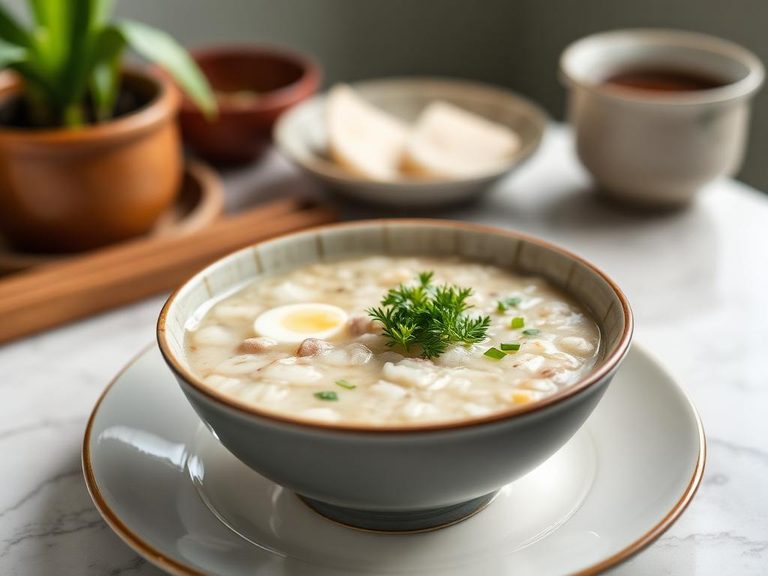
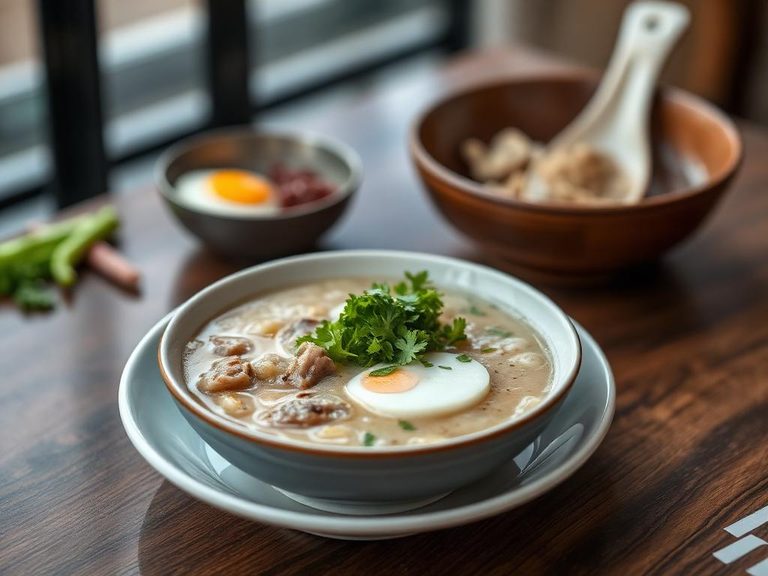
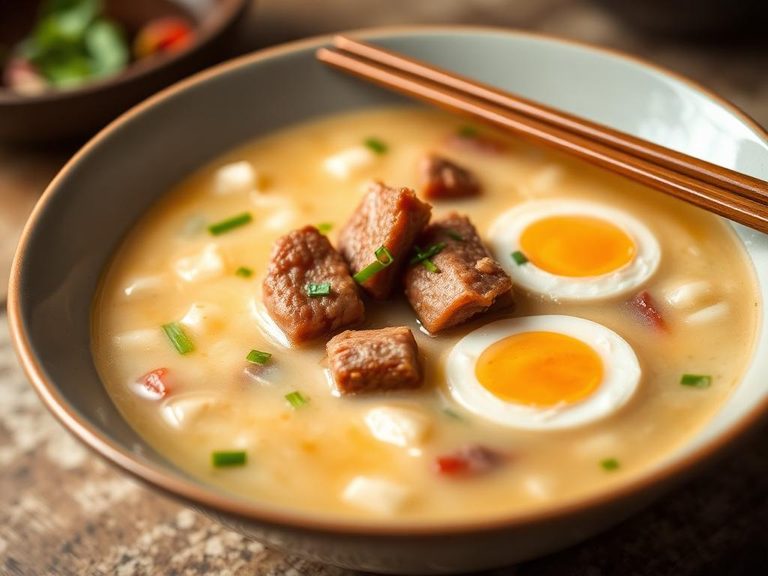
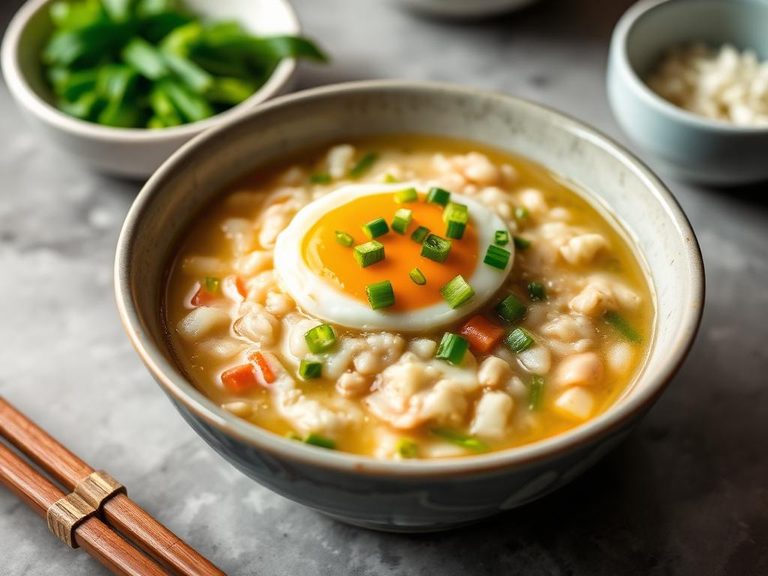
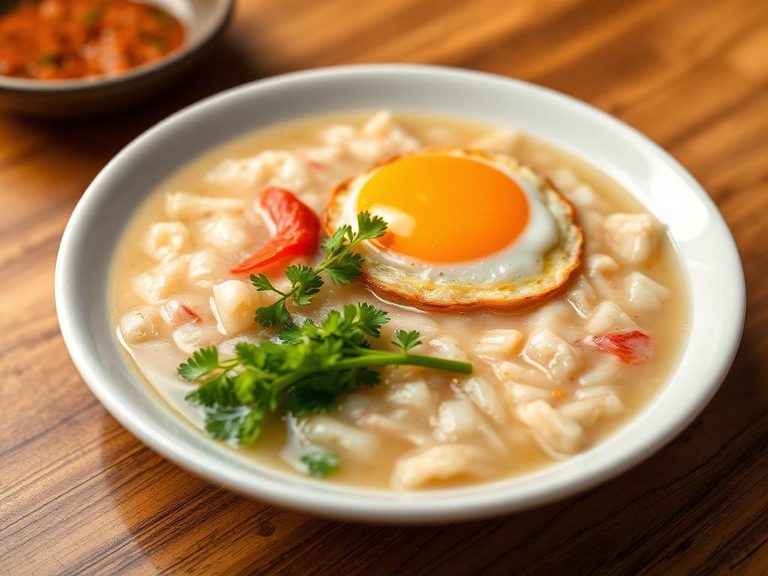
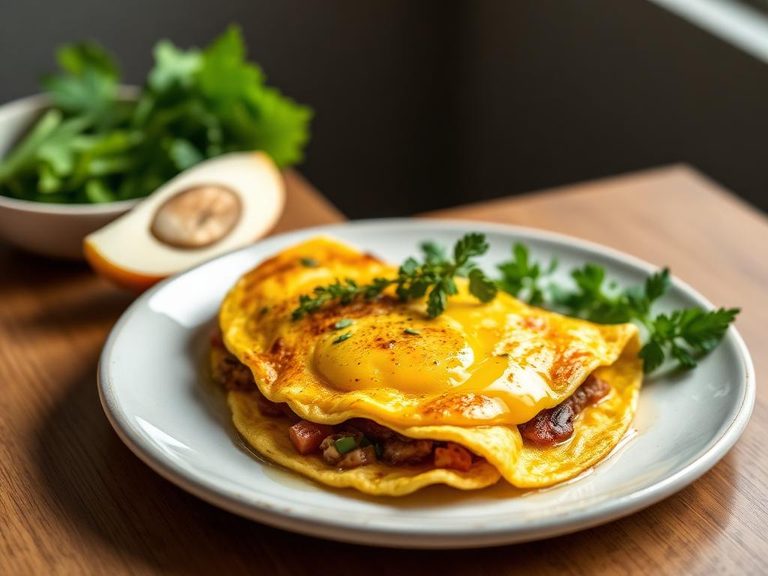
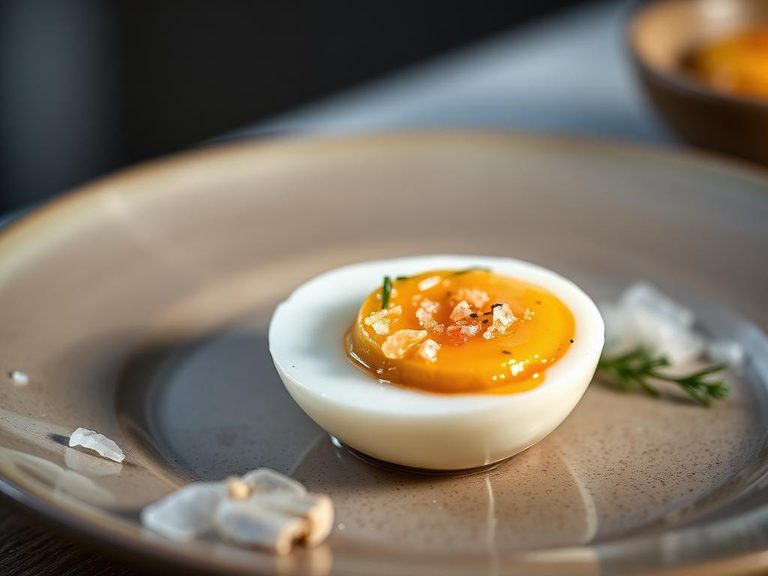
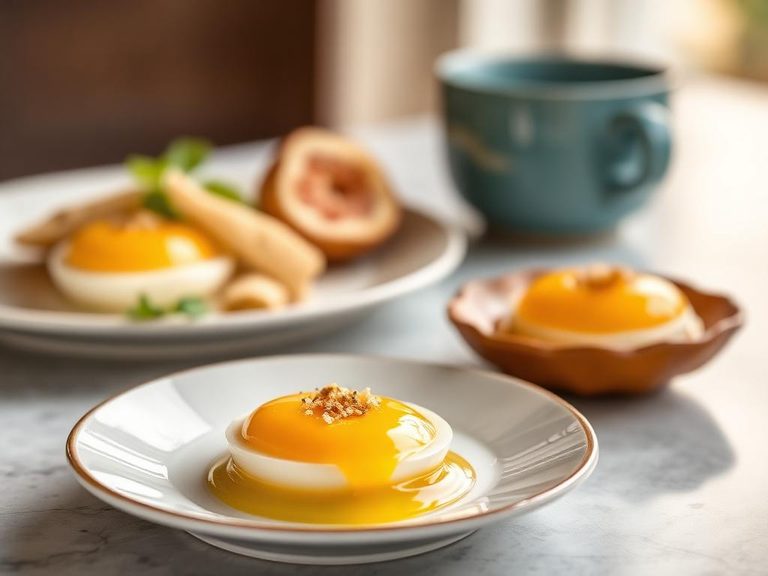
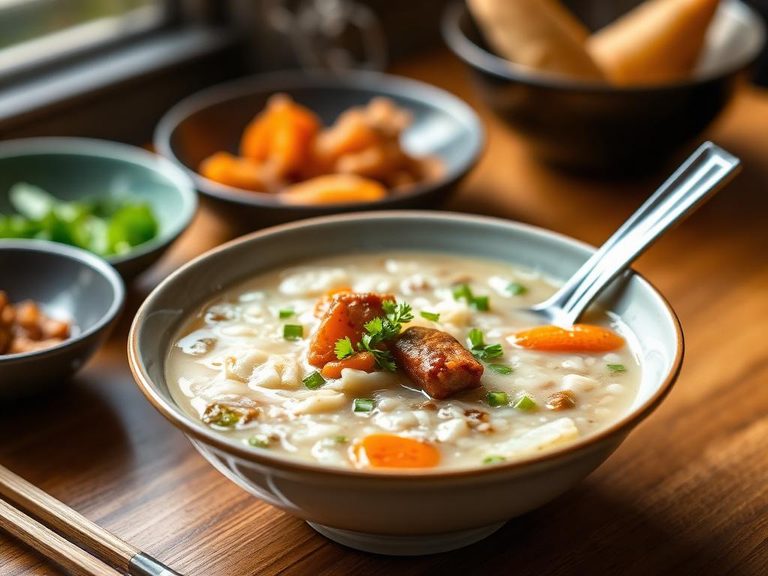
Duck Egg Congee is a comforting, savory rice porridge made by slow-cooking rice until it breaks down into a creamy consistency, traditionally enriched with a whole duck egg. It is a popular breakfast or restorative meal in many East and Southeast Asian cuisines, often seasoned with ginger, scallions, and a touch of sesame oil or soy sauce.
🍽️ Nutrition at a glance
This dish is primarily a carbohydrate-rich energy source, with moderate protein from the duck egg and rice. A typical serving provides a good amount of B vitamins, selenium, and phosphorus, with a calorie range of approximately 250-350 kcal.
Nutrition breakdown
| Calories | 310 kcal |
| Protein | 12 g |
| Carbs | 48 g |
| Fat | 8 g |
| Fiber | 1 g |
| Sugar | 0 g |
| Sodium | 450 mg |
| Selenium | 25 mcg |
| Phosphorus | 180 mg |
| Vitamin B12 | 1.5 mcg |
| Choline | 130 mg |
| Manganese | 0.8 mg |
| Iron | 2.1 mg |
| Thiamine (B1) | 0.2 mg |
| Niacin (B3) | 3.5 mg |
Per 1.5 cups (360 g) · estimated, varies by recipe
💡 What's interesting
Culturally, congee is often considered a healing food, easy to digest and given to the sick or elderly. Nutritionally, using a duck egg instead of a chicken egg adds a richer flavor and a higher concentration of certain nutrients like choline and vitamin B12.