

Corn, sweet, yellow, frozen, kernels on cob, cooked, boiled, drained, without salt
Whole food · Vegetables and Vegetable Products

Photo: Wikipedia
These are sweet yellow corn kernels still attached to the cob, flash-frozen at peak freshness and then boiled until tender. The texture is a satisfying mix of juicy, plump kernels and a slightly firm bite, with a naturally sweet, buttery flavor. Nutritionally, it's a light, high-fiber carbohydrate source that provides a good energy boost without being heavy.
Calorie split: 11% protein · 82% carbs · 6% fat
↓ Full nutrition💚 Why it's loved
People love it for its nostalgic, comforting sweetness and the satisfying pop of fresh kernels. It's incredibly versatile, easily grilled, boiled, or added to salads, and is a staple at summer barbecues and family dinners across many cultures.
⚠️ Watch-outs & how to enjoy it better
The natural sugars can cause a blood-sugar spike, so those managing diabetes should be mindful of portion size. To counteract this, pair it with a source of protein (like grilled chicken) or healthy fat (like a pat of butter or avocado) to slow sugar absorption. Also, avoid adding extra salt, as the corn is often naturally flavorful enough.
Key benefits
- Good source of dietary fiber (2.8g per 100g) for digestive health.
- Provides a quick energy boost from natural carbohydrates.
- Low in fat (0.74g per 100g), making it a light side dish.
- Contains essential vitamins and minerals like vitamin C and potassium.
- Convenient, year-round access to sweet corn flavor.
🍽️ Popular dishes
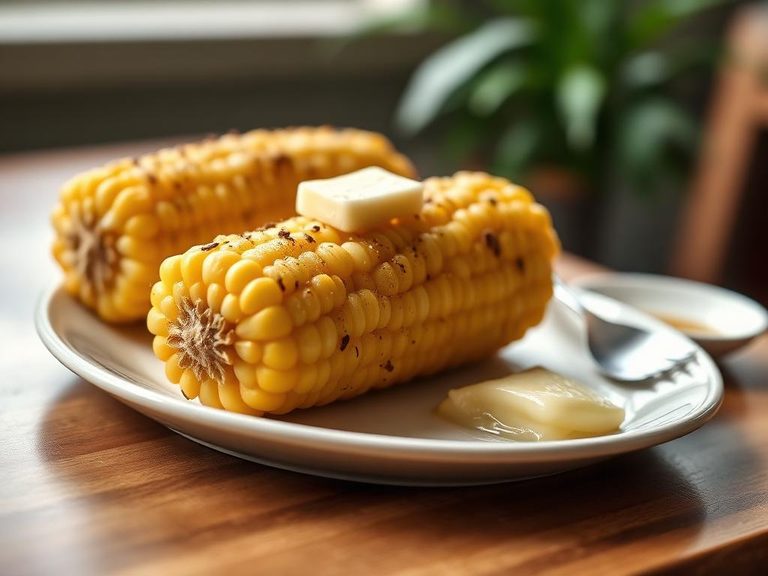
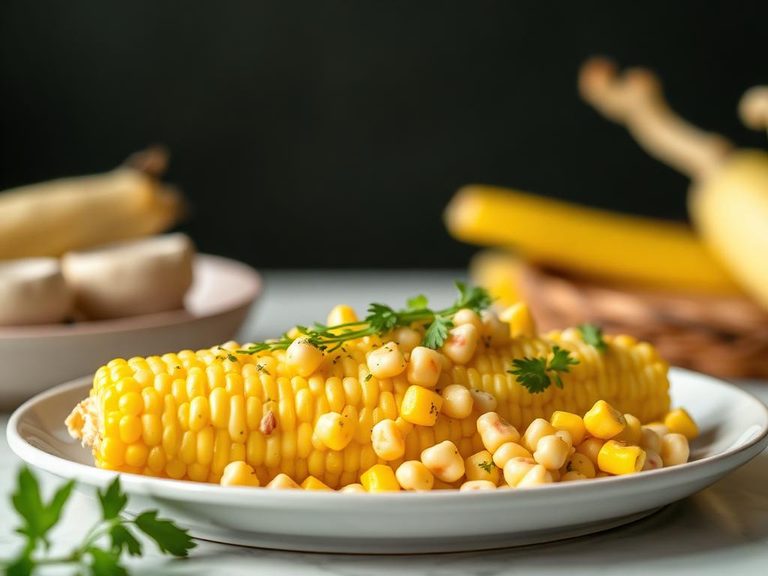
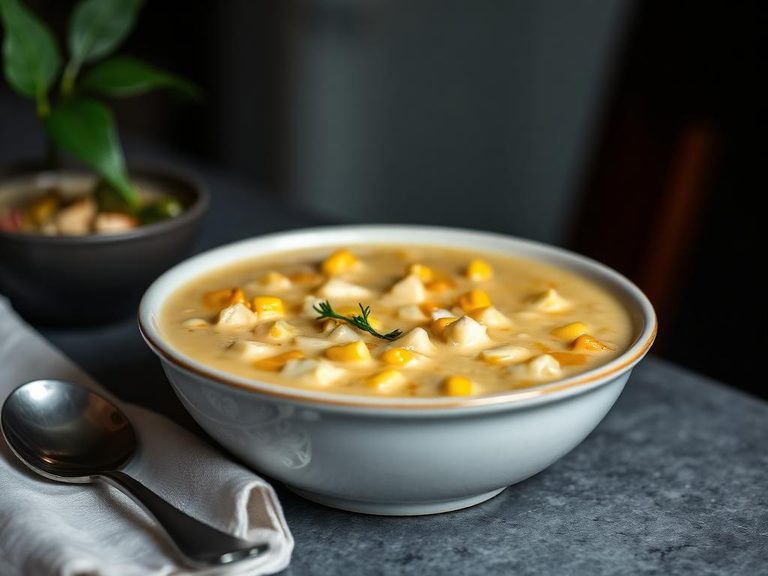

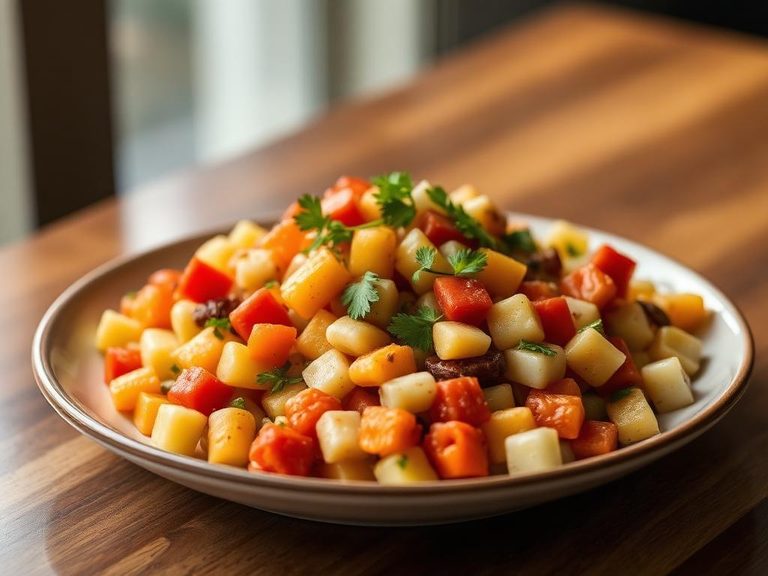
🌍 Where it's eaten
💡 Did you know?
A single ear of corn has an even number of rows, typically 16, and each silk strand is attached to a single kernel.
Full nutrition (USDA data · scales with serving)
| Water | 73.2 g |
| Energy | 94.0 kcal |
| Energy | 391 kj |
| Protein | 3.1 g |
| Total lipid (fat) | 0.74 g |
| Ash | 0.62 g |
| Carbohydrate, by difference | 22.3 g |
| Fiber, total dietary | 2.8 g |
| Total Sugars | 3.6 g |
| Sucrose | 2.3 g |
| Glucose | 0.56 g |
| Fructose | 0.53 g |
| Lactose | 0.00 g |
| Maltose | 0.20 g |
| Galactose | 0.00 g |
| Calcium, Ca | 3.0 mg |
| Iron, Fe | 0.61 mg |
| Magnesium, Mg | 29.0 mg |
| Phosphorus, P | 75.0 mg |
| Potassium, K | 251 mg |
| Sodium, Na | 4.0 mg |
| Zinc, Zn | 0.63 mg |
| Copper, Cu | 0.05 mg |
| Manganese, Mn | 0.14 mg |
| Selenium, Se | 0.70 ug |
| Vitamin C, total ascorbic acid | 4.8 mg |
| Thiamin | 0.17 mg |
| Riboflavin | 0.07 mg |
| Niacin | 1.5 mg |
| Pantothenic acid | 0.25 mg |
| Vitamin B-6 | 0.22 mg |
| Folate, total | 31.0 ug |
| Folic acid | 0.00 ug |
| Folate, food | 31.0 ug |
| Folate, DFE | 31.0 ug |
| Vitamin B-12 | 0.00 ug |
| Vitamin A, RAE | 12.0 ug |
| Retinol | 0.00 ug |
| Carotene, beta | 58.0 ug |
| Carotene, alpha | 20.0 ug |
| Cryptoxanthin, beta | 142 ug |
| Vitamin A, IU | 232 iu |
| Lycopene | 0.00 ug |
| Lutein + zeaxanthin | 852 ug |
| Vitamin E (alpha-tocopherol) | 0.08 mg |
| Tocopherol, beta | 0.00 mg |
| Tocopherol, gamma | 0.16 mg |
| Tocopherol, delta | 0.00 mg |
| Vitamin D (D2 + D3), International Units | 0.00 iu |
| Vitamin D (D2 + D3) | 0.00 ug |
| Vitamin K (phylloquinone) | 0.40 ug |
Fat & fatty acid profile (per 100g)
| Fatty acids, total saturated | 0.11 g |
| SFA 16:0 | 0.11 g |
| SFA 18:0 | 0.01 g |
| Fatty acids, total monounsaturated | 0.22 g |
| MUFA 18:1 | 0.22 g |
| Fatty acids, total polyunsaturated | 0.35 g |
| PUFA 18:2 | 0.34 g |
| PUFA 18:3 | 0.01 g |
| Fatty acids, total trans | 0.00 g |
| Cholesterol | 0.00 mg |
Amino acid profile (per 100g)
| Tryptophan | 0.02 g |
| Threonine | 0.13 g |
| Isoleucine | 0.13 g |
| Leucine | 0.34 g |
| Lysine | 0.13 g |
| Methionine | 0.07 g |
| Cystine | 0.03 g |
| Phenylalanine | 0.14 g |
| Tyrosine | 0.12 g |
| Valine | 0.18 g |
| Arginine | 0.13 g |
| Histidine | 0.09 g |
| Alanine | 0.28 g |
| Aspartic acid | 0.24 g |
| Glutamic acid | 0.61 g |
| Glycine | 0.12 g |
| Proline | 0.28 g |
| Serine | 0.15 g |
FAQ
Is frozen corn as nutritious as fresh?
Yes, often more so. Frozen corn is typically flash-frozen at peak ripeness, locking in nutrients that can degrade in fresh corn over time.
How do I cook frozen corn on the cob?
Boil in water for 5-7 minutes, or steam for 8-10 minutes until tender. For a grilled flavor, you can also roast it in the oven at 400°F (200°C) for 15-20 minutes.
Can I eat the cob itself?
No, the cob is fibrous and not meant to be eaten. It's used to hold the kernels and can be used to make corn stock or broth.
Nutrient density (calculated · NRF9.3)
Nutrient Rich Foods index: beneficial nutrients (protein, fiber, vitamins, minerals) minus saturated fat, added sugar & sodium, per 100 kcal.
NRF9.3 index — Fulgoni, Keast & Drewnowski, 2009. Computed from USDA nutrients.
Weight-loss friendliness (composite index)
Energy density 0.94 kcal/g · 13% calories from protein · 2.8 g fiber · 3.6 g sugar per 100 g.
Composite of energy density (Rolls et al., 1999), protein & fiber satiety, minus sugar. A calculated heuristic — ranks satiety-per-calorie, not a clinical measure.
Dietary load (calculated from USDA values)
Potential renal acid load. Positive = acid-forming, negative = alkaline-forming.
Sodium-to-potassium ratio: 0.02 (lower is better — aim for ≤ 1)
Sodium:potassium per WHO potassium guidance. Computed from USDA nutrients.